
 EN
EN
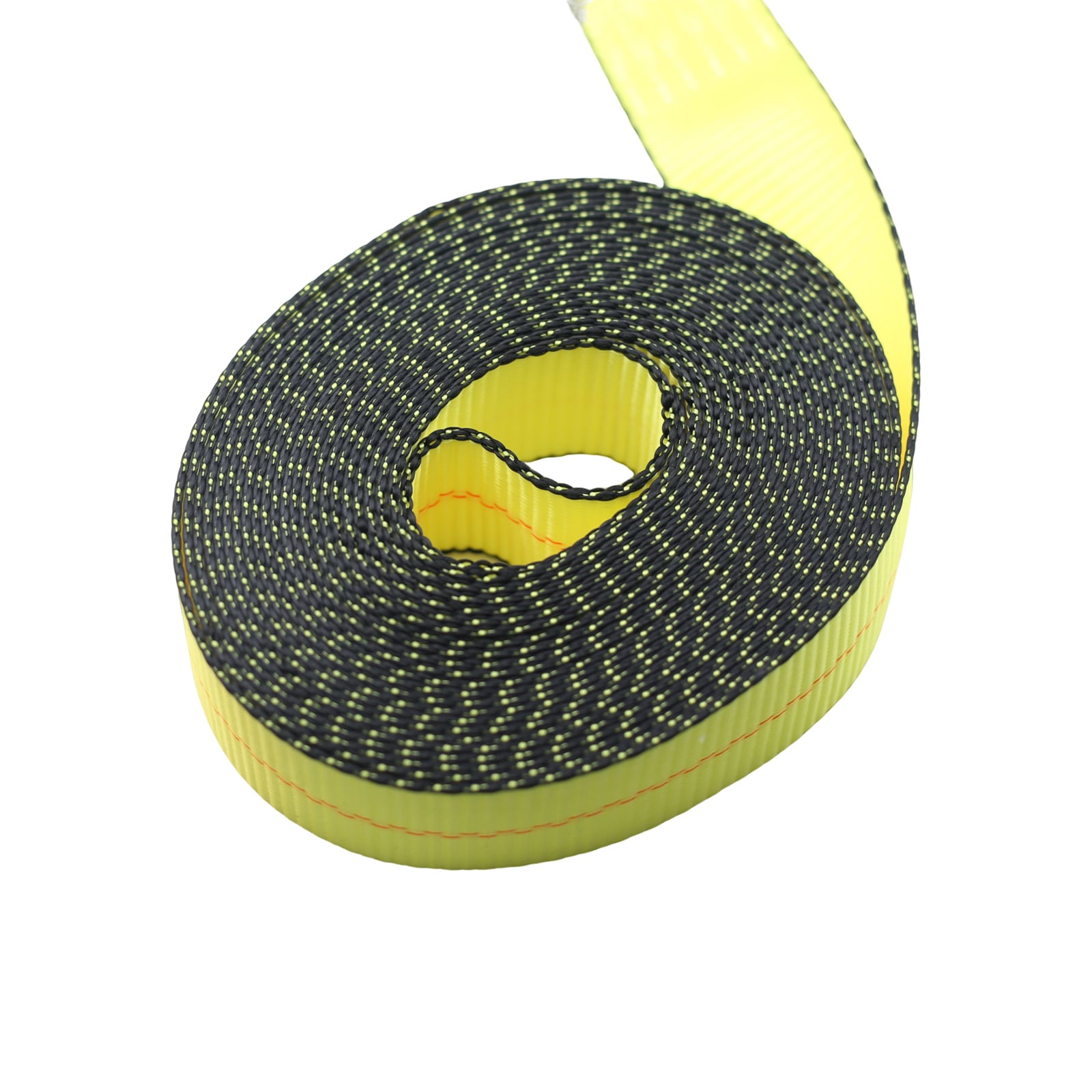
Event rigging safety requires careful consideration of every component, particularly when it comes to selecting appropriate webbing materials. Fire-retardant webbing has become an essential requirement for venues, concert halls, theaters, and outdoor event spaces where fire safety regulations are strictly enforced. Understanding the critical factors involved in choosing the right webbing can mean the difference between compliance and catastrophic failure during emergency situations.
Understanding Fire-Retardant Webbing Materials
Synthetic Fiber Compositions
Modern fire-retardant webbing utilizes advanced synthetic fibers designed to resist ignition and slow flame propagation. Polyester webbing treated with flame-retardant chemicals provides excellent strength-to-weight ratios while maintaining fire safety standards. These synthetic compositions undergo rigorous testing to ensure they meet or exceed industry requirements for event rigging applications.
Aramid-based webbing represents another category of fire-resistant materials, offering inherent flame resistance without chemical treatments. This webbing naturally resists combustion and maintains structural integrity even when exposed to high temperatures. The fiber structure itself provides the fire-retardant properties, making it ideal for permanent installations where long-term reliability is paramount.
Chemical Treatment Processes
Chemical flame-retardant treatments involve applying specialized compounds to standard webbing materials during manufacturing. These treatments create a protective barrier that inhibits ignition and reduces flame spread rates. The effectiveness of chemical treatments depends on proper application methods and regular maintenance to ensure the protective coating remains intact throughout the webbing's service life.
Phosphorus-based flame retardants work by forming a protective char layer when exposed to heat, effectively insulating the underlying webbing material. Halogenated compounds interrupt the combustion process at the molecular level, preventing flame propagation. Understanding these treatment mechanisms helps riggers select the most appropriate webbing for specific environmental conditions and safety requirements.
Safety Standards and Certification Requirements
International Fire Safety Codes
Event venues must comply with various international fire safety standards that specifically address rigging materials and their flame-resistant properties. The International Building Code (IBC) establishes minimum requirements for flame spread and smoke development ratings. Webbing used in public assembly spaces must demonstrate compliance with these standards through independent testing and certification.
European EN standards provide comprehensive guidelines for fire-retardant textiles used in entertainment and event applications. These standards specify testing methods, performance criteria, and labeling requirements for webbing materials. Compliance with EN standards ensures that webbing meets stringent European safety requirements and can be used across international venues and touring productions.
Testing Protocols and Documentation
Fire-retardant webbing undergoes extensive testing to verify its performance characteristics under controlled conditions. Vertical burn tests measure flame spread rates and self-extinguishing properties when the webbing is oriented vertically. Horizontal burn tests evaluate flame propagation along the webbing's length, simulating real-world rigging orientations.
Smoke density testing measures the amount of smoke generated during combustion, which is crucial for maintaining visibility during emergency evacuations. Toxicity testing evaluates the potential health hazards from combustion byproducts. Proper documentation of these test results provides venues and rigging professionals with the information needed to make informed safety decisions when selecting webbing for their applications.
Load Capacity and Strength Considerations
Working Load Limits
Fire-retardant treatments can potentially affect the load-bearing capacity of webbing materials, making it essential to understand how these treatments impact strength characteristics. Manufacturers must provide detailed specifications showing both the untreated and treated breaking strengths of their webbing products. Safety factors for fire-retardant webbing may differ from standard materials due to potential strength reductions from chemical treatments.
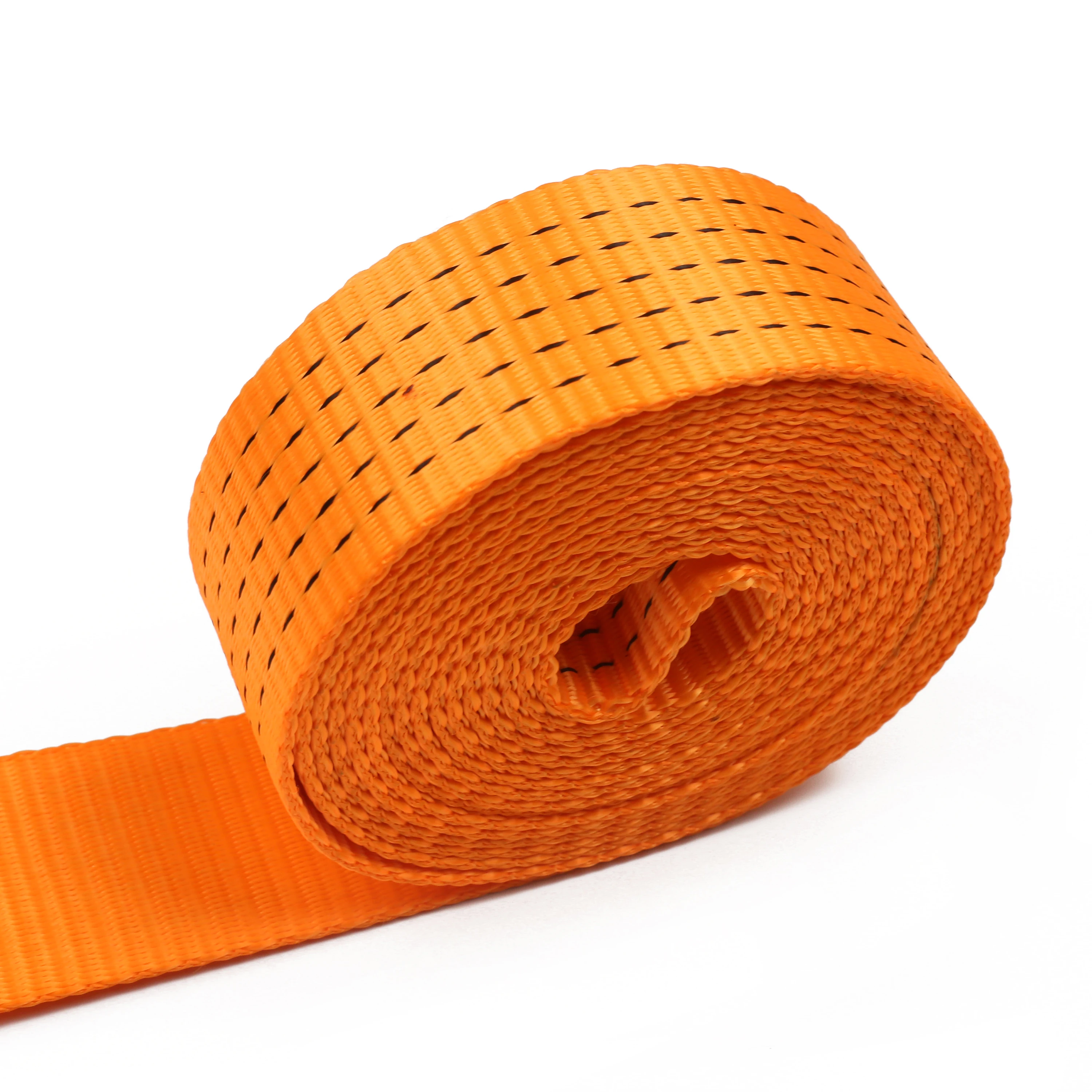
Working load limits for fire-retardant webbing should account for environmental factors that might compromise the material's integrity over time. Temperature fluctuations, humidity exposure, and UV radiation can gradually degrade both the base webbing material and its fire-retardant coating. Regular inspection protocols must verify that the webbing maintains its specified load capacity throughout its service life.
Dynamic vs Static Loading
Event rigging applications subject webbing to both static loads from suspended equipment and dynamic forces from movement, wind, or vibrations. Fire-retardant webbing must maintain its safety margins under these varying load conditions while preserving its flame-resistant properties. Dynamic loading can accelerate wear patterns and potentially compromise the integrity of flame-retardant treatments.
Shock loading scenarios require special consideration when selecting fire-retardant webbing for event applications. The energy absorption characteristics of treated webbing may differ from untreated materials, affecting how the system responds to sudden load changes. Understanding these performance differences helps riggers design safer suspension systems that accommodate both fire safety requirements and mechanical stress factors.
Environmental Factors and Durability
Weather Resistance Properties
Outdoor event applications expose fire-retardant webbing to various weather conditions that can affect both its structural integrity and flame-resistant properties. UV radiation from sunlight gradually breaks down synthetic fibers and can degrade chemical flame-retardant treatments over time. Moisture absorption from rain or humidity may compromise the effectiveness of certain types of fire-retardant coatings.
Temperature extremes present additional challenges for fire-retardant webbing in outdoor environments. Cold temperatures can make webbing materials brittle and more susceptible to damage, while high temperatures may accelerate the degradation of flame-retardant treatments. Selecting webbing with appropriate temperature ratings ensures reliable performance across the full range of expected environmental conditions.
Chemical Exposure and Contamination
Event environments often involve exposure to various chemicals from special effects, cleaning products, or industrial processes that can interact with fire-retardant treatments. Some cleaning solvents may dissolve or compromise flame-retardant coatings, requiring careful selection of maintenance products. Smoke machines, fog effects, and pyrotechnics can deposit residues that interfere with the webbing's fire-resistant properties.
Chemical compatibility testing helps identify potential interactions between fire-retardant webbing and substances commonly encountered in event environments. Regular cleaning protocols must balance the need to remove contamination with preserving the integrity of flame-retardant treatments. Documentation of chemical exposures helps maintain accurate records of webbing condition and remaining service life.
Installation and Maintenance Best Practices
Proper Handling Techniques
Fire-retardant webbing requires careful handling during installation to prevent damage to protective coatings or treatments. Sharp edges, rough surfaces, and improper rigging hardware can compromise the webbing's integrity and potentially create failure points. Training personnel in proper handling techniques ensures that fire-retardant properties are preserved throughout the installation process.
Storage conditions between events significantly impact the longevity of fire-retardant webbing. Proper storage involves keeping webbing clean, dry, and protected from UV exposure and chemical contamination. Coiling techniques should minimize stress concentrations that could damage the webbing fibers or flame-retardant coating. Organized storage systems help maintain inventory control and ensure regular inspection schedules are followed.
Inspection and Replacement Protocols
Regular inspection programs are essential for maintaining the safety and effectiveness of fire-retardant webbing in event applications. Visual inspections should identify signs of wear, damage, or degradation that could compromise either the structural integrity or fire-resistant properties of the webbing. Inspection criteria must include evaluation of both the base material condition and the status of flame-retardant treatments.
Replacement schedules for fire-retardant webbing should consider not only mechanical wear factors but also the potential degradation of flame-resistant properties over time. Some fire-retardant treatments have limited service lives regardless of mechanical condition, requiring replacement based on age rather than visible wear. Maintaining detailed records of webbing service history helps optimize replacement timing and ensure continued compliance with safety requirements.
Cost-Benefit Analysis and Selection Criteria
Initial Investment Considerations
Fire-retardant webbing typically costs more than standard rigging webbing due to specialized materials and treatment processes. However, this initial investment must be evaluated against the potential costs of non-compliance with fire safety regulations, including fines, liability exposure, and event cancellations. The total cost of ownership includes not only purchase price but also maintenance, inspection, and replacement costs over the webbing's service life.
Volume purchasing strategies can help reduce the per-unit cost of fire-retardant webbing for organizations with multiple venues or frequent events. Standardizing on specific webbing types and specifications simplifies inventory management and staff training requirements. Long-term supplier relationships often provide opportunities for better pricing and priority access to specialized products.
Performance Value Assessment
Evaluating fire-retardant webbing options requires balancing multiple performance criteria including fire safety ratings, mechanical properties, environmental resistance, and service life expectations. Higher-performance materials may justify premium pricing through extended service life, reduced maintenance requirements, or superior safety characteristics. Comparative analysis should consider the specific requirements of each application rather than simply selecting the lowest-cost option.
Return on investment calculations for fire-retardant webbing should include both direct cost savings and risk mitigation benefits. Reduced insurance premiums, avoided compliance violations, and enhanced reputation for safety can provide quantifiable benefits that offset the higher initial costs. Professional liability considerations also favor investing in higher-quality webbing that exceeds minimum safety requirements.
FAQ
How often should fire-retardant webbing be tested for compliance
Fire-retardant webbing should undergo formal compliance testing according to manufacturer recommendations and local safety regulations, typically annually or after predetermined service hours. However, routine visual inspections should occur before each use to identify any obvious deterioration of the webbing or its fire-retardant properties. Some venues require quarterly professional inspections by certified rigging professionals, while others may mandate more frequent checks based on usage intensity and environmental conditions.
Can fire-retardant treatments be reapplied to extend webbing service life
Reapplication of fire-retardant treatments is generally not recommended for used webbing due to the difficulty of ensuring uniform coverage and adequate penetration into the fiber structure. The original manufacturing process applies treatments under controlled conditions that cannot be easily replicated in field applications. Most safety standards require replacement rather than retreatment when fire-retardant properties deteriorate, ensuring consistent safety performance throughout the webbing's certified service life.
What are the key differences between inherently fire-resistant and chemically treated webbing
Inherently fire-resistant webbing incorporates flame-resistant properties at the fiber level, providing consistent protection throughout the material's service life. Chemically treated webbing applies fire-retardant coatings to standard fibers, which may degrade over time through washing, UV exposure, or normal wear. While inherently fire-resistant webbing typically costs more initially, it often provides more reliable long-term performance and may have longer service life ratings.
How do environmental conditions affect fire-retardant webbing performance
Environmental factors significantly impact both the mechanical properties and fire-retardant effectiveness of webbing materials. High humidity can reduce the effectiveness of some chemical treatments, while UV exposure gradually degrades both synthetic fibers and flame-retardant coatings. Temperature extremes affect webbing flexibility and strength, with cold conditions potentially making materials brittle and hot conditions accelerating aging processes. Proper environmental protection and storage help maximize webbing performance and service life.
Table of Contents
- Understanding Fire-Retardant Webbing Materials
- Safety Standards and Certification Requirements
- Load Capacity and Strength Considerations
- Environmental Factors and Durability
- Installation and Maintenance Best Practices
- Cost-Benefit Analysis and Selection Criteria
-
FAQ
- How often should fire-retardant webbing be tested for compliance
- Can fire-retardant treatments be reapplied to extend webbing service life
- What are the key differences between inherently fire-resistant and chemically treated webbing
- How do environmental conditions affect fire-retardant webbing performance
