 EN
EN
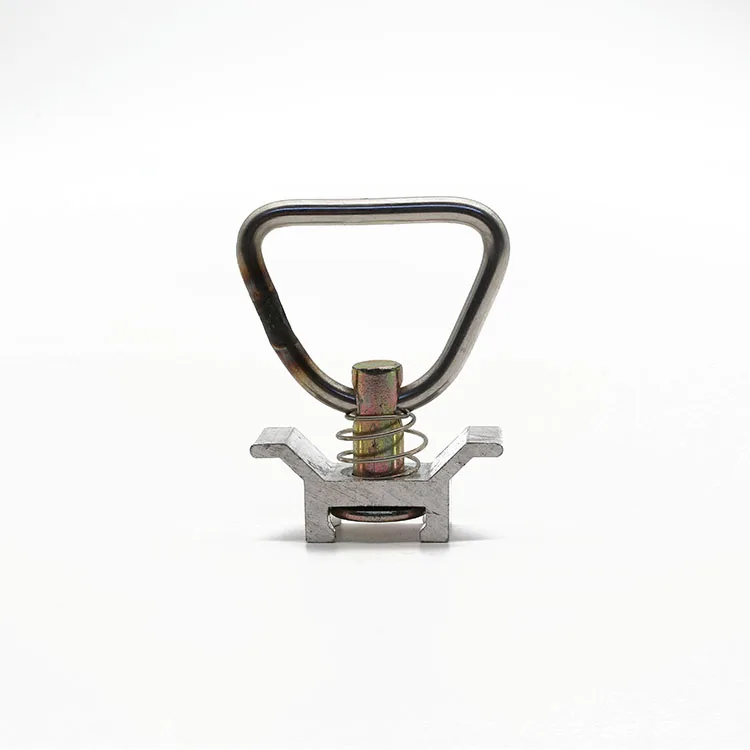
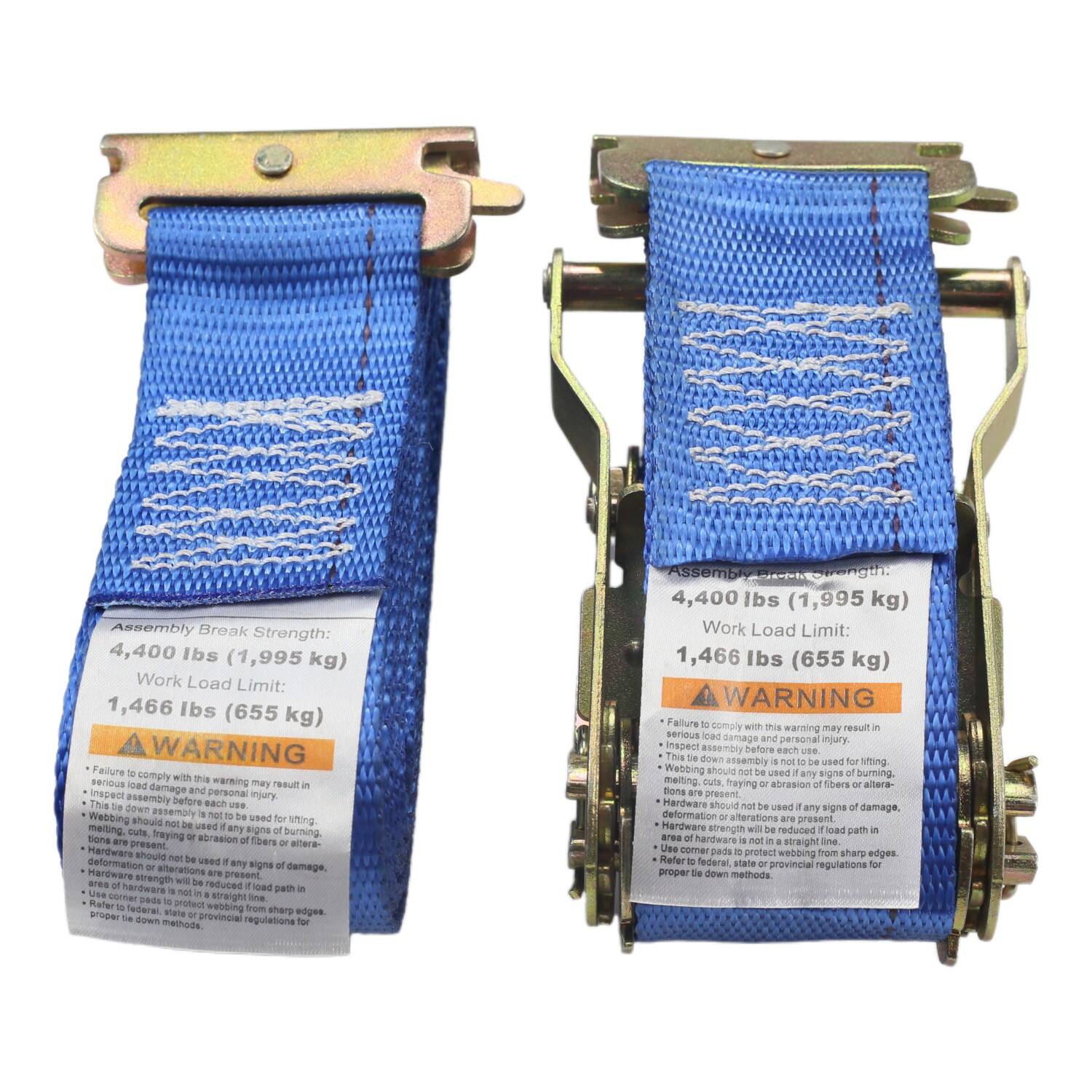
אבטחת המטע עברה התפתחות דרמטית בעשורים האחרונים, כשבעלי מקצוע בתחום ההובלה דורשים פתרונות מגוונים ואמינים יותר לשליטה במטע. בין התרומות החשובות ביותר בתחום זה נמנים מערכות מסלול-L, ששינו את הדרך בה מאבטחין מטעים ב סוגי כלי רכב שונים ובהגדרות מטע מגוונות. מערכות נקודות העיגון האופקיות הללו מספקות גמישות חסרת תקדים בניהול מטע, ומאפשרות לאנשי הפעולה להציב נקודות קשירה בדיוק במקום הנדרש, ולא להיות מוגבלים למיקומי עיגון קבועים. החשיבות האסטרטגית של מערכות מסלול-L משתרעת מעבר לאכיפת מטע בסיסי, וכוללת שיפור פרוטוקולי בטיחות, יעילות תפעולית ודרכי פעולה בהתאם לנORMATיבים בתעשייה בתחומים תחבורה מרובי.
עקרונות עיצוב בסיסיים של מערכות מסלול-L
הנדסת המבנה מאחורי הביצועים של מערכת מסלול-L
הבסיס ההנדסי של מערכות רכיבת L מתמקד בתצורת השינור האופקית המميינת שלה, אשר מפיצה כוחות עומס על פני שטחי עיגון מורחבים במקום לרכז מתח בנקודות עיגון בודדות. עיקרון העיצוב הזה מאפשר מאפייני הפצה של עומס טובים בהשוואה למערכות טבעת D או מערכות חורי עיגון מסורתיות. ה פרופיל בצורת L יוצר שטחים מגע מרובים שפועלים סינרגטית כדי לעמוד בכוחות אורך ורוחב הנוצרים במהלך ההובלה. דרישות הייצור כוללות לרוב בנייה מפלדה עמידה עם סובלנות ממדית מדויקת כדי להבטיח ביצועים עקביים תחת תנאים שונים של עומס.
בחירת החומר היא קריטית לביצועי מערכת L-Track, ורוב המערכות המדורגות מסחרית משתמשות בפלדה מוגנת על ידי גלוון או שיזוף של אבץ כדי לספק עמידות בתהום בסביבות פעילות קשות. הגאומטריה של הטרק כוללת תצורת חריצים מסוימת שנועדה לאפשר התקנה של סוגים שונים של מחברים תוך שמירה על שלמות מבנית תחת תנאים של עומסים דינמיים. מערכות L-Track מתקדמות נוטות לכלול שפתי חיבור מחוזקות ודפוסי איזוק מופצים שמשפרים את האמינות הכוללת של המערכת ומפחיתים את הסיכון לכשל קטסטרופלי במהלך סצנאות של עומס קיצוני.
יכולות אינטגרציה בין פלטפורמות רכב
מערכות לוח L מודרניות מציגות התאמה יוצאת דופן למערכות תחבורה שונות, החל ממשאיות מסחריות ומשאיות משא וכלה בציוד תחבורה מיוחד. שיקולי האינטגרציה כוללים הכנת משטח ההתקנה, مواصفות החיבורים וסבלנות מיון שמבטיחים ביצועי מערכת אופטימליים. האופי המודולרי של מערכות לוח L מאפשר התקנות מותאמות אישית המתאימות לתצורות רכב ספציפיות ולדרישות תפעוליות מסוימות. הגמישות בהתקנה מתרחבת גם לייצור רכבים חדשים וגם ליישומי שדרוג, ונותנת לחברות תחבורה אפשרויות לשדרוג נכסים קיימים בשוק.
היבטים ספציפיים לרכב בהרכנה כוללים ניתוח נתיב העומס, דרישות לחיזוק המבנה ודרישות של ריווח שנועד למנוע הפרעות במערכות הקיימות של הרכב. שיטות ההתקנה המקצועיות מדגישות תקנים מתאימים של מומנט, יישום חותמות ויישום הליכי בקרת איכות המבטיחים אמינות ארוכת טווח של המערכת. התאימות של מערכות L-טרייק עם ציוד ייעוד לניהול מטע, כגון רכבי עגור, עמדות טעינה ומערכות טיפול בחומרים, מעצמת ערך השימושי שלהן ביישומים של תחבורה מסחרית.
יכולות מיקום מטען משופרות
אפשרויות התאמה אינסופיות
היתרון העיקרי של מערכות L-טרייק הוא היכולת לספק כמעט אינספור אפשרויות מיקום של ציוד אמצעי אבטחת מטען לאורך הרציף. בניגוד למערכות נקודות עיגון קבועות שמגבילות מיקומי הקשירה לנקודות קובועות מראש, מערכות L-טרייק מאפשרו למפעילים למקם החיבורים בדיוק במיקום שמאפשר שליטה אופטימלית על העומס. גומלוות זו של גמישות במיקום הופך להיות ערך מוסף מיוחד בעת אבטחת מטענים בעלי צורות לא שגרות או מטענים מעורבים הדורשים תצורות אבטחה מותאמות. מנגנון הזיזה של הציוד האפשרי מאפשר התאמה מהירה ושינויי במיקום ללא צורך בכלים או מומחיות מיוחדת.
דיוק המיקום מתרחב מעבר להתאמה ליניארית פשוטה וכולל אופטימיזציה של זווית ושקלי של מטען שמקסימים את יעילות האמצע. מפעילים מנוסים יכולים לנצל את היכולת התיקון הרציפה של מערכות מסילה L ליצירת תבניות עיכוב מורכבות שפונות למאפיידי עומס מרובים בו-זמנית. יכולת זו מוכיחה יתרון מיוחד ביישומים הכוללים מטענים בעלי ערך גבוה, חומרים רגישים או מטענים הנ prone להזזה במהלך ההובלה. היכולת לכוונן بدقة את מיקומי נקודות עיגון תורמת בצורה ניכנת לאסטרטגיות אבטחת מטענים ולמניעת נזקים.
בקרת עומס מרובת כיוונות
מיקום מתקדם של מטענים עם מערכות מסילות L מאפשר אסטרטגיות בקרת עומס מרובות כיוונים deal מתמודת עם דינמיקות כוח מורכבות במהלך ההובלה. תצורת מסילה אופקית מאפשרת למשתמשים ליצור זוויות עיכוב שמבטיחות התנגדות אופטימלית לתנועה קדימה, לאחור וצידeways בו זמנית. היכולת הרב-כיוונית הופכת חיונית בעת אבטחת מטענים בעלי התפלגות משקל שונה או מאפיינים גאומטריים שדורשים גישות עיכוב מותאמות. טכניקות מקצועיות לאבטחת מטענים מדגישות את חשיבות יצירת מערכת עיכוב מאוזנת שמונעת הזזת מטען בכל כיוון.
ניתוח ווקטורים של העומס מהווה רכיב קריטי בשימוש אפקטיבי במערכת L-Track, ודורש מהמפעילים להבין כיצד זוויות אחזקות שונות משפיעות על יציבות המטען בכלל. הגמישות במקטע של מערכות L-Track מאפשרת יצירת גאומטריות אחזקות מותאמות tốiדיות שמקסימות שליטת המטען תוך מינימיזציה של ריכוז מתח ברכיבים בודדים. גישה אנליטית זו לאבטחת המטען תורמת לשיפור שולי הבטיחות וצמצום הסיכון לה INCIDENTS הקשורים למטען במהלך פעולות ההובלה.
יתרונות ביעילות תפעולית
הפחתת זמן בפעולות טעינה
יישום של מערכות מסלול L מקצר בצורה ניכרת את הזמן הנדרש להטענת מטענים ולביצוע פעולות אבטיחה בהשוואה למערכות נקודות עיגון קבועות מסורתיות. היכולת למקם במהירות את ציוד העיגון לאורך המסלול מונעת את הצורך במערכות קשירה מורכבות או בבחירת נקודות עיגון לא אופטימליות, שמאפיינות לעיתים קרובות שיטות אבטחת מטען קונבנציונליות. החיסכון בזמן מצטבר לאורך מחזורי הטענה מרובים, מה שמוביל לשיפורים מדידים ביעילות התפעול ולחיסכון בעלויות יד עבד. נהגים מקצועיים וצוותי הטענה מדווחים על צמצום משמעותי בזמן ההכנה כאשר נעשה שימוש במערכות מסלול L שמותקנו נכון.
שיפורים ביעילות אינם מוגבלים לפעולות טעינה ראשוניות בלבד, אלא כוללים גם הליכי התאמת מטענים שעלולים להתעורר כדרש במהלך תחבורה ארוכה. היכולת של רכיבי ה- L-track הזזים לאפשר התאמת מהירה של אמצעי העצירה ללא צורך בהפרדה מלאה של המערכת, ומאפשרת תגובה מהירה לשינויים במצב הטעינה. גמישות תפעולית זו הופכת להיות ערך מוסף מיוחד בתרחורים של מטענים מעורבים, שבהם עדיפויות מטען או סדר יעד עלולים להידרש להתאמה במהלך הנסיעה. החיסכון המצטבר בזמן, הנוצר באמצעות יישום של מערכת ה-L-track, תורם בצורה משמעותית לייצוריות כללית של התחבורה ולחוזק שירות ללקוח.
דרישות חומרה מופחתות
מערכות מסילות-L מאפשרות הפחתה משמעותית בכמות ובסוגי ציוד אמצעי המטען הנדרש למגוון סצנות טעינה. התאימות האוניברסלית של רכיבי הרכבה על מסילות משמטת את הצורך בציוד נקודת עיגון מיוחדizado אשר עשוי להיות נדרש לconfigurations מסוימות של מטען. סטנדרטיזציה זו מפשטת ניהול המלאי, מקטינה עלויות רכישות ומפחיתה את הסבירות לחוסר בציוד במהלך פעולות טעינה קריטיות. מנהלי צי מדווחים על חיסכון משמעותי עלותים באמצעות השקעה מופחתת בציוד ותהליכים מושבים של תחזוקה הקשורים למערכות מסילות-L.
הא стандרטי של חומרה תורם גם לשיפור יעילות האימון וצמצום שיעורי שגיאות של המפעילים, מכיוון שהצוות מתרגל למבני ציוד ויתורים תפעול קבועים. הגמישות של מערכות L-track מאפשרת קיטים סטנדרטיים של חומרה שיכולים לעמוד במגוון רחב של סצנרי טעינה מבלי להזדקק לרכיבים מיוחדים. גישה זו ליצירת תקנים של ציוד תומכת בעקרונות תפעול חסכוניים ותורמת ליעילות בניהול צי כולל בתחומים שונים של תחבורה.
שיפורי ביטחון באמצעות חדשנות בעיצוב
מאפייני התפלגות עומס
היתרונות הבטיחותיים המובנים של מערכות מסלול L נובעים מתכונות הפצה עולות של העומס בהשוואה למערכות עוגנים בעלי עומס נקודתי. העיצוב של המסלול הרציף מפיץ את כוחות העצירה על פני שטחי הרכיה ארוכים יותר, מקטין את ריכוזי מתח שעלולים להוביל לכשל של המערכת. גישה זו של הפצת העומס מגבירה את האמינות הכוללת של המערכת ומספקת שוליים בטיחותיים משופרים בתנאי עומס קיצוניים. ניתוח הנדסי מראה שמערכות מסלול L מציגות עמידות עלייה לuszמה וחיים שירותיים ארוכים יותר בהשוואה לתצורות מסורתיות של נקודות עיגון.
יתרונות הפצה של המטען חלים גם על המטען עצמו, כיוון שגמישות במיקום של מערכות L-track מאפשרת תצורות עיגון שממזינות את ריכוזי הלחץ על פני השטח של המטען. מאפיין זה חשוב במיוחד בעת עיגון חומרים רגישים או בעלי ערך גבוה שעלולים להיפגע מכוחות עיגון מוגברים. היכולת למטב את מיקום העיגון תורמת הן להגנה על המטען והן לבטיחות הכוללת בתקופת ההובלה, על ידי הפחתת הסיכון ל/incidents נזקים במהלך פעולות ההובלה.
יכולות תגובה למקרי חירום
מערכות L-track מספקות יכולות תגובה מהירה לשעת חירום באמצעות התאמת חומרה מהירה ואפשרויות שינוי מיקום שעשויות להיות הכרחיות במצבים בלתי צפויים. מנגנון החומרה المنزلת מאפשר שינויי מגבילים במהירות מבלי צורך בהרכבת המערכת מחדש, ומאפשר תגובה מהירה למשקולות משתנות או לתנאי תחבורה משתנים. הליכי חירום נהנים מפעולתם האינטואיטיבית של מערכות L-track, שניתן להפעילן ביעילות על ידי צוות עם רמות מיומנות טכנית שונות. פשטות המבצע הזו תורמת לשיפור תוצאות הבטיחות במהלך מצבים של חירום ובמאמץ גבוה.
פרוטוקולי היערכות למשבר עבור מערכות L-track מדגישים את חשיבותו של שימור מלאי חומרה מספיק וazk אימון נאות לכל הצוות האופרטיבי. עיצוב הממשק הסטנדרטי של מערכות L-track מפשט את הליכי התגובה למצבי חירום ומצמצם את הסבירות לשגיאת אופרטור במצבים קריטיים. ארגוני תחבורה מקצועיים כוללים את יכולות מערכת L-track בתוכניות ההתכנון לאירועי חירום ובתוכניות האימון שלהם, על מנת למקסם את היתרונות הבטחוניים בתרחישים אופרטיביים מגוונים.
יישומים ותועלות לפי תחומי תעשייה
قطاع התחבורה המסחרית
תעשיית התחבורה המסחרית אימצה את מערכות L-track כמרכיבים חיוניים באסטרטגיות ניהול מטעים מודרניות, במיוחד ביישומים הכוללים תצורות מטען שונות ושינויי מטען תכופים. פעולות משאקי ארוכי מסלול נהנות בצורה משמעותית מהגמישות במיקום והיעילות התפעולית שמערכות L-track מספקות, במיוחד כשמדובר בהובלת מטעים מעורבים או משלוחים הנושאים דחיפות זمانית. היכולת למקסם את תצורת האילוצים לפי מאפייני המטען הספציפיים תורמת להפחתת טענות נזק ולביטחון לקוחות גבוה יותר בפעילות התחבורה המסחרית.
בעלי שדות מדווחים על שיפורים מדידים בפרודוקטיביות של הנהגים satisfaction במשימתם כשנושאות ציוד מותקן במערכות L-טרייק. הפחתת המאמץ הפיזי הנדרש להבטחת מטענים תורמת לשיפור שיעור השמירה על הנהגים ופחתת בפיצויים לעובדים הנושאות לנזקי נושאות לחץ חוזרות. יישומי תחבורה מיוחדים של מערכות L-טרייק מתרחבים על פני מספר קטגוריות של נושאות, כולל נושאות יבשות, נושאות מקררים, נושאות שטוחות, וציוד תחבורה מיוחד שפותח למטענים ספציפיים.
יישומי תחבורה מיוחדים
יישומי תחבורה מיוחדים, כולל העברת מכונות כבדות, תחבורה של תערורים והובלת מטענים בעלי ערך גבוה, תלויים ביכולות מיקום מתקדמות שמספקות מערכות מסלול L. יישומים אלו לעתים קרובות כוללים תצורות מטען ייחודיות הדורשות גישות מותאמות אישית לאיתור שלא ניתן להשיג באמצעות מערכות נקודת עיגון מסורתיות. היכולת אינסופית של מערכות מסלול L למקם נקודות עיגון מאפשרת למקצועיות תחבורה לפתח אסטרטגיות איתור אופטימליות גם בתצורות מטען הקשות ביותר. יישומים מיוחדים לעתים קרובות דורשים שוליים מוגברים של ביטחון ומערכות איתור כפולות, שמנצחות מתכונות העומס המופצים של מערכות מסלול L.
בעלי מקצוע בתחום תחבורה מיוחדת מדגישים את חשיבותם של תוכניות הדרכה ורישוי מקיפות למערכות L-track שמטרתן להבטיח שימוש נכון ביכולות המיקום המתקדמות. מורכבות יישומי התחבורה המיוחדת מחייבת הבנה מעמיקה של דינמיקת העומס, הנדסת מגבילים ודרכי התאמה לדרישות רגולטוריות המשפיעות על יישום מערכות L-track. תוכניות הדרכה לפי ענף פונות לדרישות אלו תוך דגש על פרוטוקולי בטיחות ועקרונות פעולה מיטביים שמאפשרים למקסם את היתרונות של מערכות L-track בסביבות פעילות קשות.
שאלות נפוצות
אילו דרישות תחזוקה קיימות בקשר למערכות L-track
מערכות L-Track דורשות בדיקה תקופתית של משטחי המסילה wearing, נזק או הצטברות חומרים זרים שיכולים להפריע לפעולת הציוד. ניקוי חודשי באמצעות ממסים מתאימים מסיר שפשוף וمواد גורמי קורוזיה, ובבדיקות שנתיות יש לכלול אימות טורק של מחברים והערכת שלמות המבנית. שימון רכיבי ציוד החלקה מבטיח פעילות חלקה ומארכת את חיי הרכיבים, במיוחד ביישומים של שימוש כבד. לוחות זמנים מקצועיים לאחזקה כוללים בדרך כלל בדיקות מקיפות מדי שלושה חודשים הכוללות בדיקות עומס ונהלי דיווח הנדרשים לצורך התאמה לדרישות רגולטוריות.
איך עלות מערכות L-Track משתווה לעומת מערכות נקודות עיגון מסורתיות
עמלות התקנה ראשוניות עבור מערכות L-track עולות בדרך כלל על מערכות נקודת עיגון מסורתיות עקב רכיבי השילוב הרציפים וציוד ההתקנה המותאם שנדרשים. עם זאת, ניתוח עלות בעלות כוללת מראה חיסכון משמעותי בזכות דרישות מלאי ציוד מופחתות, שיפור יעילות תפעולית וחיים שירותיים ארוכים יותר של המערכת. מפעילי צי דיווחו על תקופות החזר על השקעה (Payback) של 12–18 חודשים להתקנות מקיפות של מערכת L-track, עם חסכונות מתמשכים הודות לעלות עבודה מופחתת ובטיחות מטענים משופרת. יתרונות העלות לטווח הארוך כוללים דרישות תחזוקה מופחתות וערך מכירה חוזר מוגבר לרכב שמצויד במערכות L-track ברמה מקצועית.
איזו הכשרה נדרשת ל Mitarיכים שמפעילים מערכות L-track
לפעולת מערכת L-טרייק אפקטיבית נדרשת הדרכה מקיפה שכוללה עקרונות חישוב העומס, תאימות חומרה ודרכי עמידה בדרישות תקנות. תוכניות הדרכה מקצועיות כוללות הדרכה מעשית על מיקום חומרה, אופטימיזציה של זווית האמצעה, ונהלים להיענות למשברים שמיוחדים למערכות L-טרייק. תוכניות אישור מכסות את ההכישורים הבסיסיים ואת עקרונות ההנדסת עומס מתקדמת, כדי למקסום את יעילות המערכת. דרישות הדרכה מתמשכת כוללות עדכונים על שינויים בתקנות, פיתוחי חומרה חדשים ותרתי-טובים של תעשייה שמשפיעים על השימוש במערכות L-טרייק ביישומים של תחבורה מסחרית.
האם מערכות L-טרייק תואמות לציוד טיפול במטענים קיים
מערכות עכשוויות של מסילות-L מפגינות תואמות מצוינת עם ציוד תקן לטיפול בסחורה, כולל רמות, דליקים ומערכות טעינה אוטומטיות. שיקולי מיקום והרכבת המסילות מבטיחים רווח מספיק לציוד טיפול בחומרים, תוך שמירה על יכולת עיכוב אופטימלית. התאימות מתרחבת גם לדרישות ממשק עם מערכות דוקים, ציוד מחסן וכלים מיוחדים לטיפול בסחורה, הנמצאים בשימוש נפוץ בפעולות תחבורה מסחרית. שיטות התקנה מקצועיות מטפלות בדרישות תאימות במהלך עיצוב ותפעול המערכת, כדי להבטיח אינטגרציה חלקה עם הציוד והנהלים הקיימים.