 EN
EN


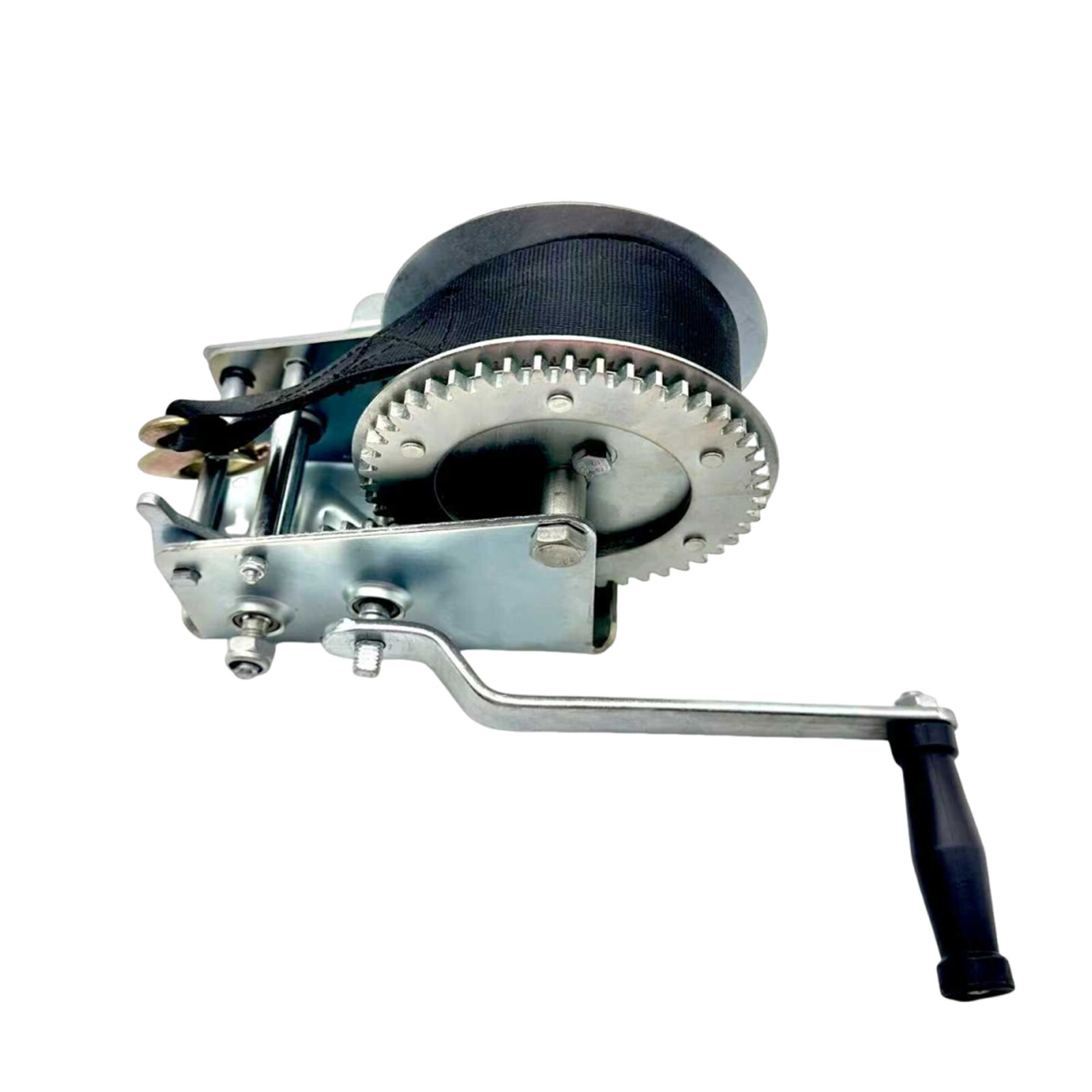
Manual lifting operations across various industries require dependable equipment that delivers consistent performance without relying on power sources. Hand winches have emerged as essential tools for countless applications, from marine environments to construction sites, offering operators precise control over heavy loads through mechanical advantage. These versatile devices transform human effort into substantial lifting and pulling power, making them indispensable for tasks where electrical or hydraulic systems are impractical or unavailable.
Mechanical Engineering Behind Hand Winch Operations
Gear Reduction Systems and Force Multiplication
The fundamental principle governing hand winches centers on mechanical advantage through sophisticated gear reduction systems. These systems typically employ multiple gear stages that progressively reduce rotational speed while increasing torque output. When operators turn the handle, the initial rotation passes through a series of increasingly larger gear ratios, multiplying the applied force exponentially. This engineering approach allows a single person to lift loads weighing several tons using only manual effort.
Modern hand winches incorporate precision-machined gears manufactured from hardened steel alloys to withstand extreme loading conditions. The gear teeth are designed with specific profiles that optimize load distribution and minimize wear during operation. Advanced models feature sealed gear housings that protect internal components from environmental contamination while maintaining smooth operation across temperature extremes. This robust construction ensures reliable performance even in harsh industrial environments.
Wire Rope and Chain Integration Systems
The load-bearing capacity of hand winches depends heavily on the integration between the mechanical components and the lifting medium, whether wire rope or chain. Wire rope systems offer flexibility and smooth operation, particularly suitable for applications requiring precise positioning or frequent direction changes. The rope drum design incorporates helical grooves that guide the wire rope during winding, preventing overlapping and ensuring even load distribution across the drum surface.
Chain-driven hand winches provide superior durability for heavy-duty applications where abrasion resistance is paramount. The load chain engages with specially designed sprockets that maintain positive engagement throughout the lifting cycle. This mechanical connection eliminates slippage concerns common with rope systems, making chain hand winches ideal for critical lifting operations where load security is non-negotiable.
Industrial Applications and Load Management
Construction and Infrastructure Development
Construction sites rely extensively on hand winches for material positioning, structural component alignment, and temporary lifting operations. These devices excel in situations where crane access is limited or where precise incremental movements are required. Bridge construction projects frequently employ hand winches for tensioning cables and positioning precast elements with millimeter accuracy. The portability of hand winches allows construction crews to quickly relocate lifting capabilities as project requirements evolve.
Infrastructure maintenance operations utilize hand winches for equipment removal, pipe installation, and utility line tensioning. Municipal water systems depend on these devices for valve actuator positioning and pipeline alignment during repair operations. The ability to operate hand winches in confined spaces makes them invaluable for underground utility work where larger equipment cannot access work areas.
Marine and Maritime Operations
Maritime environments present unique challenges that make hand winches particularly valuable for boat launching, anchor handling, and cargo management. Marine-grade hand winches feature corrosion-resistant coatings and seals designed to withstand saltwater exposure and extreme weather conditions. Commercial fishing vessels rely on these devices for net deployment and retrieval, where consistent operation in harsh conditions is essential for operational success.
Harbor operations utilize hand winches for dock maintenance, mooring line tensioning, and small craft positioning. The independence from electrical power sources makes these devices ideal for remote marine installations where power infrastructure is limited or unreliable. Offshore platforms depend on manual winching systems for emergency operations and backup lifting capabilities.
Safety Mechanisms and Operational Controls
Load Limiting and Brake Systems
Contemporary hand winches incorporate multiple safety features designed to prevent overloading and ensure controlled load handling. Automatic load-limiting mechanisms engage when applied forces exceed safe working limits, protecting both equipment and operators from dangerous failure modes. These systems typically employ calibrated springs or friction clutches that slip before critical stress levels are reached, providing immediate feedback to operators about approaching capacity limits.
Brake systems in hand winches serve dual purposes: maintaining load position during operation pauses and providing emergency stopping capability. Ratchet-style brakes engage automatically when handle rotation stops, locking the load in position without requiring continuous operator effort. Advanced models feature dual-brake configurations that provide redundant load holding capacity, essential for critical applications where load dropping could result in personnel injury or equipment damage.
Ergonomic Design and Operator Interface
Modern hand winches prioritize operator comfort and efficiency through carefully designed handle systems and control interfaces. Extended handles provide increased leverage while reducing required operator effort, making prolonged operation more comfortable and reducing fatigue-related errors. Some models feature telescoping handles that adjust to accommodate different operator heights and working positions, optimizing ergonomic efficiency across diverse applications.
Control interfaces on advanced hand winches include position indicators, load meters, and operational status displays that help operators monitor lifting progress and system conditions. These features enhance safety by providing real-time feedback about load position and system status, enabling operators to make informed decisions during critical lifting operations.
Maintenance Requirements and Longevity Factors
Preventive Maintenance Protocols
Regular maintenance protocols for hand winches focus on lubrication, inspection, and component replacement schedules that maximize operational lifespan while maintaining safety standards. Gear housing lubrication requires specific grades of grease or oil that maintain viscosity across operating temperature ranges while providing adequate protection against wear and corrosion. Inspection schedules typically include visual examination of wire rope or chain condition, gear tooth wear patterns, and brake system functionality.
Component replacement schedules vary based on application intensity and environmental conditions, but typically focus on wear items such as brake pads, seals, and load-bearing surfaces. Hand winches operating in marine environments require more frequent maintenance due to accelerated corrosion from salt exposure, while indoor applications may extend maintenance intervals significantly.
Performance Monitoring and Lifecycle Management
Effective lifecycle management for hand winches involves systematic performance monitoring that tracks operational parameters and identifies declining performance trends before failures occur. Load testing procedures verify that lifting capacity remains within specified limits, while operational smoothness assessments identify developing mechanical issues that could compromise safety or efficiency.
Documentation systems track maintenance activities, replacement part installations, and performance test results to establish baseline performance metrics and identify optimization opportunities. This data-driven approach enables organizations to refine maintenance schedules and predict replacement needs, minimizing operational disruptions while maximizing equipment utilization.
Selection Criteria and Specification Considerations
Load Capacity and Duty Cycle Requirements
Selecting appropriate hand winches requires careful analysis of maximum load requirements, duty cycle expectations, and operational environment characteristics. Load capacity specifications must account for dynamic loading conditions, safety factors, and potential overload scenarios that could occur during normal operations. Duty cycle considerations include frequency of use, duration of lifting cycles, and rest periods between operations that affect heat buildup and component wear rates.
Environmental factors significantly influence hand winch selection, particularly regarding corrosion resistance, temperature tolerance, and contamination protection requirements. Marine applications demand specialized coatings and seal systems, while industrial environments may require explosion-proof designs or chemical resistance capabilities.
Integration with Existing Equipment Systems
Successful hand winch implementation often requires integration with existing rigging systems, mounting structures, and operational procedures. Mounting configuration options include fixed installations, portable setups, and vehicle-mounted systems that provide flexibility for diverse operational requirements. Connection interfaces must accommodate standard rigging hardware while providing secure attachment points that maintain load capacity under all operating conditions.
Operational integration involves training programs that ensure operators understand proper usage techniques, safety protocols, and maintenance requirements specific to hand winches. Documentation systems must track equipment assignments, maintenance schedules, and performance records to support regulatory compliance and operational efficiency objectives.
FAQ
What is the typical load capacity range for industrial hand winches
Industrial hand winches typically range from 500 pounds for light-duty models up to 20,000 pounds for heavy-duty units. The most common commercial models handle loads between 1,000 and 5,000 pounds, suitable for most construction and marine applications. Load capacity depends on gear ratio design, cable or chain specifications, and mounting configuration strength.
How do environmental conditions affect hand winch performance and selection
Environmental conditions significantly impact hand winch performance through temperature effects on lubrication, corrosion from moisture or chemicals, and contamination that affects mechanical operation. Marine environments require stainless steel construction or specialized coatings, while extreme temperatures may necessitate synthetic lubricants and sealed gear housings to maintain operational reliability.
What maintenance intervals are recommended for hand winches in regular use
Regular use hand winches should undergo visual inspection before each use, with comprehensive maintenance performed monthly including lubrication, brake adjustment, and cable inspection. Annual maintenance should include complete disassembly, gear inspection, and load testing to verify continued safe operation. High-use applications may require more frequent maintenance intervals based on operational intensity.
Can hand winches be safely used for overhead lifting applications
Hand winches can be used for overhead lifting when properly rated and installed according to manufacturer specifications and local safety regulations. Overhead applications require additional safety factors, redundant brake systems, and regular inspection schedules due to increased risk from potential load drops. Professional engineering review is recommended for critical overhead lifting installations to ensure adequate safety margins.