 EN
EN


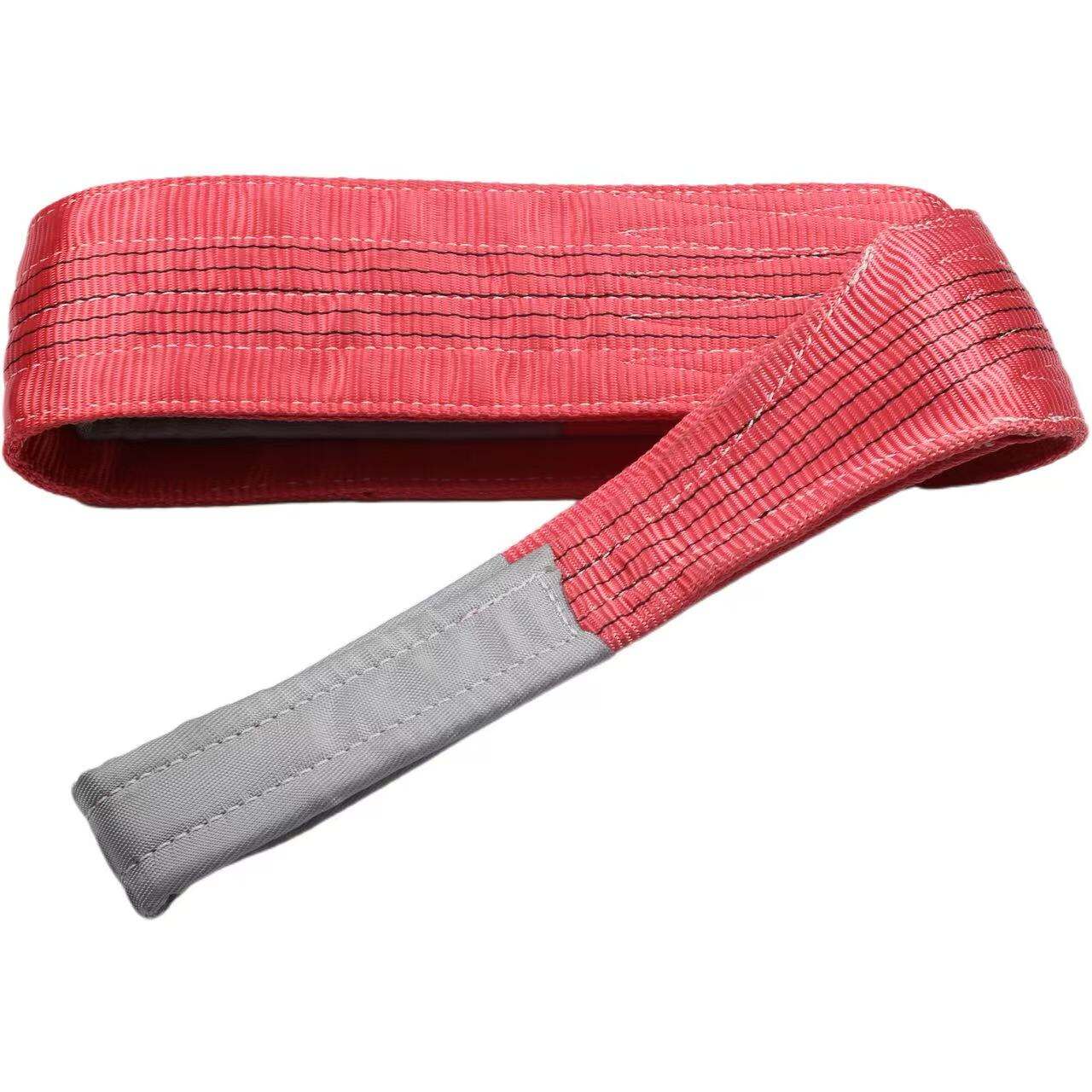
In the demanding world of industrial lifting and rigging, professionals constantly seek equipment that combines reliability, versatility, and safety. Flat slings have emerged as one of the most trusted lifting solutions across diverse industries, from construction sites to manufacturing facilities. These synthetic lifting devices offer exceptional performance characteristics that make them indispensable for material handling operations of all scales.
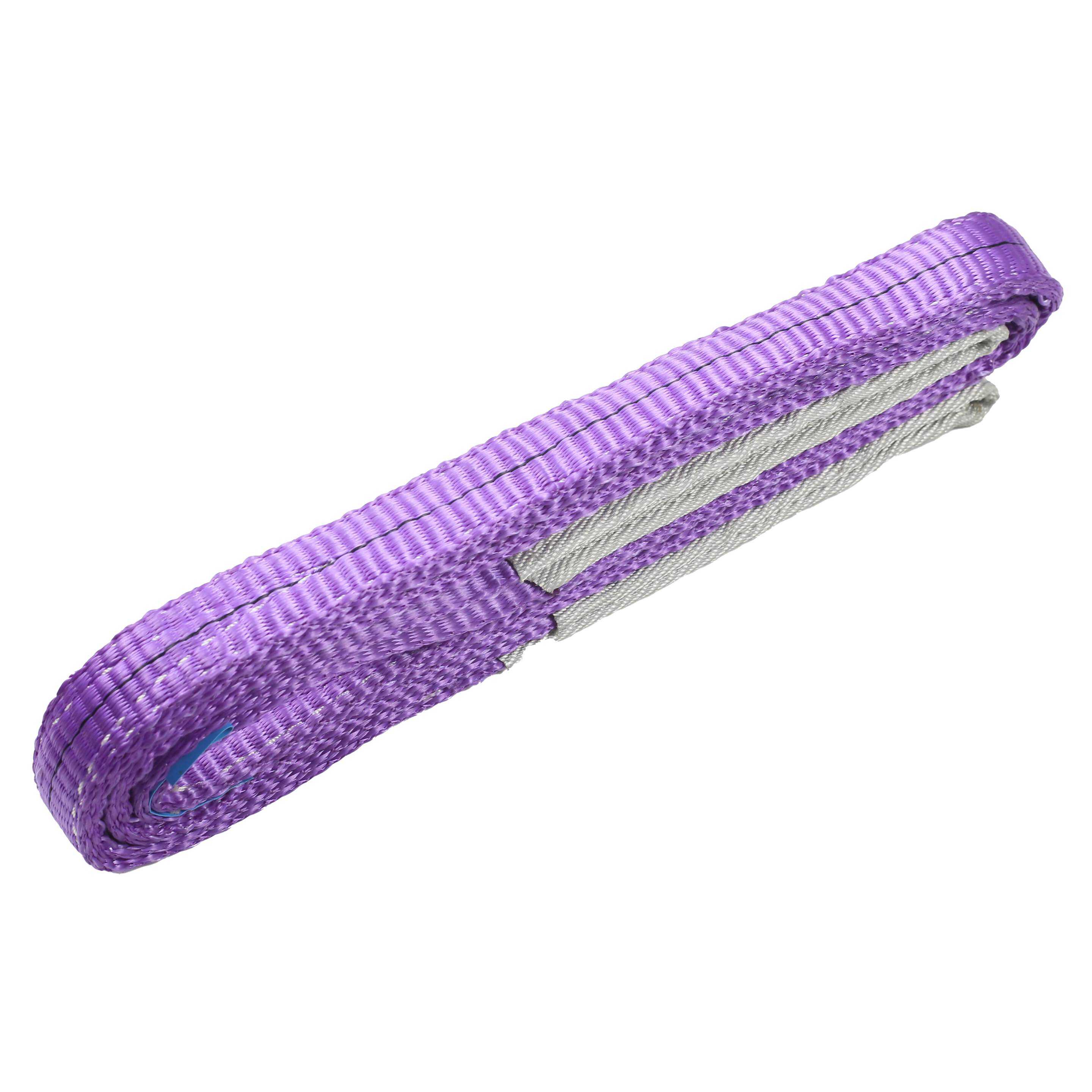
The popularity of flat slings stems from their unique construction and design philosophy. Unlike traditional wire rope slings or chain slings, these synthetic alternatives provide a gentler approach to lifting while maintaining exceptional strength ratings. Their flat, webbing-style construction distributes loads more evenly across contact surfaces, reducing stress concentration points and minimizing the risk of damage to lifted objects.
Construction and Material Properties
High-Strength Synthetic Materials
The foundation of flat slings lies in their advanced material composition. Most quality flat slings utilize high-tenacity polyester yarns that have been specifically engineered for lifting applications. These synthetic fibers offer remarkable tensile strength while maintaining flexibility and resistance to environmental factors. The polyester construction provides excellent resistance to UV radiation, moisture, and most industrial chemicals, ensuring long-term reliability in challenging work environments.
Manufacturing processes for flat slings involve precise weaving techniques that create a uniform load distribution across the entire width of the sling. This construction method eliminates weak points that might be present in other lifting solutions, creating a more predictable and reliable lifting tool. The synthetic nature of flat slings also means they are significantly lighter than equivalent steel alternatives, reducing worker fatigue and improving handling efficiency.
Protective Sleeve Technology
Advanced flat slings incorporate protective sleeve systems that shield the load-bearing core from abrasion, cuts, and environmental damage. These sleeves are typically constructed from durable polyester fabric that provides an additional layer of protection while maintaining the flexibility that makes flat slings so versatile. The sleeve design also allows for easy inspection of the underlying load-bearing elements, facilitating proper maintenance and safety compliance.
Color-coding systems integrated into the sleeve design provide immediate visual identification of working load limits and inspection schedules. This feature enhances workplace safety by ensuring that operators can quickly verify they are using the appropriate flat slings for their specific lifting requirements. The protective sleeves also contribute to the professional appearance of flat slings, making them suitable for use in customer-facing environments.
Load Distribution Advantages
Even Pressure Distribution
One of the most significant advantages of flat slings is their ability to distribute lifting forces evenly across the contact surface. The wide, flat profile of these slings creates a larger contact area compared to wire rope or chain alternatives, significantly reducing point loading on lifted objects. This characteristic is particularly valuable when handling delicate or expensive equipment that could be damaged by concentrated pressure points.
The even pressure distribution provided by flat slings extends beyond simple surface protection. It also contributes to more stable lifting operations by reducing the tendency for loads to shift or rotate during lifting operations. This stability is crucial for maintaining safe lifting practices and ensuring that loads remain properly positioned throughout the lifting cycle. Professional riggers appreciate how flat slings help maintain load control in challenging lifting scenarios.
Reduced Surface Damage
The soft, flexible nature of flat slings makes them ideal for lifting finished products, painted surfaces, or precision equipment where surface integrity is paramount. Unlike wire rope slings that can scratch or dent surfaces, flat slings conform to the shape of the lifted object while providing secure gripping action. This conformability allows flat slings to work effectively with irregularly shaped objects that might be difficult to lift safely with rigid lifting devices.
Industries such as aerospace, automotive manufacturing, and precision machinery rely heavily on flat slings to protect their valuable products during handling operations. The ability to lift sensitive equipment without causing surface damage translates directly into cost savings by eliminating the need for repair work or refinishing operations. This protection capability makes flat slings an essential tool for quality-conscious organizations.
Versatility Across Industries
Construction and Heavy Industry Applications
Construction sites present diverse lifting challenges that require adaptable solutions, and flat slings excel in these demanding environments. Their resistance to environmental factors such as moisture, temperature variations, and exposure to construction chemicals makes them reliable tools for outdoor applications. Construction crews appreciate the lightweight nature of flat slings, which reduces transportation and setup time compared to heavier alternatives.
Heavy industry applications benefit from the high strength-to-weight ratio that flat slings provide. Manufacturing facilities use these lifting tools for everything from moving raw materials to positioning finished products on assembly lines. The flexibility of flat slings allows them to work effectively in confined spaces where rigid lifting equipment might be impractical or unsafe to deploy.
Marine and Offshore Operations
The marine environment presents unique challenges for lifting equipment, including exposure to saltwater, extreme weather conditions, and the need for lightweight yet strong lifting solutions. Flat slings have proven exceptionally well-suited to marine applications due to their corrosion resistance and ability to maintain strength characteristics even when exposed to harsh maritime conditions.
Offshore operations benefit from the quick-drying properties of synthetic flat slings, which prevent the accumulation of moisture that could lead to degradation over time. The flexibility of flat slings also makes them easier to store and transport on vessels where space is at a premium. Many marine operations have standardized on flat slings for their lifting requirements due to these practical advantages.
Safety Features and Compliance
Built-in Safety Factors
Professional-grade flat slings incorporate substantial safety factors that exceed minimum regulatory requirements. Typical safety factors range from 5:1 to 7:1, meaning that the breaking strength of the sling is five to seven times its rated working load limit. This generous safety margin provides peace of mind for operators and helps ensure safe operations even in demanding applications.
The design of flat slings includes features that help prevent overloading and misuse. Clear marking systems indicate working load limits for different lifting configurations, helping operators select the appropriate sling capacity for their specific needs. Many flat slings also include warning indicators that become visible if the sling has been subjected to overload conditions, alerting users to potential safety concerns.
Inspection and Maintenance Requirements
Regulatory compliance for flat slings requires regular inspection and documentation of their condition. The design of quality flat slings facilitates these inspection requirements by providing clear visibility of critical wear points and potential damage areas. Inspection procedures for flat slings are typically less complex than those required for wire rope slings, reducing maintenance overhead while maintaining safety standards.
Proper maintenance of flat slings involves regular cleaning to remove contaminants that could accelerate wear, along with systematic inspection for cuts, abrasion, or other damage that might compromise their integrity. The synthetic construction of flat slings makes them resistant to many forms of degradation that affect metal alternatives, often resulting in longer service life when properly maintained.
Economic Considerations
Initial Investment and Long-term Value
While the initial cost of high-quality flat slings may be higher than basic alternatives, their long-term value proposition is compelling. The extended service life, reduced maintenance requirements, and superior performance characteristics of professional-grade flat slings often result in lower total cost of ownership compared to less expensive options.
Organizations that invest in quality flat slings typically experience fewer equipment failures, reduced downtime, and lower replacement costs over time. The reliability of these lifting tools contributes to improved operational efficiency and helps prevent costly accidents or equipment damage that could result from inferior lifting equipment.
Productivity and Efficiency Benefits
The lightweight nature and ease of handling associated with flat slings contribute significantly to workplace productivity. Workers can deploy and position flat slings more quickly than heavier alternatives, reducing setup time for lifting operations. The flexibility of flat slings also allows for easier rigging in tight spaces, improving operational efficiency in challenging work environments.
Many organizations report improved worker satisfaction and reduced fatigue when transitioning from traditional lifting equipment to flat slings. The ergonomic advantages of these synthetic lifting tools translate into measurable improvements in productivity and worker well-being, contributing to the overall business case for their adoption.
Selection Criteria and Best Practices
Capacity and Configuration Options
Selecting appropriate flat slings requires careful consideration of load requirements, lifting configuration, and environmental conditions. Available capacity ratings for flat slings range from light-duty applications requiring only a few hundred pounds of lifting capacity to heavy-duty industrial applications requiring tens of thousands of pounds of capacity. Understanding the relationship between sling configuration and capacity is crucial for safe and effective use.
Different lifting configurations, such as vertical lifts, choker hitches, and basket hitches, affect the working load limit of flat slings. Professional rigging applications require operators to understand these capacity variations and select slings accordingly. Quality flat slings include comprehensive capacity charts that specify safe working loads for various lifting configurations, helping ensure proper selection and use.
Environmental Compatibility
Environmental factors play a crucial role in flat sling selection and performance. Temperature extremes, chemical exposure, and UV radiation can all affect the performance and longevity of synthetic lifting slings. High-quality flat slings are designed to maintain their performance characteristics across wide temperature ranges and resist degradation from common industrial chemicals.
Understanding the specific environmental challenges in your application helps ensure optimal flat sling performance. Some applications may require specialized slings with enhanced chemical resistance or temperature tolerance, while others may benefit from standard configurations that provide excellent general-purpose performance. Consulting with lifting equipment specialists helps ensure proper selection for specific operational requirements.
Future Developments and Innovation
Advanced Material Technologies
Ongoing research and development in synthetic fiber technology continues to improve the performance capabilities of flat slings. New fiber formulations offer enhanced strength characteristics, improved environmental resistance, and extended service life compared to earlier generations of synthetic lifting equipment. These advances help flat slings maintain their position as preferred lifting solutions across diverse industries.
Nanotechnology applications in synthetic fiber production are beginning to influence flat sling design, offering possibilities for self-monitoring capabilities and enhanced damage detection. These emerging technologies may eventually provide real-time feedback on sling condition and loading history, further improving safety and reliability in critical lifting applications.
Integration with Smart Systems
The integration of flat slings with smart lifting systems and load monitoring equipment represents an emerging trend in industrial lifting operations. RFID tags and embedded sensors can provide detailed information about sling usage history, load cycles, and maintenance requirements, supporting more effective fleet management and safety compliance.
Digital tracking systems for flat slings help organizations maintain comprehensive records of inspection schedules, load history, and service intervals. This digital integration supports proactive maintenance strategies and helps ensure optimal performance throughout the service life of lifting equipment. The combination of traditional flat sling reliability with modern monitoring technology offers significant advantages for safety-conscious organizations.
FAQ
What is the typical service life of quality flat slings
The service life of flat slings depends on usage frequency, load conditions, and maintenance practices, but quality slings typically provide several years of reliable service when properly maintained. Regular inspection and adherence to manufacturer guidelines help maximize service life while ensuring safe operation throughout their useful life.
How do flat slings compare to wire rope slings in terms of performance
Flat slings offer several advantages over wire rope slings, including lighter weight, better surface protection, and resistance to corrosion. While wire rope slings may be preferred for some high-temperature applications, flat slings provide superior versatility and ease of handling for most lifting operations.
What inspection procedures are required for flat slings
Flat slings require regular visual inspection before each use and periodic detailed inspections by qualified personnel. Inspection procedures focus on identifying cuts, abrasion, chemical damage, or other conditions that might compromise sling integrity. Documentation of inspection results is typically required for regulatory compliance.
Can flat slings be repaired if damaged
Damaged flat slings should be removed from service immediately and cannot be field-repaired. Unlike some lifting equipment that can be serviced, the synthetic construction of flat slings requires replacement when damage is detected. This approach ensures that lifting operations maintain the highest safety standards.