 EN
EN

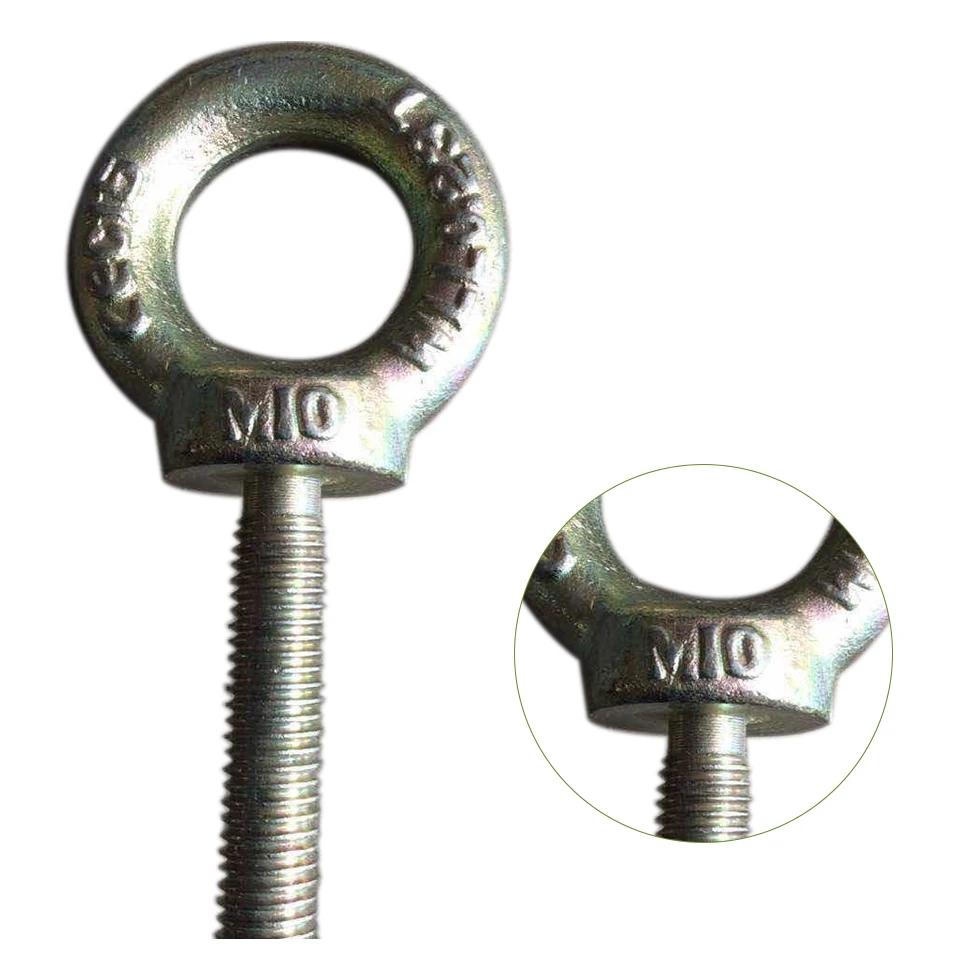
Industrial operations rely heavily on specialized lifting hardware to maintain workplace safety and operational efficiency. These critical components serve as the foundation for secure material handling across construction sites, manufacturing facilities, and warehouses worldwide. Understanding how lifting hardware enhances safety protocols can significantly reduce workplace accidents and improve overall productivity in demanding environments.
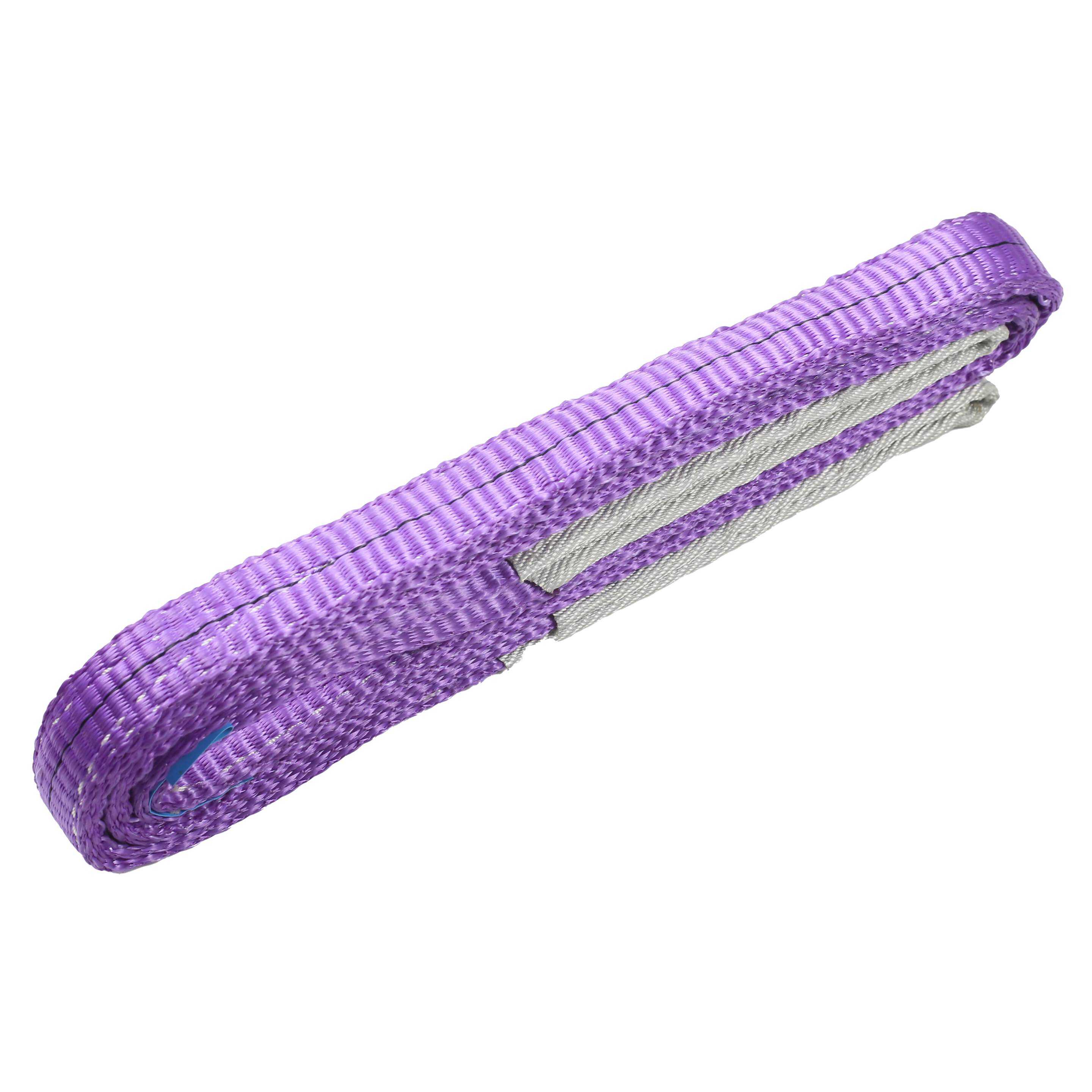
Essential Safety Features of Modern Lifting Hardware
Load Distribution and Weight Management
Professional lifting hardware incorporates advanced engineering principles to distribute loads evenly across multiple contact points. This strategic weight distribution prevents concentrated stress that could lead to component failure or structural damage. Modern lifting hardware systems utilize high-grade materials and precise manufacturing tolerances to ensure consistent performance under varying load conditions.
The integration of safety factors into lifting hardware design provides additional protection margins beyond normal operating requirements. Engineers typically incorporate safety factors ranging from four to eight times the working load limit, depending on the specific application and industry standards. These generous safety margins account for dynamic loading conditions, material degradation over time, and potential operator error.
Corrosion Resistance and Material Durability
High-quality lifting hardware utilizes corrosion-resistant materials such as stainless steel, galvanized steel, or specialized alloys that withstand harsh environmental conditions. This material selection prevents weakening due to rust, chemical exposure, or extreme weather conditions that could compromise the structural integrity of lifting operations. Regular inspection and maintenance of lifting hardware components ensures continued resistance to environmental degradation.
Surface treatments and protective coatings applied to lifting hardware components extend operational lifespan while maintaining safety performance standards. These treatments create barriers against moisture, chemicals, and abrasive materials commonly encountered in industrial environments. The longevity of properly treated lifting hardware reduces replacement frequency and maintains consistent safety performance throughout extended service periods.
Regulatory Compliance and Industry Standards
International Safety Certifications
Certified lifting hardware must meet stringent international safety standards established by organizations such as OSHA, CE, and ANSI. These certifications ensure that lifting hardware components undergo rigorous testing procedures to verify load capacity, durability, and safety performance under specified conditions. Compliance with these standards provides legal protection for employers and demonstrates commitment to worker safety.
The certification process for lifting hardware involves comprehensive testing protocols that simulate real-world operating conditions and extreme stress scenarios. Testing laboratories evaluate factors such as ultimate tensile strength, fatigue resistance, and environmental performance to ensure lifting hardware meets or exceeds established safety requirements. Documentation accompanying certified lifting hardware provides essential information for proper selection, installation, and maintenance procedures.
Inspection and Maintenance Requirements
Regular inspection schedules for lifting hardware components help identify potential safety issues before they result in equipment failure or workplace accidents. Professional inspection protocols include visual examination, dimensional measurements, and non-destructive testing methods to assess the continued fitness of lifting hardware for service. These inspection procedures must be conducted by qualified personnel with appropriate training and certification.
Proper documentation of inspection results and maintenance activities creates an essential safety record for lifting hardware components. This documentation demonstrates compliance with regulatory requirements and provides valuable data for predicting replacement schedules and identifying potential safety trends. Maintenance records also support warranty claims and help optimize lifting hardware procurement decisions based on actual performance data.
Application-Specific Safety Considerations
Construction and Building Applications
Construction environments present unique challenges for lifting hardware safety due to dynamic loading conditions, exposure to weather, and the presence of multiple trades working simultaneously. Specialized lifting hardware designed for construction applications incorporates features such as enhanced visibility, quick-connect mechanisms, and compatibility with standard rigging equipment. These design elements reduce setup time while maintaining safety standards in fast-paced construction environments.
The selection of appropriate lifting hardware for construction projects requires careful consideration of load requirements, environmental conditions, and compatibility with existing equipment. Project managers must evaluate factors such as wind loading, temperature variations, and potential impact from adjacent construction activities when specifying lifting hardware components. Proper planning ensures that safety performance remains consistent throughout the construction timeline.
Manufacturing and Industrial Processes
Manufacturing facilities require lifting hardware that can withstand repetitive loading cycles while maintaining precise positioning capabilities. Industrial lifting hardware incorporates features such as low-friction bearings, precision machined surfaces, and automated safety systems that reduce operator fatigue and human error. These advanced features contribute to improved safety performance in high-volume manufacturing environments.
The integration of lifting hardware into automated manufacturing systems requires careful attention to control interfaces, sensor compatibility, and fail-safe mechanisms. Modern lifting hardware systems incorporate electronic monitoring capabilities that provide real-time feedback on load conditions, position accuracy, and system health. This monitoring capability enables predictive maintenance strategies that prevent unexpected failures and maintain consistent safety performance.
Training and Operator Safety
Proper Installation Procedures
Correct installation of lifting hardware components requires specialized knowledge of load calculations, rigging principles, and safety protocols. Training programs for lifting hardware installation cover topics such as proper torque specifications, inspection procedures, and compatibility verification between different system components. This comprehensive training ensures that lifting hardware performs as designed and maintains safety margins throughout its service life.
Installation documentation and procedures for lifting hardware must be readily accessible to maintenance personnel and operators. Clear installation guidelines prevent common errors that could compromise safety performance and help ensure consistent installation quality across multiple locations. Regular updates to installation procedures reflect improvements in lifting hardware design and lessons learned from field experience.
Operational Safety Protocols
Safe operation of lifting hardware requires adherence to established protocols that address load limits, environmental conditions, and emergency procedures. Operator training programs emphasize the importance of pre-operation inspections, proper communication procedures, and recognition of potential hazard conditions. These protocols help prevent accidents caused by human error or misuse of lifting hardware equipment.
Emergency response procedures for lifting hardware operations must address scenarios such as power failure, equipment malfunction, or unexpected load shifts. Training programs prepare operators to respond appropriately to emergency situations while maintaining safety for all personnel in the work area. Regular emergency drills help ensure that response procedures remain effective and that personnel can execute them under stressful conditions.
FAQ
What are the most important safety features to look for in lifting hardware?
The most critical safety features include proper load ratings with adequate safety factors, corrosion-resistant materials, certified compliance with industry standards, and clear identification markings. Quality lifting hardware should also feature smooth operation, positive locking mechanisms, and compatibility with standard rigging equipment to ensure safe and reliable performance in various applications.
How often should lifting hardware be inspected for safety compliance?
Lifting hardware should undergo daily visual inspections before use, detailed monthly inspections by qualified personnel, and annual comprehensive inspections including load testing when required. The inspection frequency may need to increase based on usage intensity, environmental conditions, and manufacturer recommendations to maintain optimal safety performance.
Can different brands of lifting hardware be safely used together in the same system?
While different brands of lifting hardware can often be used together, careful attention must be paid to compatibility factors such as load ratings, connection methods, and material compatibility. It is recommended to consult with lifting hardware manufacturers or qualified engineers to ensure that mixed systems maintain safety performance and comply with applicable standards.
What documentation is required to demonstrate lifting hardware safety compliance?
Essential documentation includes manufacturer certificates of compliance, inspection records, maintenance logs, operator training records, and load test results when applicable. This documentation demonstrates adherence to safety standards, supports warranty claims, and provides evidence of due diligence in maintaining lifting hardware safety performance throughout its service life.
Table of Contents
- Essential Safety Features of Modern Lifting Hardware
- Regulatory Compliance and Industry Standards
- Application-Specific Safety Considerations
- Training and Operator Safety
-
FAQ
- What are the most important safety features to look for in lifting hardware?
- How often should lifting hardware be inspected for safety compliance?
- Can different brands of lifting hardware be safely used together in the same system?
- What documentation is required to demonstrate lifting hardware safety compliance?