 EN
EN


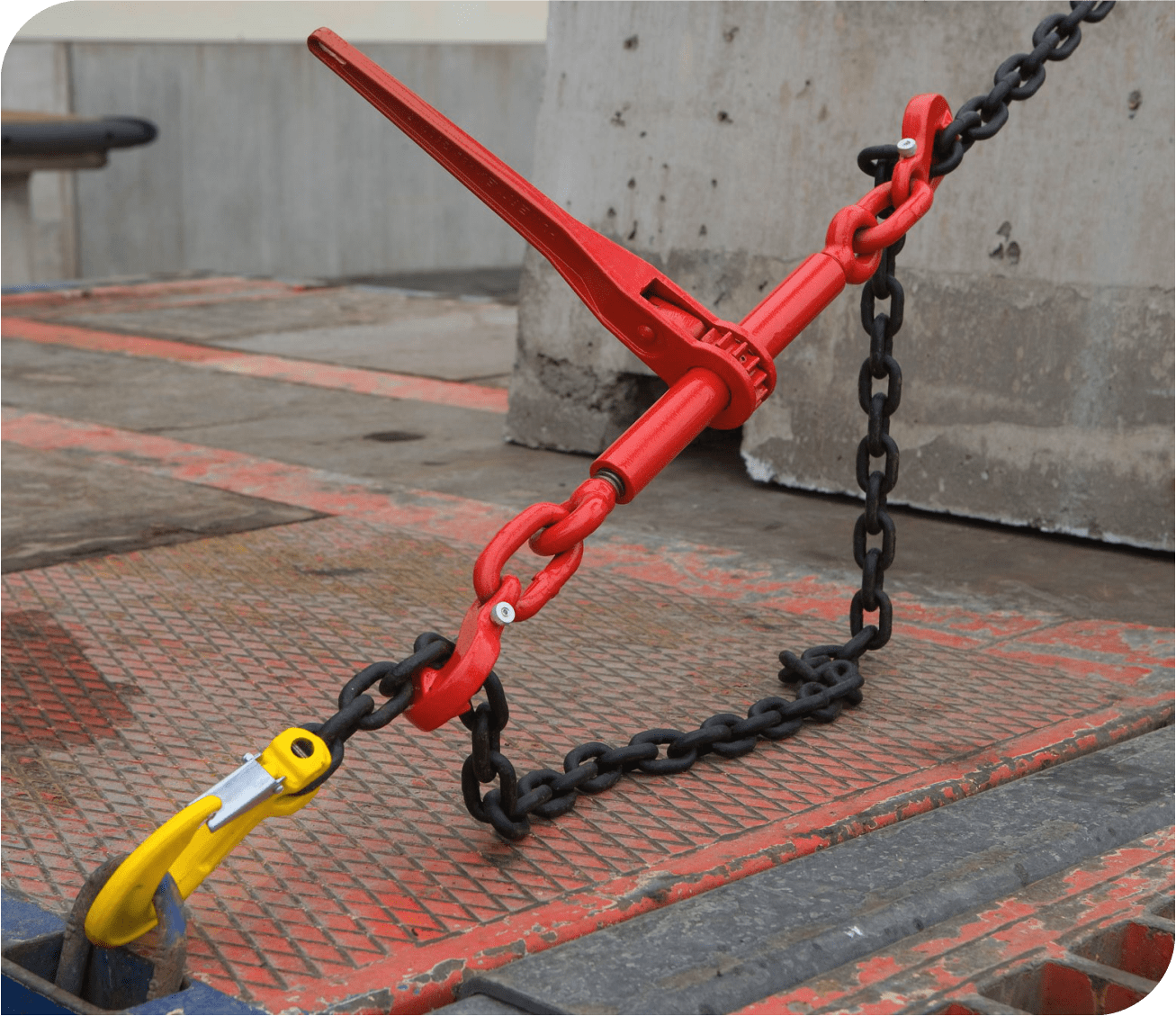
The freight and transportation industry relies heavily on secure cargo handling to ensure safe delivery and compliance with regulatory standards. Among the essential tools used by professional drivers and logistics companies, load binders stand out as critical components for maintaining cargo integrity during transport. These mechanical devices provide the necessary tension and security to keep loads properly fastened throughout the journey, reducing the risk of shifting, damage, or loss. Understanding the comprehensive benefits of load binders can help transportation professionals make informed decisions about their cargo securing equipment and improve overall operational efficiency.
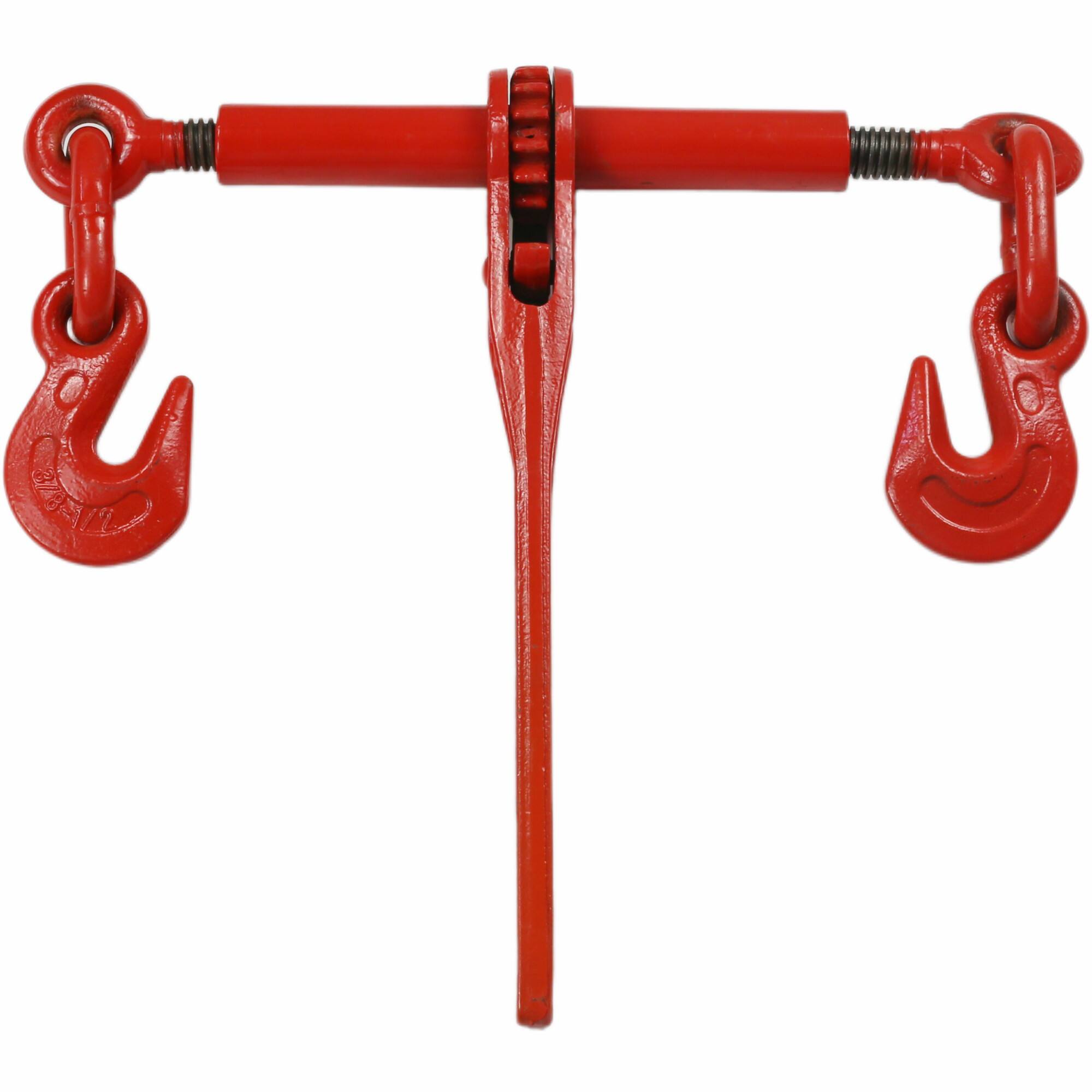
Enhanced Cargo Security and Safety
Superior Tensioning Capabilities
Load binders deliver exceptional tensioning force that surpasses many alternative securing methods. The mechanical advantage provided by these devices allows operators to achieve consistent and reliable tension across chain assemblies. This superior tensioning capability ensures that cargo remains firmly in place regardless of road conditions, weather variations, or transportation duration. Professional drivers appreciate the confidence that comes with knowing their load binders will maintain proper tension throughout extended hauls.
The precise control offered by load binders enables operators to apply exactly the right amount of tension for different types of cargo. Heavy machinery, construction materials, and oversized equipment all require specific securing approaches, and load binders provide the flexibility to accommodate these varying requirements. This adaptability makes them indispensable tools for diverse transportation applications across multiple industries.
Regulatory Compliance Assurance
Transportation regulations mandate specific securing standards for different types of freight, and load binders help ensure compliance with these requirements. The Department of Transportation and other regulatory bodies have established clear guidelines for cargo securement, and using appropriate load binders demonstrates adherence to these safety standards. Compliance not only protects drivers and other road users but also shields transportation companies from potential liability issues and regulatory penalties.
Regular inspections often focus on cargo securement practices, and properly installed load binders provide visible evidence of professional securing techniques. This attention to regulatory compliance builds trust with clients and regulatory officials while maintaining the transportation company's reputation for safety and professionalism. The investment in quality load binders pays dividends through reduced inspection delays and enhanced operational credibility.
Operational Efficiency and Time Management
Streamlined Loading and Unloading Processes
The design of modern load binders facilitates rapid deployment and adjustment, significantly reducing the time required for cargo securing operations. Professional drivers can quickly position and tension these devices, allowing for faster turnaround times at loading and unloading locations. This efficiency translates directly into increased productivity and the ability to handle more deliveries within established timeframes.
The user-friendly operation of load binders eliminates the need for complex securing procedures that might slow down loading operations. Training new personnel becomes more straightforward when using standardized load binders, as the consistent operation across different units reduces the learning curve. This standardization contributes to overall operational efficiency and helps maintain consistent quality in cargo securing practices.
Reduced Equipment Maintenance Requirements
Quality load binders are engineered for durability and longevity, requiring minimal maintenance compared to alternative securing methods. The robust construction and reliable mechanisms used in professional-grade load binders withstand the demanding conditions of regular freight operations. This durability reduces replacement costs and minimizes equipment downtime that could impact delivery schedules.
The straightforward maintenance requirements for load binders make them practical choices for fleet operations where equipment reliability is paramount. Regular inspection and basic lubrication are typically sufficient to maintain optimal performance, allowing maintenance teams to focus their attention on more complex equipment systems. This low-maintenance characteristic contributes to the overall cost-effectiveness of incorporating load binders into standard securing protocols.
Cost-Effectiveness and Return on Investment
Long-Term Durability Benefits
The initial investment in quality load binders provides substantial long-term value through extended service life and consistent performance. Well-manufactured load binders can withstand thousands of securing cycles while maintaining their tensioning capabilities and structural integrity. This longevity makes them economically attractive compared to disposable or less durable alternatives that require frequent replacement.
The durability of professional load binders extends beyond their mechanical components to include resistance to environmental factors such as corrosion, temperature variations, and UV exposure. This environmental resilience ensures that the equipment maintains its functionality across diverse operating conditions and geographic regions, providing consistent value regardless of the transportation routes involved.
Insurance and Liability Considerations
Insurance companies often recognize the risk-reduction benefits of proper cargo securing equipment when evaluating coverage options and premium rates. Using appropriate load binders demonstrates a commitment to safety that can influence insurance negotiations and potentially reduce coverage costs. The documented safety benefits of proper cargo securement translate into measurable financial advantages for transportation companies.
The liability protection provided by effective cargo securing extends beyond direct insurance benefits to include protection against cargo damage claims and third-party injury situations. Load binders that meet or exceed industry standards provide legal protection in the event of incidents, as they demonstrate due diligence in following established safety practices. This protection becomes increasingly valuable as liability standards continue to evolve within the transportation industry.
Versatility Across Different Applications
Compatibility with Various Cargo Types
Load binders excel in their ability to accommodate diverse cargo types and securing configurations. From heavy construction equipment to irregularly shaped industrial components, these devices provide reliable securing solutions across multiple applications. The adjustable nature of load binders allows operators to customize the securing approach based on specific cargo characteristics and transportation requirements.
The versatility of load binders extends to their compatibility with different chain grades and securing hardware configurations. This flexibility enables transportation companies to standardize their securing equipment while maintaining the ability to handle specialized cargo requirements. The resulting operational consistency simplifies inventory management and reduces the complexity of equipment selection for different transportation assignments.
Adaptability to Different Vehicle Configurations
Modern load binders are designed to work effectively with various trailer types and vehicle configurations commonly used in freight transportation. Whether securing cargo on flatbed trailers, lowboys, or specialized hauling equipment, load binders provide consistent performance across different platform designs. This adaptability makes them valuable investments for transportation companies operating diverse fleet configurations.
The standardized mounting and operation characteristics of load binders facilitate their use across multiple vehicles within a fleet, reducing the need for specialized training or equipment variations. Drivers can confidently operate load binders on different vehicles, knowing that the securing principles and procedures remain consistent. This standardization contributes to operational efficiency and reduces the potential for securing errors that could compromise cargo safety.
Professional Image and Client Confidence
Demonstration of Safety Commitment
The visible use of professional-grade load binders communicates a transportation company's commitment to cargo safety and professional standards. Clients often evaluate transportation providers based on their attention to safety details, and the proper use of load binders serves as a tangible demonstration of this commitment. This professional image can influence client decisions when selecting transportation partners for valuable or sensitive cargo.
The confidence that clients develop when observing proper load binder usage translates into stronger business relationships and potential for repeat contracts. Transportation companies that consistently demonstrate professional securing practices build reputations that differentiate them from competitors who may rely on less reliable securing methods. This differentiation becomes increasingly important in competitive transportation markets where safety and reliability are key differentiators.
Enhanced Driver Confidence and Job Satisfaction
Professional drivers appreciate having access to reliable load binders that enable them to perform their securing duties effectively and efficiently. The confidence that comes from using quality equipment enhances job satisfaction and reduces the stress associated with cargo securing responsibilities. Drivers who trust their equipment are more likely to maintain high performance standards and remain with transportation companies that invest in quality securing tools.
The ease of use and reliability of modern load binders contribute to positive driver experiences that can influence recruitment and retention efforts. Transportation companies that equip their drivers with professional-grade load binders demonstrate their commitment to providing the tools necessary for safe and effective job performance. This investment in driver resources often results in improved employee satisfaction and reduced turnover rates.
FAQ
How do load binders compare to other cargo securing methods
Load binders offer superior mechanical advantage and consistent tensioning compared to alternative securing methods such as rope or elastic straps. Unlike these alternatives, load binders maintain their tension throughout the transportation process and provide precise control over securing force. They also offer better durability and weather resistance, making them more suitable for professional freight operations where reliability is essential.
What maintenance is required for load binders
Load binders require minimal maintenance consisting primarily of regular inspection for wear or damage and periodic lubrication of moving parts. Operators should check for bent or cracked components before each use and ensure that the tensioning mechanism operates smoothly. Proper storage in dry conditions and occasional cleaning help extend the service life and maintain optimal performance of load binders.
Can load binders be used with different chain grades
Yes, load binders are designed to work with various chain grades, but it is essential to match the binder's working load limit with the chain's capacity. Using load binders with appropriate chain grades ensures that the entire securing system operates within safe parameters. Transportation professionals should consult manufacturer specifications to verify compatibility and maintain proper safety margins for their specific applications.
What training is needed for proper load binder operation
Proper load binder operation requires training on correct positioning, tensioning procedures, and safety protocols. Operators should understand how to inspect equipment before use, apply appropriate tension levels, and recognize signs of equipment fatigue or damage. Many transportation companies provide specific training programs that cover load binder operation as part of their overall cargo securing education, ensuring that drivers can use these tools safely and effectively.