 EN
EN

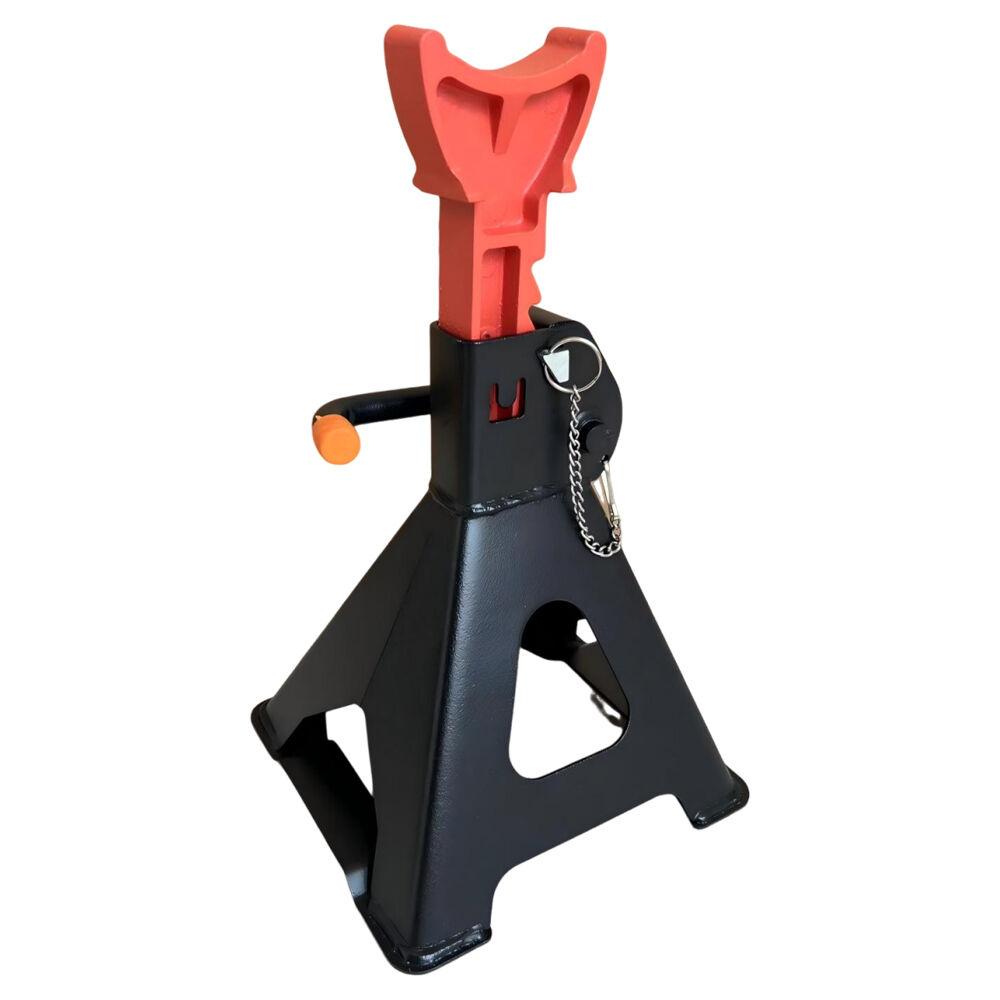
Selecting the right jacks for automotive and industrial applications requires careful consideration of multiple factors that directly impact safety, stability, and operational efficiency. Professional mechanics, DIY enthusiasts, and industrial workers rely on quality jacks to perform lifting tasks safely while maintaining precise control over heavy loads. Understanding the fundamental principles of jack selection ensures optimal performance and minimizes the risk of equipment failure or personal injury during critical lifting operations.
Understanding Jack Types and Applications
Hydraulic Bottle Jacks
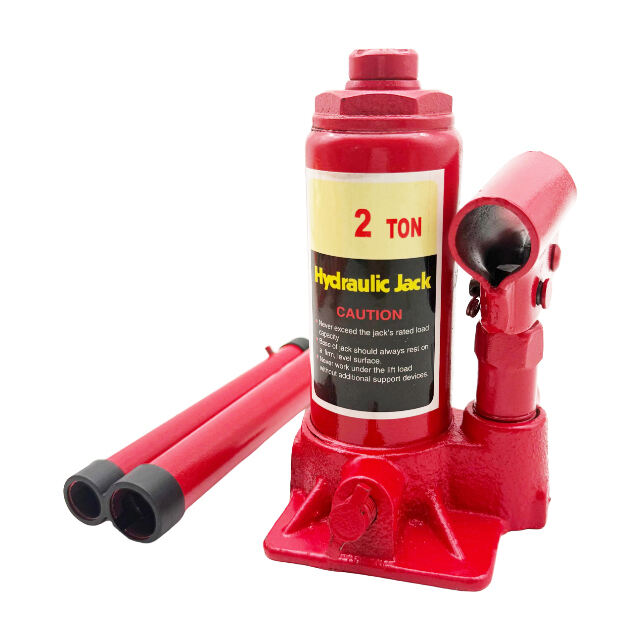
Hydraulic bottle jacks represent one of the most popular categories of lifting equipment due to their compact design and impressive lifting capacity. These jacks utilize hydraulic pressure to generate tremendous lifting force while maintaining a relatively small footprint. The vertical orientation of bottle jacks makes them ideal for situations where ground clearance is limited, such as working under low-profile vehicles or in confined industrial spaces.
The construction of hydraulic bottle jacks typically features a robust steel cylinder housing a hydraulic piston mechanism that extends vertically when pressurized. This design allows these jacks to handle substantial weight loads, often ranging from two tons to twenty tons or more depending on the specific model. Professional grade bottle jacks incorporate safety features such as bypass valves to prevent overloading and ensure consistent performance across various operating conditions.
Floor Jacks and Trolley Systems
Floor jacks, also known as trolley jacks, provide excellent mobility and positioning flexibility for automotive service applications. These jacks feature wheels or casters that enable easy movement around vehicles, making them particularly valuable in professional garage environments where multiple vehicles require service simultaneously. The horizontal design of floor jacks allows for smooth operation under vehicles with standard ground clearance.
Modern floor jacks incorporate advanced hydraulic systems with dual-piston designs that provide rapid lifting speeds while maintaining precise control during lowering operations. The extended reach capability of quality floor jacks enables access to standard jacking points on most passenger vehicles and light trucks, while heavy-duty models can accommodate commercial vehicles and equipment with higher lifting requirements.
Load Capacity Considerations
Weight Distribution Analysis
Proper load capacity analysis forms the foundation of safe jack selection and operation. Understanding the weight distribution of vehicles and equipment helps determine the appropriate lifting capacity required for specific applications. Professional technicians always consider not only the total vehicle weight but also the distribution of that weight across different axles and suspension components.
When selecting jacks for automotive applications, the lifting capacity should significantly exceed the actual load requirements to provide an adequate safety margin. Industry standards typically recommend choosing jacks with capacity ratings at least fifty percent higher than the expected load to account for variations in weight distribution and potential overload conditions that may occur during operation.
Safety Factor Implementation
Implementing appropriate safety factors when selecting jacks ensures reliable performance under demanding conditions while protecting operators and equipment from potential failures. Professional applications require careful consideration of dynamic loading conditions, environmental factors, and operational variables that may affect lifting performance over time.
Quality manufacturers design their jacks with built-in safety factors that exceed minimum industry standards, incorporating features such as pressure relief valves, reinforced construction materials, and redundant safety mechanisms. These safety features become particularly critical when working with expensive vehicles or in situations where equipment failure could result in significant property damage or personal injury.
Stability Features and Design Elements
Base Design and Ground Contact
The base design of jacks plays a crucial role in overall stability and safety during lifting operations. Wide, stable bases distribute the load over a larger surface area, reducing ground pressure and minimizing the risk of sinking or tipping during use. Professional-grade jacks feature engineered base plates that provide optimal stability while maintaining portability for field applications.
Surface preparation becomes essential when using jacks on various ground conditions, as unstable or uneven surfaces can compromise the effectiveness of even the best-designed lifting equipment. Operators must ensure that jacks are positioned on solid, level surfaces capable of supporting the combined weight of the jack and the lifted load without deformation or failure.
Extension Height and Range
The extension height capabilities of jacks determine their suitability for specific applications and vehicle types. Bottle jacks typically offer greater maximum extension heights compared to floor jacks, making them suitable for applications requiring significant lift distances. However, the trade-off often involves reduced stability as the extension height increases.
Professional applications require careful consideration of both minimum and maximum height specifications to ensure compatibility with various vehicle designs and service requirements. Quality jacks provide adequate lifting range while maintaining stability throughout the entire extension cycle, incorporating design features that prevent overextension and maintain structural integrity under load.
Material Quality and Construction Standards
Steel Grade and Manufacturing Processes
The material quality used in jack construction directly impacts durability, safety, and long-term performance characteristics. High-grade steel components provide the strength necessary to handle repeated loading cycles while resisting deformation and fatigue failure. Professional manufacturers utilize advanced metallurgical processes to ensure consistent material properties throughout the jack assembly.
Heat treatment processes applied during manufacturing enhance the mechanical properties of critical components, improving resistance to wear and extending service life under demanding conditions. Quality jacks undergo rigorous testing procedures to verify material integrity and ensure compliance with industry safety standards before reaching end users.
Hydraulic System Components
The hydraulic components within jacks represent some of the most critical elements affecting performance and reliability. High-quality seals, cylinders, and pumping mechanisms ensure consistent operation while preventing fluid leakage that could compromise lifting performance or create safety hazards during use.
Professional-grade jacks incorporate precision-manufactured hydraulic components designed to withstand thousands of operating cycles while maintaining consistent performance characteristics. Regular maintenance of hydraulic systems, including fluid replacement and seal inspection, helps ensure continued reliability and extends the operational life of quality jacks.
Safety Mechanisms and Protective Features
Overload Protection Systems
Modern jacks incorporate sophisticated overload protection systems that prevent damage to the equipment and ensure operator safety during use. These systems typically include pressure relief valves that automatically release excess hydraulic pressure when load limits are exceeded, preventing catastrophic failure of critical components.
Bypass valve technology represents an advanced safety feature found in professional-grade jacks, providing automatic protection against overloading while allowing continued operation within safe parameters. These systems help prevent operator error from causing equipment damage while maintaining the precision control necessary for professional applications.
Structural Integrity Features
The structural design of quality jacks incorporates multiple safety features designed to prevent failure modes that could result in sudden load release or equipment collapse. Reinforced construction techniques, redundant load paths, and fail-safe mechanisms ensure that jacks continue to support loads even when individual components experience stress or minor damage.
Professional applications demand jacks with proven track records of reliability under demanding conditions, including resistance to environmental factors such as temperature variations, moisture exposure, and chemical contamination that may be encountered in industrial settings.
Maintenance Requirements and Service Life
Preventive Maintenance Protocols
Establishing proper maintenance protocols ensures that jacks continue to operate safely and effectively throughout their intended service life. Regular inspection procedures help identify potential issues before they develop into safety hazards or equipment failures that could compromise lifting operations.
Professional maintenance programs include systematic checks of hydraulic fluid levels, seal condition, and structural integrity to ensure continued compliance with safety standards. Quality jacks are designed to facilitate easy maintenance procedures, with accessible service points and clear maintenance intervals specified by manufacturers.
Component Replacement and Upgrades
The availability of replacement parts and upgrade options affects the long-term value and utility of jacks in professional applications. Reputable manufacturers provide comprehensive parts support and technical documentation to facilitate proper maintenance and repair procedures when necessary.
Modular design approaches allow for component replacement without requiring complete jack replacement, reducing lifecycle costs while maintaining optimal performance characteristics. Professional users benefit from establishing relationships with suppliers who provide ongoing technical support and parts availability for their lifting equipment inventory.
FAQ
What is the recommended safety factor when selecting jacks for automotive applications
Industry standards recommend selecting jacks with lifting capacity at least fifty percent higher than the actual load requirements. This safety margin accounts for weight distribution variations, dynamic loading conditions, and potential overload situations. Professional applications may require even higher safety factors depending on the specific use case and environmental conditions.
How do I determine the appropriate jack type for my specific vehicle or equipment
Jack selection depends on several factors including vehicle weight, ground clearance, available space, and lifting point accessibility. Bottle jacks work well for limited clearance situations and heavy loads, while floor jacks provide better mobility and positioning flexibility. Consult vehicle specifications and consider your typical usage patterns to make the optimal selection.
What maintenance procedures are essential for ensuring jack safety and longevity
Essential maintenance includes regular hydraulic fluid level checks, seal inspection, and structural integrity assessment. Clean external surfaces to prevent contamination, lubricate moving parts according to manufacturer specifications, and perform load testing periodically to verify continued performance. Replace worn components promptly and follow recommended service intervals.
Are there specific environmental conditions that affect jack performance and safety
Environmental factors such as temperature extremes, moisture exposure, and chemical contamination can impact jack performance and safety. Cold temperatures may affect hydraulic fluid viscosity, while excessive heat can damage seals and components. Store jacks in clean, dry environments and protect them from corrosive substances to maintain optimal performance and extend service life.
Table of Contents
- Understanding Jack Types and Applications
- Load Capacity Considerations
- Stability Features and Design Elements
- Material Quality and Construction Standards
- Safety Mechanisms and Protective Features
- Maintenance Requirements and Service Life
-
FAQ
- What is the recommended safety factor when selecting jacks for automotive applications
- How do I determine the appropriate jack type for my specific vehicle or equipment
- What maintenance procedures are essential for ensuring jack safety and longevity
- Are there specific environmental conditions that affect jack performance and safety