 EN
EN


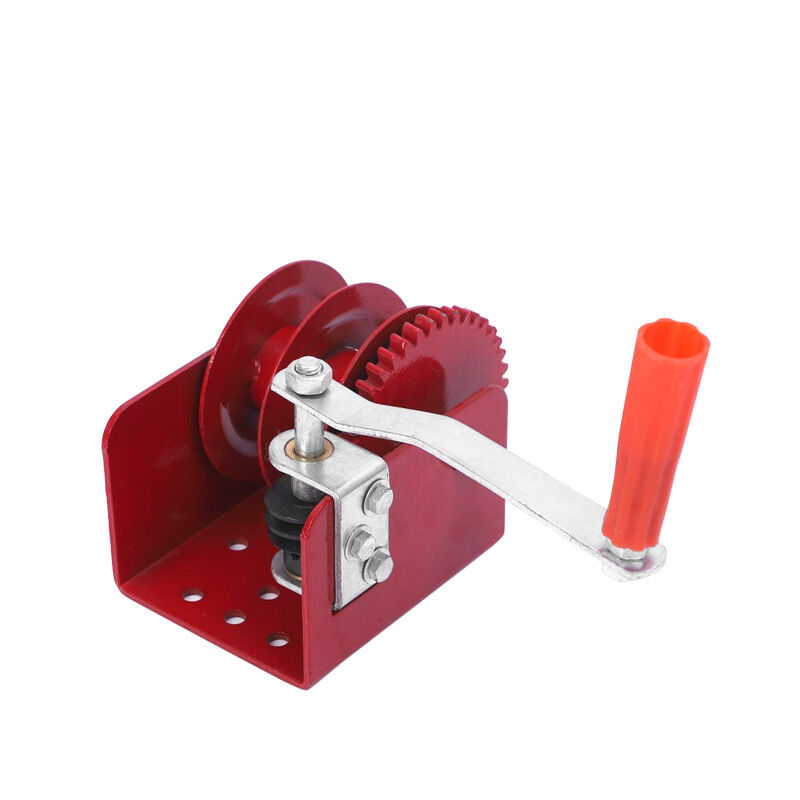
Hand winches have become indispensable tools across countless industries, from construction and marine applications to automotive recovery and cargo handling. These mechanical marvels transform human effort into powerful pulling force, enabling operators to move heavy loads with precision and control. The effectiveness of hand winches depends heavily on their design features, build quality, and engineering innovations that enhance both durability and operational ease. Understanding these critical characteristics helps professionals select the right equipment for demanding applications while ensuring long-term reliability and user safety.
Core Structural Components That Define Durability
Frame Construction and Material Selection
The foundation of any reliable hand winch lies in its frame construction, which must withstand tremendous stress and repeated loading cycles. Premium hand winches utilize high-grade steel alloys or aluminum constructions that provide exceptional strength-to-weight ratios. Steel frames offer superior durability and can handle extreme loads without deformation, making them ideal for heavy-duty industrial applications. The frame geometry plays a crucial role in load distribution, with reinforced mounting points and strategic ribbing patterns that prevent stress concentration and potential failure points.
Advanced manufacturing processes like precision welding and heat treatment ensure that frame components maintain their structural integrity under continuous operation. Quality hand winches feature seamless welds that eliminate weak points, while proper heat treatment processes enhance material properties and resistance to fatigue. The surface finishing, including powder coating or galvanization, protects against corrosion and environmental degradation, extending the operational lifespan significantly. These protective coatings create barriers against moisture, chemicals, and abrasive particles that could compromise the frame's structural integrity over time.
Gear Train Engineering and Load Capacity
The gear system represents the heart of hand winches, converting manual input into substantial mechanical advantage. High-quality units incorporate precision-machined gear sets with optimized tooth profiles that minimize friction and wear while maximizing power transmission efficiency. The gear ratio determines the balance between pulling capacity and operating speed, with typical ratios ranging from 4:1 for lighter applications to 20:1 for maximum pulling force. Professional-grade hand winches often feature multiple gear stages that compound the mechanical advantage while maintaining smooth operation throughout the load range.
Material selection for gear components directly impacts durability and performance longevity. Premium hand winches utilize hardened steel gears with precise tolerances that ensure smooth meshing and minimal backlash. The gear housing provides protection against contamination while maintaining proper lubrication distribution. Advanced designs incorporate sealed bearing systems that reduce friction and prevent premature wear, contributing to consistent performance over thousands of operating cycles.
Cable and Drum Assembly Considerations
Wire Rope Specifications and Construction
The cable system of hand winches requires careful attention to construction details that affect both safety and operational reliability. Aircraft-quality galvanized steel cables provide excellent corrosion resistance and maintain flexibility under repeated bending cycles. The wire construction, typically featuring 7x7 or 7x19 strand configurations, balances strength with flexibility to accommodate tight bend radii around the drum without compromising structural integrity. Proper cable diameter selection ensures optimal balance between breaking strength and drum capacity while maintaining reasonable operating forces.
Cable termination methods significantly impact the overall system reliability of hand winches. Professional installations utilize swaged fittings or properly applied cable clamps that maintain the full strength rating of the wire rope. The attachment point design distributes loads evenly across multiple cable strands, preventing stress concentration that could lead to premature failure. Quality hand winches include cable guides or fairleads that prevent binding and ensure smooth spooling during operation, reducing wear and extending cable service life.
Drum Design and Capacity Optimization
The drum assembly serves as the foundation for cable storage and must accommodate the full working length while maintaining proper spooling characteristics. Machined drum surfaces with spiral grooves guide cable placement and prevent overlapping that could cause binding or damage. The drum diameter affects both the pulling capacity and cable life, with larger drums reducing bend stress and improving operational smoothness. Quality hand winches feature drums with sufficient flange height to contain the full cable length plus additional capacity for safe operation.
Drum mounting systems must provide rigid support while allowing smooth rotation under load. Precision bearings or bushings reduce friction and ensure consistent operation throughout the load range. The drum brake mechanism, whether manual or automatic, provides load holding capability and prevents uncontrolled cable release. Advanced designs incorporate dynamic braking systems that engage automatically when handle pressure is released, enhancing operator safety during load positioning operations.
Operational Mechanisms and User Interface Features
Handle Design and Ergonomic Considerations
The operating handle represents the primary user interface for hand winches and significantly impacts both efficiency and operator comfort during extended use. Ergonomically designed handles feature appropriate length for leverage while maintaining manageable operating forces. The handle grip surface provides secure contact even when wet or contaminated, utilizing textured surfaces or non-slip materials that prevent slippage during critical operations. Removable handles offer security benefits by preventing unauthorized use while reducing storage space requirements.
Handle positioning and range of motion affect operational convenience and safety. Quality hand winches provide sufficient clearance for full handle rotation without interference from mounting hardware or surrounding structures. The handle socket design ensures secure engagement that prevents accidental disengagement during operation while allowing easy insertion and removal when required. Some advanced models feature telescoping or folding handles that optimize leverage while maintaining compact storage dimensions.
Control Systems and Safety Features
Modern hand winches incorporate various control features that enhance operational safety and user confidence. Positive load holding mechanisms prevent unintended cable release, utilizing either spring-loaded pawls or friction brake systems that engage automatically. The control interface provides clear indication of winch status, including load direction and brake engagement status. Quality units feature smooth engagement characteristics that allow gradual load application without sudden jerking motions that could stress the cable or mounting system.
Safety override systems protect against overload conditions that could damage equipment or create hazardous situations. Some hand winches include slip clutches or shear pins that disengage at predetermined load levels, preventing catastrophic failure. Visual load indicators help operators monitor tension levels and avoid exceeding safe working limits. The control system design ensures that all safety features remain functional throughout the equipment's service life, with periodic maintenance requirements clearly documented in user materials.
Installation and Mounting Considerations
Mounting Hardware and Attachment Methods
Proper installation forms the foundation for reliable hand winch operation, requiring attention to mounting hardware specifications and attachment methods. The mounting base must provide adequate strength to resist the full pulling capacity plus appropriate safety factors. Quality hand winches include comprehensive mounting hardware with grade 8 bolts and appropriate washers that distribute loads evenly across the mounting surface. The base plate design accommodates various mounting configurations while maintaining proper load alignment with the cable direction.
Mounting orientation affects both performance and safety characteristics of hand winches. Horizontal mounting provides optimal mechanical advantage and handle clearance, while vertical installations may require special considerations for brake systems and cable management. The mounting location must provide adequate clearance for handle operation and cable routing while maintaining accessibility for maintenance and inspection. Proper installation includes verification of mounting surface integrity and appropriate anchor point selection that can withstand the full working load plus dynamic factors.
Environmental Protection and Weatherproofing
Hand winches operating in outdoor or harsh environments require additional protection against corrosion and contamination. Marine-grade finishes and sealed bearing systems prevent saltwater intrusion that could compromise mechanical components. The gear housing design excludes moisture while maintaining proper lubrication levels, utilizing appropriate seals and breather systems that accommodate thermal expansion. Stainless steel hardware resists corrosion in challenging environments while maintaining full strength characteristics.
Protective covers and guards shield critical components from impact damage and debris accumulation. These accessories maintain equipment appearance while preventing contamination that could affect smooth operation. The environmental protection system includes consideration of operating temperature ranges and lubrication requirements that ensure consistent performance across seasonal variations. Quality hand winches specify appropriate lubricants and maintenance intervals that maintain protection levels throughout the equipment's service life.
Maintenance Requirements and Service Life Optimization
Lubrication Systems and Component Care
Proper maintenance practices directly impact the service life and reliability of hand winches, beginning with appropriate lubrication of all moving components. The gear system requires periodic lubrication with specified grease types that maintain protection under load while resisting contamination. Bearing points benefit from regular attention to prevent moisture intrusion and ensure smooth operation throughout the load range. Quality hand winches include lubrication fittings that facilitate maintenance without requiring disassembly of critical components.
Cable maintenance involves regular inspection for wear, corrosion, and proper tension distribution. The cable should be cleaned periodically to remove accumulated debris that could accelerate wear or interfere with smooth spooling. Drum surface inspection identifies potential issues before they affect cable integrity or operational smoothness. Proper storage practices protect hand winches from environmental exposure when not in regular use, utilizing appropriate covers and positioning that prevents moisture accumulation in critical areas.
Inspection Protocols and Performance Monitoring
Regular inspection procedures ensure that hand winches maintain their safety and performance characteristics throughout their operational life. Visual inspection identifies obvious wear patterns, corrosion development, or mechanical damage that requires attention. The inspection protocol includes verification of all safety systems, including brake operation and load holding capability under various conditions. Functional testing verifies smooth operation and proper mechanical advantage across the full operating range.
Performance monitoring tracks operational characteristics that indicate developing issues before they result in equipment failure. Load testing with calibrated equipment verifies that hand winches maintain their rated capacity and safety margins. Documentation of maintenance activities and inspection results provides valuable information for optimizing service intervals and identifying potential improvements. The monitoring system includes tracking of cable condition, wear patterns, and replacement schedules that ensure continued safe operation.
FAQ
What is the typical working load limit for hand winches?
Hand winches typically feature working load limits ranging from 600 pounds for light-duty models up to 4,000 pounds for heavy-duty industrial units. The working load limit represents the maximum safe operating load and includes appropriate safety factors below the ultimate breaking strength. Professional applications should never exceed the rated working load limit, and operators should consider dynamic loading factors that can increase actual forces during operation.
How often should hand winches receive maintenance and inspection?
Hand winches require monthly visual inspections for obvious wear or damage, with comprehensive maintenance every six months or 100 operating cycles, whichever occurs first. Heavy-use applications may require more frequent attention, particularly for lubrication and cable inspection. The maintenance schedule should be adjusted based on environmental conditions, with marine or corrosive environments requiring more frequent service intervals to maintain optimal performance and safety.
Can hand winches be used for lifting applications or only pulling?
Hand winches are primarily designed for horizontal pulling applications and should not be used for overhead lifting without specific engineering approval and appropriate safety systems. Lifting applications require additional safety features including load blocks, secondary safety systems, and compliance with lifting equipment regulations. Some specialized hand winches are manufactured specifically for lifting applications, but these require different safety certifications and operating procedures compared to standard pulling models.
What factors determine the appropriate gear ratio for specific applications?
Gear ratio selection balances pulling capacity against operating speed, with higher ratios providing greater mechanical advantage but requiring more handle rotations per inch of cable travel. Applications requiring maximum pulling force benefit from ratios of 15:1 or higher, while faster operation needs lower ratios around 4:1 to 8:1. The optimal ratio depends on load requirements, available operator strength, and time constraints for the specific application, with most versatile units featuring ratios between 8:1 and 12:1 for general-purpose use.