 EN
EN


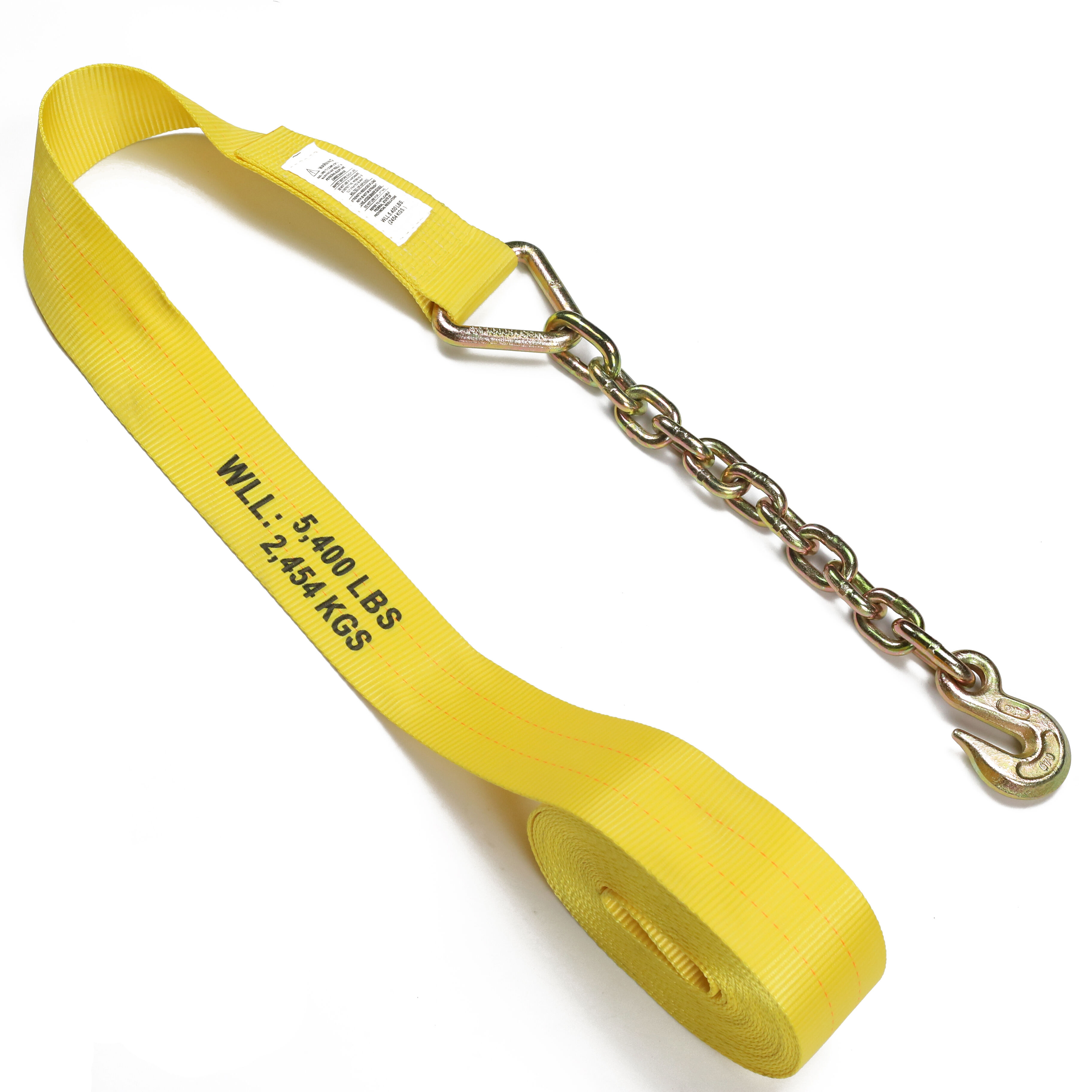
Selecting the right lashing straps is crucial for ensuring cargo safety and operational efficiency across industries. Whether you're securing heavy machinery, construction materials, or delicate equipment during transport, the strength and reliability of your lashing straps can make the difference between successful delivery and costly accidents. Understanding the key factors that determine strap strength helps professionals make informed decisions that protect both cargo and personnel while maintaining compliance with safety regulations.
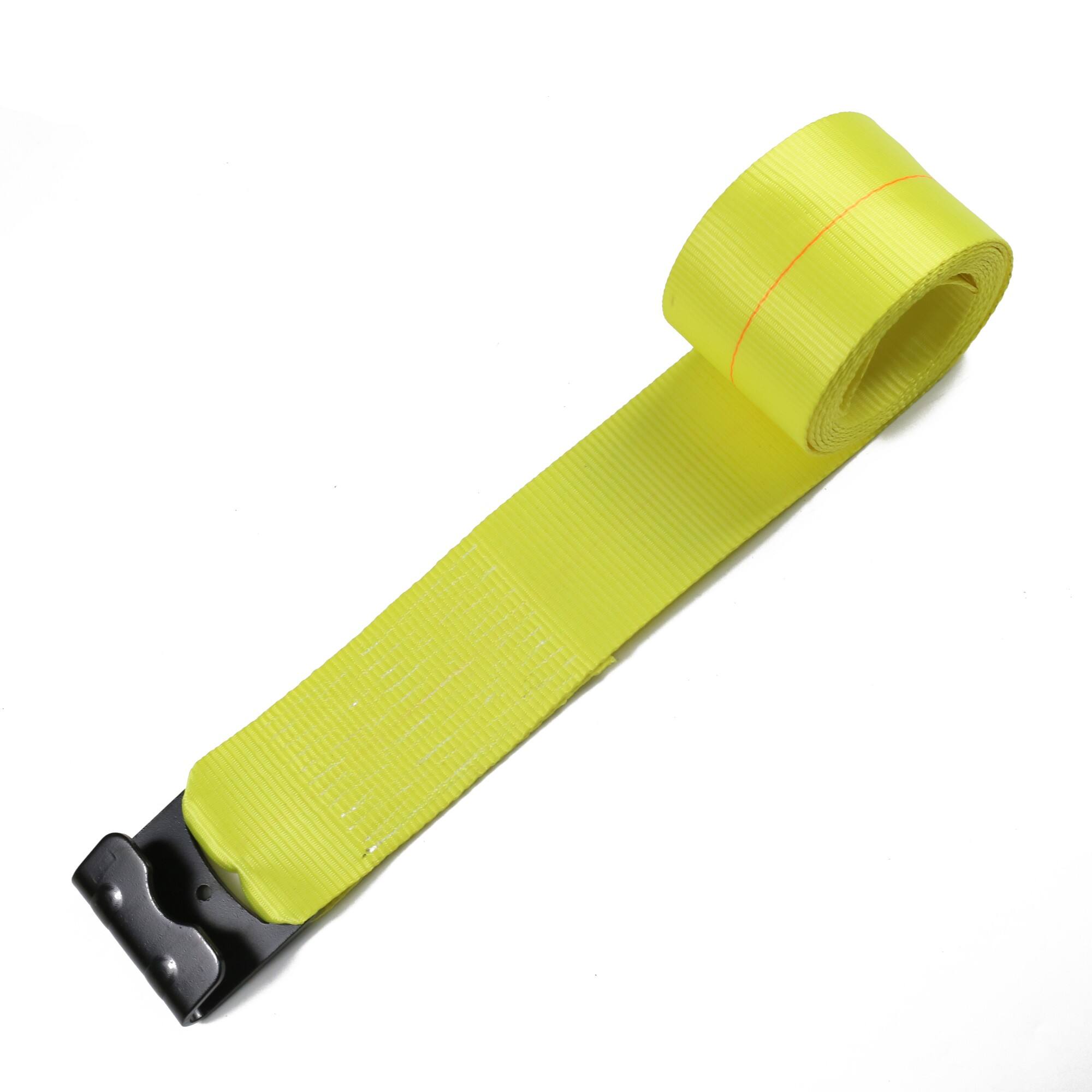
The selection process requires careful consideration of multiple technical specifications, environmental conditions, and application requirements. Modern lashing straps are engineered using advanced materials and manufacturing techniques that deliver exceptional performance when properly matched to specific use cases. By examining working load limits, material properties, and hardware configurations, you can identify the optimal lashing straps for your particular cargo securing needs.
Understanding Load Capacity and Working Limits
Breaking Strength vs Working Load Limits
The fundamental difference between breaking strength and working load limits forms the cornerstone of safe lashing strap selection. Breaking strength represents the maximum force a strap can withstand before failure under controlled laboratory conditions. However, working load limits provide the safe operating capacity that accounts for real-world variables such as dynamic loading, wear, and environmental factors. Quality lashing straps typically maintain a safety factor of 3:1 or higher, meaning the breaking strength is at least three times the working load limit.
Professional cargo handlers must always work within established working load limits to maintain safety margins during transport operations. These limits are clearly marked on certified lashing straps and should never be exceeded, even temporarily. Dynamic forces during acceleration, braking, and cornering can multiply static loads significantly, making adherence to working load limits essential for preventing strap failure and cargo damage.
Calculating Required Strap Strength
Determining the appropriate strength requirements for lashing straps involves analyzing the total cargo weight, securing point configuration, and expected transport conditions. The calculation must account for the number of straps used, their angle of application, and the distribution of forces across the cargo securing system. Industry standards typically require that the combined working load limit of all lashing straps equals or exceeds the total cargo weight being secured.
Professional transportation operations often apply additional safety factors beyond minimum requirements to accommodate unexpected conditions. Factors such as cargo center of gravity, load distribution irregularities, and potential settling during transport influence the total securing force needed. Experienced operators frequently increase strap strength specifications by 25-50% above calculated minimums to ensure reliable performance under challenging conditions.
Material Construction and Durability Factors
Polyester vs Nylon Construction
Material selection significantly impacts the performance characteristics and longevity of lashing straps in demanding applications. Polyester webbing offers superior resistance to UV degradation, moisture absorption, and chemical exposure while maintaining consistent strength properties over extended service life. These characteristics make polyester lashing straps ideal for outdoor applications and environments where weather exposure is unavoidable.
Nylon construction provides exceptional elasticity and shock absorption capabilities that help protect both cargo and securing hardware from dynamic loading forces. While nylon lashing straps excel in applications involving frequent load cycling or vibration, they require more careful handling in wet conditions due to their moisture absorption properties. The choice between materials should align with specific environmental conditions and performance requirements of the intended application.
Edge Protection and Abrasion Resistance
The durability of lashing straps depends heavily on their ability to withstand abrasion and edge contact during normal use. High-quality straps incorporate reinforced edge construction and may include integrated edge protection features that prevent damage from sharp corners or rough surfaces. Some manufacturers offer specialized corner protectors or edge guards designed to work with standard lashing straps for enhanced protection.
Proper edge protection extends strap service life significantly while maintaining reliable strength characteristics throughout the usage cycle. Professional operations often implement comprehensive edge protection protocols that include both strap-integrated features and supplementary protective equipment. This approach minimizes replacement costs while ensuring consistent performance in demanding cargo securing applications.
Hardware Configuration and End Fittings
Hook Types and Attachment Methods
The selection of appropriate end fittings plays a critical role in maximizing the effective strength and versatility of lashing straps. Flat hooks provide secure engagement with anchor points while distributing loads across wider contact areas, reducing stress concentrations that could lead to premature failure. Wire hooks offer compact profiles suitable for confined spaces but require careful attention to load alignment and anchor point compatibility.
Ratchet mechanisms enable precise tensioning control and maintain consistent securing forces throughout transport operations. Quality lashing straps incorporate robust ratchet assemblies with smooth operation and reliable locking mechanisms that prevent accidental release. The mechanical advantage provided by ratchet systems allows operators to achieve optimal tension levels without excessive physical effort while ensuring uniform pressure distribution across the cargo surface.
Winch Strap Mechanisms
Winch-style lashing straps offer enhanced tensioning capabilities for heavy-duty applications requiring maximum securing force. These systems utilize mechanical advantage to generate high tension levels while providing precise control over applied forces. Professional-grade winch mechanisms feature hardened components and sealed bearings that ensure reliable operation under demanding conditions.
The operational efficiency of winch-style lashing straps makes them particularly suitable for frequent use applications where rapid deployment and retrieval are essential. Proper maintenance of winch mechanisms, including regular lubrication and inspection of wear components, ensures consistent performance and extends service life. Training operators in correct winch techniques prevents damage to both straps and cargo while maximizing securing effectiveness.
Environmental Considerations and Application Matching
Weather Resistance and UV Protection
Environmental conditions significantly impact the performance and longevity of lashing straps, making weather resistance a crucial selection criterion. UV exposure gradually degrades synthetic webbing materials, reducing strength and flexibility over time. High-quality lashing straps incorporate UV-resistant treatments or materials that maintain performance characteristics despite prolonged sun exposure during outdoor storage and transport operations.
Temperature extremes affect both material properties and hardware function in lashing straps systems. Cold conditions can increase webbing stiffness and reduce ratchet mechanism efficiency, while high temperatures may cause expansion and potential strength reduction. Professional operators select lashing straps with operating temperature ranges that accommodate expected environmental conditions throughout their service areas.
Chemical Resistance and Specialized Applications
Industrial applications often expose lashing straps to chemicals, oils, and other substances that can compromise material integrity over time. Specialized webbing materials and treatments provide enhanced resistance to specific chemical exposures common in particular industries. Understanding the chemical compatibility of lashing straps prevents premature degradation and ensures reliable performance in demanding industrial environments.
Food-grade applications require lashing straps that meet specific hygiene and material safety standards. These specialized straps often feature antimicrobial treatments and materials approved for food contact applications. Pharmaceutical and medical device transport may require lashing straps that comply with additional regulatory requirements for cleanliness and traceability.
Inspection and Safety Protocols
Pre-Use Inspection Procedures
Regular inspection of lashing straps ensures safe operation and prevents failures that could result in cargo damage or safety incidents. Professional inspection protocols examine webbing condition, hardware integrity, and label legibility to identify potential issues before they compromise performance. Visual inspection should include checking for cuts, fraying, burns, or chemical staining that indicates material degradation.
Hardware components require careful examination for wear, corrosion, or mechanical damage that could affect operational safety. Ratchet mechanisms should operate smoothly without binding or excessive play, while hooks must maintain proper shape and engage securely with anchor points. Any lashing straps showing signs of damage or wear beyond acceptable limits should be immediately removed from service and properly disposed of.
Maintenance and Storage Best Practices
Proper maintenance extends the service life of lashing straps while ensuring consistent performance throughout their operational cycle. Cleaning procedures should remove dirt, chemicals, and debris that could accelerate wear or cause material degradation. Storage in dry, temperature-controlled environments protects lashing straps from environmental damage when not in active use.
Documentation of inspection results and maintenance activities provides valuable data for tracking strap performance and planning replacement schedules. Professional operations maintain detailed records that include purchase dates, usage history, and inspection findings to optimize inventory management and ensure compliance with safety regulations. This systematic approach minimizes unexpected failures while maximizing the return on lashing strap investments.
FAQ
What is the difference between working load limit and break strength in lashing straps?
Working load limit represents the maximum safe working capacity of lashing straps under normal operating conditions, typically one-third of the break strength. Break strength is the maximum force a strap can withstand before failure under controlled testing conditions. Always use the working load limit for operational planning to maintain proper safety margins and prevent strap failure during transport operations.
How often should lashing straps be inspected for safety?
Lashing straps should be visually inspected before each use and undergo detailed examination at regular intervals based on usage frequency and environmental exposure. High-use operations may require daily or weekly detailed inspections, while occasional-use straps need thorough examination before storage and after extended periods of non-use. Any signs of damage, wear, or degradation require immediate removal from service.
Can different types of lashing straps be used together in the same securing system?
While different lashing straps can be used in the same securing system, all straps must meet or exceed the minimum working load requirements for the application. Mixing strap types with significantly different elongation characteristics may result in uneven load distribution. Professional practice recommends using matched sets of lashing straps with similar specifications to ensure uniform performance and predictable behavior under load.
What factors affect the longevity of lashing straps in regular use?
Environmental exposure, usage frequency, load cycling, and handling practices significantly impact lashing strap longevity. UV exposure, chemical contact, abrasion against rough surfaces, and improper tensioning techniques accelerate wear and degradation. Proper storage, regular cleaning, appropriate edge protection, and adherence to working load limits maximize service life while maintaining reliable performance throughout the operational cycle.