 EN
EN
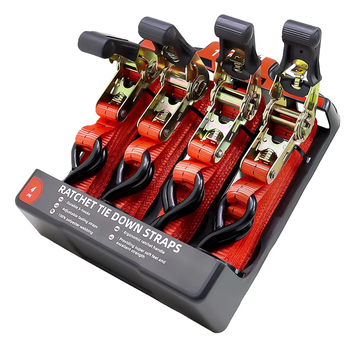
Modern cargo transportation and securing operations demand reliable and efficient fastening solutions that can withstand rigorous use while maintaining safety standards. L-track systems have emerged as the industry standard for professional cargo control applications, offering superior strength, versatility, and ease of installation compared to traditional tie-down methods. These specialized rail systems provide multiple anchor points along their length, enabling users to secure loads of varying sizes and shapes with precision and confidence.
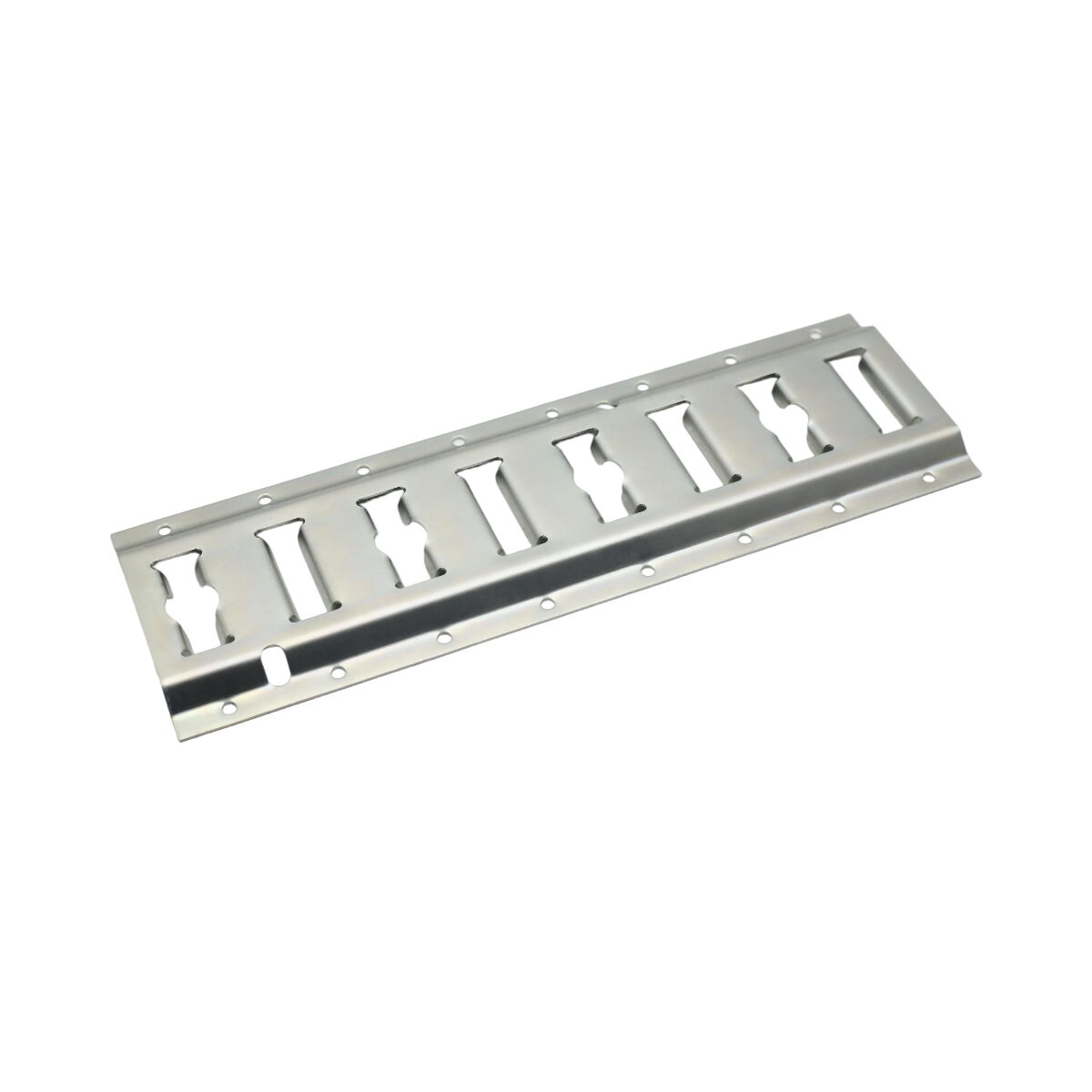
Understanding L-Track System Components and Design
Essential Hardware Elements
The foundation of any effective L-track systems installation begins with understanding the critical components that make these rail assemblies function properly. The primary element consists of the aluminum or steel rail itself, which features a distinctive L-shaped cross-section that provides both horizontal and vertical mounting capabilities. This unique profile allows for flush installation against surfaces while maintaining accessibility for tie-down hardware attachment.
Supporting hardware includes mounting brackets, end caps, and various fasteners designed specifically for different surface materials and load requirements. The brackets distribute mounting forces across larger surface areas, preventing localized stress concentrations that could lead to failure under heavy loads. End caps seal the rail openings to prevent debris accumulation and maintain the system's professional appearance throughout its service life.
Material Specifications and Load Ratings
Professional-grade L-track systems utilize high-strength aluminum alloys or galvanized steel construction to achieve working load limits ranging from 500 to 2,000 pounds per foot of rail length. The material selection depends on the specific application requirements, environmental conditions, and budget considerations. Aluminum tracks offer excellent corrosion resistance and lighter weight, making them ideal for applications where weight reduction is critical.
Steel L-track systems provide maximum strength and durability for heavy-duty applications but require proper surface treatment to prevent corrosion in harsh environments. Understanding these material characteristics helps installers select the appropriate track specifications for their specific use case while ensuring compliance with relevant safety standards and regulations.
Pre-Installation Planning and Site Assessment
Structural Evaluation Requirements
Successful L-track systems installation requires thorough evaluation of the mounting surface structural integrity and load-bearing capacity. The substrate must be capable of supporting not only the static weight of the cargo but also the dynamic forces generated during transport, including acceleration, deceleration, and lateral movement. Wooden surfaces require backing plates or reinforcement to distribute loads properly, while metal surfaces may need additional structural analysis to ensure adequate thickness and support.
Professional installers typically perform detailed measurements and create installation drawings that specify track locations, mounting hardware requirements, and any necessary structural modifications. This planning phase also includes identifying potential interference issues with existing equipment, doors, or other functional elements that could affect track placement or accessibility during operation.
Tool and Equipment Preparation
Installing L-track systems efficiently requires specific tools and equipment to ensure precise alignment and secure attachment. Essential tools include measuring devices, marking tools, drilling equipment with appropriate bits for the mounting surface material, and torque-controlled fastening tools to achieve proper installation specifications. Having the correct tools readily available prevents delays and ensures consistent installation quality across the entire project.
Safety equipment is equally important, including appropriate personal protective equipment for the installation environment and fall protection systems when working at elevated positions. Proper planning includes verifying that all necessary permits and safety protocols are in place before beginning installation work, particularly in commercial or industrial facilities with specific safety requirements.
Installation Process and Best Practices
Marking and Layout Procedures
Accurate marking and layout form the foundation for professional L-track systems installation that will function properly and maintain structural integrity over time. Begin by establishing reference lines using laser levels or chalk lines to ensure track alignment remains consistent across the entire installation area. Mark mounting hole locations according to manufacturer specifications, typically spacing holes every 12 to 16 inches depending on the track design and load requirements.
Double-check all measurements before drilling to prevent costly mistakes that could compromise the installation or require additional repairs. Use templates or jigs when installing multiple parallel tracks to maintain consistent spacing and alignment. This attention to detail during the layout phase significantly reduces installation time and ensures optimal system performance.
Drilling and Mounting Techniques
Proper drilling techniques are crucial for achieving secure mounting that will withstand operational loads without degradation over time. Select drill bit sizes according to the fastener specifications, typically drilling pilot holes slightly smaller than the fastener diameter to ensure tight engagement. When working with metal surfaces, use cutting fluid to prevent overheating and extend bit life while achieving clean, accurate holes.
Install fasteners using torque specifications provided by the manufacturer to achieve optimal clamping force without over-stressing the mounting material. Work systematically along the track length, securing one end first and maintaining proper alignment as installation progresses. Use shims or adjustment hardware as needed to compensate for surface irregularities and maintain consistent track positioning.
Optimization Strategies for Maximum Efficiency
Load Distribution Considerations
Maximizing the efficiency of L-track systems requires understanding how load distribution affects system performance and longevity. Distribute tie-down points along the track length to prevent load concentration at specific locations, which could exceed local capacity limits and create failure points. Consider the cargo characteristics, including weight distribution, center of gravity, and potential shift during transport when planning tie-down configurations.
Implement redundant securing points to provide backup protection in case individual tie-down components experience failure or loosening during use. This approach not only improves safety but also reduces stress on individual components, extending system service life and maintaining reliable performance under varying load conditions.
Maintenance and Inspection Protocols
Regular maintenance and inspection protocols are essential for maintaining L-track systems at peak efficiency throughout their service life. Establish routine inspection schedules that include visual examination of track surfaces, mounting hardware, and attachment points for signs of wear, corrosion, or damage. Document inspection results to track system condition over time and identify trends that might indicate developing problems.
Implement preventive maintenance procedures including cleaning, lubrication of moving parts, and replacement of worn components before they reach failure points. Train operators on proper use techniques to minimize abuse and extend system life while maintaining optimal performance standards for cargo securing operations.
Advanced Applications and Integration Options
Multi-Rail Configuration Strategies
Advanced L-track systems installations often incorporate multiple rail configurations to accommodate diverse cargo types and securing requirements within a single vehicle or facility. Parallel track installations enable side-to-side load securing while perpendicular track arrangements provide front-to-back restraint capabilities. Understanding how to integrate these configurations effectively maximizes versatility while maintaining system strength and reliability.
Consider modular approaches that allow track reconfiguration as operational requirements change over time. This flexibility provides long-term value by adapting to evolving cargo types and securing needs without requiring complete system replacement. Plan electrical and hydraulic system integration where automated or powered tie-down systems are required for high-volume operations.
Technology Integration and Smart Features
Modern L-track systems can incorporate advanced technology features that enhance operational efficiency and safety monitoring capabilities. Smart sensors can monitor tie-down tension levels and alert operators to potential securing issues before they become safety hazards. Integration with fleet management systems provides real-time cargo securing status and maintenance alerts.
Digital documentation systems can track installation specifications, maintenance history, and inspection records electronically, improving compliance management and reducing administrative overhead. These technological enhancements represent the future direction of cargo securing systems and provide competitive advantages for forward-thinking operations.
Troubleshooting Common Installation Issues
Alignment and Fit Problems
Installation challenges with L-track systems often stem from alignment issues or improper fit between components and mounting surfaces. Surface irregularities can prevent proper track seating, creating stress concentrations and reducing system effectiveness. Address these issues using adjustable mounting hardware, shims, or surface preparation techniques that ensure consistent contact between the track and mounting surface.
Misalignment between multiple tracks can interfere with tie-down hardware operation and create binding or excessive wear problems. Use precision measurement tools and adjustment techniques to maintain parallel alignment within manufacturer specifications. Document any deviation corrections to assist with future maintenance and modification work.
Hardware Compatibility and Integration
Compatibility issues between different manufacturer components can create installation delays and performance problems in L-track systems. Verify that all hardware components are designed to work together before beginning installation, and maintain detailed records of part numbers and specifications for future reference. Standardizing on specific manufacturers or product lines can reduce compatibility concerns while simplifying maintenance and replacement procedures.
Integration with existing securing systems may require adapter hardware or custom solutions to maintain functionality during transition periods. Plan these integration requirements carefully to minimize operational disruptions while ensuring that new L-track systems provide the intended efficiency improvements and enhanced capabilities.
FAQ
What spacing should be maintained between mounting holes when installing L-track systems?
Standard mounting hole spacing for L-track systems typically ranges from 12 to 16 inches on center, depending on the track design, load requirements, and mounting surface material. Heavier duty applications may require closer spacing to distribute loads properly, while lighter applications can use wider spacing to reduce installation time and hardware costs. Always consult manufacturer specifications for the specific track model being installed to ensure proper support and load distribution.
Can L-track systems be installed on curved or angled surfaces?
While L-track systems are primarily designed for straight-line installations on flat surfaces, some flexibility exists for gentle curves and slight angles. The track material can accommodate minor surface irregularities using adjustable mounting hardware and shims. However, significant curves or angles may require custom fabrication or specialized track sections designed for those specific applications. Consult with the manufacturer for guidance on non-standard installation requirements.
How do environmental conditions affect L-track systems performance and longevity?
Environmental factors significantly impact L-track systems performance, with moisture, temperature extremes, and chemical exposure being primary concerns. Aluminum tracks offer superior corrosion resistance for marine or industrial environments, while steel tracks may require additional protective coatings. Regular inspection and maintenance become more critical in harsh environments to prevent premature failure and maintain optimal performance throughout the system's service life.
What are the key differences between aluminum and steel L-track systems?
The primary differences between aluminum and steel L-track systems involve weight, strength, corrosion resistance, and cost considerations. Aluminum tracks are lighter, naturally corrosion-resistant, and easier to handle during installation but typically have lower load ratings than steel alternatives. Steel tracks provide maximum strength and durability but require proper surface treatment for corrosion protection and add more weight to the overall installation. Selection depends on specific application requirements, environmental conditions, and budget constraints.
Table of Contents
- Understanding L-Track System Components and Design
- Pre-Installation Planning and Site Assessment
- Installation Process and Best Practices
- Optimization Strategies for Maximum Efficiency
- Advanced Applications and Integration Options
- Troubleshooting Common Installation Issues
-
FAQ
- What spacing should be maintained between mounting holes when installing L-track systems?
- Can L-track systems be installed on curved or angled surfaces?
- How do environmental conditions affect L-track systems performance and longevity?
- What are the key differences between aluminum and steel L-track systems?