 EN
EN


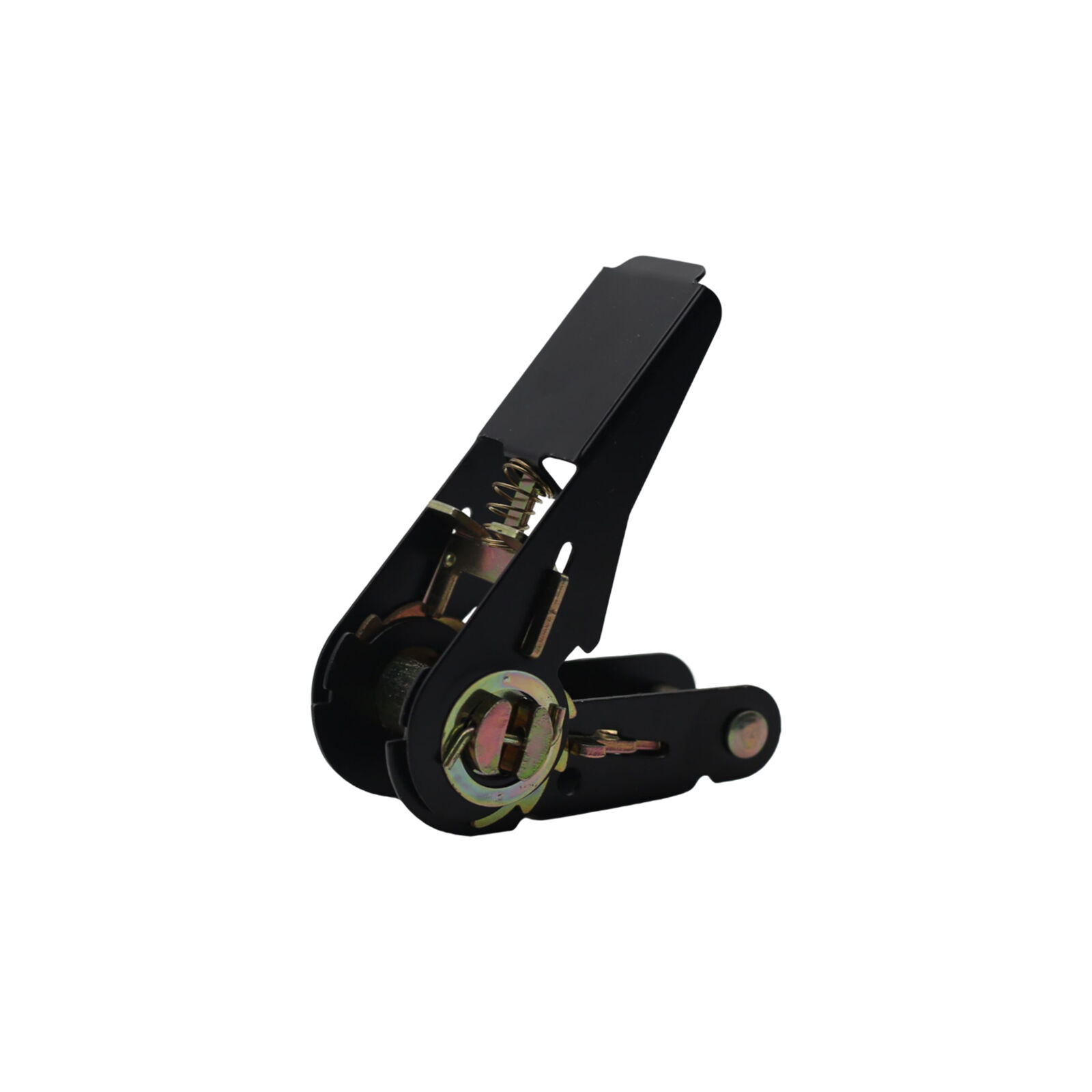
Selecting the right ratchet buckles for cargo securing applications requires careful consideration of multiple technical factors that directly impact holding power and operational safety. These mechanical tensioning devices serve as critical components in transportation, logistics, and industrial tie-down systems where load security cannot be compromised. Understanding the relationship between buckle design, material properties, and working load limits ensures optimal performance in demanding applications. Professional cargo handlers and equipment operators must evaluate various specifications to match ratchet buckles with their specific securing requirements.
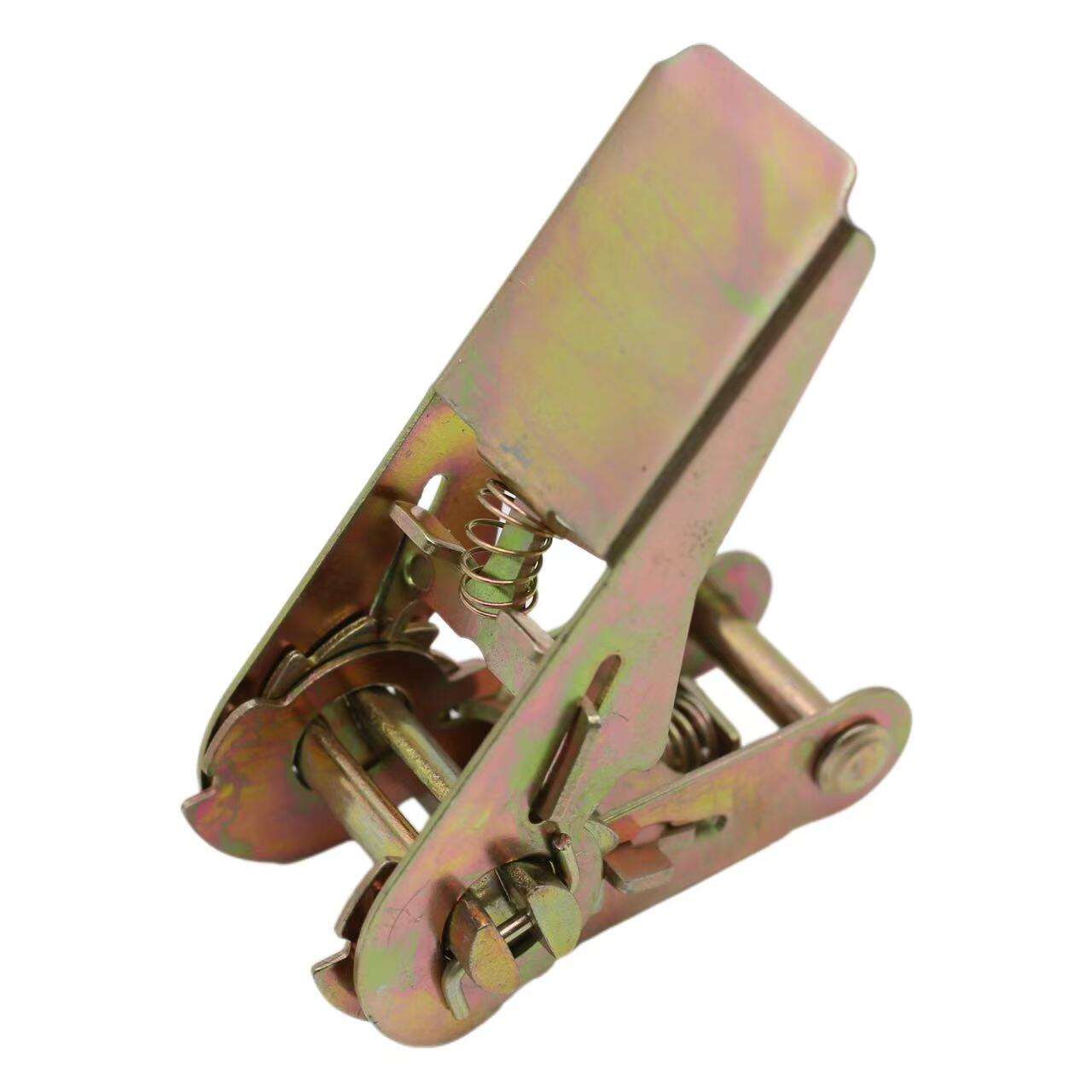
Understanding Ratchet Buckle Load Ratings and Safety Factors
Working Load Limits and Breaking Strength Specifications
The working load limit represents the maximum weight that ratchet buckles can safely handle during normal operations, typically calculated as one-third of the breaking strength. This conservative safety margin accounts for dynamic loading conditions, environmental factors, and potential material degradation over time. Professional-grade ratchet buckles commonly feature working load limits ranging from 500 to 10,000 pounds, depending on their size and construction materials. Manufacturers conduct extensive testing to establish these ratings, subjecting assemblies to cyclic loading, environmental exposure, and stress concentration analysis.
Breaking strength testing involves applying steadily increasing loads until component failure occurs, providing the ultimate tensile capacity of the assembly. Quality ratchet buckles demonstrate consistent failure modes, typically occurring in the webbing rather than the buckle mechanism itself when properly manufactured. The relationship between working load limit and breaking strength varies based on safety factor requirements, with transportation applications often demanding higher margins than stationary securing applications. Understanding these distinctions helps operators select appropriate ratchet buckles for their specific risk tolerance and regulatory compliance needs.
Dynamic Loading Considerations and Impact Forces
Transportation environments subject ratchet buckles to complex loading patterns that extend beyond simple static tension measurements. Vehicle acceleration, braking, cornering, and road surface irregularities generate dynamic forces that can exceed static loads by significant margins. These impact loads propagate through the tie-down system, creating stress concentrations at connection points and potentially compromising holding power if not properly addressed in the selection process.
Modern ratchet buckles incorporate design features that help absorb and distribute dynamic loads more effectively than older mechanisms. Spring-loaded components, progressive engagement systems, and shock-absorbing materials contribute to improved performance under varying load conditions. Operators must consider the anticipated duty cycle, including frequency and magnitude of dynamic events, when selecting ratchet buckles for mobile applications. Proper selection based on dynamic loading analysis significantly enhances system reliability and extends component service life.
Material Properties and Construction Features
Steel Alloy Compositions and Heat Treatment Processes
High-strength steel alloys form the foundation of premium ratchet buckles, with specific compositions engineered to optimize strength-to-weight ratios and corrosion resistance properties. Carbon steel grades provide excellent tensile strength and fatigue resistance, while stainless steel variants offer superior environmental durability in marine or chemical exposure applications. The heat treatment process significantly influences material properties, with controlled cooling and tempering cycles developing optimal hardness and toughness characteristics.
Manufacturing quality control extends beyond raw material selection to include precise machining tolerances, surface finishing processes, and assembly procedures. Premium ratchet buckles undergo comprehensive inspection protocols, including dimensional verification, load testing, and corrosion resistance evaluation. These quality measures ensure consistent performance across production batches and provide confidence in published load ratings and safety factors.
Protective Coatings and Environmental Resistance
Surface protection technologies play crucial roles in maintaining ratchet buckles performance throughout their service life, particularly in harsh environmental conditions. Zinc plating provides cost-effective corrosion protection for general-purpose applications, while more advanced coatings like powder coating or anodizing offer enhanced durability for demanding environments. These protective systems prevent oxidation, reduce friction in moving components, and maintain consistent operation under temperature variations.
Environmental exposure testing validates coating performance under accelerated aging conditions, including salt spray, thermal cycling, and ultraviolet radiation exposure. Quality ratchet buckles maintain their protective properties and mechanical function throughout extended exposure periods, ensuring reliable holding power in field applications. Selection criteria should include coating type, expected service environment, and maintenance requirements to optimize long-term performance and cost-effectiveness.
Mechanism Design and Operational Characteristics
Pawl Engagement Systems and Locking Mechanisms
The pawl engagement system represents the heart of ratchet buckles functionality, translating operator input into secure load retention through mechanical advantage principles. Modern designs incorporate multiple pawl teeth with optimized geometry to distribute loading forces evenly and prevent stress concentrations that could lead to premature failure. The engagement angle, tooth spacing, and contact surface area directly influence holding capacity and release characteristics under load conditions.
Advanced locking mechanisms feature safety releases and accidental disengagement protection to prevent load shifting during transportation or storage applications. These systems typically incorporate spring-loaded components that maintain positive engagement while allowing controlled release when intentionally activated. The mechanical advantage provided by ratchet buckles enables operators to achieve high tension levels with minimal physical effort, making them ideal for securing heavy or awkwardly shaped cargo loads.
Handle Ergonomics and Operational Efficiency
Handle design significantly impacts operator comfort, efficiency, and safety during ratchet buckles installation and removal procedures. Ergonomic considerations include grip diameter, surface texture, leverage length, and force requirements for both tensioning and release operations. Professional-grade units feature handles with anti-slip surfaces and optimal length-to-diameter ratios that reduce operator fatigue during repetitive use cycles.
Operational efficiency factors include the number of pumping strokes required to achieve target tension, the precision of tension adjustment, and the ease of release under various load conditions. Quality ratchet buckles provide smooth operation with consistent mechanical advantage throughout the tensioning range, enabling precise load control and reducing the risk of over-tensioning that could damage cargo or webbing components. These characteristics become increasingly important in high-volume applications where operator productivity and safety are paramount concerns.
Sizing and Compatibility Requirements
Webbing Width and Thickness Specifications
Proper webbing compatibility ensures optimal load transfer between the strap and ratchet buckles assembly, preventing stress concentrations and premature component failure. Standard webbing widths range from one to four inches, with each size category requiring specifically matched buckle dimensions for proper fit and function. The webbing thickness, measured in mils or millimeters, affects how the material feeds through the buckle mechanism and influences the maximum achievable tension levels.
Quality ratchet buckles feature precisely machined slots and guides that accommodate webbing thickness variations while maintaining secure engagement throughout the operating range. Oversized slots can allow webbing slippage under load, while undersized openings create excessive friction and wear during operation. Manufacturers typically specify compatible webbing ranges for each buckle model, including material types, weave patterns, and edge treatments that optimize performance and service life.
End Fitting Options and Attachment Methods
End fitting selection directly impacts the versatility and holding power of ratchet buckles systems in various securing applications. Common attachment options include sewn loops, formed wire hooks, snap hooks, and direct bolt-on configurations that accommodate different anchor point geometries and load distribution requirements. The connection method must provide adequate strength to transmit full buckle capacity without introducing weak points or stress concentrations.
Professional applications often require specific end fitting certifications, material traceability, and load testing documentation to ensure compliance with transportation regulations and industry standards. Ratchet buckles manufacturers typically offer multiple end fitting options for each buckle model, allowing users to optimize their systems for specific applications while maintaining consistent performance characteristics. Proper end fitting selection considers anchor point design, load distribution requirements, and operational convenience factors that affect overall system effectiveness.
Testing Standards and Certification Requirements
Industry Standards and Regulatory Compliance
Multiple industry organizations establish testing protocols and performance standards for ratchet buckles used in commercial transportation and cargo securing applications. The Web Sling and Tie Down Association provides comprehensive guidelines for tie-down equipment, including testing procedures, marking requirements, and quality control standards. Department of Transportation regulations specify minimum performance criteria for cargo restraint systems, including specific requirements for ratchet buckles used in commercial vehicle applications.
International standards such as European Norm specifications provide additional testing protocols that address global market requirements and facilitate international trade compliance. These standards typically cover load testing procedures, environmental exposure requirements, marking and identification protocols, and quality management system requirements for manufacturers. Ratchet buckles that meet multiple international standards offer greater versatility and market acceptance in diverse applications and geographic regions.
Quality Assurance and Traceability Systems
Comprehensive quality assurance programs ensure that ratchet buckles maintain consistent performance characteristics throughout production batches and service life cycles. These systems typically include incoming material inspection, in-process quality control checks, final product testing, and statistical process control monitoring to identify trends and prevent quality deviations. Traceability systems enable manufacturers to track individual components from raw materials through final assembly and delivery to end users.
Documentation packages accompanying quality ratchet buckles include test certificates, material certifications, assembly records, and inspection reports that provide confidence in published specifications and performance claims. This documentation becomes particularly important for liability insurance, regulatory compliance, and failure analysis purposes. End users should verify that their selected ratchet buckles include appropriate documentation and certification for their specific application requirements and risk management needs.
Application-Specific Selection Criteria
Transportation and Logistics Requirements
Commercial transportation applications impose unique requirements on ratchet buckles selection, including regulatory compliance, duty cycle considerations, and operational efficiency factors. Flatbed trucking operations require buckles that can withstand frequent use cycles, environmental exposure, and varying load types while maintaining consistent performance throughout their service life. The selection process must consider Department of Transportation working load limit requirements, which mandate specific capacity margins based on cargo weight and securing point configurations.
Maritime and intermodal shipping environments present additional challenges, including salt water exposure, temperature variations, and extended service periods between maintenance cycles. Ratchet buckles for these applications typically feature enhanced corrosion protection, sealed mechanisms, and materials specifically selected for marine environments. The selection criteria should include expected service conditions, maintenance accessibility, and replacement part availability to ensure optimal lifecycle cost performance.
Industrial and Manufacturing Applications
Manufacturing and industrial facilities utilize ratchet buckles for equipment securing, temporary installations, and material handling applications that may differ significantly from transportation requirements. These environments often feature controlled conditions but may include exposure to chemicals, elevated temperatures, or specialized cleaning protocols that affect material compatibility and service life. Selection criteria should address specific environmental exposures, duty cycle requirements, and integration with existing handling equipment.
Heavy industrial applications may require ratchet buckles with enhanced capacity margins, specialized materials, or custom configurations to accommodate unique securing requirements. These applications often involve valuable equipment or safety-critical installations where failure consequences justify premium component selection and enhanced maintenance protocols. The selection process should include failure mode analysis, redundancy requirements, and maintenance scheduling considerations to optimize system reliability and safety.
FAQ
What is the difference between working load limit and breaking strength for ratchet buckles
The working load limit represents the maximum safe operating capacity of ratchet buckles under normal conditions, typically calculated as one-third of the breaking strength to provide adequate safety margins. Breaking strength indicates the ultimate load capacity before component failure occurs, determined through destructive testing procedures. This relationship ensures that ratchet buckles can handle dynamic loading, environmental factors, and normal wear while maintaining safe operation throughout their service life.
How do environmental conditions affect ratchet buckles performance and selection
Environmental exposure significantly impacts ratchet buckles through corrosion, temperature effects, and contamination that can reduce holding power and operational reliability. Marine environments require stainless steel construction or enhanced protective coatings to prevent corrosion-related failures. Extreme temperatures affect material properties and lubrication characteristics, while chemical exposure may degrade protective coatings or cause stress corrosion cracking. Selection criteria should address expected environmental conditions and specify appropriate materials and protective systems.
What maintenance practices extend ratchet buckles service life and reliability
Regular inspection protocols should include visual examination for corrosion, wear, deformation, or damage that could compromise holding power or operational safety. Cleaning procedures remove contamination that interferes with mechanism operation, while appropriate lubrication maintains smooth operation and prevents premature wear. Periodic load testing validates continued capacity and identifies degradation before failure occurs. Proper storage in dry, controlled environments prevents environmental damage during non-use periods.
How do you determine the correct size and capacity for specific applications
Application analysis should begin with cargo weight, securing point geometry, and regulatory requirements that establish minimum capacity and configuration standards. The selection process must consider dynamic loading factors, environmental conditions, and duty cycle requirements that affect performance and service life. Ratchet buckles capacity should exceed calculated loads by appropriate safety margins, typically specified by transportation regulations or industry standards. Webbing compatibility, end fitting requirements, and operational convenience factors complete the selection criteria for optimal system performance.
Table of Contents
- Understanding Ratchet Buckle Load Ratings and Safety Factors
- Material Properties and Construction Features
- Mechanism Design and Operational Characteristics
- Sizing and Compatibility Requirements
- Testing Standards and Certification Requirements
- Application-Specific Selection Criteria
-
FAQ
- What is the difference between working load limit and breaking strength for ratchet buckles
- How do environmental conditions affect ratchet buckles performance and selection
- What maintenance practices extend ratchet buckles service life and reliability
- How do you determine the correct size and capacity for specific applications