 EN
EN


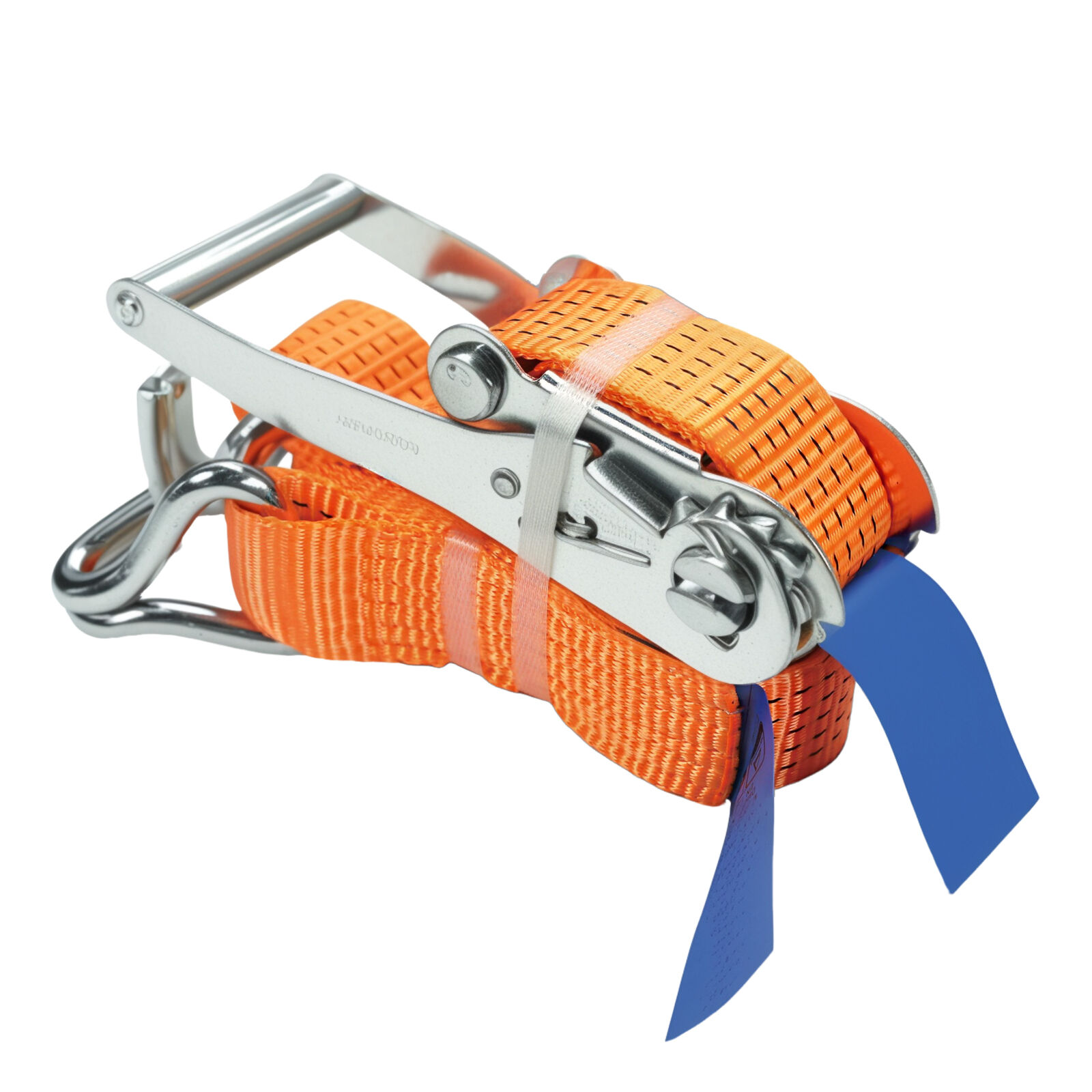
Transportation and logistics professionals understand that cargo security is paramount to successful operations. When it comes to securing loads during transport, few tools offer the reliability and versatility that ratchet straps provide. These essential tie-down devices have revolutionized how goods are transported across various industries, from commercial trucking to recreational hauling. The importance of proper load securing cannot be overstated, as unsecured cargo poses significant safety risks and potential financial losses.
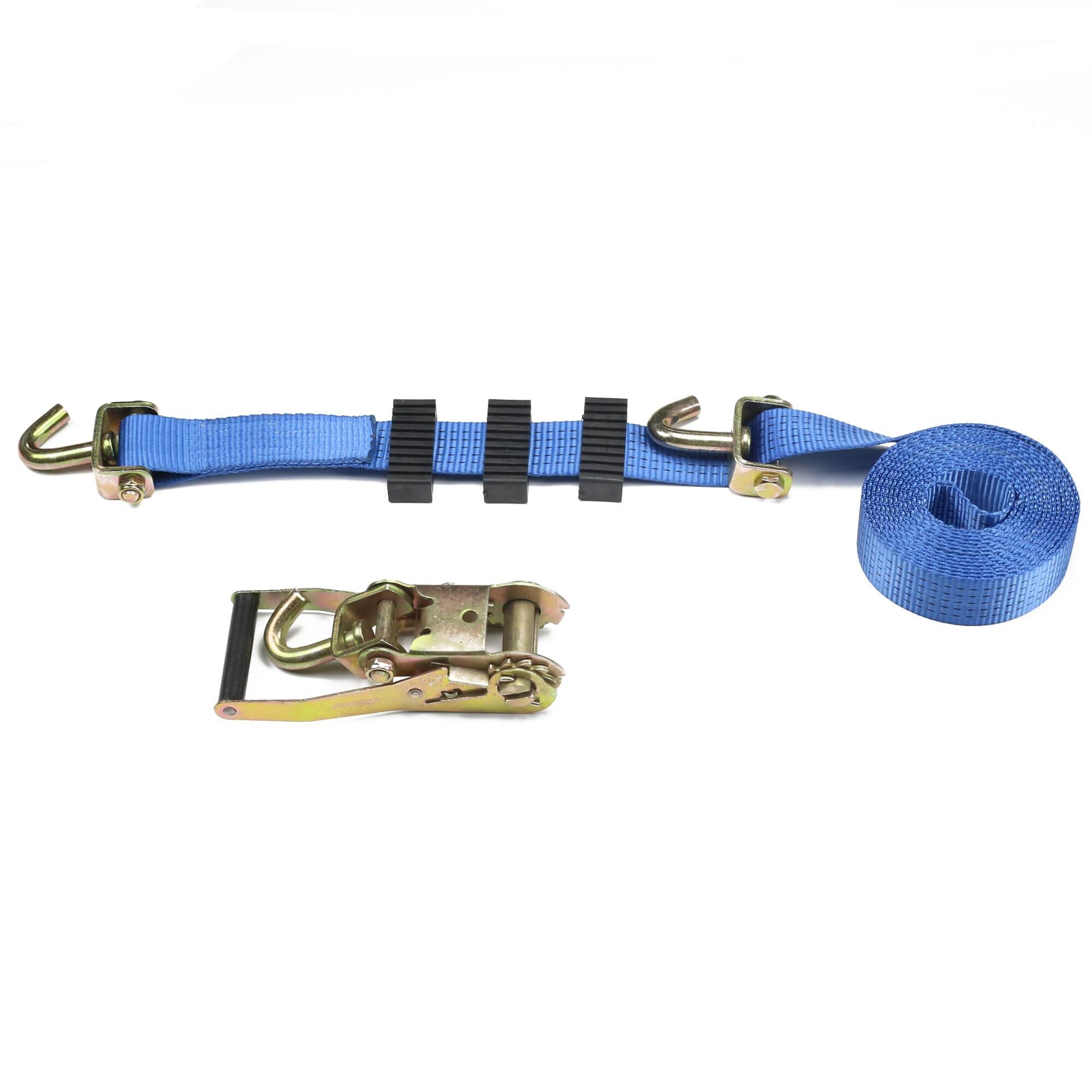
Modern transportation demands require securing systems that can withstand dynamic forces, weather conditions, and varying load types. Ratchet straps have emerged as the preferred solution for countless applications, offering superior holding power compared to traditional rope or bungee cord alternatives. Their mechanical advantage system allows users to achieve precise tension control while maintaining consistent pressure throughout the journey. Understanding the comprehensive benefits of these devices helps transportation professionals make informed decisions about their cargo securing strategies.
Superior Load Security and Safety Features
Enhanced Tensioning Mechanism
The fundamental advantage of ratchet straps lies in their sophisticated tensioning mechanism that provides exceptional control over load securing. Unlike traditional tie-down methods, these devices utilize a ratcheting system that allows users to incrementally increase tension until optimal securing force is achieved. This mechanical advantage enables even a single operator to generate substantial holding power without excessive physical effort. The precise control offered by ratchet straps ensures that delicate items receive appropriate securing pressure while heavy-duty loads get the robust restraint they require.
The tensioning process involves a simple yet effective lever action that multiplies the applied force through mechanical advantage. Each click of the ratchet handle increases the strap tension in controlled increments, allowing users to achieve the exact securing force needed for specific applications. This precision prevents both under-tensioning, which could lead to load shifting, and over-tensioning, which might damage sensitive cargo. Professional drivers and logistics coordinators particularly value this controllability when securing mixed loads with varying fragility levels.
Consistent Pressure Maintenance
One of the most significant benefits of using ratchet straps in transport is their ability to maintain consistent pressure throughout the duration of the journey. Traditional securing methods often suffer from gradual loosening due to vibration, temperature changes, and normal transportation stresses. Ratchet straps feature a locking mechanism that prevents backward movement of the webbing, ensuring that the initial tension remains constant regardless of external factors. This reliability is crucial for long-distance transportation where frequent re-tightening would be impractical or impossible.
The consistent pressure maintenance also contributes to improved fuel efficiency by preventing aerodynamic disruptions caused by shifting loads. When cargo remains properly positioned throughout transport, vehicles experience less wind resistance and maintain better stability. This stability translates to reduced wear on vehicle suspension systems and improved driver safety, particularly during adverse weather conditions or emergency maneuvers. Fleet managers recognize these advantages as contributing factors to lower operational costs and enhanced safety records.
Versatility Across Multiple Applications
Commercial Transportation Solutions
Commercial transportation operations rely heavily on ratchet straps for their versatility in securing diverse cargo types. From flatbed trucking to enclosed trailer applications, these securing devices adapt to virtually any transportation scenario. The wide range of available lengths, widths, and hook configurations ensures that professional drivers can find appropriate solutions for everything from construction materials to consumer goods. This adaptability eliminates the need for multiple securing systems, simplifying inventory management and reducing equipment costs for transportation companies.
Professional logistics operations particularly benefit from the standardization that ratchet straps provide across different vehicle types and cargo categories. Training programs become more efficient when workers learn a single securing system that applies to multiple situations. The consistent operation procedure reduces human error while improving overall load securing effectiveness. Many transportation companies have standardized on specific strap configurations to ensure compatibility across their entire fleet, streamlining maintenance and replacement procedures.
Recreational and Personal Use Applications
Beyond commercial applications, ratchet straps have become indispensable tools for recreational and personal transportation needs. Weekend warriors hauling boats, motorcycles, ATVs, and camping equipment rely on these devices for secure transport to recreation destinations. The user-friendly design makes them accessible to non-professional users while still providing the securing power needed for valuable recreational equipment. Home improvement enthusiasts frequently use ratchet straps when transporting lumber, appliances, and other materials from retail locations to their project sites.
The recreational market has driven innovation in ratchet strap design, leading to features like padded hooks that prevent scratching of finished surfaces and quick-release mechanisms for faster setup and breakdown. These user-focused improvements have made ratchet straps the preferred choice for consumers who value both effectiveness and ease of use. The investment in quality securing equipment pays dividends in protecting valuable recreational assets during transport while providing peace of mind for users who may not have extensive experience with cargo securing techniques.
Durability and Weather Resistance Benefits
Material Construction Advantages
Modern ratchet straps incorporate advanced materials that provide exceptional durability under demanding transportation conditions. High-strength polyester webbing resists stretching, abrasion, and UV degradation, ensuring long service life even with frequent use. The webbing material maintains its strength characteristics across a wide temperature range, making ratchet straps suitable for both arctic and desert transportation environments. This material stability is crucial for operations that encounter varying climate conditions throughout their routes.
The metal components of ratchet straps typically feature corrosion-resistant coatings or materials that withstand exposure to salt, moisture, and chemical contaminants commonly encountered during transport. Stainless steel and zinc-plated hardware options provide extended service life in marine environments or areas with harsh winter road treatments. This durability translates to lower replacement costs and reduced downtime for transportation operations that depend on reliable securing equipment. Regular inspection and maintenance procedures help maximize the service life of ratchet straps while ensuring continued safety performance.
Environmental Performance Characteristics
Transportation operations frequently encounter challenging environmental conditions that test the limits of securing equipment. Ratchet straps demonstrate superior performance in wet conditions where traditional rope materials might become slippery or lose strength. The synthetic webbing materials used in quality ratchet straps maintain their grip and tensile strength even when saturated with water, ensuring consistent securing performance regardless of weather conditions. This reliability is particularly valuable for operations that cannot postpone deliveries due to inclement weather.
Temperature extremes pose additional challenges for cargo securing systems, but well-designed ratchet straps maintain their flexibility and strength across operational temperature ranges. Cold weather operations benefit from materials that resist brittle failure, while hot climate applications require UV stability to prevent degradation. The thermal stability of modern ratchet straps ensures that securing force remains consistent as temperatures fluctuate during transport. This environmental resilience contributes to the overall reliability that makes ratchet straps the preferred choice for professional transportation applications.
Economic and Efficiency Advantages
Cost-Effectiveness Analysis
When evaluating securing solutions for transportation applications, ratchet straps demonstrate superior cost-effectiveness compared to alternative methods. The initial investment in quality ratchet straps quickly pays for itself through reduced cargo damage, improved operational efficiency, and extended equipment service life. Unlike single-use securing methods or systems requiring frequent replacement, properly maintained ratchet straps provide years of reliable service across thousands of securing cycles. This longevity makes them an economical choice for both commercial operators and individual users.
The labor efficiency gains achieved with ratchet straps contribute significantly to their economic advantages. Traditional securing methods often require multiple personnel or excessive time to achieve adequate securing force. Ratchet straps enable single-operator securing of most loads, reducing labor costs while improving operational flexibility. The speed of deployment and adjustment also minimizes dwell time at loading facilities, improving overall transportation efficiency. Fleet operators report measurable improvements in driver productivity when crews are equipped with appropriate ratchet strap systems.
Operational Efficiency Improvements
Transportation efficiency depends heavily on the speed and reliability of loading and securing procedures. Ratchet straps streamline these operations by providing consistent, repeatable results that reduce the learning curve for new personnel. Standardized securing procedures using ratchet straps enable transportation companies to maintain quality control across multiple crews and locations. This consistency reduces the risk of improperly secured loads while improving overall operational reliability.
The modularity of ratchet strap systems allows transportation operations to optimize their securing approach for specific route and cargo characteristics. Different strap lengths and configurations can be combined to create customized securing solutions without requiring specialized equipment or extensive training. This flexibility enables operations to adapt quickly to changing cargo requirements while maintaining high securing standards. The ability to reconfigure securing systems for different applications maximizes equipment utilization and reduces the total investment required for comprehensive cargo securing capabilities.
Safety and Compliance Considerations
Regulatory Compliance Benefits
Transportation regulations in most jurisdictions specify minimum requirements for cargo securing systems, and ratchet straps help operators meet or exceed these standards. The consistent performance characteristics of quality ratchet straps provide measurable securing force that can be documented for compliance purposes. This traceability is particularly important for commercial operations subject to inspection by regulatory authorities. Using certified ratchet straps with known working load limits helps demonstrate due diligence in cargo securing practices.
Professional drivers appreciate the confidence that properly rated ratchet straps provide when facing regulatory inspections. The clear marking of working load limits and break strength specifications on quality straps enables inspectors to quickly verify compliance with applicable regulations. This transparency reduces the likelihood of violations and associated penalties while supporting the professional image of responsible transportation operators. Many companies incorporate ratchet strap specifications into their standard operating procedures to ensure consistent compliance across their operations.
Risk Mitigation Strategies
Effective risk management in transportation operations must address the potential consequences of load shifting or cargo loss during transport. Ratchet straps serve as a primary defense against these risks by providing reliable securing force that maintains cargo position under normal and emergency conditions. The predictable performance characteristics of these devices enable transportation planners to develop securing protocols that address specific risk scenarios while maintaining operational efficiency.
Insurance considerations often favor operations that demonstrate proactive risk management through the use of appropriate securing equipment. Many insurance providers recognize the risk reduction benefits of proper ratchet strap usage and may offer premium adjustments for operators who implement comprehensive securing programs. The documentation and training aspects of professional ratchet strap programs contribute to the overall risk profile assessment that influences insurance costs and coverage availability.
FAQ
How often should ratchet straps be inspected for safety
Professional transportation operations should inspect ratchet straps before each use, looking for signs of webbing wear, hardware damage, or mechanism malfunction. Monthly detailed inspections should document strap condition and retire any units showing significant wear or damage. Home users should inspect ratchet straps at the beginning of each usage season and whenever they notice any performance changes during operation.
What is the proper working load limit for different cargo weights
Ratchet straps should never be loaded beyond their marked working load limit, which is typically one-third of the break strength. For cargo securing applications, the total securing force should equal or exceed the cargo weight to account for transportation forces. Professional applications often require engineering calculations to determine appropriate securing requirements based on cargo weight, acceleration forces, and regulatory requirements.
Can ratchet straps be used in all weather conditions
Quality ratchet straps are designed to function effectively in most weather conditions, including rain, snow, and temperature extremes. However, users should inspect straps more frequently when used in harsh conditions and allow extra time for operation in extremely cold temperatures. Ice formation on ratchet mechanisms should be removed before operation to ensure proper function and prevent damage to the securing system.
What maintenance is required to extend ratchet strap service life
Regular cleaning with mild soap and water helps remove contaminants that could degrade webbing or hardware components. Ratchet straps should be stored in dry conditions away from direct sunlight and chemical exposure. Periodic lubrication of pivot points with appropriate lubricants helps maintain smooth operation, while damaged or worn components should be replaced promptly to maintain safety performance.