 EN
EN


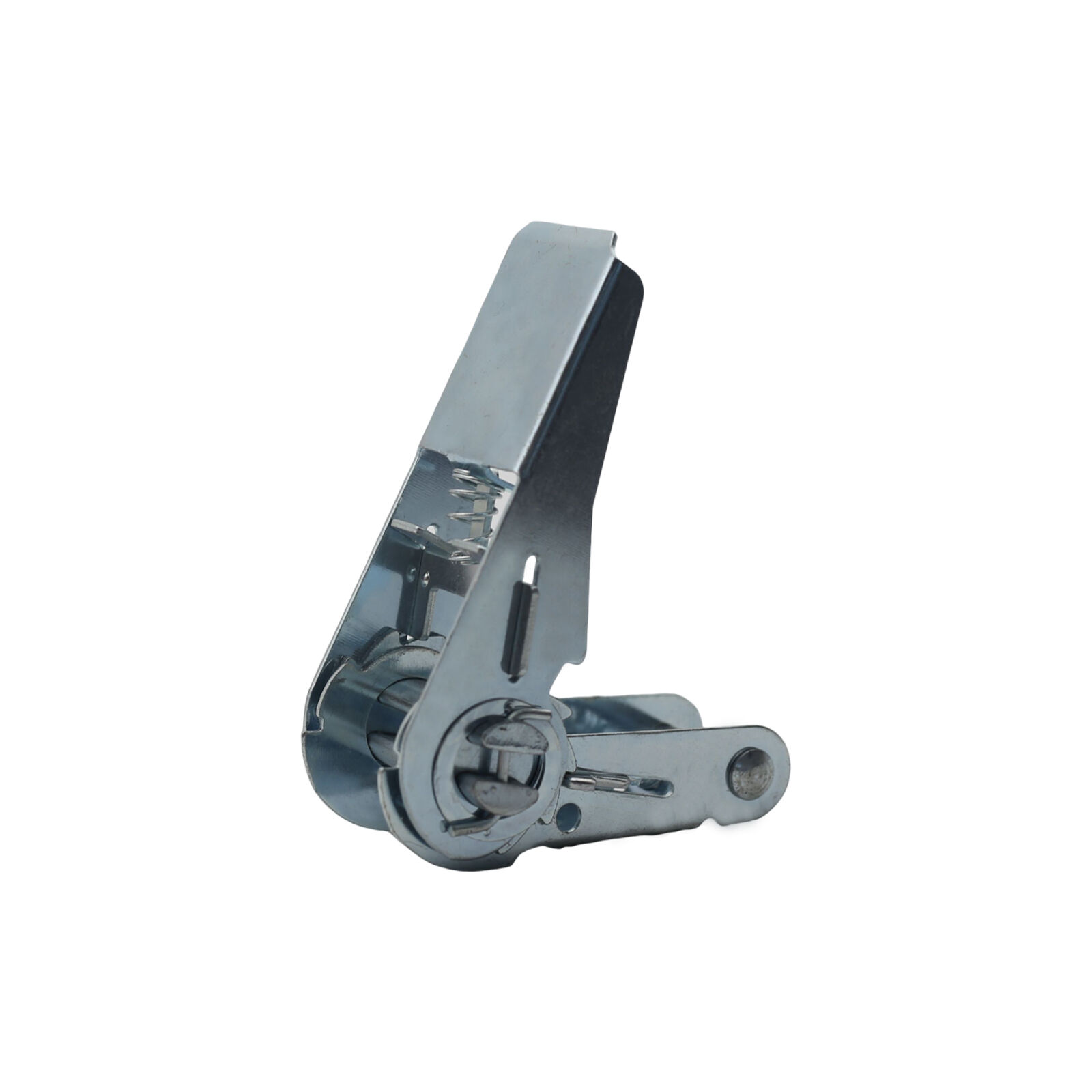
Heavy-duty cargo transportation and securing loads requires reliable fastening solutions that can withstand extreme forces and environmental conditions. Ratchet buckles have emerged as the industry standard for professional load securing applications, offering superior tensioning capabilities and enhanced safety features compared to traditional tie-down methods. These mechanical fastening devices provide precise load control through their ratcheting mechanism, allowing operators to achieve optimal tension levels while maintaining secure connections throughout transportation cycles.
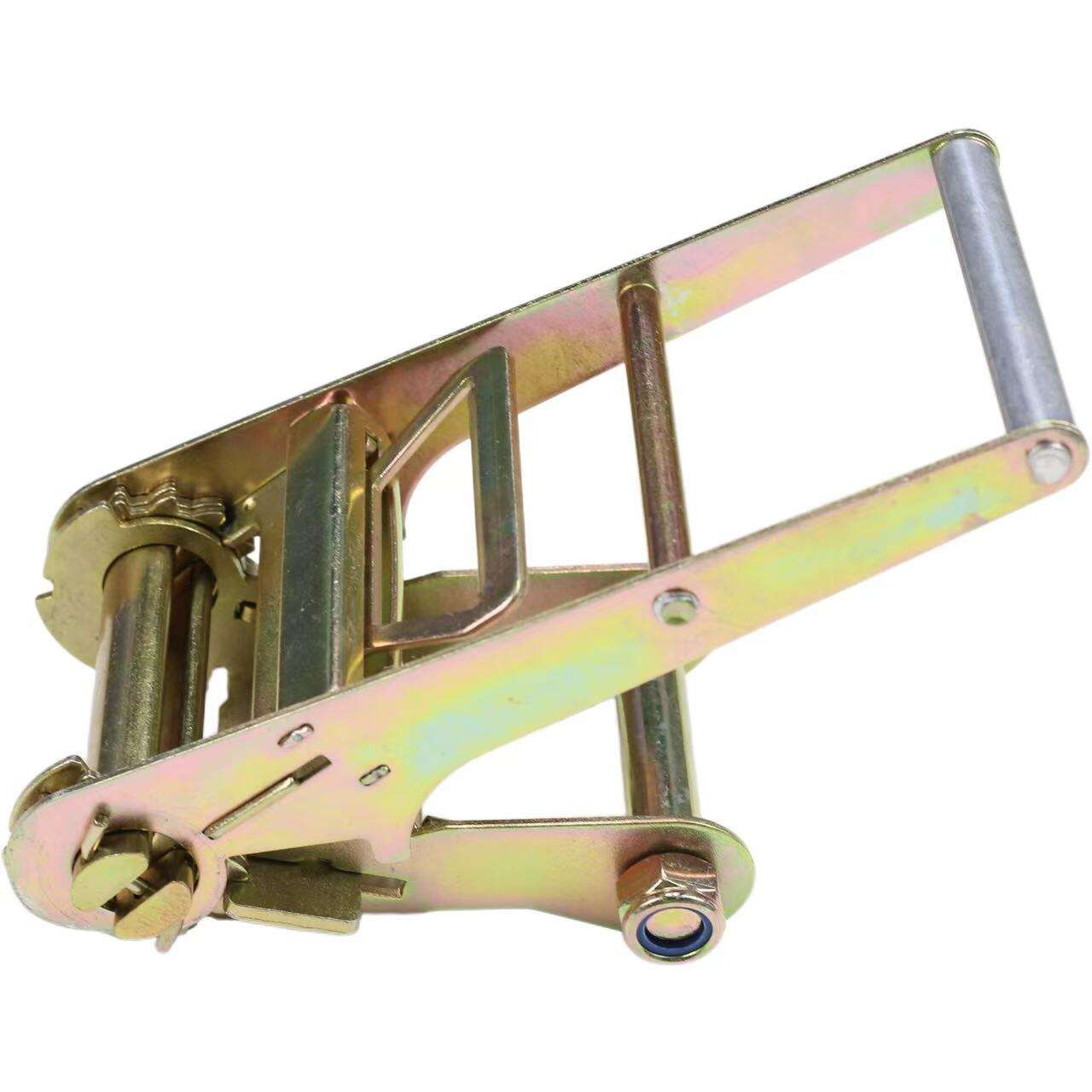
The engineering behind ratchet buckles incorporates advanced materials science and precision manufacturing techniques to deliver consistent performance under demanding operational conditions. Modern ratchet buckles feature high-strength steel construction with corrosion-resistant coatings that ensure longevity in marine, industrial, and automotive applications. The mechanical advantage provided by the ratcheting system enables users to generate significantly higher tension forces than manual tightening methods, resulting in more secure load restraint and reduced risk of cargo shifting during transit.
Advanced Engineering and Design Features
Precision Machined Components
Manufacturing processes for high-quality ratchet buckles involve precision machining techniques that ensure consistent tolerances and optimal component fit. The ratcheting mechanism relies on precisely engineered pawl and gear assemblies that engage smoothly while providing reliable holding power under load. Advanced metallurgy techniques create components with superior fatigue resistance, enabling ratchet buckles to withstand thousands of tensioning cycles without degradation in performance or safety margins.
Quality control protocols during manufacturing ensure that each ratchet buckle meets strict dimensional specifications and material properties. Testing procedures validate the tensioning capacity, release mechanism functionality, and structural integrity of every component before assembly. This comprehensive approach to quality assurance guarantees that ratchet buckles perform consistently in real-world applications where equipment failure can result in significant safety hazards and financial losses.
Material Selection and Durability
The selection of materials for ratchet buckles involves careful consideration of strength-to-weight ratios, corrosion resistance, and fatigue characteristics. High-carbon steel alloys provide the necessary strength for heavy-duty applications while maintaining reasonable weight profiles for portable use. Surface treatments such as zinc plating, powder coating, or anodizing enhance corrosion resistance and extend service life in challenging environmental conditions including salt water exposure, chemical contamination, and extreme temperature variations.
Advanced composite materials and aluminum alloys are increasingly incorporated into ratchet buckle designs to reduce weight while maintaining structural integrity. These materials offer excellent corrosion resistance and improved fatigue characteristics compared to traditional steel construction. The careful balance of material properties ensures that ratchet buckles deliver optimal performance across diverse application requirements while minimizing maintenance needs and replacement frequency.
Operational Advantages and Performance Benefits
Superior Load Control Capabilities
The mechanical advantage inherent in ratchet buckles enables operators to achieve precise tension control that surpasses manual tightening methods by significant margins. This enhanced tensioning capability translates directly to improved load security and reduced risk of cargo movement during transportation. The ratcheting mechanism allows for incremental tension adjustments, enabling fine-tuning of restraint forces to match specific load characteristics and transportation requirements.
Professional load securing applications benefit from the consistent tension levels achievable with ratchet buckles compared to alternative fastening methods. The mechanical advantage reduces operator fatigue while ensuring adequate tension application, leading to more reliable securing practices across multiple loading cycles. This consistency in tension application contributes to improved safety margins and reduced liability exposure in commercial transportation operations.
Enhanced Safety and Reliability Features
Safety mechanisms integrated into modern ratchet buckles include positive locking systems that prevent accidental release under load conditions. These safety features incorporate multiple engagement points and fail-safe designs that maintain secure connections even in the event of component wear or environmental stress. The positive release mechanisms ensure controlled tension release during unloading operations, reducing the risk of sudden load shifts or operator injury from rapid strap recoil.
Ergonomic design considerations in ratchet buckles minimize operator strain and improve handling safety during installation and removal procedures. Extended handles provide increased leverage while reducing hand fatigue during repetitive use. Non-slip grip surfaces and intuitive operation sequences enable safe use even in challenging environmental conditions such as wet weather, low light, or confined spaces where precise manipulation is critical for operational safety.
Industry Applications and Specialized Uses
Transportation and Logistics
Commercial transportation industries rely heavily on ratchet buckles for securing diverse cargo types ranging from construction materials to delicate manufactured goods. The versatility of ratchet buckles makes them suitable for flatbed trucking, container securing, and specialized transport applications where load security directly impacts operational efficiency and regulatory compliance. Professional drivers and logistics coordinators prefer ratchet buckles for their reliability and ease of use across varying load configurations and weight distributions.
Regulatory standards governing cargo securement in commercial transportation explicitly recognize ratchet buckles as approved restraint devices meeting federal safety requirements. These regulations specify minimum working load limits and safety factors that ratchet buckles must achieve to qualify for commercial use. Compliance with these standards ensures that transportation operators maintain proper insurance coverage and avoid regulatory violations that could result in significant penalties or operational restrictions.
Industrial and Manufacturing Applications
Manufacturing facilities utilize ratchet buckles for securing equipment during relocation, maintaining tension on flexible production line components, and restraining materials during processing operations. The precision control offered by ratchet buckles enables consistent tension application in automated systems where reliable securing is essential for production quality and worker safety. Industrial maintenance operations benefit from the durability and reusability of ratchet buckles compared to single-use fastening alternatives.
Heavy equipment operations incorporate ratchet buckles for securing attachments, maintaining proper alignment of movable components, and restraining loads during lifting operations. The high working load limits available in industrial-grade ratchet buckles accommodate the substantial forces generated in construction, mining, and material handling applications. The ability to achieve precise tension control contributes to equipment longevity and operational safety in demanding industrial environments.
Selection Criteria and Specifications
Working Load Limits and Safety Factors
Proper selection of ratchet buckles requires careful evaluation of working load limits relative to anticipated force requirements and safety factors mandated by applicable regulations or industry standards. Working load limits represent the maximum safe operating load under normal conditions, while break strength specifications indicate the ultimate failure point under extreme loading. Understanding these parameters enables proper sizing of ratchet buckles to ensure adequate safety margins while avoiding over-specification that increases costs without providing operational benefits.
Safety factors typically range from 3:1 to 5:1 depending on application requirements and regulatory specifications, meaning that ratchet buckles must demonstrate break strengths significantly exceeding their working load ratings. This safety margin accommodates dynamic loading conditions, environmental factors, and normal wear that may reduce component strength over time. Proper application of safety factors ensures reliable performance throughout the service life of ratchet buckles while maintaining compliance with applicable safety standards.
Environmental Considerations and Corrosion Resistance
Environmental conditions significantly influence the selection of appropriate ratchet buckles for specific applications, with factors such as temperature extremes, chemical exposure, and moisture levels affecting material performance and service life. Marine applications require enhanced corrosion resistance through specialized coatings or stainless steel construction to withstand salt water exposure and humidity. Chemical processing environments may necessitate specialized materials or protective treatments to prevent degradation from aggressive substances.
Temperature considerations affect both material properties and operational characteristics of ratchet buckles, with extreme cold potentially increasing material brittleness while high temperatures may reduce strength or cause thermal expansion issues. UV exposure in outdoor applications can degrade certain materials and coatings over time, requiring selection of UV-resistant materials or protective treatments. Comprehensive evaluation of environmental factors ensures optimal ratchet buckle selection for long-term reliability and cost-effective operation.
Installation and Maintenance Best Practices
Proper Installation Techniques
Correct installation procedures for ratchet buckles ensure optimal performance and prevent premature failure or safety hazards during operation. Proper webbing threading through the ratchet mechanism requires attention to routing direction and engagement sequence to achieve full mechanical advantage and prevent binding or uneven wear. Installation training emphasizes the importance of inspecting ratchet buckles before each use to identify potential damage or wear that could compromise performance.
Tension application procedures involve gradual tightening to allow load settling while monitoring for signs of overloading or component distress. Proper technique includes multiple tension cycles with intermediate load checking to ensure uniform distribution and optimal securing effectiveness. Understanding the relationship between handle position, mechanical advantage, and actual tension levels enables operators to achieve consistent results while avoiding over-tensioning that could damage cargo or equipment.
Maintenance and Inspection Protocols
Regular inspection protocols for ratchet buckles include visual examination of all components for signs of wear, damage, or corrosion that could affect safety or performance. Critical inspection points include pawl engagement surfaces, pivot points, spring mechanisms, and load-bearing components where stress concentrations may cause fatigue cracking or excessive wear. Documentation of inspection results enables tracking of component condition over time and supports predictive maintenance scheduling.
Maintenance procedures for ratchet buckles emphasize cleaning to remove contamination that could interfere with proper operation, lubrication of moving parts to ensure smooth operation and prevent wear, and replacement of worn components before they reach failure thresholds. Proper storage techniques protect ratchet buckles from environmental damage and prevent accidental damage during handling or transport. These maintenance practices maximize service life while ensuring consistent performance and safety throughout the operational lifetime of ratchet buckles.
FAQ
What is the typical working load limit for heavy-duty ratchet buckles?
Heavy-duty ratchet buckles typically offer working load limits ranging from 2,500 to 15,000 pounds depending on the specific design and construction materials. Industrial-grade ratchet buckles commonly feature working load limits of 5,000 to 10,000 pounds for standard applications, while specialized heavy-duty versions can achieve working load limits exceeding 15,000 pounds. The selection of appropriate working load limits depends on the specific application requirements, safety factors, and regulatory compliance needs.
How do ratchet buckles compare to other securing methods in terms of tension control?
Ratchet buckles provide superior tension control compared to manual tightening methods, cam buckles, or rope-based securing systems through their mechanical advantage and incremental adjustment capabilities. The ratcheting mechanism enables precise tension control with consistent results across multiple applications, while the positive locking system maintains tension levels without relaxation over time. This superior control translates to improved load security and reduced risk of cargo shifting during transportation compared to alternative securing methods.
What maintenance is required to ensure optimal performance of ratchet buckles?
Optimal performance of ratchet buckles requires regular cleaning to remove dirt and debris that could interfere with the ratcheting mechanism, periodic lubrication of moving parts with appropriate lubricants, and systematic inspection for wear or damage. Maintenance schedules should include checking pawl engagement, verifying smooth operation of the release mechanism, and examining all load-bearing components for signs of fatigue or corrosion. Proper storage in dry conditions and protection from UV exposure when not in use extends service life and maintains reliability.
Can ratchet buckles be used in marine environments without special considerations?
Marine environments require specialized ratchet buckles with enhanced corrosion resistance through stainless steel construction, specialized coatings, or protective treatments to withstand salt water exposure and high humidity conditions. Standard carbon steel ratchet buckles may experience accelerated corrosion in marine environments, leading to reduced service life and potential safety hazards. Marine-grade ratchet buckles incorporate materials and treatments specifically designed to resist corrosion while maintaining strength and functionality in challenging saltwater conditions.
Table of Contents
- Advanced Engineering and Design Features
- Operational Advantages and Performance Benefits
- Industry Applications and Specialized Uses
- Selection Criteria and Specifications
- Installation and Maintenance Best Practices
-
FAQ
- What is the typical working load limit for heavy-duty ratchet buckles?
- How do ratchet buckles compare to other securing methods in terms of tension control?
- What maintenance is required to ensure optimal performance of ratchet buckles?
- Can ratchet buckles be used in marine environments without special considerations?