 EN
EN

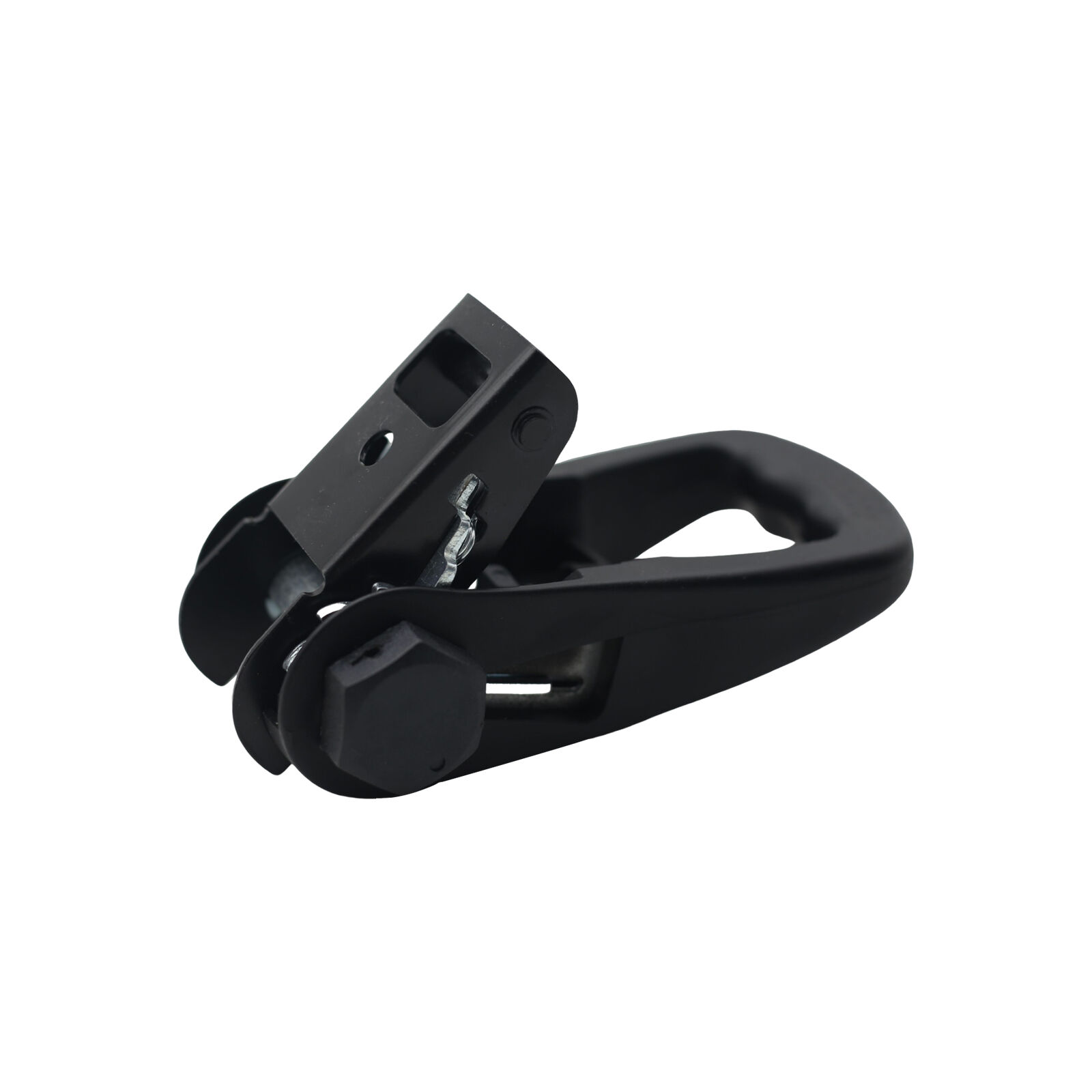
Load securing has evolved dramatically in the transportation and cargo industry, with ratchet buckles becoming the gold standard for efficient and reliable tie-down operations. These mechanical devices have revolutionized how professionals approach cargo management, offering superior tensioning capabilities compared to traditional securing methods. The engineering behind ratchet buckles combines durability with user-friendly operation, making them indispensable tools for anyone involved in freight transportation, moving services, or equipment handling.
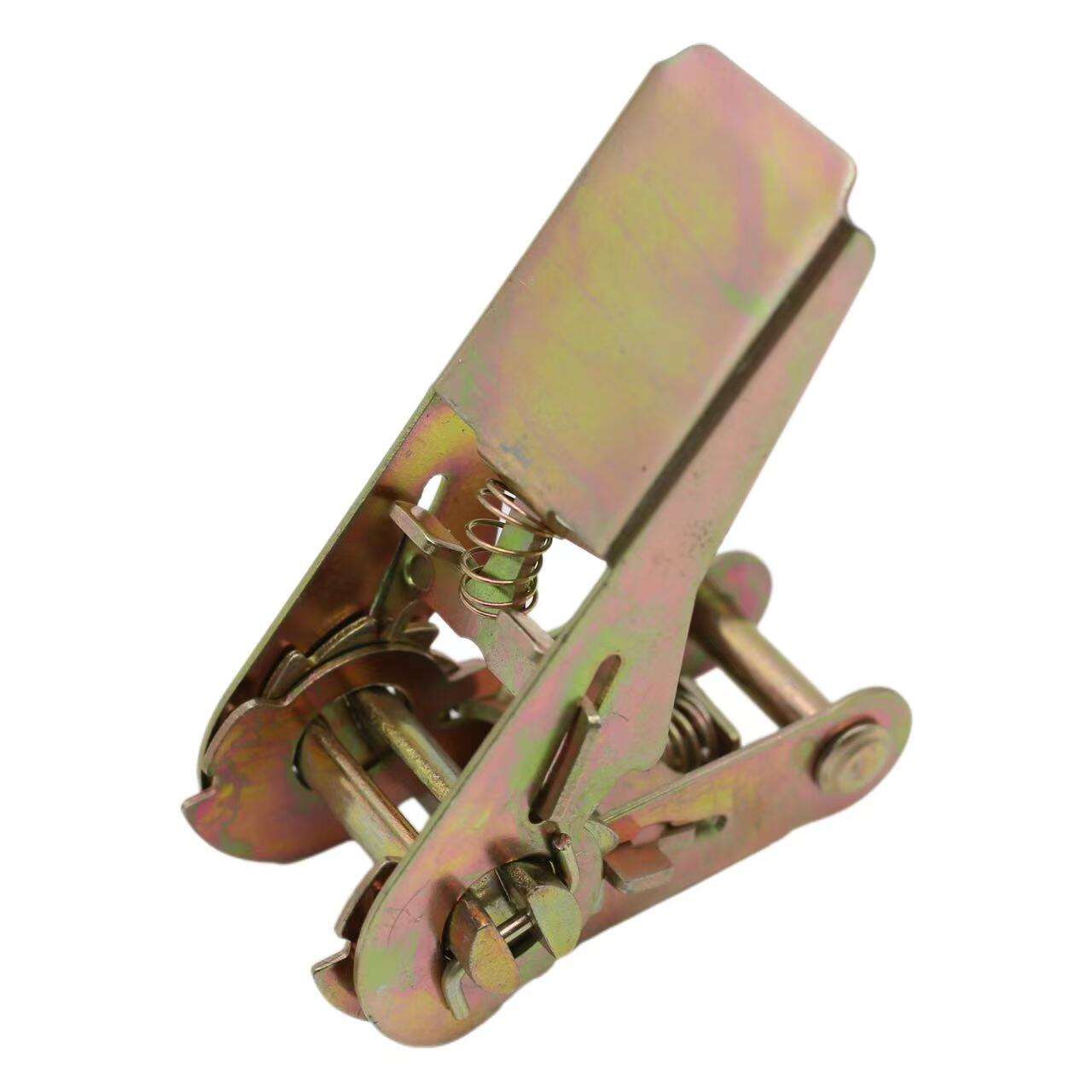
Understanding Ratchet Buckle Mechanics and Design
Core Components and Engineering Principles
The mechanical advantage provided by ratchet buckles stems from their sophisticated internal gear system, which allows operators to achieve precise tension control with minimal physical effort. The primary components include a ratcheting mechanism, release lever, and webbing guides that work in harmony to create a secure connection. This engineering approach enables users to incrementally increase tension while preventing backward movement of the strap material.
Modern ratchet buckles incorporate advanced materials science, utilizing high-strength steel alloys and precision manufacturing techniques. The pawl and gear system within these devices can withstand tremendous forces while maintaining smooth operation over thousands of cycles. Quality manufacturers ensure that each component meets stringent durability standards, resulting in tools that perform consistently under demanding conditions.
Material Selection and Durability Factors
Premium ratchet buckles feature corrosion-resistant coatings and hardened steel construction that extends their operational lifespan significantly. The material selection process considers environmental factors such as moisture exposure, temperature variations, and chemical resistance requirements. These considerations ensure that ratchet buckles maintain their mechanical integrity across diverse applications and climatic conditions.
The surface treatments applied to quality ratchet buckles include zinc plating, powder coating, or stainless steel construction depending on the intended use environment. These protective measures prevent rust formation and maintain smooth operation of moving parts throughout the product lifecycle. Professional users often specify particular coating requirements based on their specific operational environments and regulatory compliance needs.
Efficiency Advantages in Load Securing Applications
Time Savings and Operational Speed
The efficiency gains achieved through ratchet buckles become immediately apparent when compared to traditional rope or bungee cord methods. Professional drivers and cargo handlers report significant time reductions in securing operations, often completing tasks in half the time required by conventional methods. This efficiency translates directly into improved productivity and reduced labor costs across transportation operations.
The incremental tensioning capability of ratchet buckles eliminates the guesswork associated with achieving proper securing force. Operators can precisely control tension levels without the physical strain typically required by manual rope tightening methods. This controlled approach reduces the risk of over-tensioning that could damage cargo while ensuring adequate securing force for safe transportation.
Enhanced Safety and Reliability Performance
Safety improvements represent perhaps the most significant advantage offered by modern ratchet buckles in professional cargo operations. The mechanical lock feature prevents accidental loosening during transport, addressing one of the primary failure modes associated with traditional securing methods. This reliability factor has made ratchet buckles the preferred choice for high-value or hazardous cargo applications where securing failure could result in serious consequences.
The standardized working load limits and break strength specifications of quality ratchet buckles provide transportation professionals with precise engineering data for load calculations. This technical information enables proper selection of securing equipment based on cargo weight, transportation conditions, and regulatory requirements. Professional users can confidently specify appropriate ratchet buckles knowing their performance characteristics are documented and verified through testing.
Industry Applications and Use Case Benefits
Commercial Transportation and Freight Operations
Commercial trucking operations have widely adopted ratchet buckles as standard equipment due to their proven performance in diverse cargo scenarios. From flatbed trailers carrying construction materials to van applications securing loose items, these devices provide consistent performance across varying load types. The versatility of ratchet buckles allows transportation companies to standardize their securing equipment while maintaining capability across different cargo categories.
Fleet operators particularly value the durability and reusability of quality ratchet buckles, which significantly reduces ongoing equipment costs compared to disposable alternatives. The initial investment in premium ratchet buckles typically pays for itself through reduced replacement frequency and improved operational efficiency. Many fleet managers report achieving several years of service life from properly maintained ratchet buckles under normal operating conditions.
Construction and Industrial Equipment Securing
Construction industry applications demand exceptional reliability from securing equipment due to the high value and potential hazards associated with heavy machinery transport. Ratchet buckles provide the necessary securing force and reliability required for moving excavators, generators, and other valuable equipment safely. The ability to achieve and maintain proper tension ensures that expensive machinery remains properly positioned during transport operations.
Industrial facilities utilize ratchet buckles for temporary securing applications during maintenance operations and equipment relocations. The quick-release feature enables rapid deployment and removal while maintaining secure positioning during work activities. This flexibility makes ratchet buckles valuable tools for maintenance crews who need reliable temporary securing solutions that can be quickly installed and removed as needed.
Selection Criteria and Performance Optimization
Working Load Limit and Safety Factor Considerations
Proper selection of ratchet buckles requires careful consideration of working load limits relative to the cargo weight and transportation conditions. Professional users must understand the relationship between working load limit and break strength to ensure appropriate safety margins. Quality ratchet buckles typically feature safety factors of four to one or higher, providing substantial margin above the rated working load limit.
Environmental factors such as temperature extremes, chemical exposure, and abrasion potential influence the selection process for ratchet buckles in specialized applications. Users operating in harsh conditions may require stainless steel construction or special coatings to maintain performance over extended periods. These selection considerations ensure that ratchet buckles continue performing reliably throughout their intended service life.
Maintenance Requirements and Longevity Factors
Regular inspection and maintenance protocols maximize the service life and safety performance of ratchet buckles in professional applications. Simple maintenance procedures include cleaning debris from moving parts, lubricating pivot points, and inspecting for signs of wear or damage. These preventive measures ensure that ratchet buckles continue operating smoothly and reliably over thousands of use cycles.
Storage conditions significantly impact the longevity of ratchet buckles, with proper protection from moisture and corrosive substances extending service life considerably. Professional users often implement storage protocols that include dry storage areas and periodic inspection schedules to identify potential issues before they affect performance. These proactive approaches minimize unexpected failures and maintain equipment reliability across fleet operations.
Future Developments and Technology Integration
Advanced Materials and Manufacturing Innovations
Emerging materials technologies promise to further enhance the performance and durability of next-generation ratchet buckles through improved strength-to-weight ratios and corrosion resistance. Advanced manufacturing techniques such as precision forging and automated assembly are reducing production costs while improving quality consistency. These technological developments make high-performance ratchet buckles more accessible to a broader range of professional users.
Integration of smart technologies into ratchet buckles represents an exciting development area that could provide real-time tension monitoring and usage tracking capabilities. These innovations would enable fleet managers to optimize maintenance schedules and ensure proper securing procedures are followed consistently. The potential for data collection and analysis through connected ratchet buckles could revolutionize cargo securing practices in professional transportation operations.
Regulatory Compliance and Industry Standards Evolution
Evolving transportation regulations continue to emphasize the importance of proper cargo securing practices, with ratchet buckles playing a central role in compliance strategies. Industry standards organizations regularly update requirements for securing equipment performance and testing protocols. These regulatory developments drive continued innovation in ratchet buckle design and manufacturing processes to meet increasingly stringent performance requirements.
International harmonization of cargo securing standards creates opportunities for standardized ratchet buckle specifications across global transportation networks. This standardization benefits manufacturers and users alike by enabling economies of scale in production and simplifying equipment selection for international operations. The trend toward unified standards supports the continued growth and adoption of advanced ratchet buckle technologies in professional applications worldwide.
FAQ
What is the typical working load limit for standard ratchet buckles?
Standard ratchet buckles typically feature working load limits ranging from 500 to 5,000 pounds depending on their size and construction materials. One-inch ratchet buckles commonly have working load limits between 500 and 1,500 pounds, while two-inch versions can handle 1,500 to 3,333 pounds. Always verify the specific working load limit marked on each ratchet buckle and ensure it exceeds your cargo securing requirements with appropriate safety margins.
How often should ratchet buckles be inspected for safety compliance?
Professional transportation operations should inspect ratchet buckles before each use and conduct more thorough examinations monthly or quarterly depending on usage frequency. Daily visual inspections should check for obvious damage, proper operation of the release mechanism, and signs of wear on critical components. Any ratchet buckles showing cracks, bent components, or operational difficulties should be immediately removed from service and replaced.
Can ratchet buckles be used in extreme temperature conditions?
Quality ratchet buckles designed for professional use can typically operate in temperature ranges from negative 40 to positive 180 degrees Fahrenheit without performance degradation. However, extreme temperatures may affect the flexibility of associated webbing materials and should be considered in the overall securing system design. For specialized applications in extreme conditions, consult with manufacturers about temperature-specific ratchet buckle options and recommended usage protocols.
What maintenance procedures extend ratchet buckle service life?
Regular cleaning to remove dirt and debris from moving parts represents the most important maintenance procedure for ratchet buckles. Periodic lubrication of pivot points with light machine oil helps maintain smooth operation and prevents premature wear. Store ratchet buckles in dry conditions away from corrosive substances, and replace any units showing signs of damage or excessive wear to maintain safety performance standards.