 EN
EN


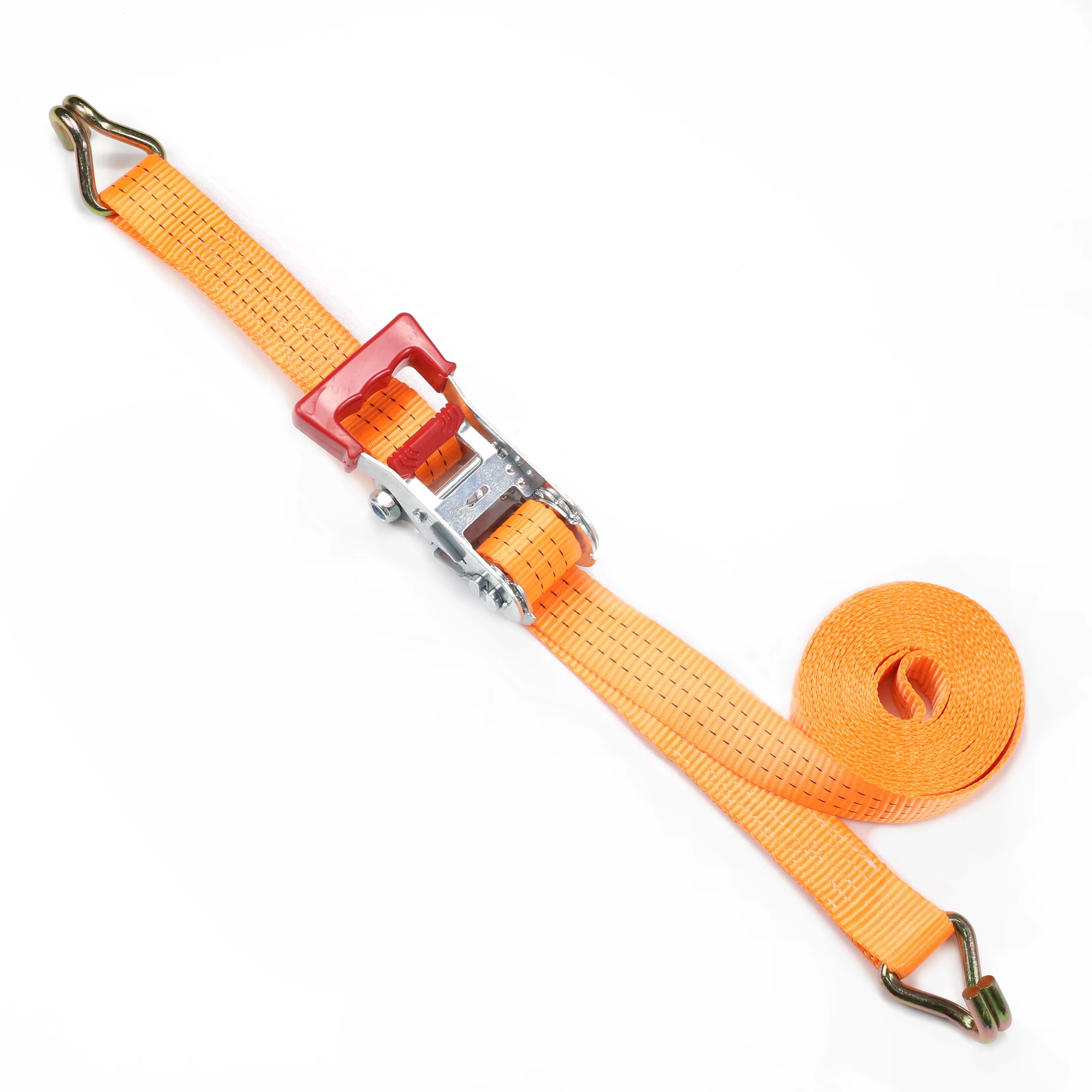
בעולם תחבורה של מטענים ותאימות המטענים, מעטים הם הכלים שהוכחו כלא נזקקים לכולם כמו רצועות קיבוע עם מנגנון חצי-הילוך. פלאי המכניקה הללו הפכו את הדרך שבה מקצוענים מתמודדים עם יציבות המטען, ומציעים שליטה בלתי מתחרה על המתח והאבטחה. בין אם אתם נהג מסחרי שמעביר סחורה בין מדינות, עובד בניין שמעביר ציוד כבד, או בעל בית שמעביר רהיטים – הבנת עקרונות המכניקה שעומדים בבסיס יציבות מיטבית של המטען עשויה להיות ההבדל בין תחבורה מוצלחת למצב מסוכן. עקרונות ההנדסה שגורמים לרצועות הקיבוע עם מנגנון החצי-הילוך להיות כל כך יעילות נובעים מהמערכת הייחודית שלהם של יתרון מכני, אשר מאפשרת למשתמשים להשיג שליטה מדויקת במתח תוך מינימיזציה של המאמץ הפיזי. חקירה מקיפה זו תחקור את הפרטים המורכבים של האופן שבו כלים חיוניים אלו מספקים יציבות מטען יוצאת דופן בתחומים מגוונים.
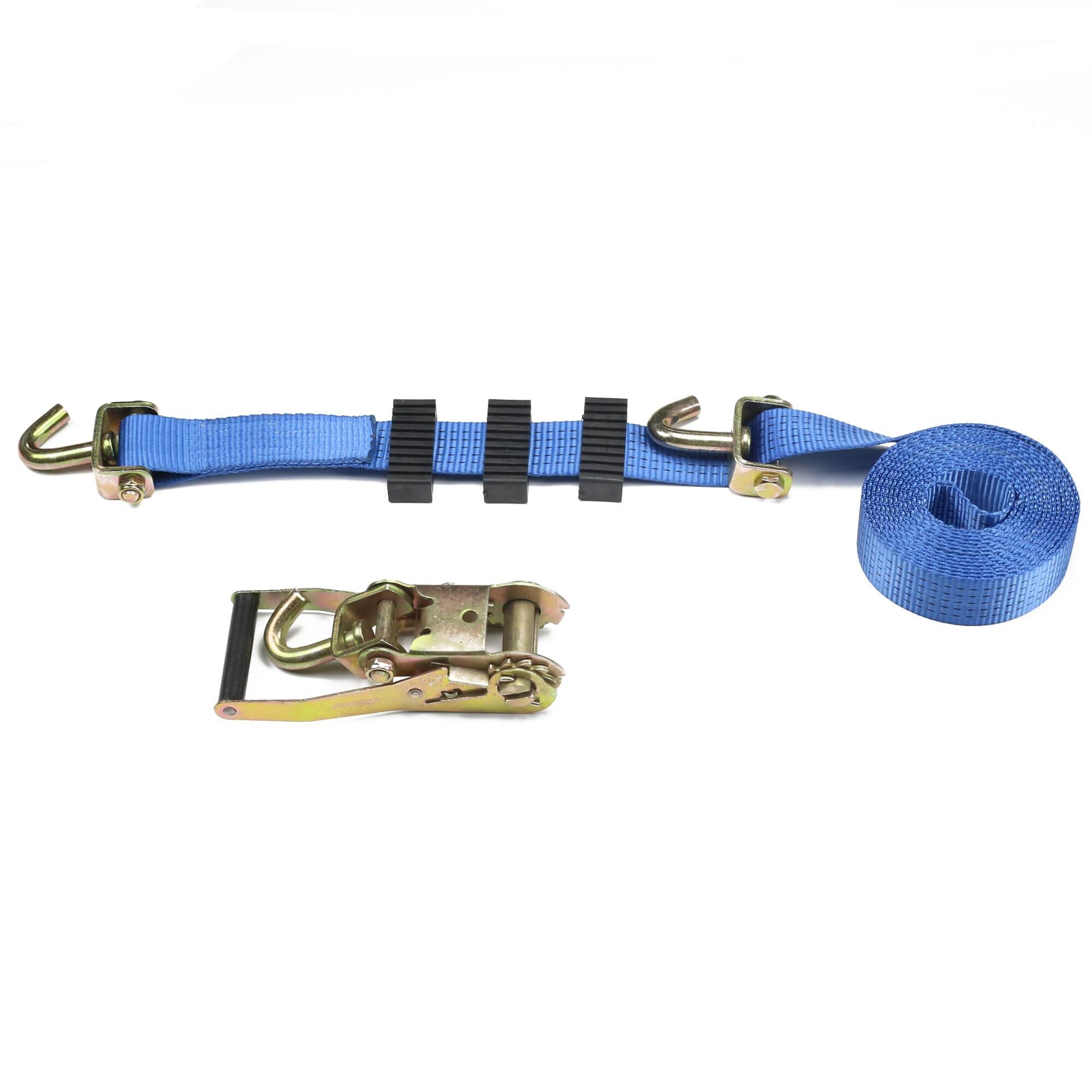
ההנדסה המכנית שעומדת בבסיס היעילות של רצועות הקיבוע עם מנגנון חצי-הילוך
ה tậnפת יתרון מכני כדי להשיג מתח עליון
העקרון היסודי שמביא את רצועות המניע ליעילות יוצאת דופן הוא מערכת היתרון המכני שלהן. בניגוד לשיטות קשירה מסורתיות שמסתמכות אך ורק על כוח ידני, רצועות המניע משתמשות במנגנון מניע שמכפיל את הכוח המופעל באמצעות סדרה של שיני גלגל שיניים וסיביות. היתרון המכני הזה מאפשר למשתמשים להשיג רמות מתח שלא ניתן היה להשיגן באמצעות משיכה ישירה בלבד. רצועת מניע טיפוסית יכולה לייצר מתחים בתחום של 500–10,000 פאונד של גבול עומס עבודה, בהתאם לרוחב הרצועה וחומרי הבניה שלה. הכפלה יוצאת דופן זו של הכוח מתרחשת דרך זרוע המניע של הידית, אשר יוצרת יחס יתרון מכני שמתפרש בדרך כלל בין 15:1 ל-20:1, כלומר כל פאונד כוח שמופעל על הידית מתורגם ל-15–20 פאונד של מתח ברצועה.
השליטה המדויקת שמאפשרת רצועות הנעילה עם מנגנון הלחיצה (Ratchet) מהווה יתרון משמעותי נוסף על פני שיטות איזון חלופיות. האופי ההדרجي של פעולת הלחיצה מאפשר למשתמשים להפעיל מתח באופן הדרגתי ועקבי, תוך מניעת תנועות פתאומיות של גירוי שעשויות לפגוע במטען רגיש או ליצור התפלגות לא אחידה של המטען. תהליך האיזון המ kontrol זה מבטיח שהמטענים ישארו יציבים לאורך כל תקופת ההובלה, מכיוון שניתן להתאים את המתח המופעל בדיוק לצרכים הספציפיים של סוגי המטענים השונים. נהגים מקצועיים ועובדי מטענים מעריכים במיוחד את הדיוק הזה, שכן הוא מאפשר להם לאבטח מטענים בביטחון מלא, תוך התאמה לתקנות ה-DOT ולסטנדרטים לביטחון.
השפעת מדעי החומרים ואיכות הבנייה
הביצועים המובילים של רצועות הנעילה המודרניות נובעים במידה רבה מהתקדמויות במדעי החומרים ובטכניקות היצור. רצועות הנעילה באיכות גבוהה משתמשות בדרך כלל ברצועת פוליאסטר, אשר מספקת יחס ייחודי בין חוזק למשקל תוך שמירה על גמישות והתנגדות לגורמים סביבתיים. רצועת הפוליאסטר מציגה התנגדות מוגברת לשמש (UV) בהשוואה לחלופות הנילון שלה, ומשמרת את שלמותה המבנית גם לאחר חשיפה ממושכת לשמש ולתנאי מזג האוויר. דפוס האיזור של הרצועה תורם ליציבות המטען, כאשר איזורים צפופים יותר מפיצים את המתח באופן אחיד יותר לאורך רוחב הרצועה ומפחיתים את ריכוזי המתח שעלולים להוביל לאי-תפקוד מוקדם.
רכיבי החומרה של רצועות קיבוע מקצועיות מטופלים בהנדסה מחמירה כדי להבטיח ביצועים אופטימליים בתנאים קשים. מנגנון הקיבוע עצמו כולל בדרך כלל רכיבי פלדה שעברו עיבוד חום שמתנגדים לבלאי ולעיוות גם תחת יישומים חוזרים של מתח גבוה. מסילות מתוחות בקפיץ מבטיחות חיבור עקבי עם שיני הגליל, ומניעות שחרור לא מכוון במהלך ההובלה. עיצוב המقبض נבנה על פי עקרונות ארגונומיים כדי לצמצם את עייפות המשתמש תוך שהנעה מכנית מרבית נשמרת. שיקולים הנדסיים אלו מתמזגים יחדיו כדי ליצור כלי שמספק לא רק יציבות עומס מمتازת, אלא גם שומר על מאפייני הביצוע שלו לאורך מחזורי שימוש ממושכים.
עקרונות התפלגות עומס והגנה על המטען
הבנה דינמית של התפלגות המשקל
יציבות המטען האפקטיבית דורשת הבנה מעמיקה של דינמיקת התפלגות המשקל ואיך שיפודים עם מנגנון רצ'ט תורמים לשמירה על מיקום המטען האופטימלי. כאשר מותקנים כראוי, שיפודים עם מנגנון רצ'ט יוצרים רשת של אילוצים מומתנים הפועלים יחד כדי למנוע הזזה של המטען בכמה כיוונים. המפתח להשגת יציבות עליונה הוא ההבנה של שלושת הכוחות העיקריים הפועלים על המטען המועבר: כוחות מאוזנים בעת תאוצה והאטה, כוחות צדדיים בעת פניות ושינוי מסלול, וכוחות אנכיים הנובעים מהאי-סדירויות בכביש והרעד. שיפודים עם מנגנון רצ'ט מצויינים בהתמודדות עם כוחות אלו בזכות יכולתם לשמור על מתיחות קבועה תוך כדי מתן גמישות שמאפשרת תנועות קלות של המטען ללא פגיעה באבטחה הכוללת.
המיקום האסטרטגי של חגורות מתח ממלא תפקיד קריטי בהשגת התפלגות משקל אופטימלית לאורך פלטפורמת ההובלה. מטבלי מטענים מקצועיים עוקבים אחר תבניות מוסכמות שיוצרות מערכות קשירה משולשות, המפצלות את כוחות הקישור על פני מספר נקודות עיגון כדי למנוע התמקדות מתח באיזור בודד. גישה זו לא רק משפרת את יציבות המטען אלא גם מגינה על המטען עצמו מפני נזקים שעלולים להיגרם כתוצאה מהפעלת לחץ מוגזם בנקודות מגע ספציפיות. האפשרות להתאים את רצועות הקישור עם מנגנון הרצ'ט מאפשרת למטבלי המטענים להתאים אותן למטענים בעלי צורות לא סדירות תוך שמירה על התפלגות משקל מתאימה – גמישות שמערכות קישור קשיחות אינן מסוגלות לספק.
מניעת נזק למטען באמצעות בקרה על הלחץ
אחת היתרונות המהותיים ביותר של רצועות הנעילה (Ratchet Straps) לעומת שיטות איזון חלופיות היא היכולת להפעיל לחץ מבוקר אשר מאפשר לאבטח מטענים ללא גרימת נזק. האפשרות להגביר את המתח באופן הדרגתי מאפשרת למשתמשים להחיל בדיוק את כמות הכוח הדרושה לייצוב, מבלי לעבור את סף הסבילות ללחץ של חומרים רגישים. גישה מבוקרת זו חשובה במיוחד בעת תחבורה של מוצרים מוגמרים, ציוד אלקטרוני או פריטים אחרים שעלולים להיפגע כתוצאה מכוחות דחיסה מופרזים. שטח הפנים הרחב של סרט איכותי מפזר את הלחץ על שטח מגע גדול יותר, ומכך נובע ירידה בסיכון לעיצוב או עיוות שעשוי להתרחש עם רצועות צרות יותר.
מערכות מיתרי חיבור מתקדמות לרוב כוללות אלמנטים מגנים שנועדו להקטין עוד יותר את הסיכון לפגיעת המטען במהלך ההובלה. בלוקים מגרניט, מגנים לקצוות ומגבים יכולים להיות משולבים במערכת הקשירה כדי ליצור אזורים בופרים בין המיתר והמשטחים הרגישים של המטען. אמצעי הגנה אלו פועלים בשילוב עם היכולת לשלוט במתח של מיתרי החיבור כדי ליצור מערכת קשירה שנותנת עדיפות גם ליציבות וגם לשמירה על תקינות המטען. התוצאה היא פתרון הובלה שמביא יציבות מעולה של המטען תוך שמירה על מצבו וערך שלו.
ביצועים בתנאי סביבה שונים
גורמים של עמידות בפני מזג אוויר ועמידות
הביצוע של רצועות קפיץ בתנאי סביבה מגוונים מהווה גורם קריטי ביכולתן לספק יציבות מטען מעולה. רצועות קפיץ באיכות גבוהה מפגינות עמידות יוצאת דופן במגוון טמפרטורות, ומשמרות את יכולת ההדק שלהן ואת שלמותן המבנית בתנאים שמתפשטים מהסביבה החורפית עם טמפרטורות מתחת לאפס ועד לחום הקיצי האינטנסיבי. חבל הפוליאסטר המשמש ברצועות קפיץ איכותיות מציג התפשטות וצמצום תרמיים מינימליים, מה שמבטיח שההדקה הפעילה תישאר עקבייה ללא קשר לשינויי הטמפרטורה הסביבתיים. יציבות תרמית זו חשובה במיוחד בפעולות תחבורה למרחקים ארוכים שעלולות להיתקל בשינויי טמפרטורה משמעותיים במהלך מסע יחיד.
יכולות התנגדות לרטיבות מרחיבות עוד יותר את האמינות של רצועות הקיבעון בתנאי סביבה קשים. בניגוד לחומרים מסיבים טבעיים שיכולים להחליש כאשר הם נחשפים לרטיבות, רצועת הפוליאסטר הסינתטית שומרת על מאפייני החוזק שלה גם כאשר היא רוויה לחלוטין. רכיבי החומרה של רצועות הקיבעון ברמה מקצועית מצוידים בדרך כלל במעטפות או חומרים עמידים לתהליך קורוזיה שמניעים פגיעה כתוצאה מהבערה בגשם, בשלג או בתנאי לחות. עמידות זו לסביבה מבטיחה שרצועות הקיבעון ממשיכות לספק יציבות אמינה של המטען ללא תלות בתנאי מזג האוויר שמופיעים במהלך פעולות ההובלה.
בלימת רעידות ובלימת זעזועים
האופי הדינמי של תחבורה רכבית מעריך מערכות אחז מטען לרטט מתמיד ולמטענים חסרי סדר של זעזועים שיכולים לפגוע בשיטות אחז נחות. רצועות קרסול מצטיינות בתנאים הקשים הללו בזכות היכולת המובנית שלהן לספוג ולדכא רטט תוך שמירה על כוח אחז עקבי. האלסטיות הקלה הקיימת בשרשראות הפוליאסטר מספקת אפקט ספיגה שמניע את הזדקרות החזקה שמערכות אחז קשיחות יכולות להעביר ישירות למטען המאוחז. יכולת דיכוי הרטט הזו לא רק מגינה על מטענים רגישים מפני נזק, אלא גם מפחיתה את המתח על נקודות העגינה וחלקי החיזוק, ובכך מאריכה את תקופת השימוש של כל מערכת האחז.
מאפייני הבלימת ההלם של רצועות הנעילה המניעית מוכיחים ערך מיוחד במצבי בלימה חירום או בעת פגיעה באנומליות פתאומיות בכביש. ההתרחבות המ kontroliert הקיימת במערכת הקישור מאפשרת לה לבלום את האנרגיה שבעבר הייתה עוברת ישירות למשאית או למבנה כלי הרכב. יכולת הבלימה הזו מונעת הזזות פתאומיות של המטען שיכולות לפגוע בהיציבות של הרכב או לגרום לנזק למטען. נהגים מקצועיים מסתמכים על מאפיין הבלימת ההלם הזה של רצועות הנעילה המניעית כדי לשמור על אבטחת המטען במהלך אירועים לא צפויים, אשר בלתי נמנעים בתפעול תחבורה על כבישים.
יישומים תעשייתיים ושימושים מיוחדים
תחבורה וლוגיסטיקה מסחרית
תעשיית התחבורה המסחרית אימצה רצועות ראצ'ט כסטנדרט לאבטחת מטענים בשל יכולתן המוכחת לספק יציבות מטען מעולה בסוגי מטענים מגוונים. פעולות הובלה ארוכות טווח נהנות במיוחד מהאמינות והיכולת לכוונון שמציעות רצועות ראצ'ט, שכן נהגים חייבים לאבטח מטענים המשתנים באופן משמעותי בגודל, משקל ותצורה. היכולת להשיג בקרת מתח מדויקת מאפשרת לנהגים מקצועיים לעמוד בתקנות משרד התחבורה תוך הבטחת יציבות מטען אופטימלית לאורך כל מסלוליהם. מפעילי ציי רכב מעריכים את העמידות והביצועים העקביים של רצועות ראצ'ט איכותיות, שכן מאפיינים אלה מתורגמים ישירות להפחתת תביעות נזקי מטען ולשיפור היעילות התפעולית.
יישומים מיוחדים של תחבורה ב_sector המסחרי דחפו חדשנות בעיצוב וביכולות של רצועות קיבוע עם מנגנון קליק. תחבורה של מכונות כבדות דורשת רצועות קיבוע עם גבולות עומס עבודה יוצאי דופן ופittings מיוחדים בקצותיהן שנועדו להתאים לנקודות עיגון ייחודיות. בפעולות טעינה על משטח שטוח משתמשים ברצועות קיבוע בתבניות קיבוע מורכבות שפולגות את כוחות הקיבוע על פני מספר נקודות עיגון, ויוצרות מערכות בטיחות מרובות שמניעות הזזות קטסטרופליות של המטען. יישומים קשים אלו הוכיחו את העליונות של רצועות הקיבוע עם מנגנון קליק לעומת שיטות קיבוע חלופיות, והקימו אותן כבחירה המועדפת של מטבחי מטענים מקצועיים שלא יכולים להרשות כשלים במערכות הקיבוע.
אבטחת ציוד לבנייה ותעשייה
יישומים בתעשיית הבניין מציגים אתגרים ייחודיים המדגישים את היתרונות של רצועות קיבוע עם מנגנון רצ'ט במתן יציבות עליונה למשאות. תחבורה של ציוד בניין כוללת קיבוע משאות בעלי צורות לא סדירות עם התפלגות משקל משתנה, ודורשת מערכות קיבוע שיכלו להתאים לעקומים שאינם סטנדרטיים תוך שמירה על כוח אחיזה אמין. רצועות הקיבוע עם מנגנון הרצ'ט מצליחות ביישומים אלו הודות ליכולת ההגבהה שלהן ולמגוון אפשרויות החיבורים בקצות הרצועות, אשר מתאימות לדרישות שונות של נקודות העגינה. היכולת לקבוע את המתח באופן מבוקר הופכת לערך מיוחד בעת קיבוע ציוד בניין יקר שעשוי להיפגע מכוחות קיבוע מוגזמים.
מתקני תעשייה משתמשים בחבלים עם מנגנון קפיץ הן ליישומים של תחבורה והן ליישומים של איזון סטטי, תוך ניצול הבקרה המדויקת והאמינות שלהם. בתהליכי ייצור יש לעתים קרובות צורך באיזון זמני של ציוד במהלך פעולות תחזוקה או שינויים במתקן, מצבים שבהם חבלים עם מנגנון קפיץ מספקים את הגמישות ליצור במהירות וביעילות תצורות איזון מותאמות אישית. הביצועים הקבועים של חבלים עם מנגנון קפיץ לאורך מחזורי שימוש חוזרים הופכים אותם לבעלי ערך מיוחד בסביבות תעשייתיות שבהן מערכות האיזון חייבות לפעול באופן מהימן יום אחרי יום, ללא ירידה ביעילות.
היבטי בטיחות ומעריכי עמידה
טכנiques התקנה נכונים למירב יעילות
השגת יציבות עומס מمتازת באמצעות רצועות קיבוע עם מנגנון קליק דורשת 준יה לטכניקות התקנה הנכונות שמקסמות את יעילותן תוך שמירה על סטנדרטי הבטיחות. הזווית שבה ממוקמות רצועות הקיבוע ביחס לעומס המוקבע משפיעה באופן משמעותי על יכולתן להחזיק אותו, כאשר הזווית האופטימלית נמצאת בדרך כלל בין 45 ל-90 מעלות מפני השיפוד. זוויות שטוחות מפחיתות את כוח ההחזרה האפקטיבי ויוצרות כוחות אופקיים שעלולים לגרום לאי-יציבות נקודת העיגון או לבעיות בהנעת הרכבת. מתקינים מקצועיים מבינים את הקשרים הגאומטריים הללו ומניחים את רצועות הקיבוע כך שיאפשרו לנצל את היתרון המכאני שלהן בצורה הטובה ביותר, תוך הבטחת הפצת עומס בטוחה.
תהליך ההדק עצמו דורש תשומת לב מדויקת לטכניקה הנכונה כדי להשיג תוצאות אופטימליות ללא פגיעה בשלמות הציוד. הדק יתר הוא טעות נפוצה שיכולה לפגוע הן בחבלים המניעים והן במשאית המוגנת, בעוד שהדק חסר מספיק אינו מספק יציבות עומס מספקת. משתמשים מנוסים מפתחים תחושה לרמות ההדק הנכונות, אך משתמשים חדשים יוכלו להרוויח מהשימוש בכלים למדידת ההדק או מהחדרה להנחיות היצרן ליישומים ספציפיים. האופי ההדרגתי של פעולת החבל המניע מאפשר למשתמשים להתקרב בהדרגה לרמת ההדק האופטימלית, ולעשות התאמות עדינות לפי הצורך כדי להשיג את האיזון המושלם בין בטיחות ליציבות.
פרוטוקולי בדיקה ותחזוקה קבועים
התאמת ביצועי היציבות של עמידות המטען המمتازים של רימזים עם מנגנון קציצה דורשת יישום של פרוטוקולי בדיקה ותחזוקה שגרתיים שמזהים בעיות פוטנציאליות לפני שהן פוגעות בבטיחות או בייעילות. הבדיקה החזותית של השיפוד צריכה להתמקד במיקום סימנים של לישה, קריעות, שריפות או נזק כימי שעלולים להפחית את יכולת העומס של הרימז. התפרים בנקודות המתח דורשים תשומת לב מיוחדת, מאחר ש באזורים אלו פועלים הכוחות הגבוהים ביותר במהלך השימוש ויכולים להראות סימנים מוקדמים של התדרדרות. משתמשים מקצועיים בדרך כלל שומרים יומנים של בדיקות שמעקבים אחר היסטוריית השימוש והמצב של כל רימז קציצה בנפרד, מה שמאפשר להם לסגת את הציוד לפני שגבולות הבטיחות יפגעו.
הרכיבים המכניים של רצועות הקיבעון עם מנגנון קליק גם הם דורשים תשומת לב קבועה כדי לשמור על רמות ביצוע אופטימליות. יש לבדוק את פעולת מנגנון הקליק כדי לוודא שהיא חלקה, תוך התמקדות מיוחדת במצב שיני הגליל והחיכוך של המניע. שימון של הרכיבים הנעים מאריך את תקופת השימוש ומבטיח ביצועים עקביים, אך יש להקפיד להשתמש בשמנים מתאימים שלא ימשכו אבק או זרדים שעלולים לפגוע בתפקוד הנכון. רכיבי החומרה כגון קרסי קיבעון וחלקי חיבור לעוגנים חייבים לעבור בדיקה למציאת סימנים של עיוות, קורוזיה או שחיקה שיכולים לפגוע ביכולתם לשאת עומס או ליצור סיכונים בטיחותיים במהלך השימוש.
שאלות נפוצות
מה גבול העומס העבודה שאליו יש לבחור עבור רצועות הקיבעון שלי?
המגבלה המומלצת של עומס העבודה עבור רצועות קיבוע עם מנגנון קליק תלויה במשקל ובמאפיינים של המטען, כאשר הנחיות כלליות ממליצות שסכום מגבלות עומס העבודה יהיה לפחות מחצית ממשקל המטען בעת שימוש במספר רצועות. ליישומים טיפוסיים, רצועות קיבוע עם רוחב אינץ' אחד ומגבלת עומס עבודה של 500 פאונד מתאימות למטענים קלים עד בינוניים, בעוד שרצועות ברוחב שני אינץ' עם מגבלת עומס עבודה של 3,333 פאונד מתאימות למטענים כבדים יותר. יש תמיד לבדוק את התקנות של משרד התחבורה (DOT) ליישומים מסחריים ולשקול גורמים כגון ערך המטען, תנאי הדרכים ומשך הנסיעה בעת בחירת מגבלת עומס העבודה המתאימה.
עד כמה צפוף עליי למשוך את רצועות הקיבוע עם מנגנון הקליק בעת ההתקנה?
המתח הנכון של רצועת הקיבע עם מנגנון קציצה צריך להיות מספיק חזק כדי למנוע תזוזת המטען, מבלי לפגוע במטען או לעלות על הגבול המרבי של המתח המותר לרצועה. כלל כללי הוא להדק את הרצועה עד שהחומר שלה ירגיש מותן לחלוטין, עם סטייה מינימלית כאשר לוחצים עליו, ולאחר מכן להוסיף 2–3 לחיצות נוספות על מנגנון הקציצה לצורך ביטחון. הדק יתר על-סף עלול לפגוע במטען ולפחת את משך חייו של הרצועה, בעוד שהדק חלש מדי לא מספק יציבות מספקת למטען. האופי המנוהל של מנגנוני הקציצה מאפשר התאמה מדורגת של המתח, ומאפשר למשתמשים למצוא את האיזון האופטימלי ליישום הספציפי שלהם.
האם ניתן להשתמש ברצועות קציצה בכל תנאי מזג אוויר?
רצועות קיבעון באיכות גבוהה המורכבות מרצועת פוליאסטר ומכונות עמידות לקלקול מבצעות ביצועים אמינות במגוון תנאי מזג אוויר, מהקור הקיצוני לחום העז ולסביבות רטובות. רצועת הפוליאסטר שומרת על חוזקה והיציבות הממדית שלה גם בטווח רחב של טמפרטורות, ובנוסף היא עמידה לפגיעת קרינה فوق סגולה ולספיגת לחות. עם זאת, המשתמשים צריכים לבדוק את הרצועות בתדירות גבוהה יותר כאשר הן בשימוש בתנאים קיצוניים ולהבטיח שרכיבי המכונות יעברו תחזוקה מתאימה כדי למנוע קלקול או בעיות מכניות שיכולות לפגוע בביצועים.
באיזו תדירות יש להחליף או לבדוק רצועות קיבעון?
משתמשים מקצועיים חייבים לבדוק רצועות קפיץ לפני כל שימוש, ולערוך בדיקות מפורטות אחת לחודש או לאחר כל 100 שימושים, לפי מה שמגיע קודם. פעולות מסחריות הנמצאות תחת הוראות משרד התעבורה (DOT) חייבות לפעול בהתאם ללוחות זמנים ספציפיים לבדיקות ולדרישות תיעוד. יש להחליף את הרצועה כאשר החבל מציג חיתוכים, שריפות, בלאי מוגזם או תפרים פגומים, או כאשר רכיבי המechaניקה מציגים עיוות, שימום או תקלה מכנית. טיפול ושמירה מתאימים יכולים להאריך משמעותית את חיי הרצועה, אך לא ניתן לסכן את הבטיחות על ידי המשך השימוש בציוד שסובל מפגמים.