 EN
EN


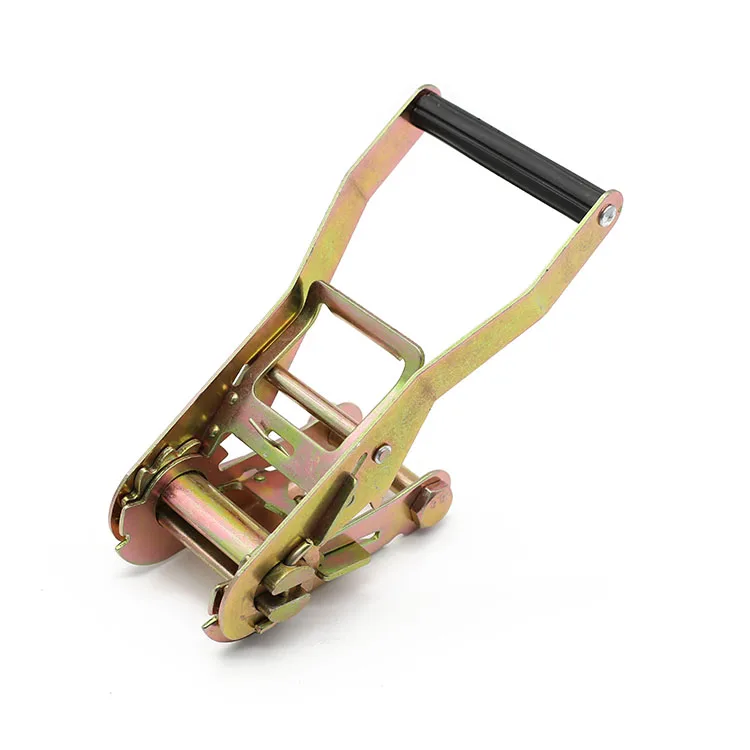
בעולם תחבורה של סחורה ותפיסת מטענים, מקצוענים מבינים שמערכות קשירת אמינות עשויות ליצור את ההבדל בין משלוח בטוח לאי-אסונות יקרים. אבזמים מנגנוניים התפתחו לסטנדרט הזהב לתפיסת סחורה בתחומים השונים — מהתחבורה במשאיות והלוגיסטיקה לבנייה ולתחבורה של רכבים לשעשועים. מכשירי הלחיצה המכאניים הללו מספקים כוח אחיזה עליון בהשוואה למערכות חבלים או גומי מסורתיות, ומבטיחים שהסחורה היקרה תישאר בדיוק במקום שבו היא אמורה להיות לאורך כל הנסיעה.
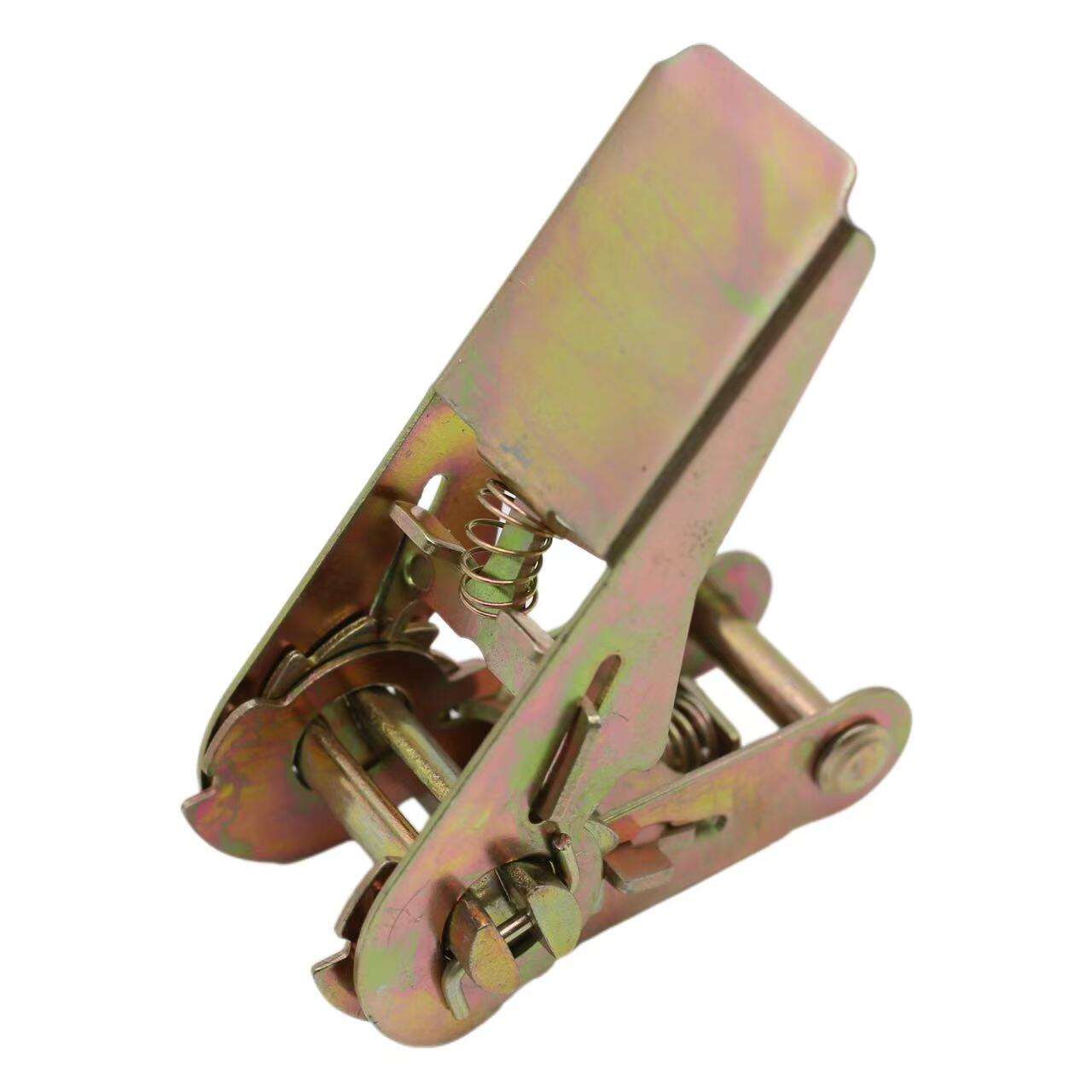
היתרון המכני שמספקות מערכות הידוק אלו משנה את האופן שבו מטפלי מטענים ניגשים לאבטחת המטען. בניגוד לשיטות קשירה קונבנציונליות המסתמכות בעיקר על כוח ידני, אבזמי ראצ'ט מכפילים את המתח המופעל באמצעות מנגנון ההילוכים שלהם, ומאפשרים למפעילים להשיג כוחות אחיזה גבוהים משמעותית במאמץ פיזי מינימלי. התקדמות טכנולוגית זו חוללה מהפכה בהליכי טיפול במטענים בתעשיות מרובות.
אבטחת מטען וכוח אחיזה עילאי
טכנולוגיית היתרון המכאני
החוזק הבסיסי של סגירות הרצ'ט נובע מהמערכת להיתרון המכאני שלהן, אשר מגבירה את הכוח שהופעל על ידי המנהל. כאשר מטבלי המטען מפעילים את מנגנון הרצ'ט, מערכת הגלילים הפנימית יוצרת אפקט מכני של הכפלה שמייצר מתחים של עד 500 פאונד או יותר, תלוי בדגם הספציפי ובחוזק הרצועה. יכולת ההכפלה הזו מבטיחה שאפילו מנהלים קלים במשקלם יכולים לאבטח מטענים כבדים באופן יעיל.
מערכות מסורתיות מבוססות חבלים דורשות כוח ידני משמעותי ובעלות לרוב נכשלות בשימור מתח עקבי לאורך זמן בשל התארכות החבל והשקיעה שלו. סגירות טיפוס רצ'ט מאפסות משתנים אלו על ידי מתן בקרת מתח מדויקת ושימור המתח הזה לאורך תהליך ההובלה. מנגנון הגלגלות מונע תנועה לאחור לאחר שהמתח הופעל, ויוצר אחיזה צמודה ומוגנת שנותרת קבועה ללא קשר לרעידות הדרך או להזזה של המטען.
שמירה עקיבה על המתח
אחת היתרונות החשובים ביותר של שימוש באבזמים רצ'ט לקישור מטען היא היכולת שלהם לשמור על מתח אחיד לאורך תקופות ארוכות. בניגוד למערכות קשירה מבוססות אלסטיות שמאבדות מתח עם נזק חומרי, או למערכות חבלים שמתנפחות ומרפות עם הזמן, אבזמי הרצ'ט שומרים על הגדרת המתח הראשונית שלהם לאורך כל משך ההובלה. עקביות זו קריטית למניעת תנועת המטען שעלולה לגרום להחלקה של המטען, נזק או סיכונים לביטחון.
מנגנון הרצ'ט ננעל למצבו לאחר הפעלת המתח, ויוצר מחסום מכני שמונע הרפיה עקב רעידות, שינויים בטמפרטורה או שקיעה. שימור המתח האמין הזה מפחית את הצורך בהתאמות במהלך הנסיעה ונותן ביטחון לנהגים ולעובדי קיבול המטען, אשר חייבים לסמוך על מערכות הקישור שלהם לאורך מסעות ארוכים או בתנאי דרכים מאתגרים.
שיפור הבטיחות וצמצום הסיכונים
מניעת תאונות באמצעות קישור אמין
שקולות הבטיחות מניעות את העדפת ריתמים בapplications להובלת מטענים מקצועיים. מטען שאינו מאובטח או שאובטח באופן בלתי מספק יוצר סיכונים משמעותיים לא רק למוצרים המועברים אלא גם למשתמשי הדרכים האחרים ולרכב ההובלה עצמו. כאשר מטען זז במהלך ההובלה, הוא עלול לגרום לאי-יציבות של הרכב, לקשיים בהאטה, ובמקרים קיצוניים – לאיבוד שליטה מלא על הרכב, מה שמביא לתאונות חמורות.
מתאמים מסוג רצ'ט פועלים כדי להתמודד עם שקולות הבטיחות הללו על ידי סיפוק כוח איזון ניבואי ואמין, עליו יכולים הסוחטים לסמוך. האינדיקציה החזותית והגשיטית שמספקת מנגנון הרצ'ט מאפשרת למנהלי ההפעלה לאשר שהמתח הופעל כראוי, ובכך מסירה את השערת האפשרויות לגבי האם המטען מאובטח כראוי. גורם הנאמנות הזה הופך חשוב במיוחד בהובלת חומרים מסוכנים, מכונות כבדות או מטענים בעלי ערך גבוה, שבהם כשל באבטחה עלול להביא לתוצאות קטסטרופליות.
התאמהתאם רגולטורי ותקנים
תקנות ההובלה ברוב התחומים הגאוגרפיים מגדירות דרישות מינימליות למערכות אבטחת המטען, ו פסות סורגים מעוצבות במיוחד כדי לעמוד בדרישות אלו או לחרוג מהן. נהגים מקצועיים וחברות לוגיסטיקה מסתמכים על מערכות הקשירה האלה מכיוון שהן מספקות כוחות איזון מתועדים וניתנים לאימות שמקיימים את הדרישות التنظימיות ומגינות על החברות מבעיות אחריות הקשורות לאיזון בלתי מספיק של המטענים.
הסטנדרטיזציה של דירוגי ומאפייני הסגסוגות המניעות מקלה על עובדים באיזון המטענים לבחור במערכות איזון מתאימות לצרכים הספציפיים של המטען. גבולות עומס העבודה, דירוגי חוזק השבר ומאפייני הרשת מודפסים בבירור על סגסוגות איכותיות, ומספקים את התיעוד הנדרש לשם עמידה בדרישות التنظימיות ובדרישות הביטוח.
יעילות תפעולית וחיסכון בזמן
פריסה מהירה והתאמה
יעילות בזמן מייצגת גורם כלכלי משמעותי בפעולות טעינה ופריקה של מטענים, וסנירים עם מנגנון קציצה מצטיינים בהספקת פתרונות איזון מהירים. מנגנון השחרור המהיר מאפשר למנהלים לפרוס ולשנות את המתח תוך שניות, בניגוד למערכות חבלים שדורשות דקות. יתרון המהירות הזה הופך לחשוב במיוחד בסביבות משלוחים בעלי נפח גבוה, שבהן כל דקה של זמן טעינה משפיעה על עלויות הפעלה ועל הדבקות בלוחות הזמנים.
נהגים מקצועיים מעריכים את הפעולה הישירה של הסנירים עם מנגנון הקציצה, אשר דורשת הכשרה מינימלית ויכולה להתבצע באופן אמין גם בתנאים קשים כגון תאורה לקויה או מזג אוויר קשה. תהליך הפעולה הסטנדרטי המשותף לכל דגמי הסנירים עם מנגנון הקציצה משמעו שברגע שמנהלים מבינים את המנגנון הבסיסי, הם יכולים לפעול ביעילות עם מוצרים של יצרנים שונים ללא צורך בלמידה מחדש של התהליכים.
הקטנת דרישות עבודה
היתרון המכאני שמספקות סגירות רצ'ט מפחית באופן משמעותי את המאמץ הגופני הנדרש לפעולת אבטחת המטען. מערכות קשירה מסורתיות מבוססות חבלים דורשות לרוב מספר עובדים או מאמץ גופני ניכר כדי להשיג מתח מספיק, בעוד שסגירות רצ'ט מאפשרות פעילות של עובד אחד בלבד עם מאמץ גופני מינימלי. יעילות העבודה הזו מתורגמת ישירות לחסכונות בכסף בתפעול הלוגיסטי ומצמצמת את הסיכון לפציעות עובדים המקושרות לשיטות ידניות לאבטחת מטען.
העיצוב הארגונומי של סגירות עם מנגנון קציצה מודרניות לוקח בחשבון את הנוחות והיעילות של הפעיל, וכולל עיצוב ידיות שמקסם את המנוף תוך מזעור עייפות היד במהלך שימוש ממושך. שיפורים אלו בעיצוב הופכים את פעולות איגוד המטען ליותר ברות-קיימה עבור עובדים אשר חייבים לאגד מספר מטענים לאורך משמרת העבודה שלהם, ותרומתם היא גם לייעילות וגם להנאה של העובדים.
ריבוי יישומים ותעשייה
תאימות רב-תעשייתית
הגמישות של סגורים עם מנגנון קציצה משתרעת על פני מגוון רחב של תחומים ויישומים, מה שהופך אותם לפתרון אוניברסלי לצרכים של איזור המטען. חברות בנייה משתמשות בהם כדי לאבטח חומרי בניין וציוד, בעוד שבעלים של רכבים לשעשועים מסתמכים עליהם כדי לאבטח סירות, אופנועים וציוד למחנות. ענף הלוגיסטיקה אימץ את הסגורים עם מנגנון הקציצה כציוד סטנדרטי להובלת משאיות פלטפורמה, איזור מכולות והובלת מטענים מיוחדים.
סוגי המטענים השונים דורשים גישות שונות לאיזון, והסגורים עם מנגנון קציצה מתאימים לגיוון זה באמצעות חומרים שונים לרצועות, גדלים שונים של סגורים וגבולות עומס פעולתיים שונים. בין אם מדובר באיזון של מכשירי אלקטרוניקה עדינים הדורשים עיצורים עדינים אך יציבים, או ציוד כבד הדורש כוח אחיזה מרבי, קיימות תצורות מתאימות של סגורים עם מנגנון קציצה כדי לענות על דרישות היישום הספציפיות, תוך שמירה על עקרונות הפעולה האמינות שלהם.
עמידות בפני מזג אוויר וסביבת
הובלת מטענים מקצועית נתקלת לעיתים קרובות בתנאי סביבה קשים, וסגורים מסוג רצ'ט מעוצבים כדי לפעול באופן אמין ללא קשר לתנאי מזג האוויר או לגורמים הסביבתיים. הרכיבים המетאליים מיוצרים בדרך כלל מחומרים עמידים לקורוזיה או מעובדים במעטפות הגנה שמניעות חלודה ושחיקה גם בעת חשיפה לסpray מלוח, כימיקלים דרומיים או טמפרטורות קיצוניות.
חומרי הוויבינג המשמשים יחד עם סגורים מסוג רצ'ט נבחרים בשל התנגדותם לקרינה فوق סגולה, לחות וטמפרטורות קיצוניות. עמידות סביבתית זו מבטיחה שהמערכת לאבטחת המטען שומרת על חוזקה ועל אמינותה לאורך זמן בשימוש חוץ ממושך, מה שהופך את הסגורים מסוג רצ'ט למתאימים הן למשלוחים מקומיים קצרים והן להובלה ארוכה-טווח במגוון תנאי מזג אוויר.
יעילות עלות וערך לטווח ארוך
השקעה ראשונית לעומת תועלת ארוכת טווח
אם כי סגירות עם מנגנון קציצה עלולות לדרוש השקעה ראשונית גבוהה יותר בהשוואה למערכות חבלים או גומיות בסיסיות, היעילות הכלכלית שלהן לאורך זמן מתבהרת דרך הפחתת הצרכים להחלפה, דרישות תחזוקה נמוכות יותר ויחסים נמוכים יותר של נזקי מטען. סגירות איכותיות עם מנגנון קציצה יכולות לספק שנות שירות אמינות עם תחזוקה מינימלית, בעוד שמערכות חבלים דורשות בדרך כלל החלפה תכופה עקב בלאיה, השפעת מזג האוויר והידרדרות.
הניצול המונע של נזקי מטען באמצעות יכולת איזון עליונה מספק חסכונות נוספים שغالבًا מהווים יותר מההשקעה הראשונית במערכות סגירות עם מנגנון קציצה. חברות ביטוח מכירות את היכולת העליונה לאיזון של מערכות אלו, ולפעמים מציעות תעריפי ביטוח מופחתים לפעולות המשתמשות במערכות איזון מאושרות עם סגירות עם מנגנון קציצה, במקום במערכות מזדמנות או בלתי מספקות.
יתרונות תחזוקה והימנעות
דרישות התיקון למקבעי רצ'ט מינימליות בהשוואה למערכות איזון חלופיות, וכוללות בעיקר ניקוי תקופתי ושמירה של מנגנון הרצ'ט. הבנייה החזקה של יחידות איכותיות פירושה שבלאי נורמלי משפיע במעט על הביצועים, והחלפת רכיבים בודדים כגון סרטים יכולה להאריך את משך השירות באופן משמעותי מעבר לזה של מערכות חבלים או סרטים שלמות.
העמידות של מקבעי רצ'ט תחת מחזורי שימוש חוזרים הופכת אותם ליעילים במיוחד מבחינה עלות-תועלת בפעולות נפח גבוה, שבהן מערכות האיזון משומשות מספר פעמים ביום. בעוד שמערכות חבלים עלולות להיכשל לאחר מספר קטן יחסית של מחזורי שימוש, מקבעי רצ'ט מתוחזקים כראוי יכולים לסבול אלפי מחזורי פריסה תוך שמירה על مواصفות הביצוע המקוריות שלהם.
שאלות נפוצות
מהו המשקל המרבי שאפשר לאבטח בבטחה באמצעות מקבעי רצ'ט?
היכולת להכיל משקל של סגירות רצ'ט משתנה במידה רבה בהתאם למודל הספציפי, לרוחב הרצועה ולמפרט המוכר. סגירות רצ'ט סטנדרטיות ברוחב אינץ' אחד יש בדרך כלל גבולות עומס עבודה בתחום של 333–500 פאונד, בעוד שסגירות ברוחב שני אינץ' יכולות לשאת 915–3,335 פאונד ויותר. תמיד בדקו את דירוג גבול העומס העבודה של היצרן ודאגו שהוא עומד או עולה על דרישות האבטחה שלכם לטעינה. זכרו כי גבול העומס העבודה מייצג את העומס המרבי המותר להפעלה בטוחה בתנאים נורמליים, ולא את עוצמת השבר של המערכת.
אילו פעולות תחזוקה נדרשות לסגירות רצ'ט כדי להשיג ביצועים אופטימליים?
תחזוקה תקינה של סגירות רצ'ט כוללת ניקוי קבוע כדי להסיר אבק, זרדים וחומרים קורוזיביים שיכולים לפגוע בתפקוד המנגנון. יש לבדוק באופן מחזורי את מנגנון הרצ'ט כדי לוודא תפעול חלק, ולהחיל שמן מכונה קל על החלקים הנעים אם הם נעשים קשיחים או קשים לתפעול. יש לבדוק את השיפוד לחריצים, קריעות או wearing יתר, ולחלף חגורות פגומות באופן מיידי. יש לאחסן סגירות רצ'ט במקום יבש כאשר אינן בשימוש כדי למנוע קורוזיה של הרכיבים המетאליים.
האם קיימים סוגי סגירות רצ'ט שונים ליישומים מסוימים?
כן, רטשטים זמינים במספר תצורות שנועדו ליישומים ספציפיים ולדרישות עומס מסוימות. ביישומים של משאיות מישוריות (flat-bed) נפוצים רטשטים חזקים בקוטר 2 אינץ' עם הרחבות שרשרת כדי להשיג כוח אחיזה מקסימלי. משתמשים בזמנית פנוי עשויים להעדיף רטשטים בקוטר אינץ' אחד עם קצות טבעת רכות כדי למנוע חרטום על כלי רכב או ציוד. ביישומים ימיים מומלץ להשתמש ברטשטים מפלדת אל חלד או מצופים באבץ לשם עמידות בפני קורוזיה. חלק מהדמויות כוללות מנגנוני בטיחות נוספים או ידיות לשחרור מהיר כדי לענות על דרישות تشغוליות ספציפיות.
איך אני יודע אם יש להחליף את הרטשטים שלי?
החליפו את הסוגריים המניעים כאשר אתם מזהים סימנים של בלאי או נזק שעלולים לפגוע בביצועי הבטיחות שלהם. סימנים מרכזיים כוללים קושי בהשגת מתח מתאים, החלקה של מנגנון הנעילה, סדקים או עיוות ברואים ברכיבים ממתכת, קורוזיה מופרזת או רצועות שסבלו מהילוך ונזקו. אם המנגנון אינו מצליח להחזיק במתח באופן עקבי או אם כל רכיב מראה סימנים של כשל עייפות, יש להחליף אותו באופן מיידי. ביצוע בדיקה תקופית לפני כל שימוש עוזר לזהות בעיות פוטנציאליות לפני שהן הופכות לסיכונים לביטחון.