
 EN
EN
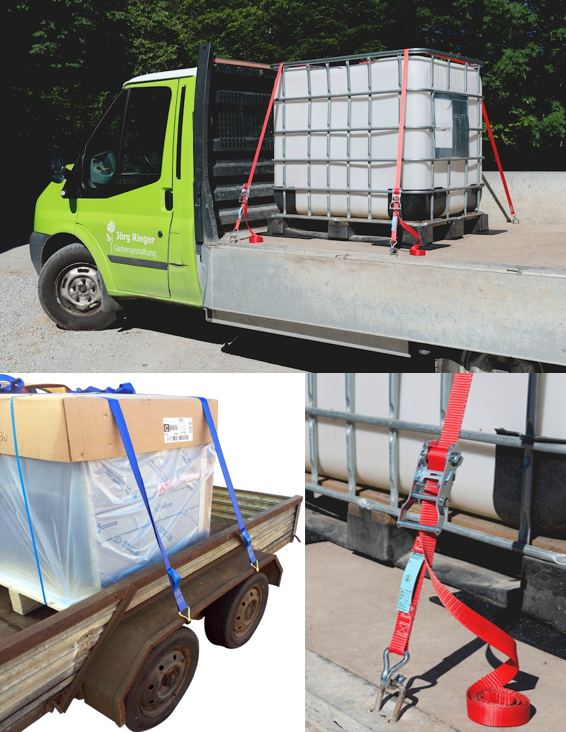
When it comes to securing cargo on trailers, the choice of tie down straps is one of the most critical decisions a hauler can make. Two of the most widely used fastening systems in the industry are ratcheting tie down straps and cam buckle straps, and professionals debate their relative safety merits on a regular basis. Understanding the genuine differences between these two systems requires looking beyond surface-level features and examining how each performs under the real-world conditions found on highways, job sites, and loading docks.

The short answer is that ratcheting tie down straps are generally capable of achieving higher tension loads, which can make them safer for heavy or dense cargo. However, cam buckle tie down straps are not inherently unsafe — they are a purpose-built solution optimized for lighter loads, speed of use, and situations where over-tensioning poses its own risk. The real question is not which type is universally safer, but rather which type is appropriate for a given load, trailer, and transit scenario. This article breaks down the mechanics, safety implications, and ideal use cases for both systems to help you make an informed decision.
Understanding the Mechanics of Each Strap System
How Ratcheting Tie Down Straps Generate Tension
Ratcheting tie down straps use a mechanical ratchet mechanism that allows the operator to progressively tighten the webbing by pumping a handle back and forth. Each stroke of the handle advances a gear, cinching the strap tighter and locking it in place until the release lever is deliberately engaged. This mechanical advantage means that a single person can generate far more tension than would be possible with manual pulling alone.
This tension-generating capability is one of the primary reasons ratchet straps are the preferred choice for heavy freight. A typical ratcheting strap can reach working load limits between 833 pounds and several thousand pounds depending on the strap width and hardware grade. The incremental tightening also allows the operator to feel resistance and gauge how securely the cargo is being held, which contributes to a more deliberate and controlled securing process.
However, this same mechanical power introduces a potential hazard: over-tightening. Applying excessive tension to fragile cargo — such as motorcycles, antique vehicles, or soft materials — can cause structural damage or distortion. Operators must understand the working load limit of their specific tie down straps and the crush tolerance of the cargo being secured.
How Cam Buckle Straps Control Tension
tie down straps using a cam buckle system operate on a simpler mechanical principle. The webbing is threaded through a spring-loaded cam, and pulling the strap tightens it against the cam teeth, which lock the strap at whatever tension the operator manually applies. Releasing the strap requires pressing the cam lever to disengage the teeth.
Because tension is limited to what a person can apply by hand, cam buckle tie down straps are naturally self-limiting. This is actually a significant advantage when securing cargo that cannot tolerate high clamping forces. Items like kayaks, bicycles, furniture, livestock equipment, and lightweight covered loads benefit from a strap system that holds firmly without applying crushing pressure.
The tradeoff is that cam buckle tie down straps cannot match the mechanical tension achievable with a ratchet system. For heavy construction materials, machinery, or vehicles being transported on flatbed trailers, the holding force of a cam buckle may fall short of what is needed to prevent load shift during hard braking or cornering.
Safety Performance Under Real Trailer Conditions
Load Shift Risk and Tension Retention
One of the primary safety concerns during trailer transport is load shift — the movement of cargo when the trailer decelerates, accelerates, or corners. The physics of load shift depend directly on the tension held by the tie down straps. Higher tension means greater resistance to movement, which is why ratchet straps are mandated by many transportation safety regulations for loads above certain weight thresholds.
Ratcheting tie down straps are better equipped to maintain sufficient tension over long hauls because the ratchet mechanism locks the strap in a fixed position. Vibration and minor load movement during transit are less likely to cause meaningful tension loss. In contrast, cam buckle straps can experience slight webbing creep over long distances or under sustained vibration, which may gradually reduce holding force.
For trailers carrying dense, heavy cargo on highway routes, this difference in tension retention is not trivial. A load that shifts unexpectedly at highway speed can create dangerous driving instability and increase braking distance significantly. Selecting the right tie down straps for the load weight and transit duration is a core element of trailer safety planning.
Risk of Webbing Damage and Strap Failure
Both ratchet and cam buckle tie down straps are subject to webbing degradation over time, particularly when exposed to UV radiation, moisture, abrasion from cargo edges, and chemical exposure. However, the failure modes differ between the two systems in ways that carry distinct safety implications.
Ratchet strap hardware introduces more mechanical complexity, meaning there are more components that can corrode, jam, or crack under stress. A ratchet mechanism that fails to release smoothly can be dangerous during unloading, particularly when the strap is under high tension. Proper inspection and maintenance of the ratchet housing, pawl, and axle are essential to preventing sudden hardware failure.
Cam buckle tie down straps have simpler hardware with fewer failure points, but the cam teeth can wear down over time, reducing their grip on the webbing. Worn cam teeth may allow the strap to slip under load, which is a potentially serious safety failure. Regular inspection of both the cam mechanism and the webbing is non-negotiable for any professional using these tie down straps regularly.
Regulatory Standards and Industry Expectations
Cargo Securement Regulations for Trailers
In North America, cargo securement on commercial vehicles is governed by Federal Motor Carrier Safety Administration regulations, which specify minimum working load limits, the number of tie down straps required based on cargo weight, and placement guidelines. These regulations exist because improperly secured loads are a significant contributor to highway accidents and fatalities each year.
Under these standards, the aggregate working load limit of all tie down straps used must meet a minimum fraction of the cargo weight. For most categories of general freight, ratchet straps are the compliant choice for medium to heavy loads because cam buckle straps typically do not achieve the required working load limits on their own. This regulatory context reinforces why ratchet straps are often treated as the default safety standard for serious hauling operations.
That said, cam buckle tie down straps are fully compliant and appropriate when the load weight, distribution, and nature of the cargo fall within their rated capacity. Using a cam buckle strap correctly for a light load is no less safe or compliant than using a ratchet strap for a heavy one. Compliance always comes down to matching the strap to the load.
Working Load Limits and What They Mean in Practice
Every set of tie down straps carries a working load limit, which represents the maximum force the strap should be subjected to during normal use. This figure is typically one-third of the strap's break strength, providing a safety margin for dynamic loading forces encountered during transit. Operators must never exceed this limit, regardless of the strap type.
Ratcheting tie down straps in standard 1-inch widths typically carry working load limits around 500 pounds, while 2-inch and 4-inch versions can reach 3,333 pounds or more. Cam buckle tie down straps in comparable widths generally max out at lower working load limits because of the inherent limitations of hand-applied tension. Knowing these numbers before choosing your straps is fundamental to safe cargo securement.
Selecting tie down straps based solely on price or availability — without verifying the working load limit against the actual cargo weight — is one of the most common errors made by both novice and experienced haulers. This mistake can result in strap failure, cargo loss, and serious accidents that could have been entirely prevented.
When to Choose Each System for Trailer Use
Optimal Scenarios for Ratchet Straps
Ratcheting tie down straps are the appropriate choice whenever cargo exceeds the working load limit of cam buckle straps, or when the cargo type, shape, or weight distribution demands very high and consistent tension across the entire journey. Heavy equipment, construction materials, vehicles, and stacked pallets are classic use cases where the mechanical advantage of a ratchet system provides a meaningful safety benefit.
Long-distance highway transport is another scenario where ratchet straps hold a clear safety advantage. The ability to pre-tension the straps to a precise and high level, combined with the ratchet lock that resists vibration-induced loosening, makes these tie down straps the more reliable choice when the load will be in transit for extended periods without the opportunity for intermediate inspection.
Professional flatbed operators, construction haulers, and fleet drivers who are working under regulatory scrutiny will almost always default to ratchet tie down straps as their primary securing tool. The combination of high working load limits, tension retention, and broad regulatory acceptance makes them the professional standard for heavy-duty trailer cargo securement.
Optimal Scenarios for Cam Buckle Straps
Cam buckle tie down straps are the smarter choice in situations where speed of application matters, loads are light, or where over-tensioning presents a real risk. Recreational haulers transporting ATVs, kayaks, bicycles, or lawn equipment on small utility trailers will often find cam buckle straps faster, easier to use, and entirely sufficient for the load requirements involved.
The gentler tension profile of cam buckle tie down straps also makes them a better fit for cargo with delicate surfaces or structural fragility. A painted motorcycle frame, a polished boat hull, or a vintage car body can be damaged by the aggressive tension achievable with a ratchet. In these contexts, cam buckles provide dependable holding force without the risk of distortion or surface damage that comes with over-tightening.
Short-distance hauls where loads are light and the operator can perform frequent visual checks are also well served by cam buckle tie down straps. They are quicker to engage and release, which makes them practical for delivery operations, rental equipment hauling, and any situation where cargo is frequently loaded and unloaded throughout the day.
FAQ
Are ratchet tie down straps always safer than cam buckle straps for trailers?
Not in every scenario. Ratchet tie down straps offer higher tension capacity and better tension retention, making them safer for heavy or long-distance loads. However, cam buckle straps are the safer choice when the cargo is fragile or lightweight, because over-tensioning with a ratchet can cause damage. Safety depends on matching the strap type to the specific cargo and transit conditions.
Can cam buckle tie down straps be used on a commercial flatbed trailer?
Cam buckle tie down straps can be used on commercial trailers, but only if their aggregate working load limit meets the regulatory requirements for the cargo being transported. For most medium to heavy commercial loads, cam buckle straps alone will not meet the minimum load limit requirements set by cargo securement regulations, making ratchet straps the necessary choice.
How often should tie down straps be inspected for safety?
Tie down straps should be inspected before every use. Check the webbing for cuts, fraying, UV degradation, or chemical staining. Inspect the hardware for corrosion, deformation, or mechanical wear. Any strap showing signs of damage should be removed from service immediately. Regular inspections are especially important for straps used in demanding environments or stored outdoors.
What is the main cause of tie down strap failure during transport?
The most common causes of tie down strap failure include using a strap beyond its working load limit, failing to inspect webbing for prior damage, improper routing over sharp edges without edge protection, and using worn or corroded hardware. Both ratchet and cam buckle tie down straps are reliable when used correctly and maintained properly, but either system will fail when misused or neglected.
