 EN
EN
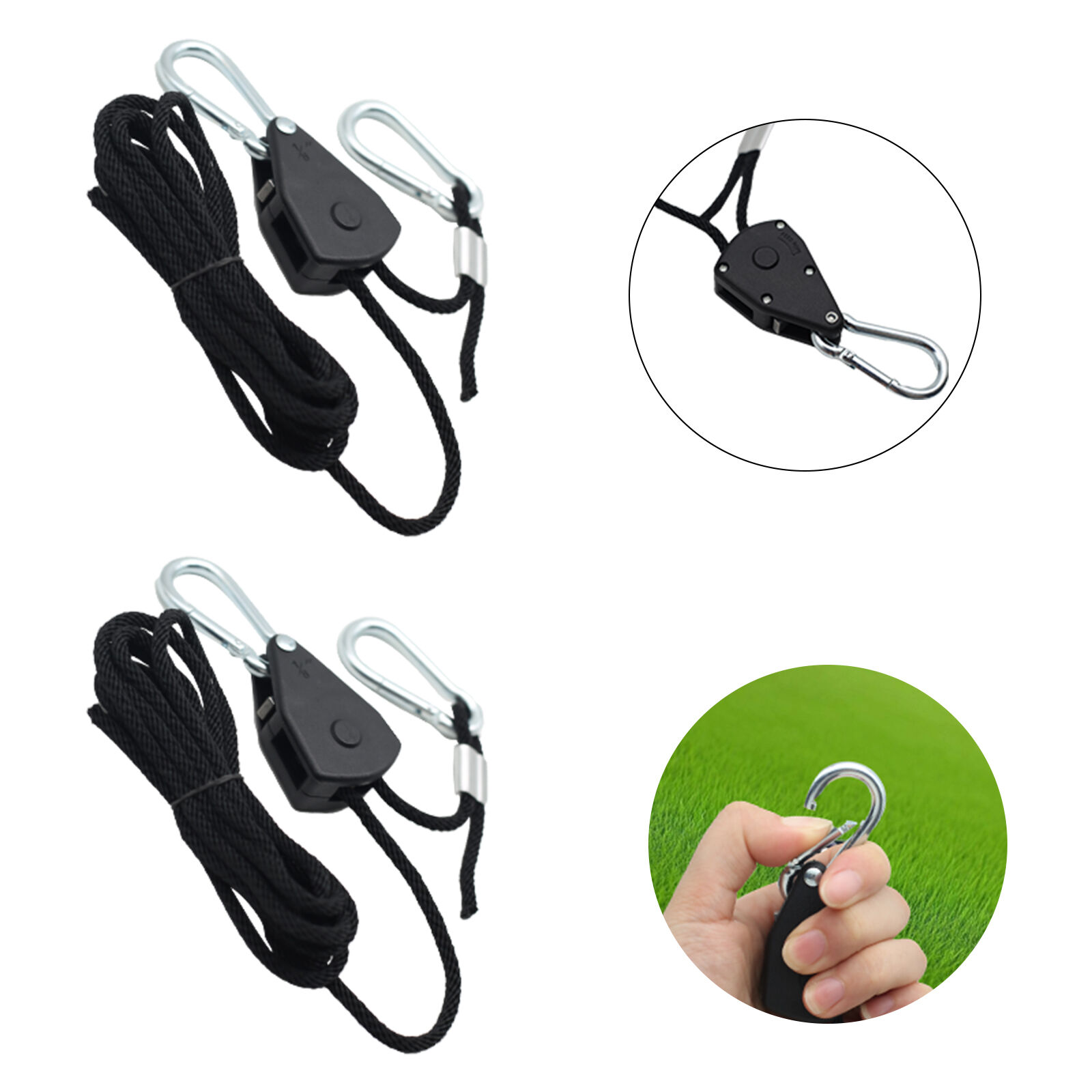
Whether you are loading gear onto a trailer, securing a tent in high winds, or fastening equipment to a roof rack before a long drive into the wilderness, the material of your tie down rope matters far more than most outdoor enthusiasts realize. Choosing the wrong material can mean frayed edges under UV exposure, dangerous slippage during travel, or a rope that simply snaps under load when you need it most. Understanding which materials are best suited for outdoor adventures and camping scenarios is the foundation of responsible load securing and safe gear management.
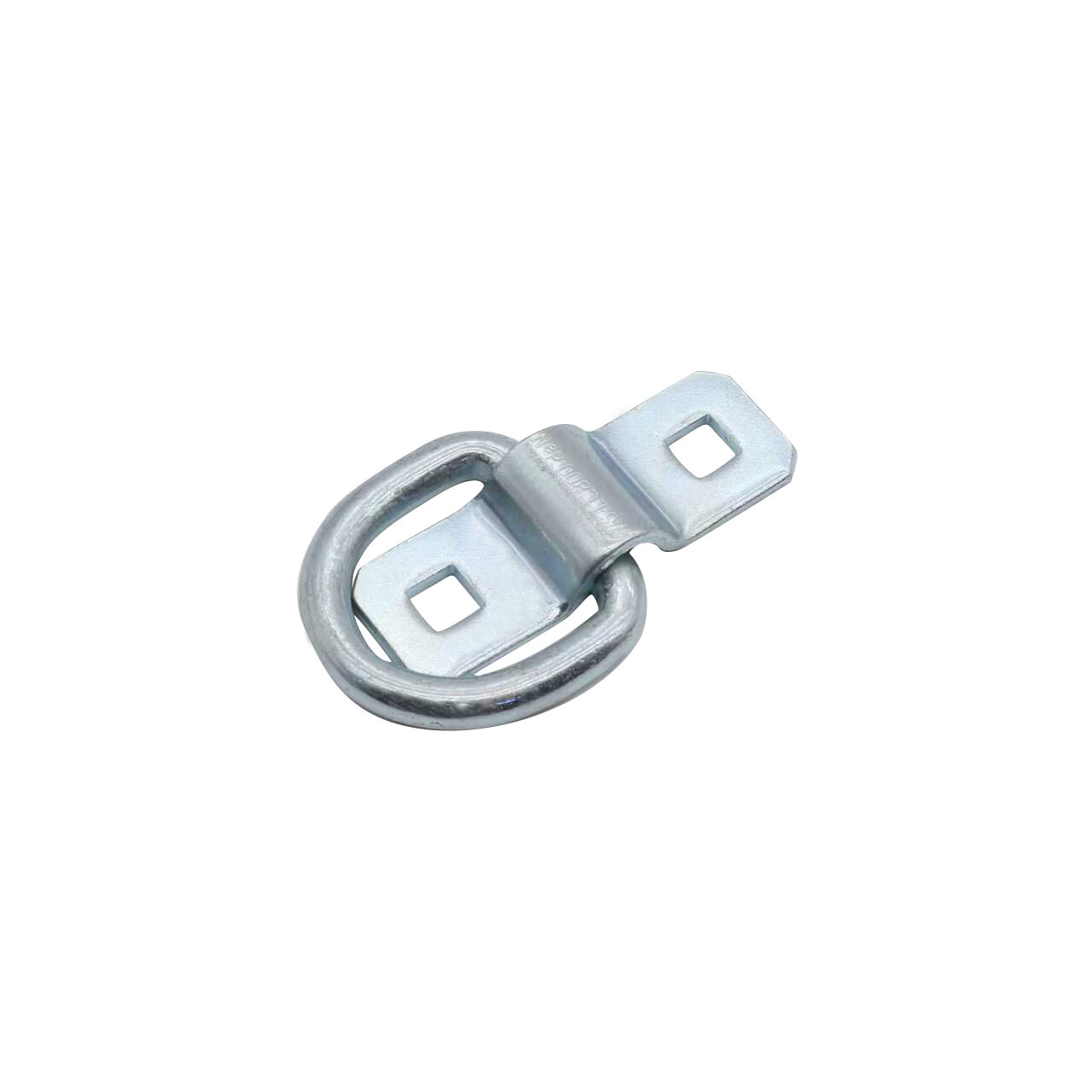
A well-chosen tie down rope is not just a convenience item — it is a piece of safety-critical equipment. Campers, overlanders, trail riders, and outdoor professionals rely on these ropes in demanding conditions ranging from rain-soaked forests to sun-baked desert trails. This article breaks down the primary materials used in modern tie down rope construction, examines their strengths and limitations in outdoor contexts, and helps you make smarter decisions about which material aligns with your specific adventure needs.
Why Material Selection Defines Tie Down Rope Performance
The Outdoor Environment Is Harsh on Rope Materials
Outdoor adventures expose every piece of gear to conditions that standard warehouse or storage environments simply do not replicate. A tie down rope used in camping scenarios must withstand moisture, temperature swings, abrasion from rocks and bark, and prolonged UV exposure. Each of these environmental factors degrades different materials at different rates, which is why a rope that works perfectly in controlled industrial settings may fail quickly when taken into the wild.
Moisture is one of the most destructive forces acting on rope materials. Natural fibers like cotton and manila absorb water, swell, and then weaken as they dry repeatedly. Synthetic materials generally repel water better, maintaining their structural integrity even after repeated soaking. When choosing a tie down rope for camping near rivers, lakes, or in rainy climates, moisture resistance becomes a primary selection criterion rather than a secondary consideration.
UV degradation is another critical factor that outdoor users often overlook. Prolonged sun exposure breaks down the polymer chains in many synthetic materials, causing brittleness and reduced load capacity over time. High-quality tie down rope products are often treated with UV stabilizers, but the base material still plays a major role in how long the rope retains its rated performance under sunlight exposure during extended camping trips or long trailer hauls.
Load Ratings and Elongation Properties Vary by Material
Every tie down rope material has a unique combination of tensile strength, elongation rate, and energy absorption capacity. Elongation — meaning how much a rope stretches under load — is a property that can be either advantageous or problematic depending on the application. A rope with moderate elongation can absorb shock loads during travel over rough terrain, reducing stress on cargo and anchor points. However, too much elongation allows cargo to shift, which creates instability.
For trailer-based applications, a low-elongation tie down rope is generally preferred because it holds cargo firmly in place without allowing movement. For securing loads to soft surfaces like tent poles or canopy frames where shock absorption is beneficial, a slightly more elastic material may serve better. Understanding this balance between stiffness and flexibility is essential when matching a tie down rope to a specific outdoor task.
Nylon as a Primary Tie Down Rope Material for Outdoor Use
Nylon Offers Strength, Elasticity, and Weather Resistance
Nylon is one of the most widely used materials in the production of tie down rope for both recreational and professional outdoor use. Its high tensile strength combined with a degree of natural elasticity makes it highly effective for applications where loads need to be held firmly while still absorbing minor shocks and vibrations. This characteristic is particularly valuable when securing cargo on trailers that travel over uneven terrain or gravel roads.
Nylon is also highly resistant to abrasion, which means a nylon tie down rope can be routed around metal edges, over rough surfaces, or through tight cargo rings without developing the fraying and wear that weaker materials experience. This durability makes nylon ropes a long-lasting investment for campers and overlanders who use their tie-down systems repeatedly across multiple trips throughout the year.
One limitation of nylon is its tendency to absorb some moisture, which can temporarily reduce its strength when fully saturated. However, nylon recovers its strength almost completely upon drying, making it a reliable choice even in wet environments. When you are loading gear for a camping trip in a rainy region and need a dependable tie down rope, nylon remains one of the top-performing material options available.
Nylon Tie Down Rope in Trailer Applications
For users who regularly haul camping gear, ATVs, or outdoor equipment on trailers, nylon-based tie down rope systems offer a compelling balance of strength, flexibility, and longevity. Nylon's elongation rate — typically between 15% and 25% at break — provides enough give to prevent snap-load failures during abrupt stops or bumps, while its high working load limit ensures cargo stays secure throughout the journey.
When paired with quality D-ring anchor systems and ratchet hardware, nylon tie down rope creates a reliable securing solution for varied cargo types. From kayaks and camping coolers to motorcycles and lumber, nylon adapts well to different load profiles. The material's slight elasticity means the tension in the rope self-adjusts to minor cargo settling, reducing the need to re-tighten ropes mid-journey on long overland routes.
Polyester Tie Down Rope for Stability-Focused Applications
Low Stretch and UV Stability Make Polyester a Strong Contender
Polyester has become a preferred material for outdoor tie down rope applications where minimal elongation is a priority. Unlike nylon, polyester stretches very little under load — typically less than 3% to 5% — which makes it ideal for situations where cargo must remain absolutely stationary. This characteristic is particularly important when securing fragile equipment, flat-packed gear, or precision loads that cannot shift during transport.
Polyester is also highly resistant to UV radiation, retaining its strength and flexibility far longer than many competing materials when exposed to continuous sunlight. For campers who store their tie down rope on the exterior of vehicles or trailers during multi-day trips, polyester's UV stability means the rope will not become brittle or lose significant load capacity from sun exposure over days or weeks in the field.
In terms of moisture performance, polyester outperforms nylon by absorbing virtually no water. A polyester tie down rope maintains nearly 100% of its rated strength when wet, making it an outstanding choice for water-based outdoor activities, river crossings, or camping in consistently wet environments. This moisture-neutral characteristic also means the rope dries quickly and resists mold and mildew growth, which is a practical advantage for extended camping expeditions.
When to Choose Polyester Over Nylon
The decision between polyester and nylon for your tie down rope often comes down to the specific outdoor scenario you are preparing for. If your primary concern is cargo stability during transport — particularly when hauling delicate items, rigid equipment cases, or loads that must not move — polyester is the superior choice because of its minimal elongation and high dimensional stability under sustained load.
If, on the other hand, you expect your tie down rope to endure shock loads — such as sudden braking on steep descents or rough off-road terrain — nylon's elastic properties offer a safety advantage by absorbing energy rather than transferring it directly into anchor points and hardware. Many experienced overlanders and trailer users maintain both types in their kit, using polyester for static tie-down scenarios and nylon where dynamic load absorption is needed.
Polypropylene and Natural Fiber Options in Outdoor Contexts
Polypropylene as a Budget-Conscious Tie Down Rope Material
Polypropylene is widely available and is often found in lower-cost tie down rope products marketed for general outdoor use. It is the lightest of the major synthetic rope materials and floats on water, which makes it useful for certain water recreation applications. Polypropylene is also highly resistant to most chemicals and does not absorb water, making it functional in wet environments without the weight penalty of saturated natural fiber ropes.
However, polypropylene has notable drawbacks that make it less suitable for demanding outdoor and camping use compared to nylon or polyester. It is significantly more susceptible to UV degradation, weakening relatively quickly when left in direct sunlight. It also has lower abrasion resistance, which means a polypropylene tie down rope may fray and weaken more rapidly when routed over rough metal or rocky surfaces. For occasional, light-duty use in favorable conditions, polypropylene can be cost-effective, but serious outdoor adventurers typically find the performance trade-offs too significant for regular field use.
Natural Fiber Ropes and Their Limitations for Modern Camping
Natural fiber ropes — including manila, hemp, and cotton variants — have a long history in rope-making and outdoor use. They offer excellent grip in hand and conform well to knots, which is why some campers still prefer them for tasks like tying tarps, rigging shelters, or creating camp furniture. Their organic texture and appearance also appeal to traditionalists and minimalist campers who prefer natural materials in their gear kit.
Despite these qualities, natural fiber ropes are generally not recommended as a primary tie down rope for securing loads during transport or in high-stakes outdoor scenarios. They absorb significant amounts of water, which increases weight, promotes rot, and reduces tensile strength substantially when wet. They are also far more susceptible to mildew, insect damage, and UV degradation than their synthetic counterparts. For light camp craft and decorative rigging, natural fibers remain charming and functional, but for reliable load securing, a synthetic tie down rope is the safer and more durable choice.
Key Properties to Evaluate When Selecting Outdoor Tie Down Rope
Working Load Limit and Break Strength
Every tie down rope intended for serious outdoor and camping use should be clearly rated with both a working load limit (WLL) and a break strength figure. The WLL is the maximum load the rope should carry under normal operating conditions, while the break strength is the force at which the rope fails completely. Industry best practice recommends using a tie down rope at no more than one-third of its break strength to maintain an adequate safety margin, especially in dynamic outdoor environments where unexpected forces may be applied.
Selecting a tie down rope with an appropriate WLL for your specific cargo weight is a non-negotiable safety step. Overloading a rope — even briefly — can cause internal fiber damage that is not visible externally but significantly compromises the rope's reliability in subsequent uses. Always account for the combined weight of cargo plus the dynamic forces generated by travel over rough terrain when calculating the required WLL for your tie down rope system.
Diameter, Flexibility, and Handling Characteristics
The diameter of a tie down rope directly affects both its strength and its handling ergonomics. Thicker ropes generally offer higher load ratings but may be stiffer and harder to tie tightly into secure knots, particularly in cold weather when synthetic materials stiffen. Thinner ropes are more flexible and easier to work with by hand but require careful attention to their WLL relative to the loads being secured.
For most camping and outdoor adventure applications, a tie down rope in the 8mm to 12mm diameter range offers a practical balance between strength, flexibility, and ease of use. This range allows secure knotting and routing through standard hardware while still delivering working load limits suitable for typical outdoor gear loads. Braid construction — whether solid braid, double braid, or twisted — also influences handling, with braided constructions generally offering better flexibility and resistance to kinking than twisted alternatives.
FAQ
What is the most durable tie down rope material for camping in wet conditions?
Polyester is generally the most durable tie down rope material for consistently wet camping environments because it absorbs virtually no water, maintains nearly full strength when wet, and resists mold and mildew. Nylon is also a strong performer in wet conditions, losing only a small percentage of strength when saturated and recovering fully upon drying. Both outperform polypropylene and natural fiber options in terms of long-term reliability in moisture-heavy outdoor settings.
Can I use the same tie down rope for both trailer hauling and camp rigging?
While many outdoor enthusiasts use a single type of tie down rope for multiple purposes, matching the rope to its specific application yields better results and safer outcomes. Trailer hauling typically benefits from low-elongation polyester or high-strength nylon rated for the working load involved, while camp rigging for tarps and shelters can tolerate lighter, more flexible ropes. Using a trailer-grade tie down rope for camp rigging is not harmful, but using a light camp rope for trailer securing could be dangerous if the load exceeds the rope's rated capacity.
How often should I replace my tie down rope used for outdoor adventures?
The replacement schedule for a tie down rope depends on usage frequency, storage conditions, and visible signs of wear. As a general guideline, inspect your tie down rope before every use for fraying, discoloration, stiffness, or areas of visible damage. Even without visible damage, ropes exposed to heavy UV, repeated heavy loading, or harsh chemical environments should be replaced every one to three years depending on use intensity. Never use a rope that shows signs of internal or external damage, as the actual break strength may be significantly lower than the rated value.
Is a braided tie down rope better than a twisted rope for outdoor use?
Braided construction generally offers advantages over twisted construction for outdoor tie down rope applications. Braided ropes resist kinking and coil more easily for storage, which matters when packing gear for camping trips. They also tend to have better abrasion resistance on the outer surface, which extends service life when the rope contacts rough trailer decking, rock surfaces, or metal hardware. Twisted ropes can be easier to splice and are sometimes preferred for traditional knotted rigging, but for modern trailer and load-securing applications, braided tie down rope construction is typically the more practical and durable choice.
Table of Contents
- Why Material Selection Defines Tie Down Rope Performance
- Nylon as a Primary Tie Down Rope Material for Outdoor Use
- Polyester Tie Down Rope for Stability-Focused Applications
- Polypropylene and Natural Fiber Options in Outdoor Contexts
- Key Properties to Evaluate When Selecting Outdoor Tie Down Rope
- FAQ