 EN
EN
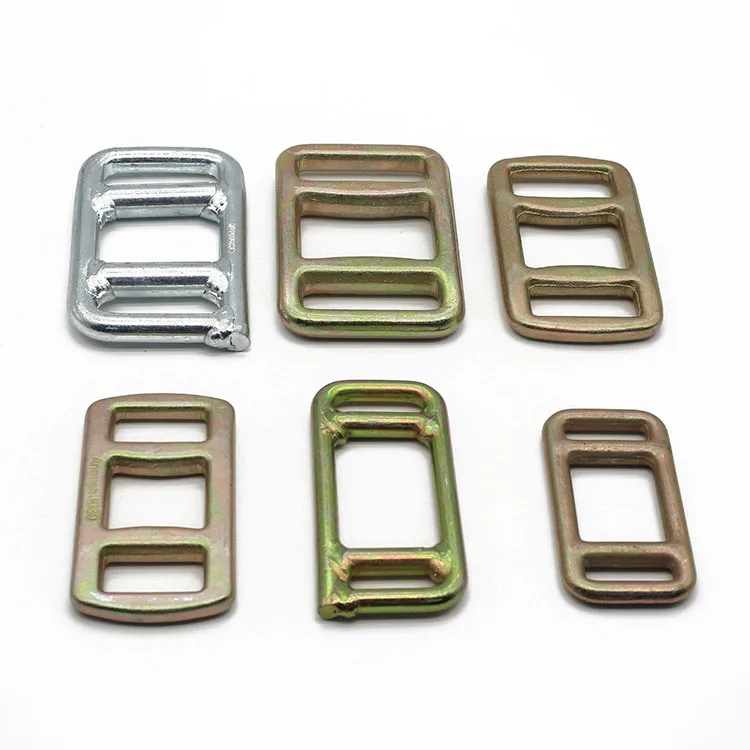
When it comes to securing heavy loads during transport, the question is not just whether your straps are tight enough — it is whether your tie down hardware is doing the work it was engineered to do. Many fleet operators and logistics managers assume that any buckle or ratchet mechanism will hold under pressure, but the reality is that hardware grade, material selection, and mechanical design all play a defining role in how much security your load actually receives. Substandard components can fail progressively or suddenly, and in either case the consequences range from cargo damage to serious road hazards.
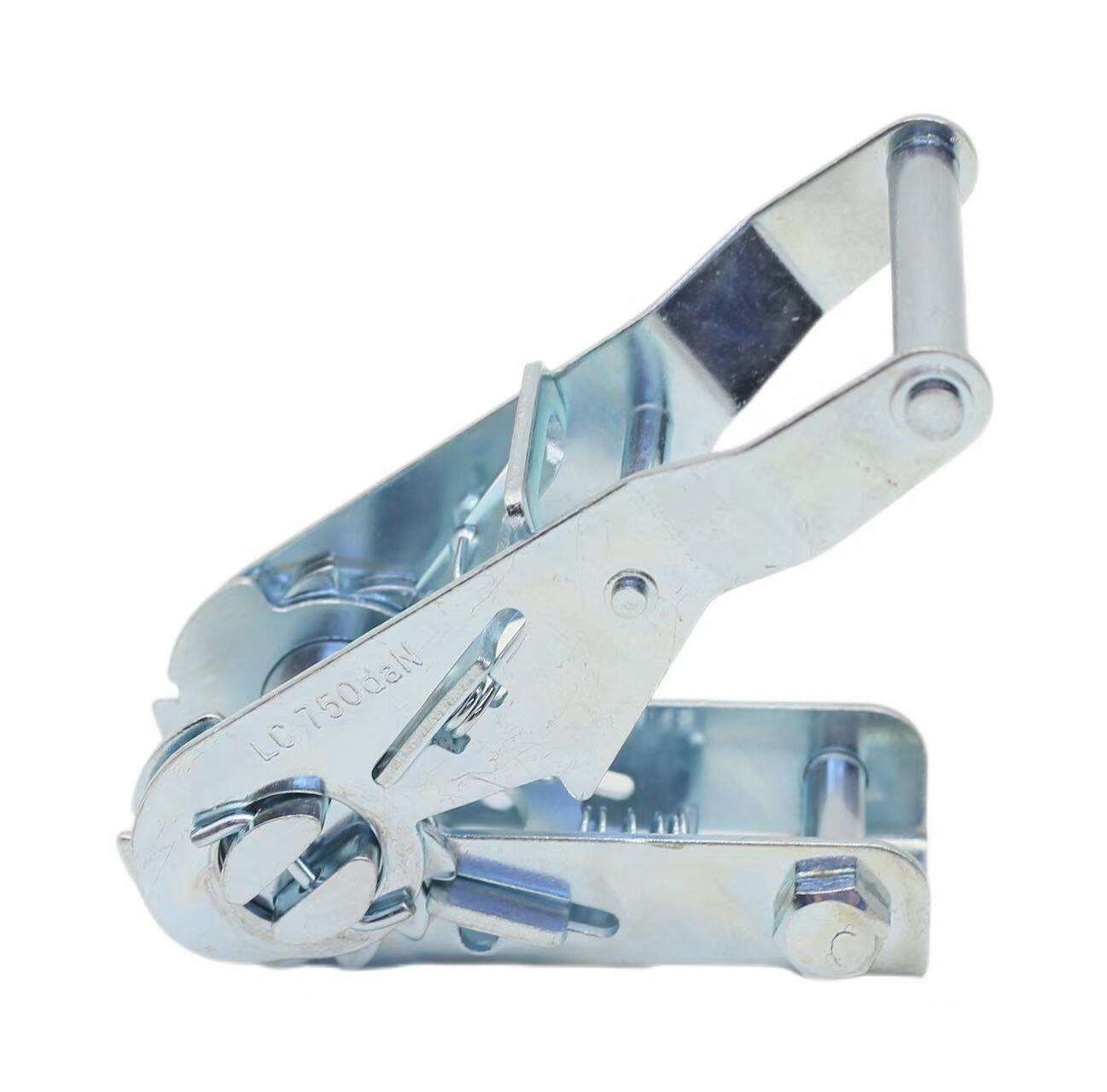
Heavy-duty tie down hardware is not a marketing category — it is a functional specification. When properly matched to load weight, strap width, and transport conditions, high-grade tie down hardware can deliver measurably greater clamping force, resistance to vibration-induced loosening, and long-term durability compared to standard-grade alternatives. The short answer to whether it can double your load security is yes — but only when you understand what that improvement is based on, how it is achieved, and where it matters most. This article breaks that down in practical, decision-useful terms.
What Heavy-Duty Tie Down Hardware Actually Means
Grade Classifications and Working Load Limits
Not all tie down hardware carries the same working load limit, and the difference between a light-duty ratchet buckle and a heavy-duty unit is not cosmetic. Heavy-duty hardware is typically rated for significantly higher working load limits — often starting at 3,000 lbs and extending well beyond 5,000 lbs depending on the configuration. These ratings are not arbitrary. They are derived from break strength testing, where manufacturers establish the working load limit as a fraction of the ultimate break strength, commonly one-third.
The grade of steel used in the housing, axle, and pawl mechanism directly determines how much mechanical stress the tie down hardware can absorb before deforming or failing. Heavy-duty ratchet buckles often use heat-treated steel components that resist bending under high tension, whereas standard-grade buckles may rely on mild steel that is more susceptible to fatigue over time. Understanding the working load limit printed on your hardware is the starting point for making accurate security assessments.
When you are moving oversized machinery, construction equipment, or dense palletized freight, selecting tie down hardware rated for the actual load weight — with appropriate safety margin — is not optional. It is the baseline for compliance with DOT regulations and for protecting the cargo itself.
The Role of Material and Construction in Holding Power
Heavy-duty tie down hardware commonly incorporates features that standard hardware omits entirely. A steel handle on a ratchet buckle, for instance, provides greater mechanical advantage than a plastic or thin-gauge handle, allowing the operator to generate more strap tension without excessive physical effort. More tension means the strap is held closer to its rated capacity, which directly translates to greater resistance against load shifting.
Zinc plating or powder coating adds corrosion resistance, which matters significantly for tie down hardware exposed to road salt, moisture, and temperature cycling. Corroded components lose structural integrity in ways that are not always visible during a pre-trip inspection. Heavy-duty hardware designed for industrial and fleet applications typically incorporates surface treatments that extend service life and maintain consistent performance across hundreds of load cycles.
The geometry of the ratchet mechanism — specifically the tooth count and pawl engagement angle — also affects holding security. A finer tooth pattern allows for more precise strap tensioning and reduces the chance of the mechanism slipping under vibration load, which is a common failure mode on rough road surfaces or during extended highway transport.
How Heavy-Duty Tie Down Hardware Increases Load Security
Mechanical Advantage and Strap Tension
The core function of tie down hardware is to convert operator effort into strap tension, and the efficiency of that conversion varies considerably between hardware grades. A well-engineered heavy-duty ratchet buckle is designed to maximize mechanical advantage, meaning that a modest amount of force applied to the handle produces a substantially higher strap tension than a lower-quality unit would under the same input. This is why two rigs using identical straps can achieve very different levels of load security depending solely on the quality of the tie down hardware installed.
Higher strap tension reduces load movement during transport. When freight shifts even slightly, it redistributes weight unevenly across the deck, which can affect vehicle handling and accelerate strap wear. Heavy-duty tie down hardware helps maintain consistent tension through the entire haul, rather than allowing gradual loosening as vibration and road irregularities work against lighter-duty mechanisms.
For operators who regularly haul dense or irregularly shaped loads, this difference in sustained tension is not theoretical — it is the practical measure of whether a load arrives undamaged and the vehicle remains stable throughout the journey.
Resistance to Vibration-Induced Loosening
Vibration is one of the most underestimated enemies of load security. Over a long haul, constant road vibration can work against strap tension and cause standard-grade tie down hardware to slowly release its grip on the strap. Heavy-duty ratchet buckles are engineered with tighter component tolerances and stronger pawl spring mechanisms that resist this loosening effect more effectively.
The interaction between the pawl and the ratchet wheel is the critical interface. In heavy-duty tie down hardware, this interface is machined or stamped to tighter tolerances, resulting in a more positive lock that holds under sustained dynamic load. This is particularly important for flatbed applications where the load is exposed to wind resistance, lateral forces during cornering, and vertical shock from road imperfections.
Some heavy-duty designs also incorporate secondary locking features or reinforced axle pins that prevent the ratchet mechanism from backing off even under the most demanding conditions. These engineering details are what separate hardware that holds reliably from hardware that holds until conditions become challenging.
Scenarios Where Heavy-Duty Tie Down Hardware Delivers the Greatest Benefit
Flatbed and Open Deck Transport
Flatbed transport represents the most demanding application for tie down hardware because loads are fully exposed to aerodynamic forces, temperature variation, and direct vibration transfer from the deck. Standard-grade buckles that perform adequately in enclosed trailer applications may underperform significantly in flatbed conditions. Heavy-duty tie down hardware is the appropriate specification for this environment, providing the clamping force and mechanical resilience that open deck transport demands.
For loads like steel coils, construction materials, agricultural equipment, and fabricated structures, the combination of high working load limits and vibration-resistant ratchet mechanisms in heavy-duty tie down hardware directly addresses the specific failure modes common in flatbed freight. The improvement in security is not incremental — it is the difference between a load that arrives intact and one that does not.
Operators who transition from standard to heavy-duty tie down hardware in flatbed applications frequently report needing fewer re-tensioning stops, less strap replacement, and greater confidence in load integrity throughout long-distance hauls. These practical outcomes validate the performance claims associated with heavy-duty specifications.
Heavy Equipment and Oversized Load Applications
Moving heavy construction equipment, industrial machinery, or oversized freight requires tie down hardware rated for loads that standard strapping systems were never designed to handle. In these scenarios, the working load limit of the hardware must be calculated against the actual cargo weight with a clear safety margin, and the mechanical design of the ratchet buckle must be capable of generating and sustaining the strap tension needed to immobilize several tons of equipment.
Heavy-duty tie down hardware in these applications typically includes wider strap compatibility — two-inch or larger — and heavier steel construction throughout. The handle, housing, axle, and pawl are all sized proportionally to the expected load demands. This is not a case where a heavier label on lighter hardware suffices. The physical dimensions and material specifications must correspond to the rated capacity.
For equipment transport companies and construction logistics providers, specifying the correct heavy-duty tie down hardware is also a matter of liability and regulatory compliance. DOT securement regulations specify minimum tie-down counts and aggregate working load limits based on cargo weight, and meeting those requirements demands hardware that is both rated appropriately and functioning reliably.
Evaluating Whether Your Current Tie Down Hardware Is Adequate
Signs That Hardware Is Underperforming
There are observable indicators that tie down hardware is not delivering the security level your load requires. If straps require re-tensioning mid-route more than once, the ratchet mechanism is likely not holding tension effectively — a symptom of worn pawl teeth, a weak spring, or housing deformation that allows slight slippage under load. Visible corrosion on the axle or ratchet wheel is another warning sign, as oxidation creates surface irregularities that interfere with smooth engagement and reliable locking.
Difficulty closing the ratchet handle or a mechanism that feels loose in the closed position suggests internal wear that reduces the effective holding force. Over time, repeated use at or near the working load limit can fatigue components in standard-grade tie down hardware in ways that are not always externally visible but still compromise performance.
If your current tie down hardware shows any of these signs, upgrading to heavy-duty components is not a discretionary improvement — it is a necessary correction to restore the security level your transport operations require.
Matching Hardware to Load Type and Frequency
Selecting the right tie down hardware also involves understanding how often the equipment is used and what types of loads it regularly secures. High-cycle operations — where the same buckle is loaded and unloaded multiple times per week — demand hardware with greater fatigue resistance than occasional-use scenarios. Heavy-duty ratchet buckles built with higher-grade materials and tighter manufacturing tolerances retain their performance characteristics over a much larger number of cycles.
Load type matters equally. Smooth, rigid cargo transfers load forces differently than irregularly shaped or flexible freight. Heavy-duty tie down hardware with wider strap capacity and stronger clamping force handles both scenarios more effectively than lighter alternatives because it maintains strap tension regardless of how the load shifts or settles during transport.
Taking an inventory of your current hardware specifications and comparing them against your typical load weights and transport conditions is the most direct way to identify whether your current tie down hardware is matched to your operational demands — or whether a switch to heavy-duty components would close a genuine performance gap.
FAQ
Can heavy-duty tie down hardware actually double the security of a load?
Yes, in practical terms it can — particularly when you are transitioning from standard-grade hardware to properly rated heavy-duty tie down hardware. The improvement comes from higher working load limits, greater sustained strap tension, and better resistance to vibration-induced loosening. The combined effect is a measurably more secure load, especially under demanding transport conditions like flatbed hauling or heavy equipment transport.
What is the most important specification to check on tie down hardware?
The working load limit is the most critical specification. It tells you the maximum load the tie down hardware is certified to secure under normal working conditions. Always ensure the aggregate working load limit of all your tie-down points meets or exceeds the weight of your cargo, and confirm the hardware is also compatible with your strap width and type.
How often should heavy-duty tie down hardware be inspected or replaced?
Tie down hardware should be inspected before every use for visible corrosion, deformation, worn teeth, or loose components. For high-frequency operations, a more thorough inspection including spring tension and pawl engagement should be performed regularly — at minimum on a monthly basis. Hardware showing signs of fatigue, corrosion, or damage should be replaced immediately regardless of age or hours of use.
Is heavy-duty tie down hardware required by DOT regulations?
DOT regulations specify minimum aggregate working load limits based on cargo weight but do not mandate a specific hardware grade by name. However, meeting those working load limit requirements for heavy freight practically necessitates the use of heavy-duty tie down hardware. Using undersized hardware that does not meet the required aggregate working load limit is a regulatory violation and a serious safety risk.