 EN
EN
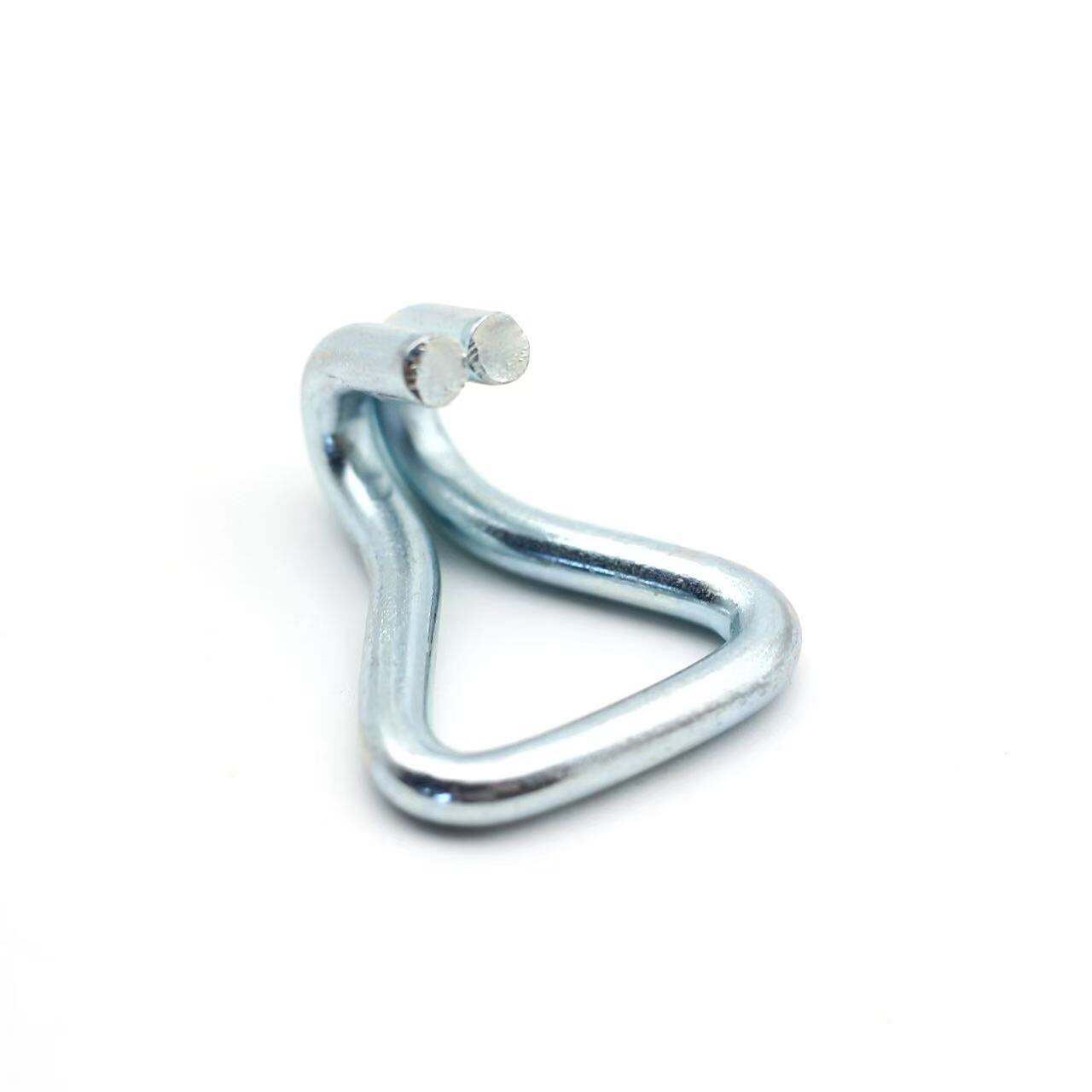
Marine cargo transportation demands exceptional attention to safety and security, particularly when selecting appropriate tie down hardware for securing loads on vessels and waterfront facilities. Professional marine operations require specialized restraint systems that can withstand harsh saltwater environments, extreme weather conditions, and the constant motion of maritime transport. Understanding the unique requirements of marine-grade tie down hardware ensures optimal cargo protection while maintaining compliance with international maritime safety standards.
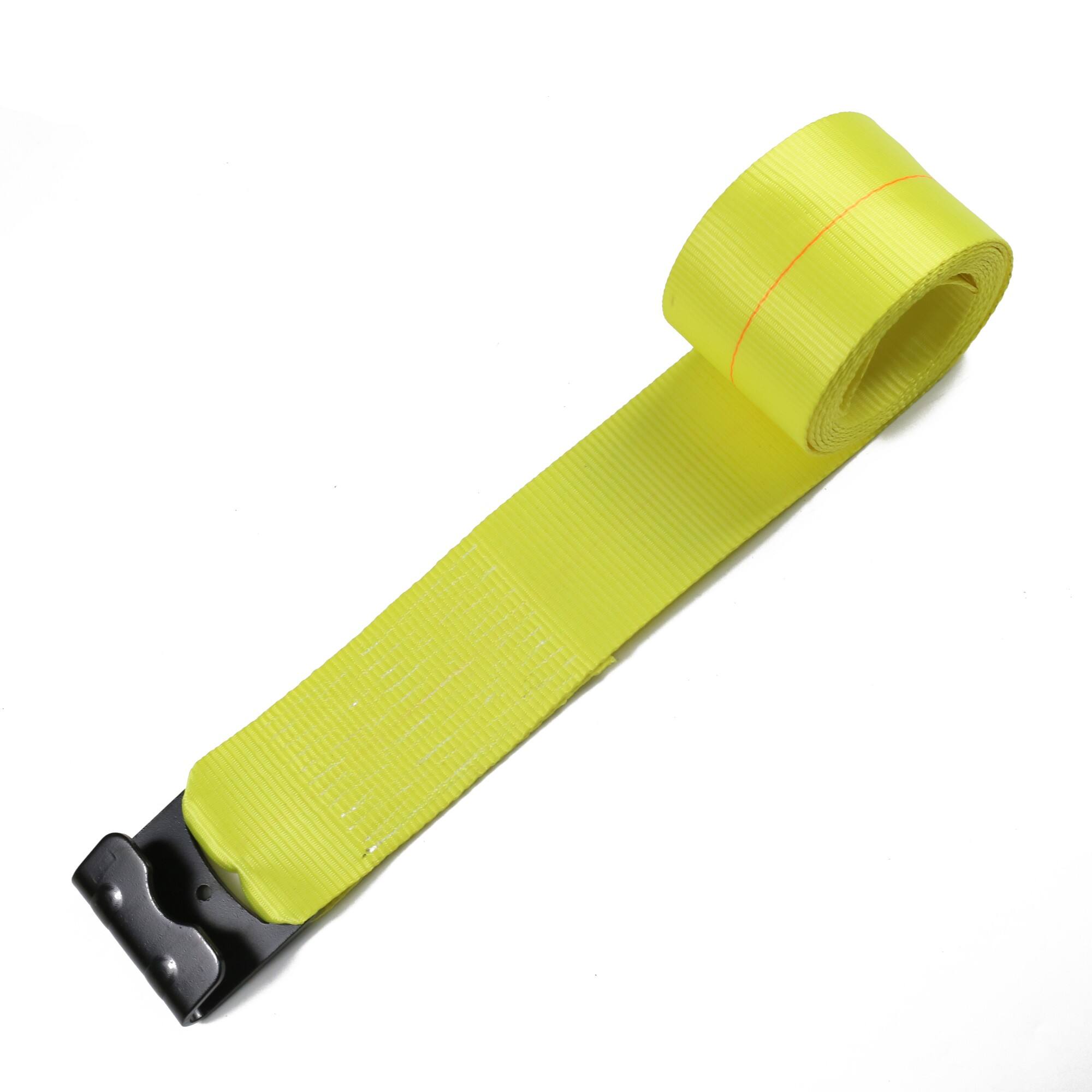
The selection process for marine tie down hardware involves multiple technical considerations that directly impact cargo security and operational efficiency. Marine environments present unique challenges including corrosive salt exposure, temperature fluctuations, and dynamic loading conditions that standard hardware cannot adequately address. Professional cargo handlers and vessel operators must evaluate material composition, load ratings, and environmental resistance when specifying tie down hardware for maritime applications.
Understanding Marine Environment Challenges
Corrosion Resistance Requirements
Saltwater environments create extremely corrosive conditions that rapidly degrade standard tie down hardware materials. Marine-grade tie down hardware must incorporate specialized coatings, stainless steel construction, or galvanized finishes to resist electrochemical corrosion. The selection of appropriate corrosion-resistant materials directly influences the operational lifespan and reliability of cargo restraint systems in maritime applications.
Professional marine operators typically specify tie down hardware with hot-dip galvanized coatings or 316-grade stainless steel construction for maximum corrosion resistance. These materials provide superior protection against chloride-induced pitting and general atmospheric corrosion common in marine environments. Regular inspection and maintenance protocols ensure that tie down hardware maintains structural integrity throughout extended service periods.
Dynamic Loading Considerations
Vessel motion creates complex dynamic loading patterns that significantly exceed static load calculations for tie down hardware systems. Wave action, acceleration forces, and cargo shifting generate multidirectional stresses that require specialized engineering analysis for proper hardware selection. Marine tie down hardware must accommodate these dynamic forces while maintaining adequate safety factors.
Professional load calculation methods for marine tie down hardware typically incorporate acceleration factors ranging from 1.5 to 3.0 times the static cargo weight, depending on vessel type and operating conditions. These calculations ensure that selected hardware provides sufficient working load limits to maintain cargo security during typical maritime transport scenarios.
Material Selection Criteria
Stainless Steel Specifications
Stainless steel tie down hardware offers superior corrosion resistance and mechanical properties for demanding marine applications. Grade 316 stainless steel provides excellent resistance to chloride corrosion and maintains structural integrity under extreme temperature variations. The material's inherent strength characteristics support high working load limits while minimizing weight penalties.
Professional marine operations often specify tie down hardware manufactured from 316L stainless steel for critical applications requiring maximum corrosion resistance. This low-carbon variant provides enhanced weldability and reduced sensitization risks during manufacturing processes. The material selection ensures long-term performance reliability in harsh saltwater environments.
Galvanized Steel Options
Hot-dip galvanized tie down hardware provides cost-effective corrosion protection for many marine applications. The zinc coating sacrificially protects the underlying steel substrate from corrosive attack while maintaining excellent strength-to-weight ratios. Proper galvanizing processes create uniform coating thickness that extends hardware service life significantly.
Quality galvanized tie down hardware typically features coating weights exceeding 2.0 ounces per square foot for marine service applications. Professional specifications often require compliance with ASTM A153 standards to ensure consistent coating quality and adhesion characteristics. Regular inspection protocols monitor coating condition to schedule timely replacement or refurbishment.
Load Rating Determination
Working Load Limit Calculations
Proper working load limit determination for marine tie down hardware requires comprehensive analysis of cargo characteristics, securing patterns, and environmental loading conditions. Professional engineers calculate required restraint forces based on vessel acceleration profiles, cargo distribution, and applicable safety regulations. These calculations establish minimum working load limits for individual hardware components.
Industry-standard safety factors for marine tie down hardware typically range from 3:1 to 5:1, depending on application criticality and regulatory requirements. Professional specifications incorporate these safety margins to account for material degradation, dynamic loading effects, and operational uncertainties. Proper documentation ensures compliance with maritime safety standards.
Ultimate Tensile Strength Requirements
Ultimate tensile strength specifications for marine tie down hardware must exceed working load requirements by established safety factors while accounting for environmental degradation effects. Professional testing protocols verify that hardware maintains specified strength characteristics throughout service life. Material certificates provide traceability for quality assurance purposes.
High-strength tie down hardware for marine applications typically features ultimate tensile strengths ranging from 15,000 to 50,000 pounds, depending on component size and application requirements. Professional specifications require proof load testing at 2.0 times the working load limit to verify structural adequacy. Regular testing protocols monitor hardware condition and performance degradation over time.
Hardware Component Categories
Shackles and Connecting Hardware
Marine-grade shackles serve as critical connection points within tie down hardware systems, requiring exceptional strength and corrosion resistance characteristics. Professional shackle selection considers pin design, body configuration, and load orientation to optimize system performance. Proper shackle sizing ensures adequate working load capacity while minimizing stress concentrations.
Stainless steel shackles with captive pins provide reliable connection performance in marine tie down hardware applications. Professional specifications typically require compliance with federal specification RR-C-271 or equivalent standards to ensure consistent quality and performance characteristics. Regular inspection protocols monitor pin wear and body deformation to maintain system integrity.
Turnbuckles and Tensioning Systems
Turnbuckles enable precise tension adjustment within marine tie down hardware systems while maintaining secure connections under dynamic loading conditions. Professional turnbuckle selection considers thread configuration, body material, and environmental exposure to optimize performance and service life. Proper sizing ensures adequate adjustment range for various cargo securing scenarios.
Marine-grade turnbuckles with jaw-and-jaw or hook-and-hook end configurations provide versatile connection options for diverse tie down hardware applications. Professional specifications often require compliance with federal specification FF-T-791 to ensure consistent thread engagement and structural performance. Regular lubrication and inspection maintain operational reliability throughout service life.
Installation and Maintenance Practices
Proper Installation Techniques
Professional installation of marine tie down hardware requires adherence to manufacturer specifications and industry best practices to ensure optimal performance and safety. Proper torque application, thread engagement, and connection alignment directly influence system reliability and service life. Training programs ensure that installation personnel understand critical requirements for marine applications.
Installation documentation for tie down hardware systems should include component specifications, torque values, and inspection requirements to maintain traceability and compliance. Professional installation practices incorporate witness marks, photography, and written records to document proper assembly procedures. These records support regulatory compliance and maintenance planning activities.
Preventive Maintenance Protocols
Systematic preventive maintenance programs for marine tie down hardware extend service life while maintaining operational safety and reliability. Professional maintenance schedules incorporate visual inspections, load testing, and component replacement based on manufacturer recommendations and operational experience. Documentation systems track maintenance activities and component condition over time.
Regular cleaning and lubrication procedures for tie down hardware components prevent corrosion buildup and ensure smooth operation of adjustable elements. Professional maintenance protocols specify appropriate cleaning agents, lubrication products, and application procedures for marine environments. These practices maintain optimal performance while preventing premature failure.
Regulatory Compliance Standards
International Maritime Organization Guidelines
International Maritime Organization regulations establish minimum standards for cargo securing systems including tie down hardware specifications and performance requirements. Professional compliance programs ensure that selected hardware meets applicable IMO guidelines for specific vessel types and cargo categories. Documentation systems maintain records of compliance verification and certification activities.
IMO guidelines for tie down hardware emphasize the importance of proper load calculations, material specifications, and inspection procedures to maintain cargo security during maritime transport. Professional implementations incorporate these requirements into procurement specifications and operational procedures. Regular audits verify ongoing compliance with international standards.
National and Regional Requirements
National maritime authorities often impose additional requirements for tie down hardware beyond international standards to address specific operational conditions or safety concerns. Professional compliance programs identify applicable national requirements and incorporate them into hardware selection and operational procedures. Regional variations may affect material specifications or testing requirements.
Coast Guard regulations in various countries specify minimum standards for tie down hardware used in commercial maritime operations. Professional operators maintain current knowledge of applicable regulations and ensure that procurement specifications reflect current requirements. Compliance documentation supports regulatory inspections and operational certifications.
Cost-Benefit Analysis
Initial Investment Considerations
Professional cost analysis for marine tie down hardware considers initial procurement costs, installation expenses, and long-term operational benefits to determine optimal value propositions. High-quality hardware typically requires greater initial investment but provides superior service life and reliability compared to standard alternatives. Life-cycle cost analysis supports informed decision-making processes.
Premium tie down hardware materials such as stainless steel or specialized coatings command higher prices but offer significant advantages in marine environments. Professional procurement strategies balance initial costs against operational benefits including reduced maintenance requirements, extended service life, and improved safety performance. Total cost of ownership analysis provides comprehensive evaluation criteria.
Long-Term Operational Savings
Quality marine tie down hardware generates long-term operational savings through reduced maintenance requirements, extended replacement intervals, and improved operational reliability. Professional cost-benefit analyses quantify these savings to justify initial investment premiums for high-quality components. Operational data supports continuous improvement in procurement strategies.
Reduced downtime and maintenance costs for premium tie down hardware often offset initial price premiums within the first year of service in demanding marine applications. Professional fleet operators track maintenance costs, replacement frequencies, and operational availability to validate procurement decisions. These metrics support future hardware selection criteria.
FAQ
What is the recommended safety factor for marine tie down hardware?
Professional marine operations typically specify safety factors of 3:1 to 5:1 for tie down hardware applications, depending on cargo criticality and operational conditions. This safety margin accounts for dynamic loading, material degradation, and operational uncertainties common in marine environments. Higher safety factors may be required for critical cargo or extreme operating conditions.
How often should marine tie down hardware be inspected?
Marine tie down hardware requires visual inspection before each use and detailed inspection at intervals specified by manufacturers or regulatory authorities, typically ranging from monthly to annually depending on usage intensity and environmental exposure. Professional inspection protocols include visual examination, dimensional verification, and functional testing to identify wear, corrosion, or damage that could compromise system integrity.
Can standard tie down hardware be used in marine applications?
Standard tie down hardware lacks the corrosion resistance and environmental protection required for reliable marine service and should not be substituted for marine-grade components. Professional marine operations specify hardware with appropriate coatings, materials, and certifications to ensure safe and reliable performance in saltwater environments. Using inappropriate hardware can result in premature failure and cargo security risks.
What documentation is required for marine tie down hardware procurement?
Professional procurement of marine tie down hardware requires material certifications, load test reports, compliance documentation, and manufacturer specifications to ensure quality and regulatory compliance. Documentation should include material traceability, working load limits, safety factors, and applicable standards compliance. These records support regulatory inspections, insurance requirements, and operational safety programs.