 EN
EN


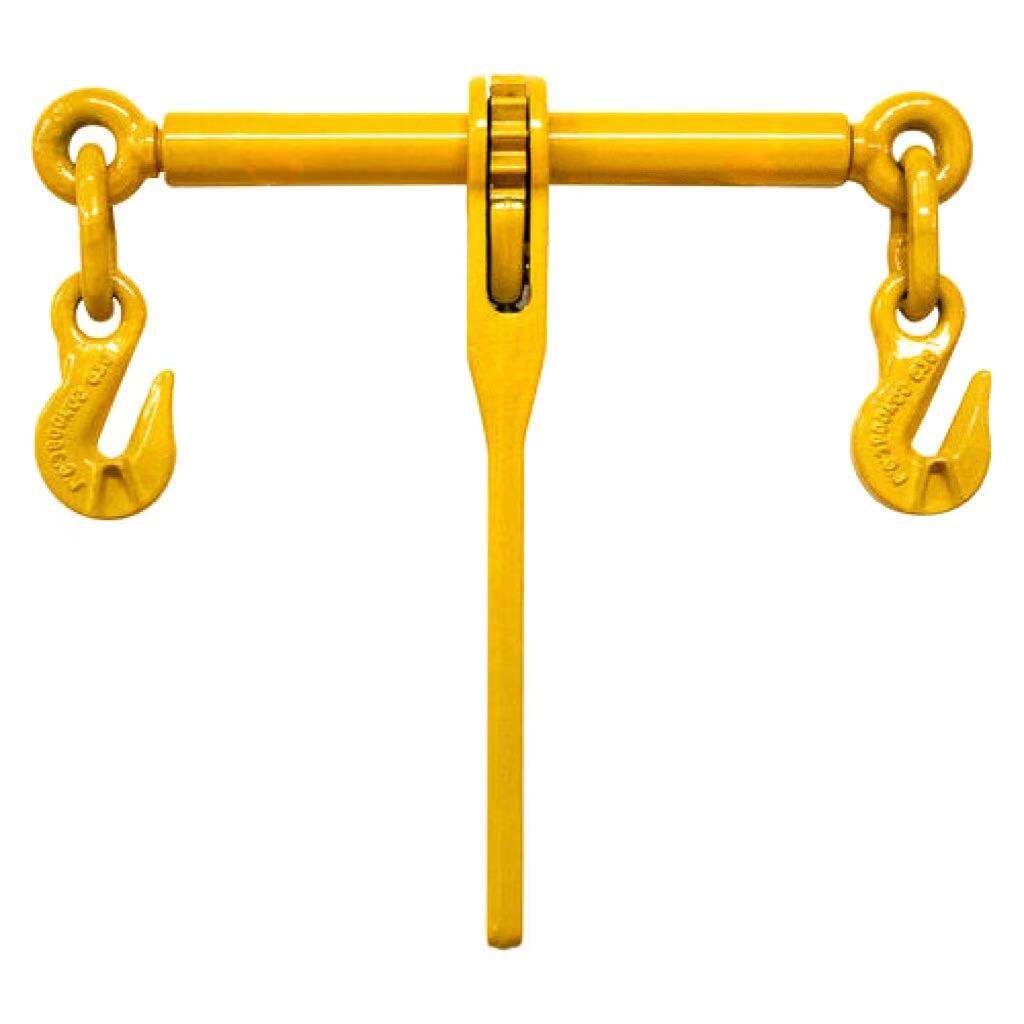
In the demanding world of heavy-duty transportation and cargo securing, load binders represent one of the most critical components for ensuring safe and reliable freight movement. These robust mechanical devices serve as the backbone of chain-based tie-down systems, providing the necessary tension and security required to prevent cargo shifting during transport. Professional haulers, construction crews, and industrial operators rely on high-quality load binders to maintain cargo integrity across thousands of miles and challenging conditions.
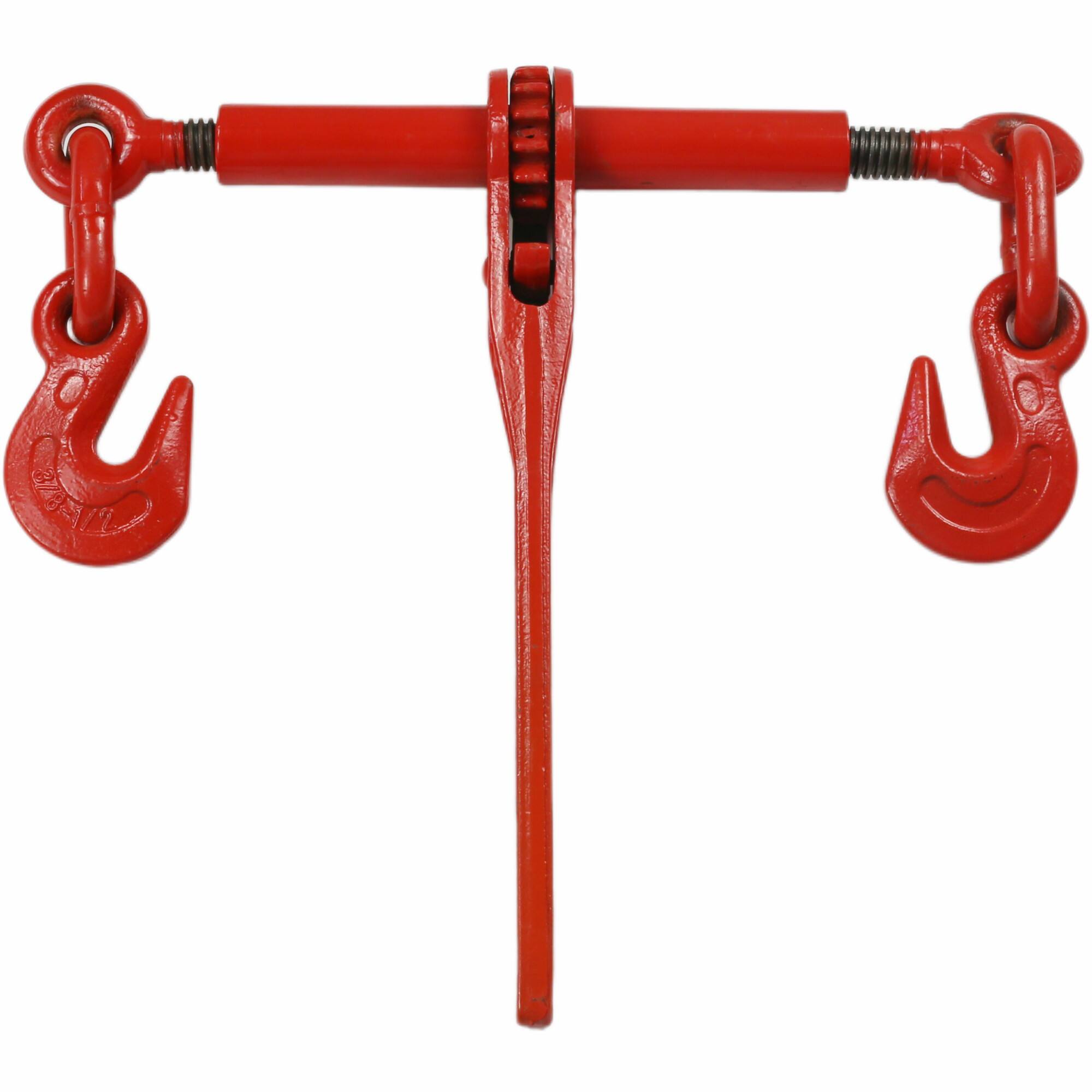
Engineering Excellence in Load Binder Design
Material Composition and Durability Standards
The reliability of load binders begins with their material composition, typically featuring high-grade alloy steel construction that meets or exceeds industry safety standards. Premium load binders incorporate advanced metallurgy techniques, including heat treatment processes that enhance tensile strength while maintaining flexibility under stress. The forging process creates a grain structure that resists fatigue cracking, a common failure mode in lesser-quality alternatives. Surface treatments such as zinc plating or powder coating provide additional corrosion resistance, extending operational life in harsh environmental conditions.
Manufacturing precision plays a crucial role in determining long-term performance characteristics of load binders. Dimensional tolerances must be tightly controlled to ensure proper chain engagement and smooth operation of mechanical components. Quality manufacturers employ rigorous testing protocols, including proof load testing and working load limit verification, to guarantee each unit meets specified performance criteria. The integration of safety factors typically ranges from 4:1 to 5:1, providing substantial margins above working load limits to accommodate dynamic loading conditions encountered during transport operations.
Mechanical Advantage and Force Multiplication
Load binders achieve their effectiveness through sophisticated mechanical advantage systems that amplify applied force significantly. Ratchet-style mechanisms provide incremental tensioning capability, allowing operators to achieve precise load control while maintaining consistent pressure throughout the securing process. The gear ratio design determines the mechanical advantage, with typical ratios ranging from 10:1 to 15:1, enabling operators to generate substantial chain tension with relatively modest physical effort.
Advanced load binders incorporate self-locking mechanisms that prevent inadvertent tension release during transport. These safety features ensure that once proper tension is achieved, the system maintains load integrity even under dynamic conditions such as road vibration, acceleration, and deceleration forces. The pawl and ratchet engagement creates positive mechanical locks at each incremental position, eliminating the risk of gradual tension loss that could compromise cargo security.
Application-Specific Performance Characteristics
Heavy Equipment Transportation
In heavy equipment transportation scenarios, load binders must accommodate extreme working load requirements while providing reliable performance under challenging conditions. Construction machinery, agricultural equipment, and industrial components often require specialized securing techniques that leverage the superior holding power of chain and binder combinations. The ability to conform to irregular load shapes and provide multiple anchor points makes load binders particularly valuable for securing complex geometries that would be difficult to handle with alternative tie-down methods.
Professional operators appreciate the adjustability and fine-tuning capabilities that quality load binders provide when securing valuable heavy equipment. The incremental tensioning process allows for precise load distribution across multiple attachment points, reducing stress concentrations that could damage both cargo and securing equipment. This level of control proves essential when transporting sensitive machinery with critical alignment requirements or delicate components that require careful handling during the securing process.
Flatbed and Lowboy Trailer Applications
Flatbed and lowboy trailer operations represent primary applications where load binders demonstrate their reliability and versatility. These transportation modes require securing systems capable of handling diverse cargo types, from steel coils and construction materials to oversized industrial components. Load binders provide the flexibility to adapt to varying load configurations while maintaining consistent performance standards across different cargo types and securing patterns.
The modular nature of chain and binder systems allows operators to customize securing arrangements based on specific cargo requirements and trailer configurations. Multiple load binders can be coordinated to create comprehensive securing networks that distribute loads evenly across trailer decks. This approach minimizes stress concentrations on individual components while providing redundancy that enhances overall system reliability and safety margins.
Safety Features and Operational Benefits
Operator Protection and Ergonomic Considerations
Modern load binders incorporate numerous safety features designed to protect operators during installation and tensioning procedures. Handle extensions and ergonomic grip designs reduce the physical effort required while improving operator control during tensioning operations. Safety latches and lock-out mechanisms prevent accidental release, protecting both operators and nearby personnel from potential injury caused by sudden chain tension release.
Professional-grade load binders feature warning labels and working load limit markings that provide clear guidance for safe operation. Color coding systems help operators quickly identify appropriate capacity ratings for specific applications, reducing the risk of overloading or misapplication. Training requirements for load binders typically emphasize proper tensioning techniques, inspection procedures, and recognition of wear indicators that signal when replacement becomes necessary.
Inspection and Maintenance Protocols
Reliable performance of load binders depends on regular inspection and maintenance procedures that identify potential issues before they compromise safety or functionality. Visual inspection protocols focus on critical wear points, including ratchet teeth, pawl engagement surfaces, and pivot points that experience high stress during operation. Proper lubrication schedules ensure smooth operation while preventing corrosion that could affect mechanical function.
Professional operations implement systematic replacement schedules based on usage frequency and operating conditions rather than waiting for obvious failure indicators. Load binders subjected to heavy use or harsh environmental conditions require more frequent inspection and earlier replacement to maintain safety margins. Documentation of inspection results and maintenance activities provides valuable data for optimizing replacement intervals and identifying potential improvements in operating procedures.
Industry Standards and Regulatory Compliance
DOT Regulations and Safety Requirements
Department of Transportation regulations establish specific requirements for load binders used in commercial transportation applications, including minimum working load limits and safety factor requirements. Compliance with these regulations ensures that load binders meet baseline performance standards while providing legal protection for operators and transportation companies. Regular updates to DOT regulations reflect evolving safety understanding and technological improvements in securing equipment design.
Professional transportation operations must maintain detailed records demonstrating compliance with applicable regulations, including equipment specifications, inspection records, and operator training documentation. Load binders must display permanent markings indicating working load limits and manufacturer identification to facilitate compliance verification during roadside inspections. Understanding and adhering to these regulatory requirements protects companies from liability while ensuring consistent safety performance across their operations.
Industry Best Practices and Standards Organizations
Organizations such as the Web Sling and Tie Down Association provide industry guidance for proper selection and application of load binders in commercial operations. These standards address testing protocols, performance specifications, and recommended practices that exceed minimum regulatory requirements. Following industry best practices helps operators achieve superior performance while minimizing risk exposure in their securing operations.
Professional associations offer training programs and certification courses that cover advanced techniques for load binder application and inspection. These educational resources help operators develop expertise in proper equipment selection, installation procedures, and troubleshooting techniques that maximize equipment reliability and service life. Staying current with industry developments ensures that operations benefit from the latest safety improvements and technological advances in load binder design.
Economic Advantages and Cost Considerations
Total Cost of Ownership Analysis
When evaluating load binders for heavy-duty applications, total cost of ownership analysis reveals the economic advantages of investing in high-quality equipment. While premium load binders require higher initial investment, their extended service life, reduced maintenance requirements, and superior reliability provide significant long-term cost savings. The reduced risk of cargo damage and liability exposure further enhances the economic benefits of quality load binder selection.
Professional operations benefit from the operational efficiency that reliable load binders provide through reduced downtime and simplified maintenance procedures. Quality equipment requires less frequent replacement and experiences fewer field failures that could disrupt transportation schedules. The ability to maintain consistent securing performance across extended service intervals reduces operational costs while improving customer satisfaction through reliable delivery performance.
Productivity and Operational Efficiency
Load binders contribute to operational efficiency through their ease of installation and adjustment capabilities that reduce securing time while improving load security. Experienced operators can achieve proper tension quickly using quality load binders, minimizing dwell time at loading facilities and improving overall productivity. The reliability of well-designed load binders reduces the need for en-route tension adjustments, further enhancing operational efficiency.
Fleet operations appreciate the standardization benefits that come from using consistent load binder specifications across their equipment inventory. Standardization simplifies operator training, reduces spare parts inventory requirements, and streamlines maintenance procedures. The ability to interchange load binders between different trailers and applications provides operational flexibility while maintaining consistent performance standards throughout the fleet.
FAQ
What working load limit should I choose for my application?
Working load limit selection depends on the weight and characteristics of your cargo, with the general rule being that the total working load limit of all load binders should exceed the cargo weight. For dynamic loads or challenging transport conditions, additional safety margins beyond minimum requirements provide enhanced security. Consult manufacturer specifications and applicable regulations to determine appropriate capacity ratings for your specific application.
How often should load binders be inspected and replaced?
Load binders require pre-use inspection before each application, with more detailed periodic inspections based on usage frequency and operating conditions. Heavy-use operations typically perform comprehensive inspections monthly, while occasional users may inspect quarterly. Replace load binders when wear indicators become visible, mechanical function becomes compromised, or working load limit markings become illegible.
Can load binders be repaired if they become damaged?
Load binders should not be repaired or modified after manufacturing, as alterations can compromise their safety performance and void regulatory compliance. Any damage that affects structural integrity, mechanical function, or working load capacity requires immediate removal from service and replacement with new equipment. Attempting repairs on critical safety equipment creates liability risks and may violate transportation regulations.
What maintenance procedures extend load binder service life?
Proper maintenance includes regular cleaning to remove dirt and debris, lubrication of moving parts with appropriate lubricants, and storage in dry conditions when not in use. Avoid exposing load binders to corrosive chemicals or extreme temperatures that could affect material properties. Following manufacturer maintenance recommendations and keeping detailed service records helps optimize equipment performance and service life while maintaining compliance with safety regulations.