 EN
EN
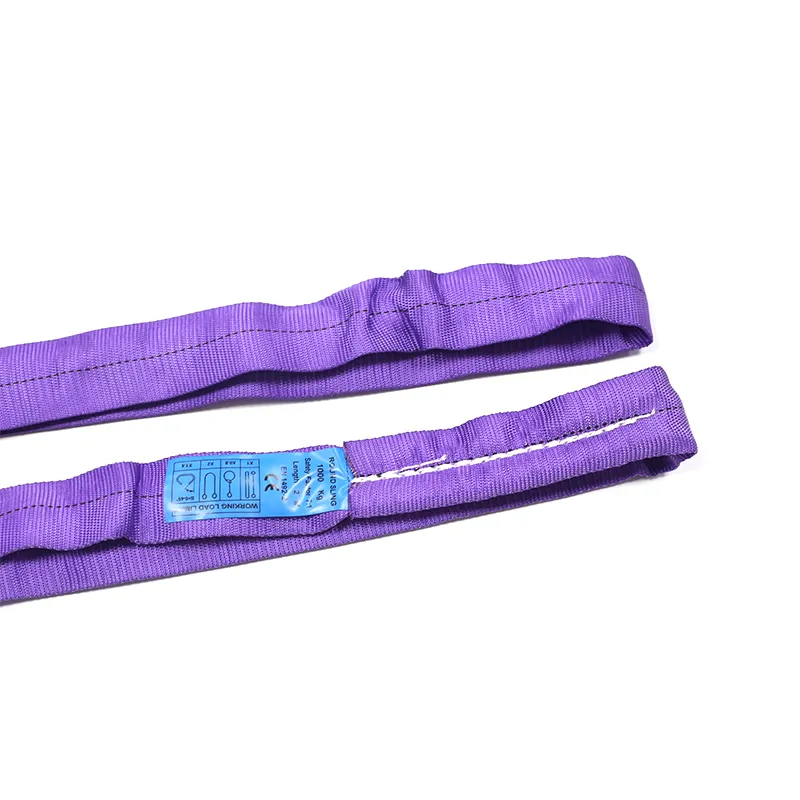
Load handling operations in industrial environments demand the highest levels of safety and reliability. Modern lifting equipment has evolved significantly, with specialized solutions designed to meet the rigorous demands of heavy-duty applications. Among these innovative solutions, the round sling stands out as a versatile and dependable choice for professionals across various industries. These circular lifting devices offer unique advantages that traditional flat webbing or chain slings cannot match, making them increasingly popular in construction, manufacturing, and logistics operations.
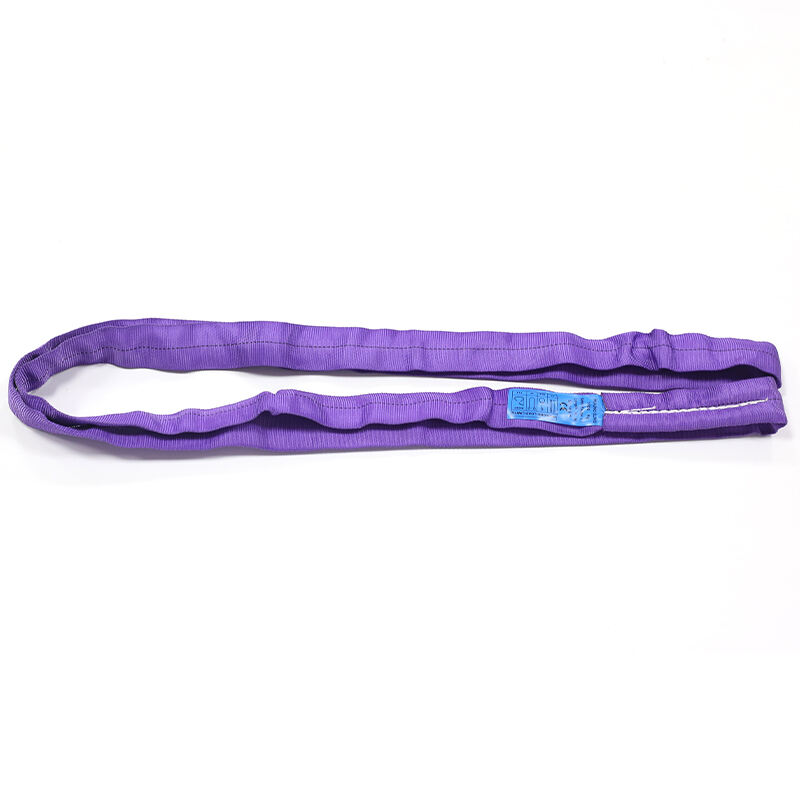
Understanding Round Sling Construction and Design Principles
Core Materials and Manufacturing Process
The foundation of any effective round sling lies in its construction methodology and material selection. High-strength polyester yarn forms the core component, providing exceptional tensile strength while maintaining flexibility. The manufacturing process involves continuous filament polyester fibers that are woven into a protective sleeve, creating a seamless load-bearing surface. This construction method eliminates potential weak points that could develop at sewn joints or connection points found in traditional lifting equipment.
Advanced production techniques ensure that each round sling maintains consistent diameter and load distribution characteristics throughout its entire circumference. The protective sleeve serves multiple functions, including environmental protection, load identification through color coding, and enhanced durability against abrasion and cutting. Quality manufacturers implement rigorous testing protocols during production, ensuring that each round sling meets or exceeds industry safety standards before reaching end users.
Load Distribution Mechanics
The circular design of a round sling creates inherent advantages in load distribution compared to conventional lifting methods. When properly configured, the round sling distributes weight evenly across its entire circumference, reducing stress concentration points that could lead to premature failure. This uniform load distribution characteristic makes the round sling particularly effective for delicate or irregularly shaped loads that require gentle handling.
The flexibility of the round sling allows it to conform naturally to load contours, creating multiple contact points that further enhance load stability. This conforming ability reduces the risk of load shifting during lifting operations, which is a critical safety consideration in industrial environments. The distributed load approach also minimizes surface pressure on the lifted object, protecting valuable equipment and materials from damage during handling operations.
Safety Features and Risk Mitigation Strategies
Built-in Safety Factors and Load Ratings
Professional-grade round sling systems incorporate substantial safety factors that exceed minimum regulatory requirements. Standard safety factors typically range from 5:1 to 7:1, meaning the round sling can theoretically handle five to seven times its rated working load limit before approaching failure points. These generous safety margins account for dynamic loading conditions, environmental factors, and the natural degradation that occurs with regular use.
Color-coded identification systems provide immediate visual confirmation of load ratings and inspection requirements. Each round sling features distinctive color markings that correspond to specific weight capacities, allowing operators to quickly select appropriate equipment for their lifting requirements. Regular inspection protocols help identify potential issues before they compromise operational safety, with clear guidelines for retirement and replacement of worn or damaged units.
Environmental Resistance and Durability
The synthetic construction of a modern round sling provides excellent resistance to environmental factors that commonly affect industrial lifting equipment. Unlike steel chains or wire ropes, polyester round slings resist corrosion, chemical degradation, and moisture absorption. This environmental resistance translates to longer service life and more predictable performance characteristics over time.
Temperature stability represents another significant advantage, with quality round slings maintaining their load-bearing capacity across wide temperature ranges. The synthetic materials do not become brittle in cold conditions or lose strength in moderate heat, making them suitable for year-round outdoor use. UV resistance treatments further enhance durability in applications involving prolonged sun exposure.
Application Versatility and Industry Use Cases
Construction and Infrastructure Projects
Construction environments present unique challenges for lifting equipment, requiring solutions that can adapt to varied load types and site conditions. The round sling excels in these demanding applications, offering the flexibility needed for positioning structural components, machinery, and building materials. The lightweight nature of synthetic round slings reduces rigging complexity while maintaining superior load-handling capabilities.
Precast concrete operations benefit significantly from round sling technology, as the soft synthetic materials prevent surface damage to finished concrete surfaces. The conforming characteristics of round slings make them ideal for handling irregularly shaped architectural elements and specialized building components. Construction teams appreciate the ease of inspection and maintenance compared to traditional steel rigging hardware.
Manufacturing and Assembly Operations
Manufacturing facilities require lifting solutions that support efficient production workflows while maintaining strict safety standards. Round sling systems integrate seamlessly into overhead crane operations, providing reliable load handling for both raw materials and finished products. The smooth surface characteristics of round slings prevent scratching and marring of precision-manufactured components.
Assembly line applications benefit from the quick-connect capabilities of round slings, allowing rapid reconfiguration for different product types and sizes. The lightweight design reduces operator fatigue during manual rigging operations, while the high strength-to-weight ratio maximizes lifting capacity without compromising handling convenience. Quality round slings maintain consistent performance characteristics throughout extended production cycles.
Installation Best Practices and Operational Guidelines
Proper Rigging Techniques and Configurations
Successful round sling implementation requires adherence to established rigging practices and load calculation methodologies. Single-leg configurations provide maximum load capacity but require careful attention to load balance and stability. Multi-leg arrangements distribute loads across multiple attachment points, offering enhanced stability for complex or oversized loads. Understanding the relationship between sling angle and effective capacity ensures optimal performance and safety margins.
Choker hitches represent a common application method, where the round sling wraps around the load and passes through itself to create a self-tightening grip. This configuration requires careful attention to bend radius limitations and potential stress concentration points. Basket hitches provide excellent load control for cylindrical or tubular objects, utilizing the natural flexibility of the round sling to create secure load containment.
Inspection Protocols and Maintenance Requirements
Comprehensive inspection programs form the foundation of safe round sling operations, with both pre-use checks and periodic detailed examinations. Visual inspection focuses on identifying cuts, abrasion, chemical damage, or excessive wear that could compromise load-bearing capacity. The protective sleeve serves as an early warning system, with surface damage often indicating potential core fiber degradation.
Documentation requirements include maintaining records of inspection dates, findings, and corrective actions taken. Proper storage practices protect round slings from environmental damage and extend service life, with clean, dry storage areas away from sharp edges and chemical exposure. Regular rotation of inventory ensures even wear distribution and helps identify potential issues before they affect operational safety.
Performance Advantages and Operational Benefits
Cost Effectiveness and Return on Investment
The economic benefits of round sling systems extend beyond initial purchase costs to encompass long-term operational advantages. Reduced maintenance requirements compared to steel rigging equipment translate to lower total cost of ownership over the service life of the equipment. The lightweight design of round slings reduces shipping costs and simplifies inventory management for organizations with multiple operating locations.
Productivity improvements result from faster rigging times and reduced setup complexity compared to traditional chain or wire rope systems. The ease of handling round slings allows single operators to manage lifting operations that might require multiple personnel with heavier equipment. These efficiency gains compound over time, contributing to improved project timelines and reduced labor costs.
Versatility and Adaptability
The inherent flexibility of round slings makes them suitable for an exceptionally wide range of applications and load types. Unlike rigid lifting devices, a quality round sling adapts to irregular shapes and provides secure containment for challenging loads. This versatility reduces the need for specialized rigging equipment, simplifying inventory requirements and improving operational flexibility.
Standard round sling designs accommodate various rigging configurations without requiring additional hardware or accessories. The ability to use the same equipment in multiple applications maximizes utilization rates and improves return on investment. Organizations can standardize on round sling technology while maintaining the capability to handle diverse lifting requirements across different operational areas.
FAQ
What factors determine the appropriate round sling capacity for my application?
Round sling capacity selection depends on several critical factors including the actual weight of the load, the rigging configuration being used, and environmental conditions. The working load limit should never exceed the manufacturer's specified capacity, and additional safety margins should be considered for dynamic loading or critical applications. Sling angle significantly affects capacity, with steeper angles reducing effective load-bearing capability. Professional rigging calculations should account for load distribution across multiple slings and any shock loading that might occur during lifting operations.
How often should round slings be inspected for safety compliance?
Round sling inspection frequency follows a two-tiered approach mandated by safety regulations and industry best practices. Pre-use visual inspections must occur before each lifting operation, focusing on obvious damage such as cuts, excessive wear, or chemical contamination. Detailed periodic inspections should be conducted at intervals not exceeding twelve months, or more frequently based on usage intensity and environmental conditions. High-use applications may require monthly or quarterly detailed inspections, while occasional-use equipment might follow annual inspection schedules with proper documentation and storage protocols.
Can round slings be repaired if they show signs of wear or damage?
Round slings cannot be field-repaired and must be removed from service immediately upon discovery of any damage that could affect load-bearing capacity. Unlike steel chains or wire ropes, the synthetic construction of round slings does not allow for partial repairs or component replacement. Any visible damage to the protective sleeve, core fibers, or identification tags requires immediate retirement of the entire unit. Attempting repairs compromises the integrity of the safety system and creates liability risks that far exceed the cost of replacement equipment.
What environmental conditions can affect round sling performance and safety?
Environmental factors significantly impact round sling performance, with temperature extremes, chemical exposure, and UV radiation being primary concerns. High temperatures can reduce load capacity and accelerate material degradation, while extreme cold may affect flexibility and handling characteristics. Chemical exposure from acids, bases, or solvents can cause immediate or gradual degradation of synthetic fibers. Prolonged UV exposure gradually weakens polyester materials, requiring rotation of inventory and proper storage practices. Sharp edges, abrasive surfaces, and repetitive bending at small radii create stress concentration points that can lead to premature failure.