
 EN
EN
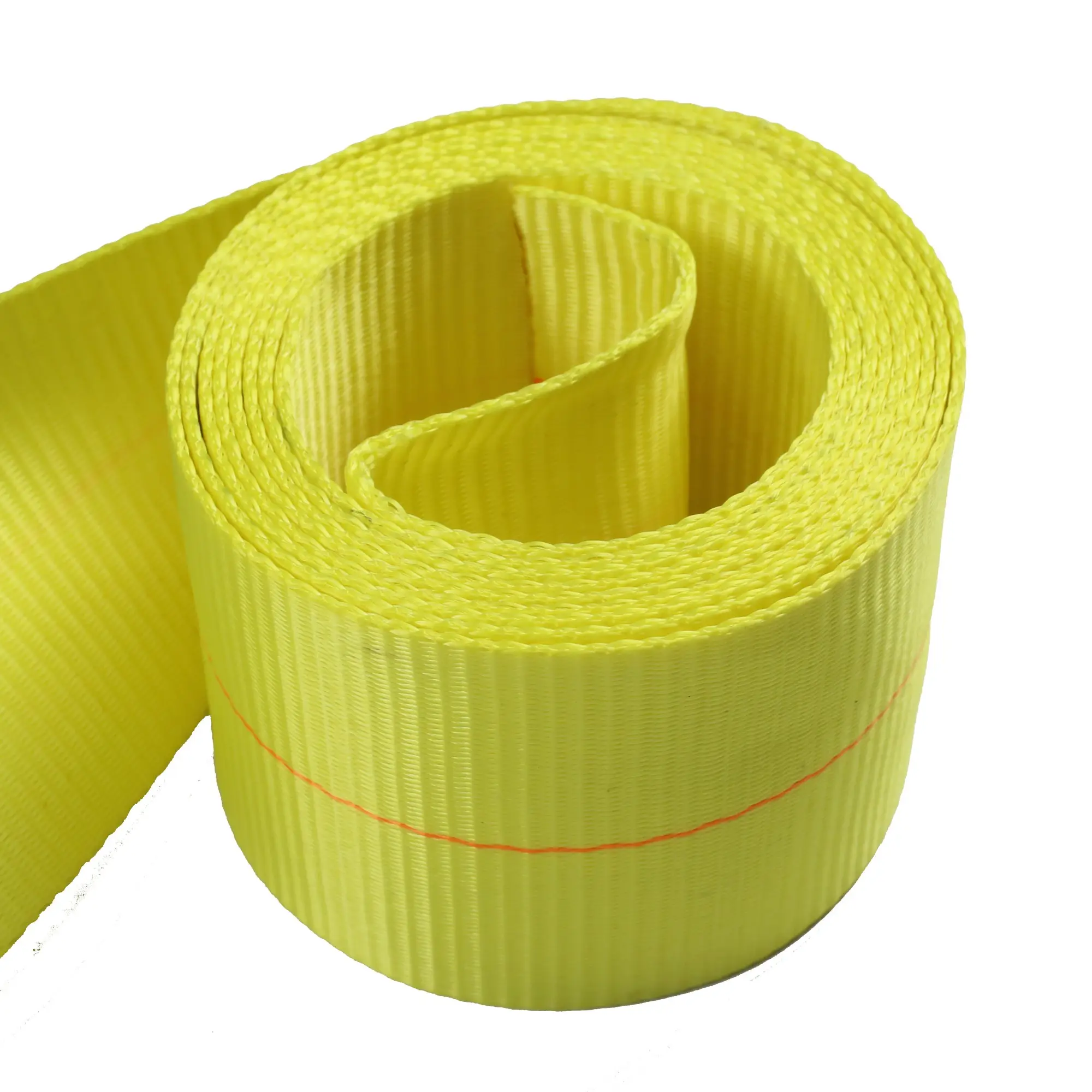
Selecting the right ratchet straps for your cargo securing needs is crucial for ensuring both safety and compliance during transportation. Whether you're hauling heavy equipment, securing loads on flatbed trailers, or organizing cargo in warehouses, understanding the strength ratings and construction details of ratchet straps can make the difference between a successful transport and a costly accident. Professional drivers and logistics managers must consider multiple factors when evaluating these essential tie-down tools to guarantee maximum load security.
Understanding Working Load Limits and Breaking Strength
Working Load Limit Fundamentals
The working load limit represents the maximum weight that ratchet straps can safely secure during normal transportation conditions. This rating typically ranges from 500 pounds for light-duty applications to over 10,000 pounds for heavy-duty commercial use. Understanding this specification is essential because exceeding the working load limit can result in strap failure, cargo damage, or serious safety hazards. Professional transportation requires matching the strap's capacity to the actual cargo weight plus dynamic forces encountered during transit.
Federal regulations mandate that cargo securement systems must withstand forces equal to 0.8 times the cargo weight in the forward direction, 0.5 times laterally, and 0.2 times vertically upward. Quality ratchet straps incorporate these requirements into their design specifications, ensuring compliance with Department of Transportation standards. When calculating load requirements, consider not only static weight but also acceleration, deceleration, and cornering forces that multiply effective loading during transport operations.
Breaking Strength Considerations
Breaking strength represents the ultimate tensile force required to cause strap failure under laboratory testing conditions. This measurement typically exceeds the working load limit by a factor of three, providing built-in safety margins for unexpected stress concentrations. High-quality ratchet straps undergo rigorous testing procedures to verify their breaking strength ratings, ensuring consistent performance across manufacturing batches and environmental conditions.
Environmental factors significantly impact the actual breaking strength of ratchet straps during field use. Temperature extremes, UV exposure, chemical contamination, and mechanical abrasion can reduce material strength over time. Professional users must account for these degradation factors when selecting ratchet straps for long-term service or harsh operating environments. Regular inspection protocols help identify wear patterns that might compromise strap integrity before failure occurs.
Material Construction and Durability Factors
Polyester Webbing Advantages
Polyester construction dominates the ratchet straps market due to its superior combination of strength, weather resistance, and dimensional stability. Unlike natural fiber materials, polyester maintains consistent properties across wide temperature ranges and resists moisture absorption that can weaken other materials. The synthetic polymer structure provides excellent resistance to most chemicals encountered in transportation environments, including road salts, petroleum products, and cleaning solvents commonly used in commercial applications.
Manufacturing processes significantly influence the final performance characteristics of polyester ratchet straps. High-tenacity polyester yarns woven in specific patterns create optimal strength-to-weight ratios while maintaining flexibility for proper ratchet mechanism operation. Quality manufacturers employ controlled tension weaving techniques that eliminate weak points and ensure uniform load distribution across the entire strap width during tensioning operations.
Hardware Component Quality
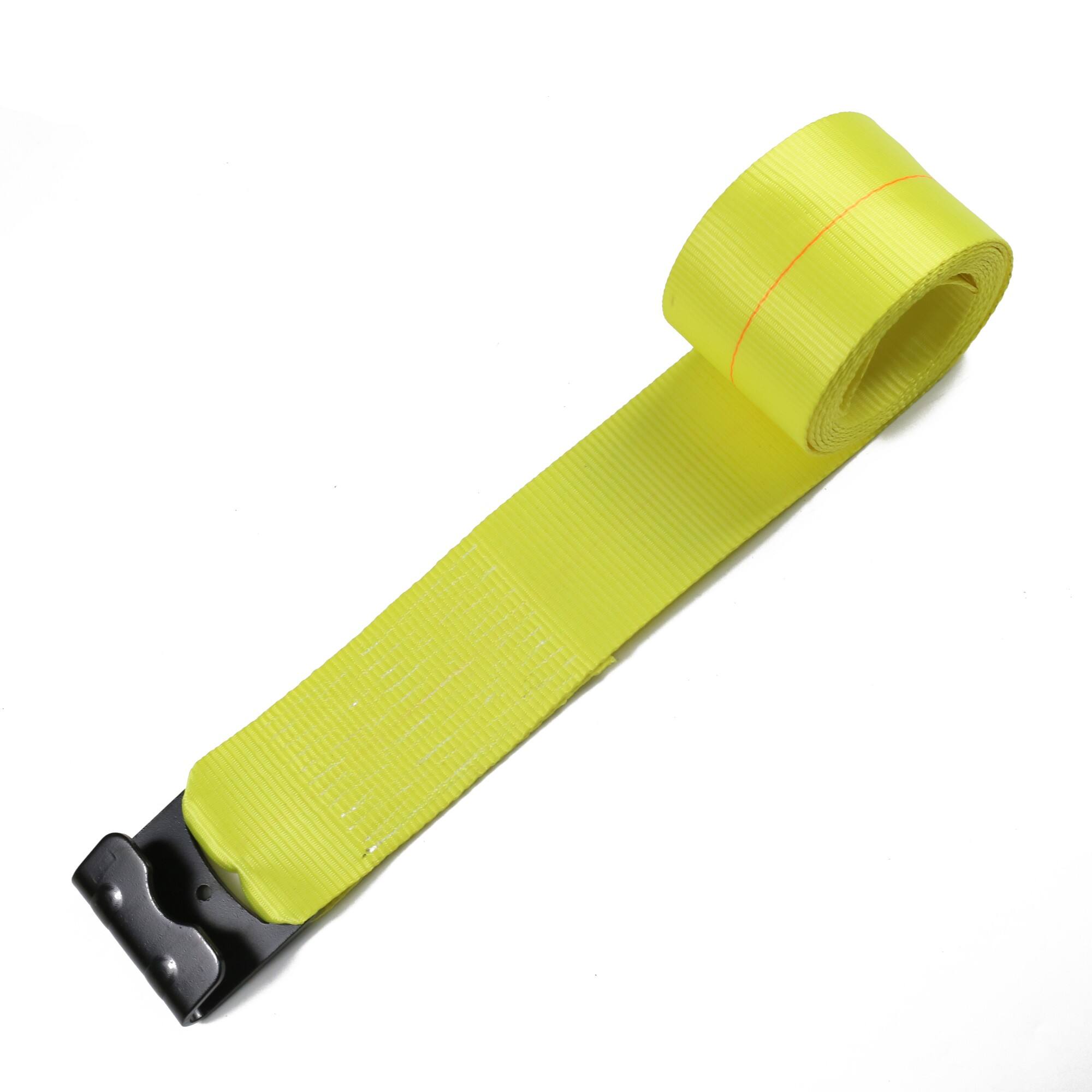
The metal components of ratchet straps require equally careful consideration to ensure system-wide reliability and longevity. Ratchet mechanisms must withstand repeated loading cycles while maintaining precise tooth engagement and smooth operation under field conditions. High-grade steel construction with appropriate heat treatment provides the necessary strength and wear resistance for professional transportation applications.
Corrosion protection becomes critical for ratchet straps used in maritime, winter road, or industrial environments where metal components face aggressive chemical exposure. Quality hardware features zinc plating, powder coating, or stainless steel construction to resist rust formation that can compromise mechanical function. Hook and fitting designs must accommodate various anchor points while maintaining full strength ratings under angular loading conditions common in cargo securement applications.
Application-Specific Selection Criteria
Cargo Type Considerations
Different cargo types require specific ratchet straps configurations to achieve optimal securement performance. Heavy machinery transport demands wide-body straps with high working load limits and specialized end fittings designed for securing to dedicated anchor points. Lumber and construction materials benefit from straps with protective edge guards to prevent cutting damage during transport, while sensitive equipment may require cushioned contact surfaces to prevent finish damage.
Irregularly shaped cargo presents unique challenges that require careful strap selection and routing to achieve proper load distribution. Ratchet straps must accommodate sharp edges, protruding components, and uneven surfaces without compromising their integrity or securement effectiveness. Understanding how different strap configurations interact with specific cargo geometries helps prevent load shifts that can damage both cargo and transport equipment during transit operations.
Environmental Operating Conditions
Operating environment significantly influences the appropriate choice of ratchet straps for specific applications. Marine transportation requires straps with enhanced corrosion resistance and UV protection to withstand saltwater exposure and intense sunlight. Cold weather operations demand materials that maintain flexibility at low temperatures, while high-temperature applications need straps that resist thermal degradation and maintain strength under heat exposure.
Chemical exposure in industrial transportation requires careful material selection to prevent degradation from acids, solvents, or other aggressive substances. Some cargo types generate corrosive vapors or residues that can attack standard polyester materials over time. Specialized chemical-resistant formulations provide extended service life in these demanding applications, though they may require higher initial investment costs compared to standard ratchet straps.
Safety Standards and Compliance Requirements
Regulatory Compliance Framework
Federal Motor Carrier Safety Administration regulations establish minimum performance requirements for cargo securement systems, including specific standards for ratchet straps used in commercial transportation. These regulations mandate proper working load limits, inspection procedures, and replacement criteria to ensure consistent safety performance across the transportation industry. Compliance documentation requirements include manufacturer certifications and periodic testing records for verification during safety inspections.
International shipping operations must consider additional regulatory frameworks that may impose stricter requirements than domestic standards. European Union regulations, International Maritime Organization guidelines, and destination country requirements can influence the selection of appropriate ratchet straps for global cargo movements. Understanding these varying standards helps prevent delays and compliance issues during international transportation operations.
Inspection and Maintenance Protocols
Systematic inspection procedures form the foundation of safe ratchet straps operation in commercial transportation environments. Visual inspection protocols must identify signs of wear, damage, or contamination that could compromise strap performance during subsequent use. Critical inspection points include webbing integrity, hardware function, and proper labeling visibility to ensure continued regulatory compliance throughout the service life.
Maintenance procedures extend the useful life of ratchet straps while ensuring consistent safety performance over time. Proper cleaning techniques remove contamination that can accelerate material degradation, while correct storage methods prevent UV damage and mechanical stress during idle periods. Documentation systems track inspection results and maintenance activities to support replacement decisions and regulatory compliance requirements.
Cost-Effectiveness and Long-Term Value
Initial Investment Considerations
The initial cost of high-quality ratchet straps represents only a small fraction of their total ownership value in professional transportation applications. Premium materials and construction techniques command higher purchase prices but deliver superior performance, longer service life, and reduced replacement frequency. Economic analysis must consider the total cost of ownership, including replacement intervals, inspection requirements, and potential cargo damage costs associated with inferior products.
Volume purchasing strategies can significantly reduce the per-unit cost of ratchet straps while ensuring consistent quality across fleet operations. Standardizing on specific strap configurations simplifies inventory management, training requirements, and replacement procedures. Strategic partnerships with quality manufacturers often provide access to technical support, custom configurations, and favorable pricing structures for large-scale operations.
Performance Tracking and Replacement Planning
Systematic performance tracking helps optimize ratchet straps selection and replacement strategies for maximum cost-effectiveness. Usage data collection identifies which strap configurations provide the best value for specific applications, supporting informed purchasing decisions for future needs. Failure analysis programs identify common failure modes and their root causes, enabling preventive measures that extend service life and improve safety performance.
Replacement planning based on actual performance data ensures optimal balance between safety requirements and operational costs. Predictive replacement schedules prevent unexpected failures while avoiding premature disposal of serviceable equipment. Advanced fleet management systems integrate strap performance data with other maintenance metrics to optimize overall equipment utilization and replacement timing across transportation operations.
FAQ
What working load limit should I choose for my specific cargo weight
Select ratchet straps with working load limits that exceed your cargo weight by at least 50% to account for dynamic loading during transportation. For a 2,000-pound load, choose straps rated for at least 3,000 pounds working load limit. Consider that regulatory requirements mandate securement systems capable of withstanding forces up to 0.8 times the cargo weight in forward direction, so your total securement system must accommodate these additional force requirements beyond static weight calculations.
How often should I inspect my ratchet straps for safety compliance
Federal regulations require inspection of ratchet straps before each use for commercial transportation applications. Daily visual inspections should check for cuts, fraying, chemical damage, or hardware malfunction that could compromise safety performance. Additionally, conduct detailed monthly inspections documenting strap condition and maintaining records for regulatory compliance. Replace any straps showing signs of wear, damage, or reduced functionality immediately to maintain safety standards.
Can I use the same ratchet straps for different types of cargo
Yes, properly rated ratchet straps can secure various cargo types provided they meet or exceed the working load requirements for each specific application. However, consider using protective sleeves or edge guards when securing cargo with sharp edges that might cut the webbing material. Different cargo shapes may require different hook configurations or strap lengths, so maintain an inventory of various strap types to accommodate diverse loading requirements while ensuring optimal securement performance.
What factors reduce the strength of ratchet straps over time
UV exposure, chemical contamination, abrasion from repeated use, and temperature extremes gradually reduce strap strength over their service life. Improper storage in damp conditions can promote mold growth and material degradation, while contact with petroleum products or road chemicals can weaken polyester fibers. Mechanical damage from sharp edges, overloading beyond rated capacity, and improper ratchet operation also contribute to premature failure. Regular inspection and proper maintenance practices help identify these degradation factors before they compromise safety performance.