 EN
EN
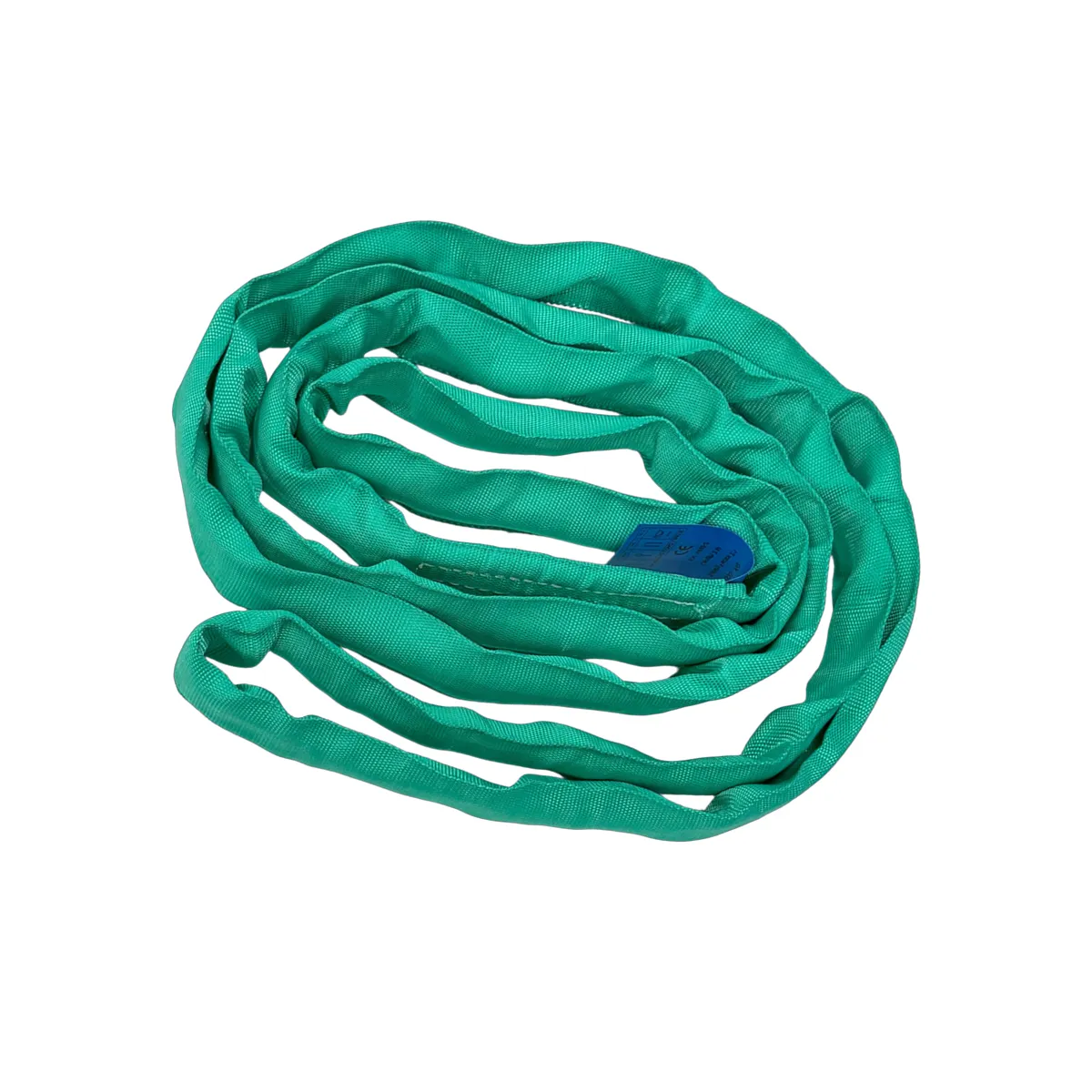
The construction industry and heavy lifting operations rely heavily on equipment that combines strength, flexibility, and reliability. Among the most trusted lifting solutions available today, the round sling stands out as an essential tool for material handling professionals worldwide. These versatile lifting devices have revolutionized how companies approach crane operations, cargo handling, and industrial lifting tasks by offering superior load distribution and enhanced safety features compared to traditional lifting methods.
Understanding the fundamental characteristics that make round slings so effective requires examining their unique construction methodology and material composition. Unlike rigid lifting chains or wire rope assemblies, a round sling utilizes continuous polyester yarns encased within a protective outer sleeve, creating a flexible yet incredibly strong lifting solution. This innovative design allows the round sling to conform to irregular load shapes while maintaining consistent load-bearing capacity throughout its operational lifespan.
The versatility of round sling applications extends across numerous industries, from maritime cargo operations to construction site material handling. Manufacturing facilities regularly employ these lifting solutions for moving heavy machinery, while shipping companies depend on round slings for container handling operations. The adaptability of each round sling makes it an indispensable tool for any operation requiring precise load control and reliable lifting performance.
Construction Excellence and Material Innovation
Advanced Polyester Core Technology
The heart of every high-quality round sling lies in its polyester core construction, which represents decades of material science advancement. Manufacturers utilize continuous filament polyester yarns that undergo specialized treatment processes to enhance their load-bearing characteristics and resistance to environmental factors. These polyester cores provide the round sling with exceptional tensile strength while maintaining the flexibility needed for complex lifting scenarios.
The continuous yarn construction eliminates weak points that might develop from spliced or joined materials, ensuring that each round sling maintains consistent strength throughout its entire circumference. This seamless design approach contributes significantly to the overall reliability and safety margins that make round slings preferred over alternative lifting solutions in critical applications.
Quality manufacturers subject their polyester yarns to rigorous testing protocols, including tensile strength verification, elongation measurements, and fatigue resistance analysis. These comprehensive testing procedures ensure that every round sling meets or exceeds international safety standards before reaching end users in industrial applications.
Protective Sleeve Engineering
The outer protective sleeve of a round sling serves multiple critical functions beyond simple core protection. Advanced sleeve materials resist abrasion, chemical exposure, and ultraviolet degradation while providing clear visual inspection capabilities for safety-conscious operators. The sleeve design incorporates color-coding systems that allow users to quickly identify load capacity ratings and conduct routine safety inspections.
Modern round sling sleeves utilize high-tenacity polyester fabrics that complement the core material properties while adding an additional layer of security against external damage. The weaving patterns employed in sleeve construction optimize flexibility without compromising protective capabilities, ensuring that the round sling maintains its performance characteristics even after extended use in challenging environments.
Manufacturers often incorporate special treatments into sleeve materials to enhance specific performance characteristics, such as improved grip surfaces for better load control or enhanced visibility markings for low-light operational conditions. These specialized features make each round sling more effective in its intended application while maintaining the fundamental safety and reliability standards expected in professional lifting operations.
Load Distribution and Safety Advantages
Superior Load Spreading Characteristics
One of the most significant advantages offered by round sling technology is its ability to distribute loads evenly across contact surfaces, reducing stress concentration points that can lead to load damage or equipment failure. The circular cross-section of a round sling naturally conforms to curved or irregular surfaces, creating broader contact areas that minimize pressure per square inch on lifted objects.
This load distribution capability makes the round sling particularly valuable when handling delicate or finished surfaces that could be damaged by concentrated pressure points from chains or wire ropes. Construction projects involving architectural elements, precision machinery, or polished metal components benefit significantly from the gentle yet secure grip provided by round sling lifting systems.
The flexible nature of round sling construction allows for multiple rigging configurations, including basket hitches, choker hitches, and vertical lifts, each optimizing load distribution for specific lifting scenarios. Professional riggers can select the most appropriate configuration for each application, ensuring maximum safety while protecting valuable cargo from damage during transport operations.
Enhanced Safety Factor Implementation
Safety considerations drive every aspect of round sling design and manufacturing, with industry-standard safety factors built into capacity calculations and usage guidelines. Most round slings incorporate safety factors ranging from 5:1 to 7:1, meaning the breaking strength significantly exceeds the working load limit to provide substantial safety margins during normal operations.
The predictable failure mode of a round sling contributes to enhanced workplace safety by providing clear warning signs before catastrophic failure occurs. Unlike sudden failures associated with some metallic lifting devices, round slings typically exhibit gradual degradation patterns that allow operators to identify potential problems during routine inspections.
Regular inspection protocols for round sling equipment focus on easily identifiable wear patterns, including sleeve abrasion, core yarn exposure, or dimensional changes that indicate approaching end-of-service conditions. These inspection procedures enable proactive replacement schedules that maintain optimal safety levels while maximizing equipment utilization efficiency.

Performance Characteristics and Operational Benefits
Flexibility and Handling Advantages
The inherent flexibility of round sling construction provides significant operational advantages in cramped working spaces or complex lifting scenarios where rigid lifting devices would prove impractical. This flexibility allows operators to route the round sling through tight spaces, around obstacles, or into confined areas that would be inaccessible to chain or wire rope assemblies.
Storage and transportation benefits associated with round sling flexibility cannot be overstated, as these lifting devices can be coiled, folded, or compressed for efficient storage without compromising their structural integrity. This characteristic proves particularly valuable for mobile crane operations, emergency response situations, or projects requiring transportation of lifting equipment to remote locations.
The lightweight nature of round sling construction, compared to equivalent capacity metal alternatives, reduces operator fatigue and simplifies handling procedures during rigging operations. Workers can more easily position and adjust round slings during setup, leading to improved efficiency and reduced risk of workplace injuries associated with heavy equipment manipulation.
Environmental Resistance and Longevity
Modern round sling materials demonstrate excellent resistance to various environmental challenges, including moisture, temperature extremes, and chemical exposure within specified parameters. The synthetic materials used in round sling construction do not suffer from corrosion issues that affect metallic lifting devices, eliminating maintenance requirements associated with rust prevention and surface treatment.
Temperature stability characteristics of quality round sling materials allow for reliable operation across wide temperature ranges, from sub-zero conditions in cold storage facilities to elevated temperatures in industrial processing environments. This thermal stability ensures consistent performance characteristics regardless of seasonal variations or specific application requirements.
The service life of a properly maintained round sling often exceeds that of comparable metal lifting devices when used within manufacturer specifications and subjected to appropriate inspection and maintenance protocols. The absence of moving parts or joint connections eliminates common failure points that plague more complex lifting assemblies.
Application Versatility Across Industries
Construction and Infrastructure Projects
Construction industry applications for round slings span from small residential projects to massive infrastructure developments, with each round sling providing reliable lifting solutions for diverse material handling challenges. Precast concrete operations rely heavily on round sling technology for moving architectural panels, structural beams, and decorative elements that require careful handling to prevent surface damage.
Steel erection projects utilize round slings for positioning structural members in tight spaces where traditional lifting methods might prove cumbersome or potentially damaging to finished surfaces. The conformability of each round sling allows for secure engagement with complex structural shapes while maintaining the precision control needed for accurate positioning during assembly operations.
Bridge construction and maintenance operations frequently employ round slings for handling massive concrete segments, steel girders, and specialized equipment in challenging working environments. The reliability and predictable performance characteristics of round sling technology provide essential safety margins when working at height or over water obstacles.
Manufacturing and Industrial Applications
Manufacturing facilities across diverse industries incorporate round sling solutions into their material handling systems for moving production machinery, raw materials, and finished products. The gentle handling characteristics of round slings make them particularly suitable for delicate manufacturing processes where product damage could result in significant financial losses.
Automotive manufacturing plants utilize round slings for engine handling, body panel transport, and assembly line positioning operations that require precise control and damage-free handling. The flexibility of round sling configurations allows manufacturers to optimize their lifting solutions for specific production requirements while maintaining consistent safety standards.
Heavy machinery installations in industrial facilities often depend on round sling technology for equipment positioning during initial installation and subsequent maintenance operations. The load distribution characteristics of each round sling help protect expensive machinery surfaces while providing the lifting capacity needed for massive industrial equipment.
Maintenance and Inspection Protocols
Visual Inspection Procedures
Proper maintenance of round sling equipment begins with comprehensive visual inspection procedures that enable early identification of wear patterns, damage, or degradation that could compromise lifting safety. Trained inspectors examine the protective sleeve for cuts, abrasion, burns, or chemical staining that might indicate exposure to harmful substances or excessive wear conditions.
Core yarn inspection requires careful examination of any areas where the protective sleeve has been compromised, looking for broken fibers, discoloration, or dimensional changes that could indicate structural degradation. The inspection process includes measurement verification to ensure that each round sling maintains its original dimensions and has not experienced excessive stretching or compression.
Documentation of inspection results provides essential traceability for round sling usage history and helps establish maintenance schedules that optimize equipment utilization while maintaining safety standards. Proper record keeping enables fleet managers to identify usage patterns, replacement trends, and potential training needs within their operations.
Operational Care Guidelines
Extending the service life of round sling equipment requires adherence to operational care guidelines that protect the lifting device from unnecessary wear or damage during handling and storage. Proper storage procedures include protection from ultraviolet light exposure, chemical contamination, and mechanical damage that could compromise the integrity of either the core yarns or protective sleeve.
Load angle considerations play a crucial role in round sling performance and longevity, with manufacturers providing specific guidelines for acceptable sling angles and their corresponding capacity reductions. Understanding and applying these load angle factors ensures that each round sling operates within its design parameters while maximizing safety margins.
Training programs for round sling operators should emphasize proper rigging techniques, inspection procedures, and handling methods that contribute to extended equipment life and enhanced operational safety. Well-trained operators recognize potential problems early and implement corrective actions that prevent minor issues from developing into serious safety concerns.
FAQ
What is the typical working load limit for round slings
Round slings are available in various capacity ratings, typically ranging from 1 ton to over 100 tons working load limit, depending on the specific construction and intended application. The working load limit represents the maximum load that should be applied to a round sling during normal operations, incorporating appropriate safety factors to ensure reliable performance. Capacity selection should always consider load weight, rigging configuration, and environmental conditions to maintain optimal safety margins during lifting operations.
How often should round slings be inspected
Industry standards recommend daily visual inspections before each use, with more comprehensive periodic inspections conducted at intervals determined by usage frequency and operating conditions. High-usage applications may require weekly or monthly detailed inspections, while occasional-use equipment might be inspected quarterly or annually. The inspection frequency should increase for round slings used in harsh environments, near sharp edges, or in applications involving chemical exposure that could accelerate degradation processes.
Can round slings be repaired if damaged
Round slings cannot be repaired once damaged and must be removed from service immediately upon discovery of any defects or wear patterns that compromise their structural integrity. The continuous construction of round sling cores makes field repairs impossible without compromising safety, and any attempt to repair damaged round slings could result in catastrophic failure during subsequent use. Replacement with new equipment represents the only acceptable response to round sling damage or wear beyond acceptable limits.
What environmental factors affect round sling performance
Environmental factors that can impact round sling performance include temperature extremes, chemical exposure, ultraviolet radiation, and abrasive conditions that accelerate wear patterns. Most round slings perform reliably within temperature ranges from -40°F to 194°F, though specific applications may require specialized materials for extreme conditions. Chemical compatibility should be verified before using round slings in environments where exposure to acids, bases, or solvents might occur, and protective measures should be implemented to minimize ultraviolet exposure during long-term storage.