 EN
EN
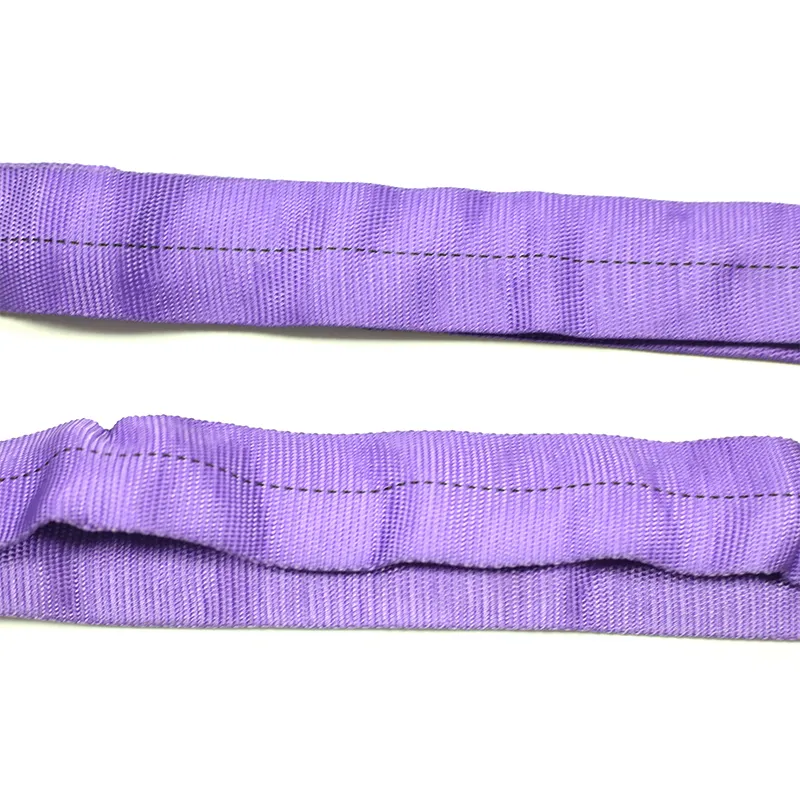
Industrial lifting operations demand reliable, versatile, and safe equipment that can handle heavy loads while protecting both workers and materials. The round sling has emerged as one of the most preferred lifting solutions across various industries due to its exceptional strength-to-weight ratio, flexibility, and cost-effectiveness. These synthetic lifting devices have revolutionized material handling practices, offering significant advantages over traditional wire rope slings and chain slings in many applications.
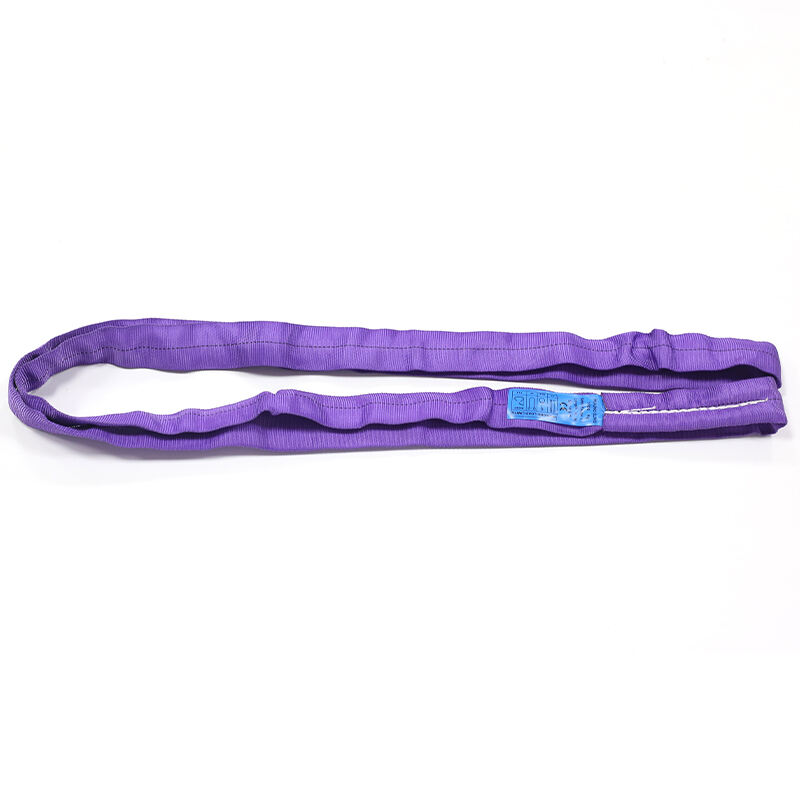
Manufacturing facilities, construction sites, warehouses, and shipping operations increasingly rely on round sling technology to streamline their lifting processes. The unique construction of these endless loop slings provides superior load distribution and reduces stress concentration points that commonly occur with traditional lifting methods. Understanding the comprehensive benefits of round sling usage enables industry professionals to make informed decisions about their lifting equipment investments and operational safety protocols.
Superior Load Distribution and Safety Features
Enhanced Load Spreading Capabilities
The circular construction of a round sling naturally distributes weight across a broader surface area compared to conventional lifting methods. This enhanced load distribution significantly reduces pressure points on lifted materials, minimizing the risk of damage to expensive equipment, finished products, or delicate components. The endless loop design eliminates weak points typically found at connection joints in other sling types.
Industries handling sensitive materials such as glass panels, aerospace components, or precision machinery particularly benefit from this characteristic. The round sling construction prevents concentrated stress that could lead to surface scratches, dents, or structural damage during lifting operations. This protection capability often eliminates the need for additional protective padding or wrapping materials.
Advanced Safety Mechanisms
Modern round sling designs incorporate multiple safety features that exceed industry standards for lifting equipment. The polyester core construction provides exceptional tensile strength while maintaining flexibility throughout the working load range. Visual wear indicators built into the protective cover allow operators to assess sling condition quickly and determine when replacement is necessary.
The soft lifting characteristics of a round sling reduce shock loading during lifting operations, which enhances overall workplace safety. This smooth operation minimizes sudden jerking motions that could destabilize loads or cause operator injury. Additionally, the non-conductive properties of synthetic materials eliminate electrical hazard risks in environments where metal slings would pose safety concerns.
Versatility and Application Range
Multi-Configuration Lifting Options
A single round sling can be configured in multiple lifting arrangements to accommodate various load shapes and lifting requirements. Vertical lifts, choker hitches, basket hitches, and bridle sling configurations can all be achieved with the same piece of equipment. This versatility reduces inventory requirements and simplifies equipment management for operations teams.
The flexibility of round sling applications extends across numerous industrial sectors including automotive manufacturing, steel fabrication, precast concrete handling, and heavy machinery installation. Each configuration method provides different load capacities and lifting characteristics, allowing operators to optimize their approach based on specific project requirements and safety considerations.
Environmental Adaptability
Round sling materials demonstrate excellent resistance to various environmental conditions that commonly challenge industrial lifting operations. UV resistance prevents degradation from prolonged sun exposure during outdoor construction projects. Chemical resistance properties protect against damage from industrial solvents, oils, and cleaning agents commonly present in manufacturing environments.
Temperature stability allows round sling usage in both extreme heat and cold conditions without significant performance degradation. This environmental adaptability makes them suitable for applications ranging from foundry operations to refrigerated warehouse facilities, providing consistent performance across diverse working conditions.
Economic Advantages and Cost Effectiveness
Reduced Operational Costs
The lightweight nature of round sling construction significantly reduces handling fatigue for workers and decreases fuel consumption in mobile crane operations. A typical round sling weighs substantially less than equivalent capacity wire rope or chain alternatives, making manual positioning easier and reducing wear on lifting equipment motors and hydraulic systems.
Lower replacement costs and extended service life contribute to improved total cost of ownership compared to traditional lifting solutions. The absence of metal components eliminates concerns about rust, corrosion, or galvanic reactions that necessitate frequent replacements in harsh industrial environments. This durability translates into predictable maintenance budgets and reduced downtime for equipment replacement.
Inventory Management Benefits
Standardizing on round sling technology simplifies inventory management and reduces storage space requirements. The compact design and flexible nature allow for efficient storage in small spaces compared to rigid chain or wire rope alternatives. Cross-training opportunities increase as workers become proficient with a single, versatile lifting solution rather than multiple specialized tools.
Bulk purchasing advantages and simplified supplier relationships develop when operations consolidate around round sling solutions. Maintenance staff require fewer specialized tools and replacement parts, reducing complexity in procurement processes and warehouse management. These operational efficiencies compound over time to deliver substantial cost savings.
Performance Characteristics and Load Capacity
High Strength-to-Weight Ratios
The engineering behind round sling construction delivers exceptional load capacity relative to the sling weight. High-tenacity polyester fibers provide tensile strengths that rival steel wire rope while maintaining the flexibility needed for complex lifting maneuvers. This strength characteristic enables handling of heavy industrial equipment with confidence and reliability.
Load capacity retention remains consistent throughout the service life of a properly maintained round sling. Unlike wire rope that experiences gradual strength reduction due to broken wire strands, the continuous fiber construction maintains full rated capacity until replacement becomes necessary. This predictable performance characteristic supports accurate load calculations and safety planning.
Dynamic Loading Characteristics
The inherent stretch properties of round sling materials provide beneficial shock absorption during lifting operations. This characteristic reduces peak loading on both the lifted object and the crane structure, extending equipment life and improving operational smoothness. Dynamic loading situations such as wind-affected loads or uneven lifting are better managed with the natural dampening provided by synthetic sling materials.
Fatigue resistance under cyclic loading conditions exceeds that of wire rope alternatives in many applications. The absence of stress concentration points at individual wire locations prevents crack initiation and propagation that leads to catastrophic failure in metal slings. This reliability becomes particularly important in repetitive lifting operations common in manufacturing and assembly processes.
Maintenance and Inspection Requirements
Simplified Inspection Procedures
Visual inspection of round sling condition can be performed quickly by trained personnel without specialized equipment or extensive training. The protective cover design allows for easy assessment of wear patterns, cut damage, or chemical degradation that might affect sling integrity. Color-coded wear indicators provide clear guidance for replacement timing decisions.
Documentation requirements for round sling inspection are straightforward and can be integrated into existing safety management systems. The clear visual nature of damage assessment reduces subjectivity in inspection decisions and supports consistent application of safety standards across multiple work sites or shifts.
Extended Service Life Benefits
Proper storage and handling practices significantly extend round sling service life compared to metal alternatives that suffer from corrosion and fatigue issues. The synthetic materials resist environmental degradation when stored correctly, maintaining their lifting capacity and safety characteristics for extended periods between uses.
Preventive maintenance requirements are minimal, focusing primarily on cleanliness and proper storage rather than lubrication, tensioning, or component replacement procedures required for wire rope systems. This simplified maintenance approach reduces both labor costs and the technical expertise required for lifting equipment management.
Industry-Specific Applications and Benefits
Construction and Infrastructure Projects
Construction operations benefit significantly from round sling versatility in handling precast concrete elements, structural steel, and heavy machinery positioning. The soft lifting characteristics prevent damage to architectural finishes and decorative surfaces that would be marred by chain or wire rope contact. This protection capability is particularly valuable in renovation projects where existing structures must be preserved.
The non-marring properties of round sling materials make them ideal for handling finished concrete products, glass panels, and other materials where surface integrity is critical. Construction schedules benefit from the rapid deployment and reconfiguration capabilities that allow the same round sling to serve multiple functions throughout a project lifecycle.
Manufacturing and Assembly Operations
Manufacturing facilities utilize round sling technology for production line material handling, equipment installation, and maintenance operations. The precise control characteristics enable accurate positioning of heavy components during assembly processes. The flexibility of round sling materials allows for lifting in confined spaces where rigid alternatives would be impractical.
Automotive manufacturing particularly benefits from the clean operation of round sling systems that do not generate metal particles or require lubrication that could contaminate production environments. The consistent performance characteristics support lean manufacturing principles by eliminating variables in material handling operations.
FAQ
What is the typical lifespan of a round sling in industrial applications
The service life of a round sling depends on usage frequency, load factors, and environmental conditions, but typically ranges from 3 to 7 years with proper maintenance and inspection. Regular visual inspections and adherence to manufacturer guidelines for storage and handling significantly extend operational life. Heavy-duty applications with frequent use may require replacement every 2-3 years, while occasional use in controlled environments can extend life beyond 7 years.
How does round sling load capacity compare to wire rope and chain slings
Round sling load capacities are competitive with wire rope and chain alternatives while offering superior flexibility and reduced weight. A typical round sling provides working load limits from 1 ton to over 100 tons depending on construction and diameter. The distributed loading characteristics often allow higher effective capacity than point-loading systems, particularly in basket hitch configurations where the load is shared across multiple contact points.
What safety certifications and standards apply to round sling usage
Round sling manufacturing and usage must comply with ASME B30.9 standards in North America and EN 1492-2 standards in Europe. These regulations specify design factors, inspection requirements, and usage guidelines to ensure safe operation. Most quality manufacturers provide certification documentation and traceability for their products, including proof testing certificates and material specifications that support compliance with industry safety requirements.
Can round slings be repaired or refurbished when damaged
Round slings cannot be safely repaired once damaged and must be removed from service immediately when any defects are identified. The continuous loop construction and synthetic materials do not allow for effective field repairs that would maintain the original safety factors. However, manufacturers may offer reconditioning services for slings with minor cover wear, provided the internal load-bearing fibers remain undamaged and the sling meets all safety inspection criteria.