 EN
EN


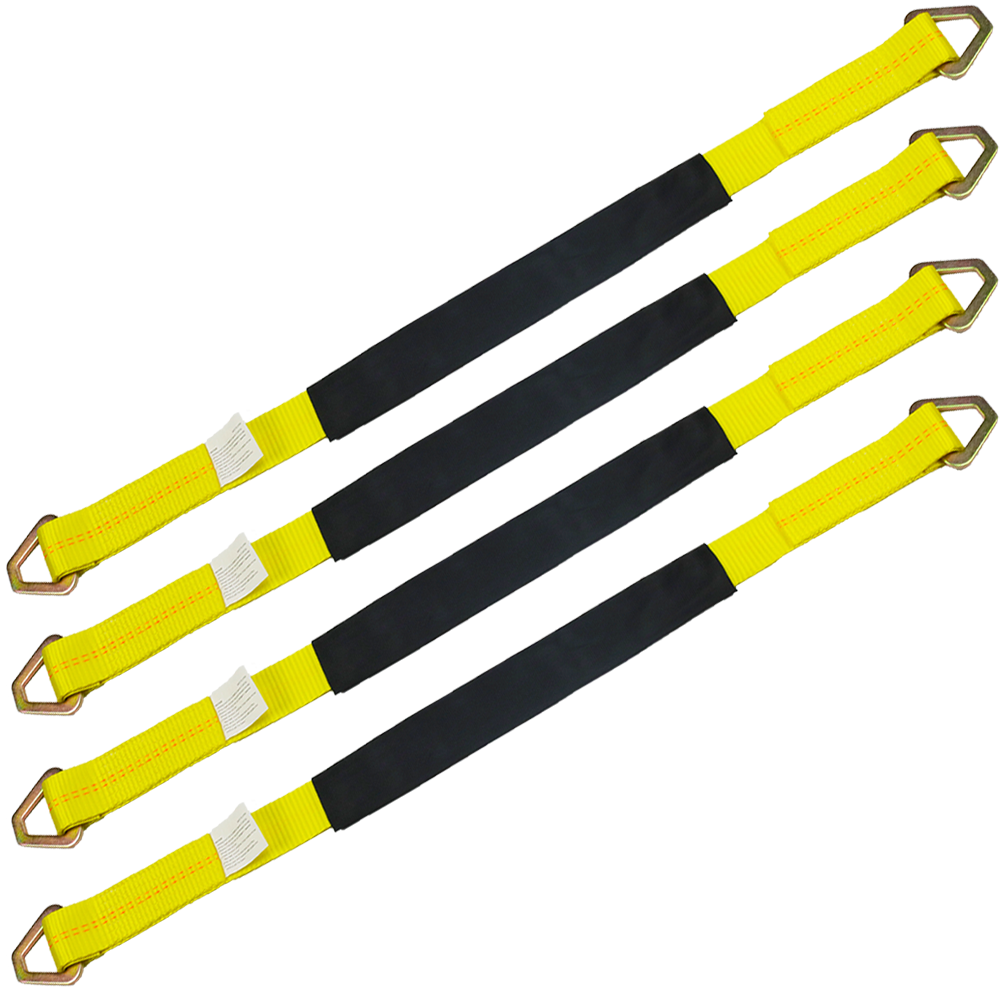
Cargo transportation across various industries requires reliable securing solutions to prevent load shifting, damage, and safety hazards during transit. Professional logistics operators and industrial businesses increasingly rely on specialized fastening systems to maintain cargo integrity throughout the shipping process. Modern securing equipment has evolved significantly, offering enhanced durability, versatility, and ease of use compared to traditional methods like chains or ropes.
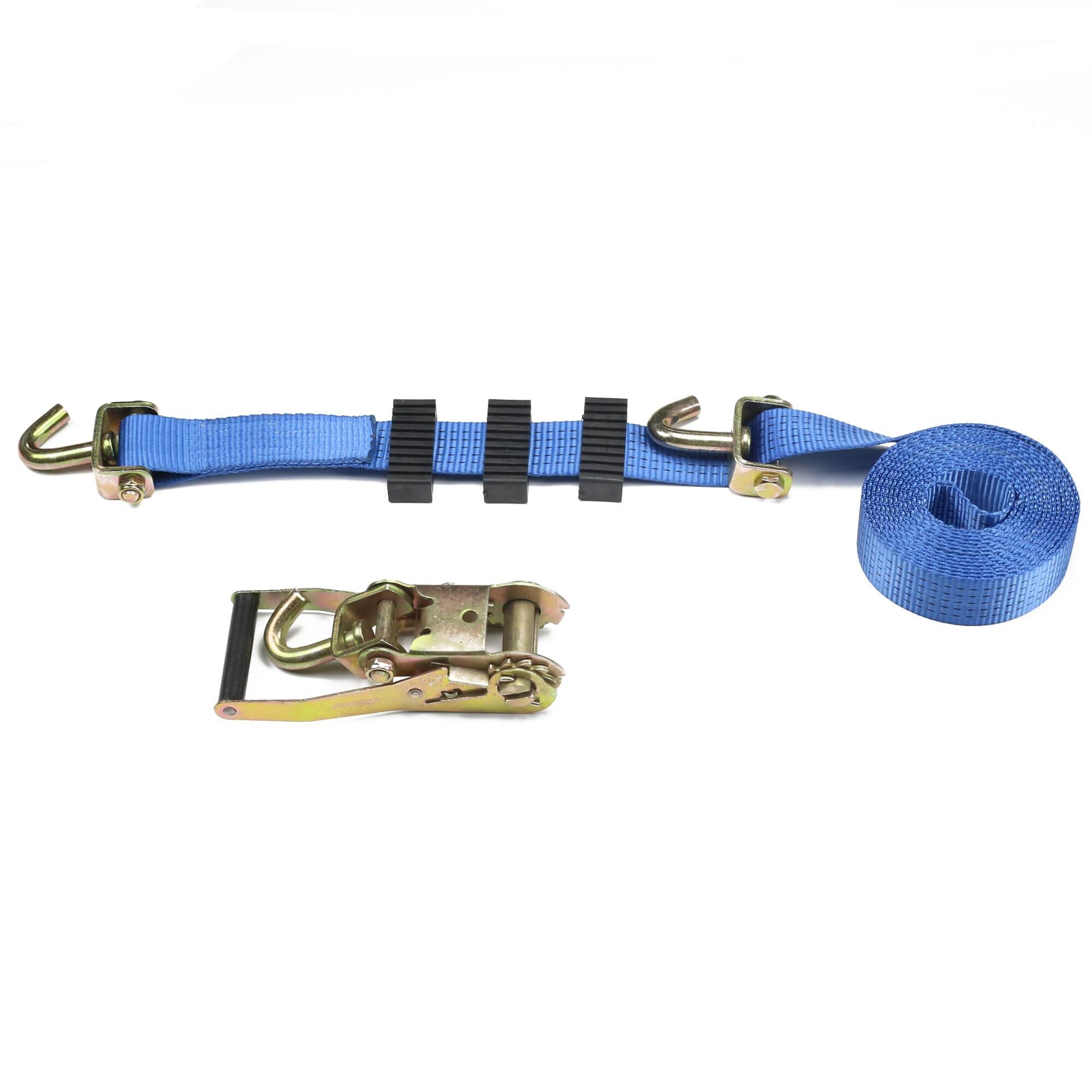
Enhanced Cargo Security and Load Distribution
Superior Tensile Strength and Working Load Limits
Professional lashing straps deliver exceptional tensile strength ratings that far exceed conventional securing methods. High-quality polyester webbing typically withstands working load limits ranging from 500 pounds to 10,000 pounds, depending on the strap width and construction specifications. This superior strength ensures cargo remains securely positioned even during sudden stops, sharp turns, or adverse weather conditions that commonly occur during long-haul transportation.
The material composition of modern lashing straps incorporates advanced synthetic fibers that maintain consistent performance across temperature variations. Unlike natural fiber ropes that weaken when exposed to moisture or extreme temperatures, quality webbing materials retain their structural integrity in challenging environmental conditions. This reliability proves essential for businesses transporting valuable equipment, machinery, or sensitive materials that require unwavering securing performance.
Optimal Force Distribution Across Contact Points
The wide surface area of webbing materials allows lashing straps to distribute securing forces across broader contact points compared to narrow chains or cables. This enhanced distribution minimizes pressure concentration that could damage cargo surfaces, particularly important when transporting finished products, painted equipment, or delicate machinery components. The even force distribution also reduces stress on anchor points and vehicle tie-down systems.
Professional transportation operators appreciate how proper force distribution extends the lifespan of both securing equipment and cargo handling systems. Reduced stress concentrations prevent premature wear on trailer anchor points, vehicle mounting systems, and the cargo itself. This benefit translates to lower maintenance costs and reduced replacement frequency for transportation equipment, improving overall operational efficiency and profitability.
Operational Efficiency and Time Management Benefits
Rapid Installation and Adjustment Capabilities
Ratcheting mechanisms integrated into quality lashing straps enable operators to achieve precise tension levels quickly and efficiently. The mechanical advantage provided by ratchet systems allows single operators to generate significant securing force without requiring multiple personnel or specialized tools. This efficiency proves particularly valuable in fast-paced loading dock environments where time constraints directly impact operational productivity.
Modern lashing straps incorporate user-friendly release mechanisms that enable rapid tension adjustment or complete removal when unloading cargo. Professional drivers and warehouse personnel can secure or release multiple attachment points in minutes rather than the extended time required for traditional rope knots or chain connections. This time savings accumulates significantly across multiple daily loading cycles.
Standardized Securing Procedures and Training
The consistent operation methods required for lashing straps simplify employee training programs and reduce the likelihood of securing errors. Standardized ratcheting procedures eliminate the variability associated with rope tying techniques or chain tensioning methods that depend heavily on individual operator skill levels. This consistency improves overall cargo security while reducing training time for new transportation personnel.
Documentation and compliance requirements become more straightforward when using standardized lashing straps with known working load limits and certification markings. Transportation companies can easily verify that securing methods meet Department of Transportation regulations and industry safety standards. This compliance documentation proves essential during safety inspections and liability assessments.
Cost-Effectiveness and Long-Term Value
Reduced Material and Labor Costs
The initial investment in quality lashing straps typically provides superior return on investment compared to consumable securing materials like rope or cable ties. Durable webbing construction enables thousands of use cycles before replacement becomes necessary, assuming proper care and storage practices. This longevity contrasts sharply with rope materials that degrade rapidly under UV exposure, abrasion, and moisture conditions commonly encountered in transportation environments.
Labor cost reductions result from the simplified installation and removal procedures associated with lashing straps compared to traditional securing methods. Single operators can typically handle cargo securing tasks that previously required multiple personnel, reducing staffing requirements and associated labor expenses. The time savings achieved through efficient ratcheting systems also enables higher throughput in loading and unloading operations.
Minimized Cargo Damage and Insurance Claims
Proper implementation of lashing straps significantly reduces cargo damage incidents that result from inadequate securing during transportation. The consistent tension maintenance provided by ratchet mechanisms prevents load shifting that commonly causes product damage, particularly during extended transit periods or challenging road conditions. Reduced damage rates directly impact insurance premiums and claim processing costs.
Professional transportation companies often experience improved customer satisfaction and repeat business when implementing reliable cargo securing systems. The reputation benefits associated with damage-free delivery performance can justify the initial equipment investment through increased business volume and premium pricing opportunities. Customer confidence in transportation quality directly correlates with securing system reliability.
Versatility and Adaptability Across Applications
Multi-Industry Compatibility and Use Cases
Lashing straps demonstrate exceptional versatility across diverse transportation and industrial applications, from flatbed trucking to marine cargo operations. Construction equipment transport, automotive hauling, agricultural machinery movement, and general freight securing all benefit from the adaptability of quality webbing systems. This universal applicability allows businesses to standardize their securing equipment across multiple operational areas.
Different hook configurations and webbing widths enable optimization for specific cargo types and securing requirements. Flat hooks work excellently for standard tie-down points, while twisted snap hooks provide enhanced engagement with chain or cable systems. S-hooks offer versatility for various anchor point configurations, and specialized end fittings accommodate unique securing challenges encountered in specialized transportation applications.
Environmental Resistance and Weather Performance
Modern lashing straps incorporate UV-resistant treatments and moisture-repelling properties that maintain performance across varied environmental conditions. Unlike natural materials that deteriorate rapidly when exposed to sunlight, rain, or temperature extremes, quality synthetic webbing retains its strength characteristics throughout extended outdoor exposure. This environmental resistance proves essential for transportation operations that encounter diverse weather conditions.
Temperature stability ensures that lashing straps maintain consistent securing performance whether operating in freezing conditions or high-temperature environments. The material properties of quality polyester webbing resist brittleness in cold weather and maintain strength at elevated temperatures, providing reliable performance across geographic regions and seasonal variations that affect transportation operations.
Safety Improvements and Risk Mitigation
Enhanced Operator Safety During Securing Operations
The mechanical advantage provided by ratchet systems in lashing straps reduces physical strain on operators compared to manual tensioning methods required for ropes or chains. Ergonomic ratchet handles enable operators to achieve necessary securing force without excessive physical exertion that could lead to workplace injuries. This safety improvement proves particularly important in high-volume operations where personnel perform multiple securing cycles daily.
Controlled release mechanisms prevent sudden tension release that commonly occurs when removing rope knots or chain connections under load. The gradual tension reduction capability of quality ratchet systems allows operators to safely remove securing equipment without risk of injury from sudden strap movement or cargo shifting. This controlled operation significantly improves workplace safety in loading dock environments.
Predictable Performance and Failure Characteristics
Quality lashing straps provide predictable performance characteristics that enable transportation professionals to calculate appropriate securing force and safety margins accurately. Unlike rope materials that exhibit variable strength depending on fiber quality, age, and environmental exposure, certified webbing maintains consistent performance parameters throughout its service life. This predictability enables precise load securing calculations and safety assessments.
When lashing straps approach their replacement point, they typically exhibit gradual degradation rather than sudden failure modes common with other securing materials. Visual inspection protocols can identify wear patterns, UV damage, or abrasion that indicates approaching replacement needs, allowing proactive maintenance rather than reactive failure response. This predictable degradation pattern improves transportation safety and reduces unexpected securing system failures.
FAQ
What weight capacity should I choose for my lashing strap requirements
Select lashing straps with working load limits that equal at least one-third of your cargo weight, distributed across multiple securing points. For example, a 6,000-pound load should utilize straps rated for at least 2,000 pounds working load limit when using three securing points. Consider dynamic forces during transportation that can increase effective load beyond static weight measurements.
How frequently should lashing straps be inspected for safety compliance
Conduct thorough inspections before each use, examining webbing for cuts, abrasion, UV damage, or chemical exposure. Replace straps immediately if any damage is detected. Implement quarterly detailed inspections that document strap condition and maintain replacement schedules based on usage frequency and environmental exposure levels.
Can lashing straps be repaired if minor damage occurs during use
Never attempt repairs on damaged lashing straps as this compromises their structural integrity and safety certifications. Replace any strap showing signs of damage, regardless of severity. The cost of replacement is minimal compared to potential cargo damage or safety hazards that could result from using compromised securing equipment.
What storage practices extend the service life of lashing straps
Store lashing straps in dry, cool locations away from direct sunlight and chemical exposure. Avoid folding or compressing webbing for extended periods, which can create permanent creases that concentrate stress. Clean straps periodically with mild soap and water, allowing complete drying before storage to prevent mold or mildew development.