 EN
EN


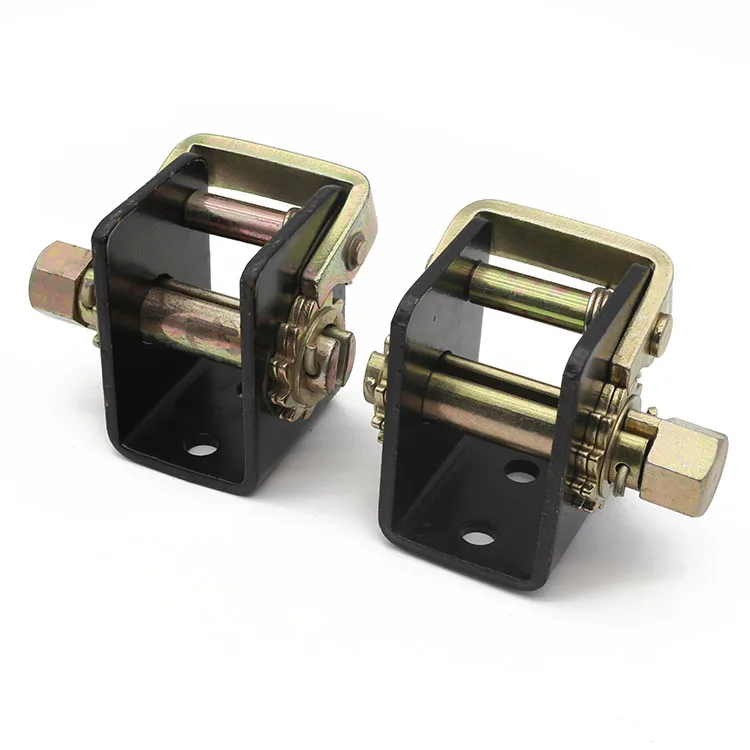
Selecting the right hand winches for your application requires careful consideration of multiple factors that directly impact performance and safety. Industrial operations, marine applications, and heavy-duty lifting tasks all demand reliable hand winches that can deliver consistent power while maintaining durability under extreme conditions. Understanding the specific requirements of your project will guide you toward the most efficient hand winch solution that maximizes both productivity and safety standards.
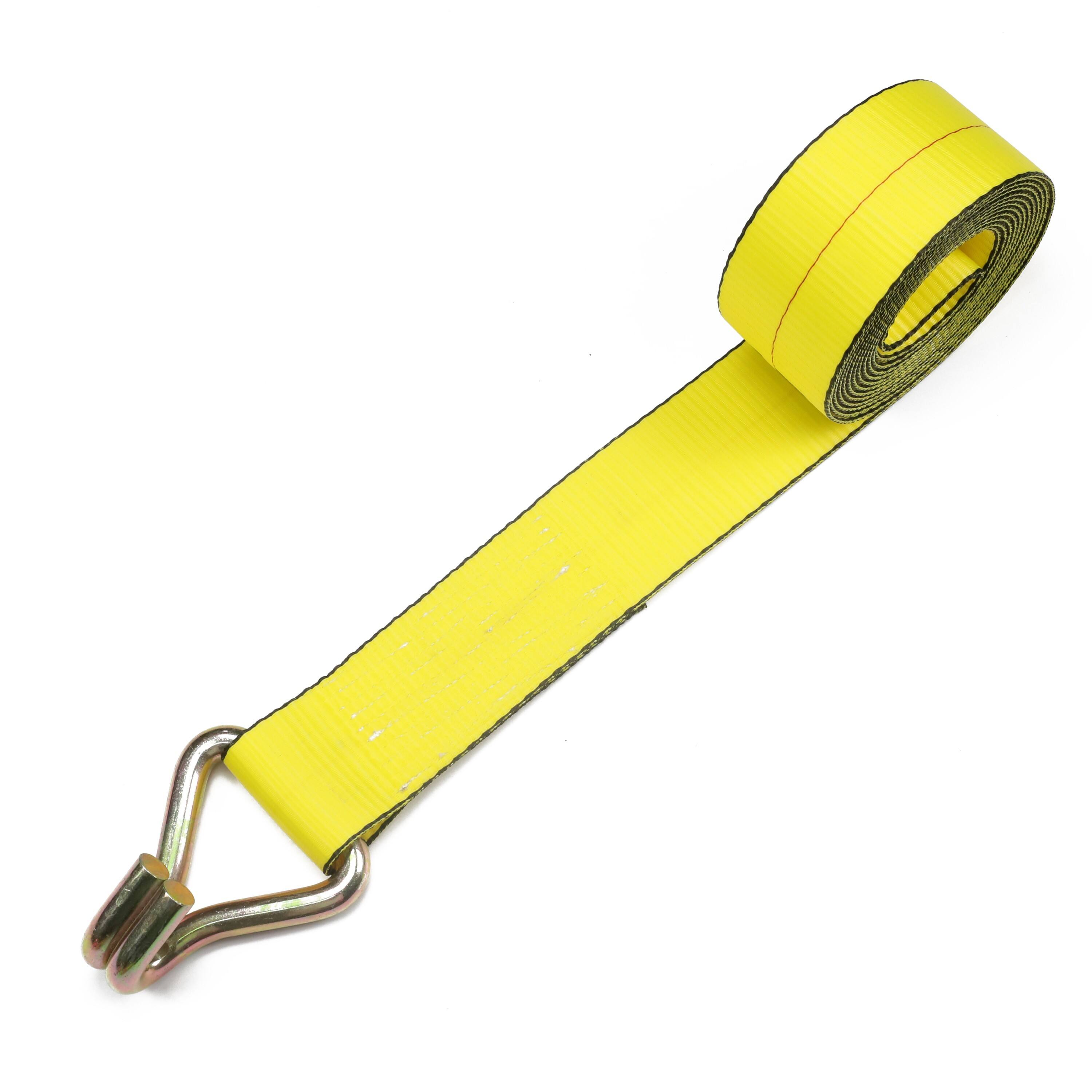
Understanding Hand Winch Load Capacity Requirements
Calculating Working Load Limits
Determining the appropriate load capacity for hand winches begins with accurately calculating the maximum weight your application will encounter. Professional engineers recommend using a safety factor of at least 4:1, meaning your winch should handle four times the actual load weight. This safety margin accounts for dynamic forces, shock loads, and potential equipment wear that could compromise performance over time. Modern hand winches typically range from 500 pounds to 4,000 pounds working load limit, with specialized models capable of handling even greater capacities.
The working environment significantly influences load calculations for hand winches. Outdoor applications exposed to weather conditions may require additional safety margins due to reduced grip strength and visibility challenges. Similarly, applications involving inclined surfaces or angular pulls create additional stress on winch components that must be factored into capacity selection. Professional operators should always consult manufacturer specifications and consider environmental factors when determining appropriate load ratings.
Dynamic Load Considerations
Static load ratings provide only part of the story when selecting hand winches for maximum efficiency. Dynamic forces generated during acceleration and deceleration phases can significantly exceed static weights, particularly in applications involving moving vehicles or swaying loads. Understanding these force multipliers helps prevent equipment failure and ensures consistent performance throughout the operational lifecycle. Advanced hand winches incorporate design features that help absorb and distribute dynamic forces more effectively.
Shock loading represents one of the most challenging aspects of hand winches operation, occurring when loads suddenly shift or catch during lifting operations. Quality winch designs include mechanisms such as load brakes and friction systems that help control sudden force changes. Operators should receive proper training on techniques that minimize shock loading, including gradual tension application and consistent winding speeds that reduce stress on both equipment and load securement points.
Mechanical Advantage and Gear Ratio Optimization
Understanding Gear Ratios
The gear ratio in hand winches determines the mechanical advantage achieved through each handle rotation, directly affecting both lifting capacity and operational speed. Higher gear ratios provide greater lifting power but require more handle turns to achieve the same cable travel distance. This trade-off between power and speed must align with your specific application requirements to maximize efficiency. Standard hand winches offer gear ratios ranging from 4:1 to 20:1, with specialized applications sometimes requiring custom ratios.
Selecting the optimal gear ratio depends on balancing lifting capacity against operational time constraints. Applications requiring frequent load movements benefit from lower gear ratios that provide faster cable travel, while heavy-duty lifting tasks prioritize higher ratios for increased mechanical advantage. Professional operators often choose hand winches with multiple gear settings or interchangeable gear assemblies to accommodate varying operational requirements without compromising efficiency.
Mechanical Efficiency Factors
Internal friction and component design significantly impact the overall efficiency of hand winches during operation. High-quality bearings, precision-machined gears, and proper lubrication systems reduce energy loss and improve power transmission from handle to cable drum. Efficiency ratings typically range from 70% to 90% for quality hand winches, with higher efficiency units requiring less operator effort while delivering the same lifting performance.
Regular maintenance plays a crucial role in maintaining mechanical efficiency over the operational lifetime of hand winches. Proper lubrication schedules, gear inspection protocols, and component replacement guidelines help preserve optimal performance characteristics. Operators should establish preventive maintenance programs that include efficiency testing to identify potential problems before they impact productivity or safety standards.
Cable and Drum Configuration Analysis
Cable Selection Criteria
Cable specifications directly influence the performance and safety characteristics of hand winches in demanding applications. Wire rope construction, diameter, and material composition must match the expected load conditions and environmental exposure factors. Galvanized steel cables offer excellent corrosion resistance for marine applications, while stainless steel options provide superior performance in chemical processing environments. Synthetic rope alternatives deliver weight savings and handling advantages for portable hand winches used in remote locations.
Cable diameter affects both strength characteristics and drum capacity in hand winches systems. Larger diameter cables provide higher strength ratings but reduce the total length that can be accommodated on standard drum sizes. This relationship requires careful consideration when selecting hand winches for applications requiring extended reach capabilities. Manufacturers typically provide capacity charts showing the relationship between cable diameter and maximum drum capacity for their specific models.
Drum Design and Capacity
Drum diameter and width directly impact the mechanical advantage and cable capacity of hand winches during operation. Larger diameter drums reduce the effective gear ratio while providing faster cable travel and reduced cable stress during winding operations. The drum surface treatment and groove pattern also influence cable life and winding characteristics, with specialized coatings and precision-machined grooves providing superior performance in demanding applications.
Multiple layer cable winding creates additional considerations for hand winches operation, as successive layers reduce the effective drum diameter and alter the mechanical advantage throughout the lifting cycle. Professional operators must account for this variable leverage when planning lifting operations and establishing safety protocols. Advanced drum designs incorporate features such as level winding mechanisms and layer transition guides that help maintain consistent cable arrangement and prevent tangling issues.
Brake Systems and Safety Mechanisms
Load Holding Brake Performance
Reliable brake systems represent critical safety components in hand winches that prevent uncontrolled load movement during operation and storage. Automatic load-holding brakes engage immediately when handle rotation stops, providing continuous load support without operator intervention. These systems typically utilize spring-loaded friction mechanisms or ratchet designs that can hold loads significantly exceeding the winch's working load limit. Quality brake systems should hold at least 150% of the rated capacity while maintaining smooth engagement and release characteristics.
Brake maintenance and adjustment procedures vary significantly among different hand winches designs, affecting both safety and operational efficiency. Self-adjusting brake mechanisms reduce maintenance requirements while providing consistent performance throughout the equipment lifecycle. Operators should understand proper brake inspection techniques and replacement schedules to ensure continuous safe operation. Environmental factors such as moisture, debris, and temperature extremes can impact brake performance and may require modified maintenance protocols.
Emergency Release Mechanisms
Emergency release capabilities provide essential safety features for hand winches used in critical applications where rapid load lowering may be necessary. Manual brake release levers allow controlled load lowering in emergency situations, while automatic release mechanisms can respond to predetermined trigger conditions. These systems must balance emergency accessibility with protection against accidental activation that could create dangerous situations.
Training requirements for emergency procedures should cover proper hand winches operation under various scenarios, including equipment malfunction and operator injury situations. Clear marking and standardized operation procedures help ensure that emergency release mechanisms can be activated quickly and safely by any qualified personnel. Regular testing of emergency systems should be incorporated into maintenance schedules to verify proper function and operator familiarity.
Environmental Resistance and Durability
Corrosion Protection Systems
Environmental exposure significantly impacts the longevity and performance of hand winches in industrial and marine applications. Comprehensive corrosion protection involves multiple coating systems, material selection, and design features that resist moisture, salt spray, and chemical exposure. Hot-dip galvanizing provides excellent long-term protection for steel components, while powder coating systems offer superior appearance retention and chemical resistance. Stainless steel construction represents the premium option for the most demanding environmental conditions.
Sealed bearing systems and protective housing designs help exclude contaminants from critical moving components in hand winches. These features prove particularly valuable in dusty, wet, or chemically aggressive environments where standard designs might experience premature wear or failure. Manufacturers often provide environmental rating classifications that help users select appropriate protection levels for their specific application conditions.
Temperature Performance Characteristics
Operating temperature ranges significantly affect the performance and safety of hand winches in extreme climate conditions. Low temperatures can increase material brittleness and reduce lubrication effectiveness, while high temperatures may cause thermal expansion and accelerated component wear. Specialized lubricants and material selections help extend the operational temperature range for hand winches used in extreme environments.
Thermal cycling effects from repeated temperature changes can create additional stress on hand winches components, particularly in applications involving outdoor storage or transportation. Quality designs incorporate expansion joints and flexible mounting systems that accommodate thermal movement without compromising structural integrity. Operators should understand temperature-related performance limitations and adjust operational procedures accordingly to maintain safety margins.
Installation and Mounting Considerations
Mounting Base Requirements
Proper mounting systems provide the foundation for safe and efficient hand winches operation in all applications. Mounting base strength must exceed the maximum forces that can be generated by the winch, including both static loads and dynamic forces from operation. Structural engineers should verify mounting point adequacy, particularly for portable installations where temporary mounting systems may be required. Standardized mounting patterns help ensure compatibility with various installation configurations.
Alignment accuracy between hand winches and load attachment points affects both performance and component longevity. Angular misalignment creates side loading on cables and increased bearing stress that can lead to premature wear and reduced efficiency. Adjustable mounting systems and universal joints help accommodate installation variations while maintaining proper operational geometry. Professional installation guidelines should specify acceptable alignment tolerances for different application types.
Accessibility and Ergonomics
Operator accessibility significantly impacts the practical efficiency of hand winches in production environments. Handle positioning, clearance requirements, and operator stance considerations affect both productivity and safety during extended operations. Ergonomic design principles help reduce operator fatigue and improve consistency in load handling operations. Removable handles and adjustable positioning systems provide flexibility for various installation constraints.
Maintenance accessibility represents another critical aspect of hand winches installation planning. Components requiring regular service should be readily accessible without requiring extensive disassembly or special equipment. Installation designs should incorporate adequate clearance for lubrication points, inspection procedures, and component replacement activities. Long-term maintenance costs can be significantly reduced through proper accessibility planning during initial installation.
FAQ
What factors determine the appropriate gear ratio for hand winches?
The optimal gear ratio for hand winches depends on the balance between lifting capacity and operational speed requirements. Higher gear ratios provide greater mechanical advantage for heavy loads but require more handle turns to achieve cable movement. Applications requiring frequent load positioning benefit from lower ratios that provide faster operation, while heavy-duty lifting tasks prioritize higher ratios for increased power. Consider your typical load weights, acceptable operation time, and operator strength when selecting gear ratios.
How often should hand winches receive maintenance inspection?
Hand winches maintenance frequency depends on usage intensity and environmental conditions, but most applications require monthly visual inspections and quarterly detailed examinations. High-use environments may require weekly inspections, while occasional-use applications can extend intervals to quarterly reviews. Maintenance should include brake function testing, cable condition assessment, lubrication level checks, and gear operation verification. Environmental exposure, load cycling, and manufacturer recommendations should guide specific maintenance schedules for optimal performance and safety.
What cable materials work best for different hand winches applications?
Cable material selection for hand winches should match environmental conditions and performance requirements. Galvanized steel cable provides excellent strength and corrosion resistance for general industrial use, while stainless steel offers superior performance in marine or chemical environments. Synthetic rope alternatives deliver weight savings and safer handling characteristics for portable applications. Consider factors including load capacity, environmental exposure, flexibility requirements, and replacement costs when selecting cable materials for specific applications.
How do environmental conditions affect hand winches performance?
Environmental factors significantly impact hand winches operation through effects on materials, lubrication, and operator performance. Temperature extremes can affect material properties and lubrication effectiveness, while moisture and chemicals accelerate corrosion and component wear. Dust and debris can interfere with mechanical operation and reduce brake effectiveness. Proper environmental protection, appropriate material selection, and modified maintenance schedules help maintain reliable performance under challenging conditions while extending equipment service life.