 EN
EN


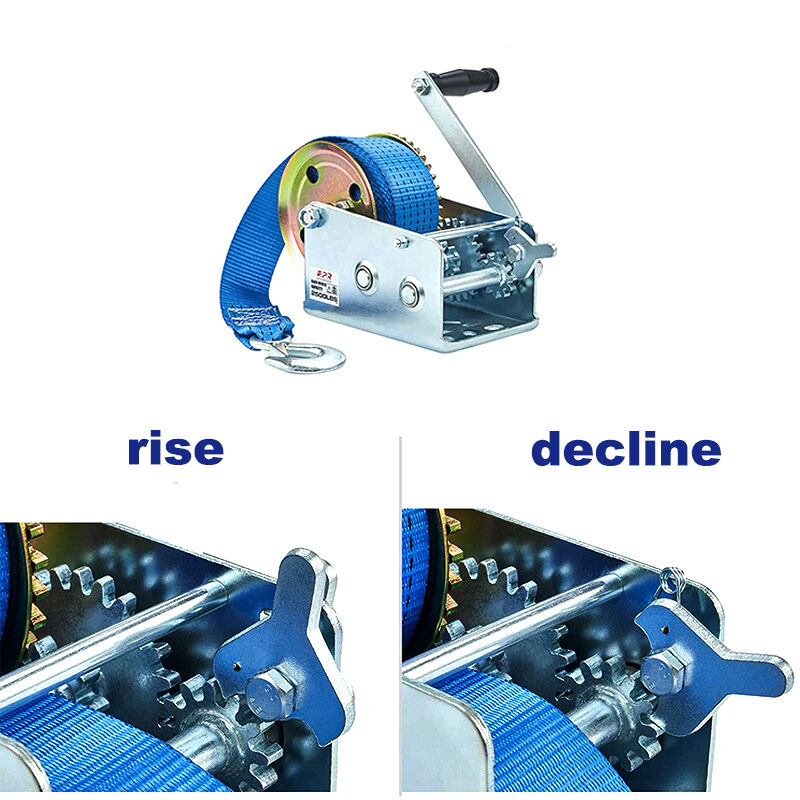
Cargo handling operations across industries require reliable, efficient, and safe equipment to move heavy loads with precision. Hand winches have emerged as indispensable tools in warehouses, construction sites, marine environments, and transportation sectors. These mechanical devices offer manual control over load movement, providing operators with the ability to lift, pull, and position cargo without relying on electrical power or complex machinery. The versatility and dependability of hand winches make them essential components in modern cargo handling systems.

Core Advantages of Hand Winches in Industrial Applications
Enhanced Load Control and Precision
Hand winches provide operators with unparalleled control over cargo movement, allowing for precise positioning of heavy items in confined spaces. The manual operation mechanism enables gradual load adjustment, reducing the risk of sudden movements that could damage sensitive cargo or equipment. This level of control is particularly valuable in assembly line operations where components must be positioned with millimeter accuracy. The gear reduction systems in quality hand winches amplify operator input, making it possible to handle substantial loads with manageable effort while maintaining complete control over speed and direction.
The ability to stop and hold loads at any point during operation represents a significant advantage over motorized alternatives. Operators can pause lifting or pulling operations to make adjustments, inspect cargo positioning, or respond to changing conditions without losing control of the load. This feature proves invaluable in construction environments where workers must coordinate multiple tasks simultaneously while ensuring safety protocols are maintained throughout the operation.
Mechanical Reliability and Durability
The robust construction of hand winches ensures consistent performance in demanding industrial environments. Unlike electric or hydraulic systems, hand winches contain fewer moving parts and require minimal maintenance to operate effectively. The absence of electrical components eliminates concerns about power failures, voltage fluctuations, or moisture damage that can compromise automated lifting equipment. This mechanical simplicity translates to reduced downtime and lower maintenance costs over the equipment's operational lifetime.
High-quality hand winches feature corrosion-resistant materials and protective coatings that withstand exposure to harsh environmental conditions. Salt water, chemical vapors, extreme temperatures, and abrasive dust particles that would quickly degrade electronic equipment have minimal impact on properly constructed manual winches. The gear mechanisms are typically sealed against contamination, ensuring smooth operation even after extended periods of use in challenging conditions.
Economic Benefits and Cost Efficiency
Lower Initial Investment Requirements
Hand winches represent a cost-effective solution for businesses seeking reliable cargo handling capabilities without substantial capital investment. The purchase price of manual winches is significantly lower than comparable electric or hydraulic alternatives, making them accessible to small and medium-sized operations with limited equipment budgets. This affordability enables businesses to equip multiple work stations with dedicated lifting equipment, improving overall operational efficiency without straining financial resources.
The absence of additional infrastructure requirements further enhances the economic appeal of hand winches. Electric winches necessitate proper electrical connections, circuit protection, and potentially upgraded power supplies, while hydraulic systems require pumps, reservoirs, and fluid management systems. Manual winches eliminate these ancillary costs, allowing businesses to implement cargo handling solutions immediately upon equipment delivery and installation.
Reduced Operating and Maintenance Expenses
Operating hand winches involves no ongoing energy costs, as they rely entirely on human power for operation. This elimination of electricity or fuel consumption provides ongoing savings that accumulate significantly over time, particularly in operations where winches are used frequently throughout working shifts. The absence of motor maintenance, electrical troubleshooting, or hydraulic fluid replacement further reduces long-term operational expenses.
Maintenance requirements for hand winches are minimal and typically involve basic lubrication and periodic inspection of cables or chains. Most operators can perform routine maintenance tasks without specialized technical training, eliminating the need for expensive service contracts or certified technicians. The simplicity of manual winch systems means that replacement parts are readily available and affordable, ensuring that equipment can be restored to full functionality quickly and economically when repairs are necessary.
Safety Features and Workplace Protection
Inherent Safety Mechanisms
Hand winches incorporate multiple safety features that protect both operators and cargo during lifting operations. The manual operation provides immediate feedback to operators regarding load resistance, enabling them to detect potential problems before they escalate into dangerous situations. This tactile awareness helps prevent overloading situations that could result in equipment failure or cargo damage. The gradual application of force inherent in manual operation reduces shock loading that can stress cables, attachment points, and cargo securing systems.
Most quality hand winches feature automatic load-holding mechanisms that engage when operators stop applying input force. These braking systems prevent accidental load release due to operator fatigue, distraction, or emergency situations. The mechanical nature of these safety systems ensures reliable operation without dependence on electrical power or hydraulic pressure that might fail during critical moments.
Reduced Risk of Electrical Hazards
The elimination of electrical components removes the risk of electrical shock, short circuits, or fire hazards associated with powered lifting equipment. This safety advantage is particularly significant in environments where combustible materials are present or where workers may encounter wet conditions during operations. Hand winches can operate safely in explosive atmospheres where electric equipment would require expensive explosion-proof construction and certification.
Manual operation also eliminates the possibility of uncontrolled acceleration due to electrical malfunctions or programming errors. Operators maintain direct physical control over lifting speed and direction at all times, preventing sudden movements that could endanger personnel working near the load path. This predictable operation pattern allows workers to coordinate their activities more effectively around lifting operations.
Versatility and Application Flexibility
Adaptability to Various Load Types
Hand winches demonstrate remarkable versatility in handling diverse cargo types, from delicate electronic components to heavy machinery assemblies. The operator's direct control over lifting force and speed enables appropriate handling techniques for different material characteristics and fragility levels. This adaptability eliminates the need for multiple specialized lifting devices, simplifying equipment management and reducing storage requirements in workspace environments.
The modular design of many hand winch systems allows for quick reconfiguration to accommodate different load shapes, weights, and attachment requirements. Interchangeable cable lengths, hook configurations, and mounting options enable the same basic winch unit to serve multiple applications throughout a facility. This flexibility proves particularly valuable in manufacturing environments where production requirements change frequently, requiring rapid equipment reconfiguration to maintain operational efficiency.
Portability and Installation Options
The compact size and lightweight construction of hand winches facilitate easy relocation between work sites and applications. Portable models can be quickly transported to remote locations where temporary lifting capabilities are required, such as field maintenance operations or emergency recovery situations. This mobility advantage extends the utility of hand winches beyond fixed installation applications, providing valuable backup capabilities for unexpected lifting requirements.
Installation flexibility allows hand winches to be mounted in various orientations and locations to optimize workspace layout and operational efficiency. Horizontal, vertical, and angled mounting configurations accommodate different lifting geometries and spatial constraints common in industrial environments. The straightforward mounting requirements typically involve basic structural attachment points without complex foundation work or specialized support systems required by larger lifting equipment.
Environmental Considerations and Sustainability
Zero Emission Operation
Hand winches contribute to environmentally sustainable operations by producing no emissions during use. The manual power source eliminates carbon footprint concerns associated with electricity generation or fuel consumption, supporting corporate sustainability initiatives and regulatory compliance requirements. This environmental advantage becomes increasingly important as businesses seek to reduce their ecological impact and meet stringent environmental standards.
The absence of hydraulic fluids eliminates the risk of environmental contamination from leaks or spills that could damage soil, groundwater, or vegetation. This clean operation characteristic makes hand winches particularly suitable for environmentally sensitive applications such as marine operations, food processing facilities, or areas near water sources where fluid containment is critical.
Long Service Life and Material Conservation
The durable construction and minimal wear characteristics of hand winches result in extended service life that reduces the frequency of equipment replacement. This longevity conserves manufacturing resources and reduces waste generation compared to more complex equipment that may require frequent replacement or major component overhauls. The simple design enables effective refurbishment of worn components, extending equipment life beyond initial design expectations.
Many hand winch components can be recycled at the end of their service life, supporting circular economy principles and reducing landfill waste. The predominantly metal construction facilitates material recovery and reprocessing, minimizing environmental impact when equipment eventually requires disposal. This recyclability factor enhances the overall environmental profile of hand winches compared to equipment containing complex electronic components or specialized materials that are difficult to process for reuse.
FAQ
What weight capacity should I consider when selecting hand winches for cargo operations
The appropriate weight capacity depends on your specific lifting requirements, but it's recommended to select hand winches with capacity ratings at least 25% above your maximum expected load. Consider factors such as load angle, cable length, and safety margins when determining capacity needs. Most industrial applications benefit from winches rated between 1,000 and 5,000 pounds, though heavier duty models are available for specialized requirements. Always account for dynamic loading effects that can increase actual forces beyond static load weights.
How do hand winches compare to electric winches in terms of maintenance requirements
Hand winches require significantly less maintenance than electric alternatives, typically needing only periodic lubrication and cable inspection. Electric winches require motor maintenance, electrical connection monitoring, and potential brake system servicing. The mechanical simplicity of hand winches means most maintenance tasks can be performed by operators using basic tools, while electric winches often require specialized technical knowledge and equipment for proper servicing and troubleshooting.
Can hand winches be used safely in hazardous environments
Yes, hand winches are often preferred in hazardous environments because they eliminate electrical ignition sources and don't require explosive-proof certifications. They operate safely in areas with combustible gases, dust, or vapors where electric equipment would pose fire or explosion risks. However, proper material selection and construction features such as non-sparking components may be necessary depending on specific environmental hazards present in the application area.
What factors affect the operational efficiency of hand winches in cargo handling
Operational efficiency depends on gear ratio selection, cable condition, proper lubrication, and operator technique. Higher gear ratios provide mechanical advantage for heavy loads but require more handle rotations, while lower ratios offer faster operation with lighter loads. Regular cable maintenance prevents binding and reduces operator effort, while proper lubrication ensures smooth gear operation. Training operators in efficient cranking techniques and load positioning strategies maximizes productivity and reduces fatigue during extended use periods.
Table of Contents
- Core Advantages of Hand Winches in Industrial Applications
- Economic Benefits and Cost Efficiency
- Safety Features and Workplace Protection
- Versatility and Application Flexibility
- Environmental Considerations and Sustainability
-
FAQ
- What weight capacity should I consider when selecting hand winches for cargo operations
- How do hand winches compare to electric winches in terms of maintenance requirements
- Can hand winches be used safely in hazardous environments
- What factors affect the operational efficiency of hand winches in cargo handling