 EN
EN


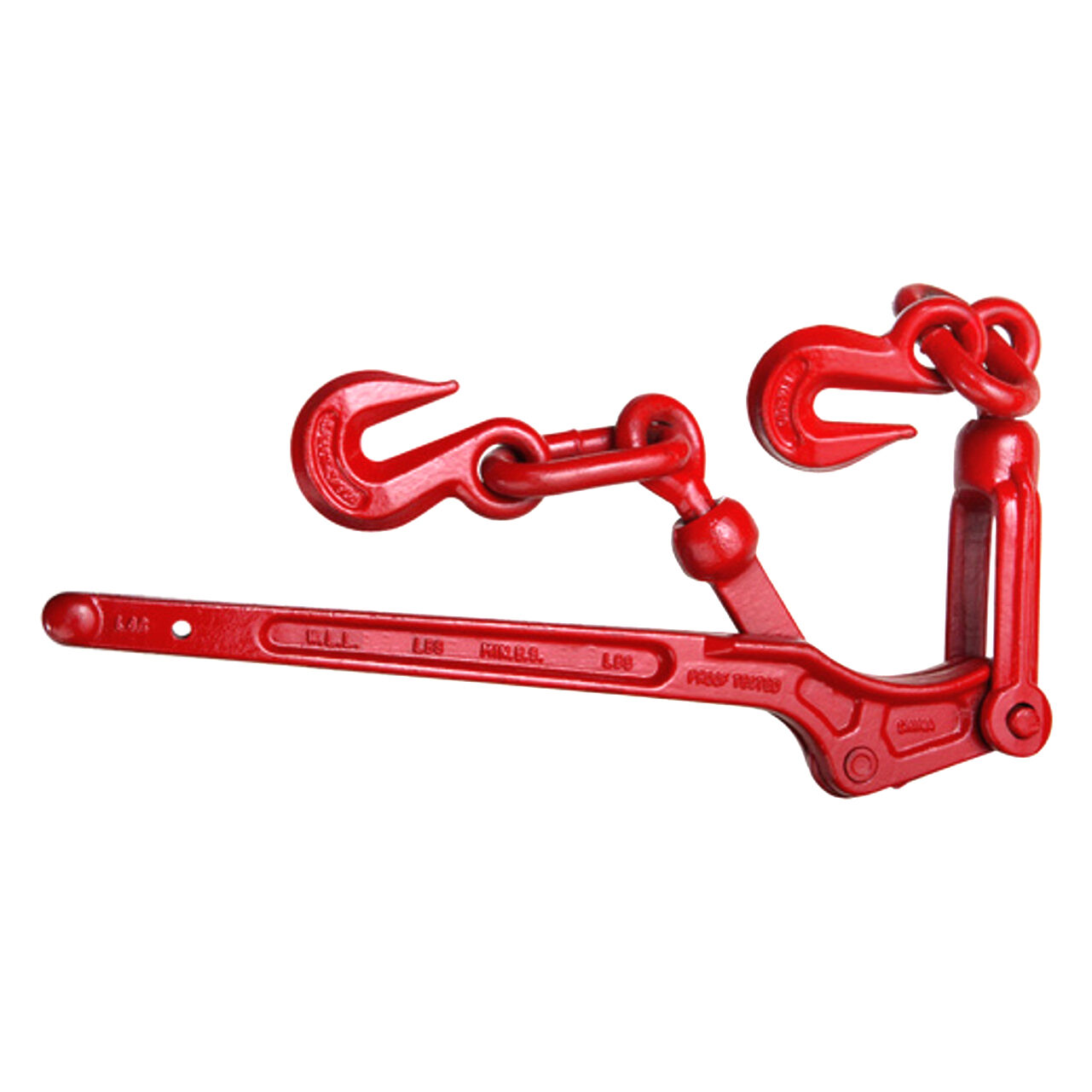
Securing heavy cargo during transportation requires reliable equipment that can withstand extreme forces and environmental conditions. Load binders serve as critical components in the cargo securement system, ensuring that freight remains stable throughout the journey. These mechanical devices provide the necessary tension to chain assemblies, preventing cargo movement that could lead to accidents, property damage, or regulatory violations. Understanding the proper selection criteria for load binders directly impacts operational efficiency, safety compliance, and long-term cost effectiveness.
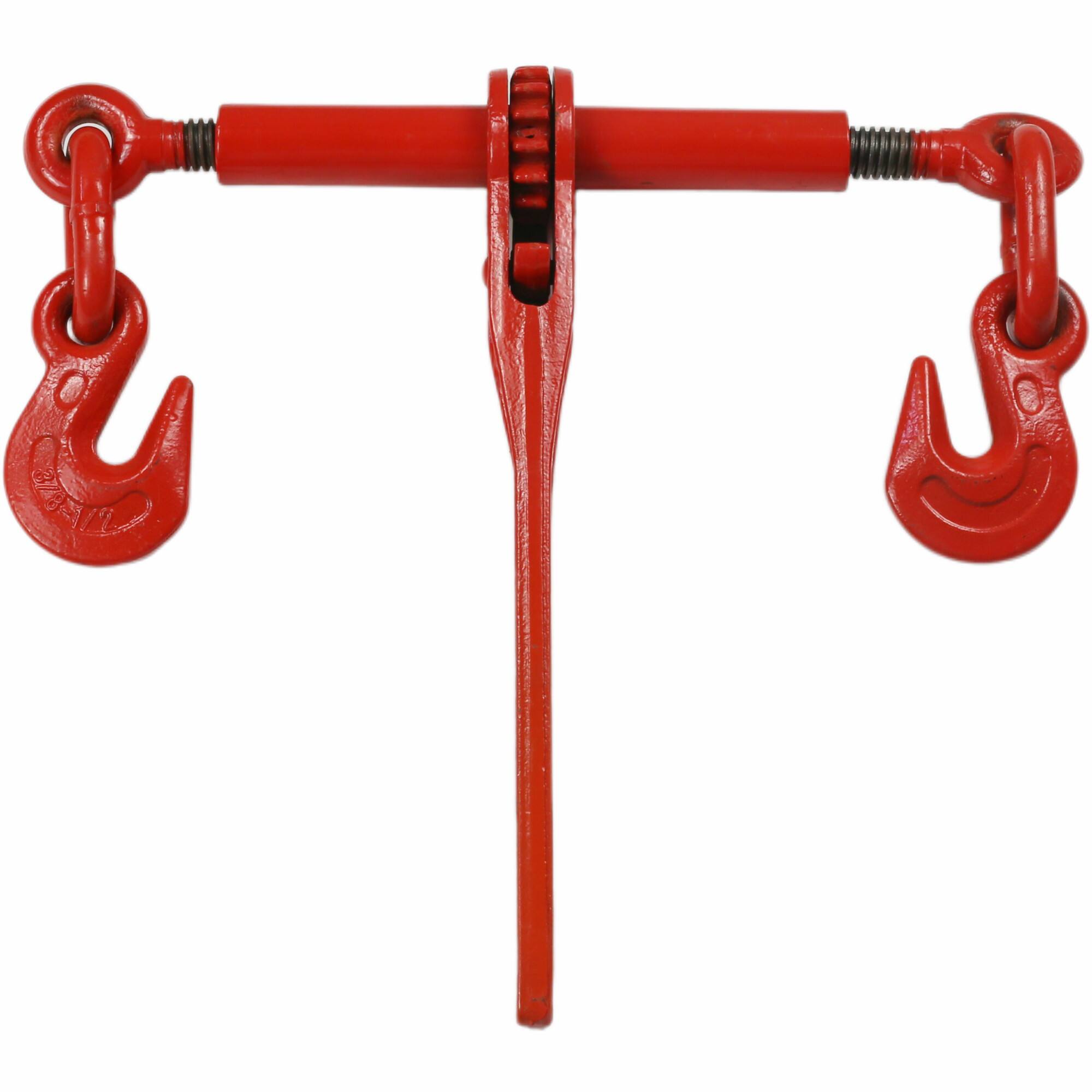
Understanding Load Binder Types and Mechanisms
Ratchet Load Binders
Ratchet load binders represent the most commonly used type in commercial transportation applications. These devices utilize a ratcheting mechanism that allows operators to apply precise tension incrementally. The ratchet design provides superior holding power compared to lever-operated alternatives, making them ideal for heavy-duty applications. Professional drivers and cargo handlers prefer ratchet load binders because they maintain consistent tension even when subjected to dynamic loading conditions during transport.
The ratcheting action enables users to achieve optimal tension levels without requiring excessive physical effort. This feature becomes particularly valuable when securing multiple tie-down points on a single load. Modern ratchet load binders incorporate ergonomic handles and smooth-operating mechanisms that reduce operator fatigue during extended use. Quality manufacturers design these components to withstand repeated cycling without compromising the ratcheting mechanism's integrity.
Lever Load Binders
Lever load binders offer rapid deployment capabilities that make them suitable for time-sensitive loading operations. These devices use a simple lever mechanism to apply tension quickly, though they typically require more physical strength to operate effectively. The lever design provides immediate feedback to operators regarding tension levels, allowing experienced handlers to gauge proper securement by feel. However, lever load binders may experience tension loss over time due to cargo settling and road vibrations.
Transportation companies often choose lever load binders for specific applications where speed of deployment outweighs the need for maximum holding power. These units work well in situations involving frequent loading and unloading cycles, such as local delivery routes or construction material transport. The simplicity of the lever mechanism also means fewer potential failure points, contributing to overall reliability in demanding operational environments.
Material Construction and Durability Factors
Steel Grade Requirements
The steel grade used in load binder construction directly impacts both strength and longevity. High-quality load binders utilize alloy steels that meet or exceed Department of Transportation specifications for cargo securement equipment. These materials undergo heat treatment processes that enhance tensile strength while maintaining sufficient ductility to prevent brittle failure under shock loading. Grade 70 and Grade 80 steel chains commonly pair with appropriately rated load binders to create compliant securement systems.
Manufacturers specify working load limits based on the steel grade and component geometry, ensuring that load binders can safely handle prescribed loads with appropriate safety factors. Professional operators must verify that their chosen load binders match or exceed the working load limits of the associated chains and hardware. This compatibility ensures that the entire securement system performs as intended under normal operating conditions and provides adequate reserve capacity for unexpected load variations.
Corrosion Resistance Features
Environmental exposure presents significant challenges for load binder longevity, particularly in marine, industrial, or winter road salt conditions. Quality load binders feature protective coatings or treatments that resist corrosion and extend service life. Hot-dip galvanizing provides excellent long-term protection against rust and corrosion, making it the preferred treatment for equipment exposed to harsh environments. Some manufacturers apply specialized powder coatings or zinc plating for additional protection.
Regular maintenance and proper storage practices complement protective coatings in extending load binder service life. Operators should clean and lubricate moving parts according to manufacturer recommendations, paying particular attention to pivot points and ratcheting mechanisms. Proper maintenance schedules help identify potential issues before they result in equipment failure or compromise cargo securement capabilities.
Load Capacity and Safety Factor Considerations
Working Load Limit Calculations
Determining appropriate working load limits requires careful analysis of both the cargo weight and the securement configuration. Load binders must possess sufficient capacity to maintain proper tension throughout the transportation process, accounting for dynamic forces generated by acceleration, braking, and cornering. Federal Motor Carrier Safety Administration regulations specify minimum aggregate working load limits based on cargo weight, providing baseline requirements for securement system design.
Professional cargo securement involves calculating the required restraining force in each direction and selecting load binders with adequate capacity. This process considers the number of tie-down points, their angles relative to the cargo, and the coefficient of friction between the load and the trailer deck. Proper calculations ensure that each component operates within safe limits while providing the necessary restraining force to prevent cargo movement.
Safety Factor Applications
Industry standards incorporate safety factors into load binder specifications to account for various uncertainties and dynamic loading conditions. These safety factors typically range from 4:1 to 6:1, meaning that the ultimate breaking strength significantly exceeds the working load limit. This margin provides protection against manufacturing variations, wear, misuse, and unexpected loading scenarios that might occur during normal transportation operations.
Understanding safety factors helps operators make informed decisions about equipment selection and replacement timing. Load binders showing signs of wear, damage, or deformation may have reduced safety margins even if they remain functional. Regular inspection programs help identify equipment that requires retirement before safety factors become compromised, maintaining the integrity of cargo securement systems.
Environmental Operating Conditions
Temperature Extremes
Load binders must maintain their mechanical properties across a wide range of operating temperatures encountered in commercial transportation. Cold weather conditions can make steel components brittle and affect the performance of lubricants in moving parts. Conversely, high temperatures from solar heating or industrial environments may cause thermal expansion that affects tension levels and component clearances.
Quality load binders undergo testing at temperature extremes to verify their performance characteristics across the expected operating range. Manufacturers specify operating temperature limits and provide guidance on any special considerations for extreme conditions. Operators working in particularly challenging thermal environments should select load binders specifically rated for those conditions and follow enhanced maintenance protocols.
Chemical Exposure Resistance
Transportation of certain commodities may expose load binders to corrosive chemicals, petroleum products, or other substances that could degrade materials or protective coatings. Chemical compatibility becomes particularly important for specialized transport operations involving industrial chemicals, agricultural products, or construction materials. Load binders used in these applications require enhanced protection or specialized materials that resist chemical attack.
Stainless steel construction provides superior chemical resistance for specialized applications, though at increased cost compared to carbon steel alternatives. Some operators maintain separate sets of load binders for chemical transport operations to prevent cross-contamination and extend the service life of their primary equipment. This approach also ensures that standard load binders remain available for general freight applications where chemical resistance is not required.
Inspection and Maintenance Protocols
Visual Inspection Procedures
Systematic visual inspection of load binders before each use helps identify potential safety issues and prevents equipment failure during transportation. Inspection procedures should examine all critical components including hooks, chains, ratcheting mechanisms, and pivot points for signs of wear, damage, or deformation. Operators must look for cracks, excessive wear, bent components, or missing parts that could compromise the load binder's performance.
Documentation of inspection findings creates valuable maintenance records that help track equipment condition over time. Many transportation companies implement formal inspection checklists that ensure consistent evaluation procedures across their operations. These records also provide liability protection by demonstrating due diligence in equipment maintenance and safety compliance.
Preventive Maintenance Schedules
Establishing regular maintenance schedules extends load binder service life and maintains optimal performance characteristics. Preventive maintenance includes lubrication of moving parts, cleaning of accumulated debris, and replacement of wear items before they fail. The frequency of maintenance activities depends on usage intensity, environmental conditions, and manufacturer recommendations.
Professional maintenance programs often include periodic load testing to verify that load binders continue to meet their rated capacities. This testing can identify degradation that might not be apparent through visual inspection alone. Maintenance schedules should also account for seasonal variations in usage patterns and environmental exposure that might affect equipment condition.
Regulatory Compliance Requirements
Federal Motor Carrier Safety Regulations
Federal regulations governing cargo securement specify performance requirements for load binders used in commercial transportation. These regulations define working load limits, marking requirements, and acceptable construction standards that ensure equipment compatibility and safety. Compliance with these regulations is mandatory for commercial operators and affects insurance coverage and liability considerations.
Load binders must display permanent markings indicating their working load limits and manufacturer identification. These markings allow inspectors to verify that equipment meets regulatory requirements and help operators select appropriate components for specific applications. Regular updates to regulations may affect equipment requirements, making it important for operators to stay informed about current standards.
Industry Standard Compliance
Industry organizations and standards bodies provide additional guidance on load binder selection and use that supplements federal regulations. These standards often incorporate best practices developed through operational experience and research into cargo securement effectiveness. Following industry standards helps ensure compatibility with customer requirements and industry practices.
Certification programs and quality assurance standards provide additional confidence in load binder performance and reliability. Equipment that meets recognized industry standards typically undergoes more rigorous testing and quality control procedures than minimum regulatory requirements. This additional verification can provide value in demanding applications where equipment reliability is critical.
Cost-Effectiveness and Return on Investment
Initial Purchase Considerations
Selecting load binders based solely on initial purchase price can result in higher total costs due to premature replacement, maintenance issues, or operational problems. Quality load binders from reputable manufacturers typically command higher initial prices but provide superior long-term value through extended service life and reliable performance. The cost difference between premium and economy options often represents a small fraction of the total securement system investment.
Volume purchasing arrangements can provide significant cost savings for larger transportation companies while ensuring consistency in equipment specifications and performance characteristics. Standardizing on specific load binder models also simplifies training, maintenance, and replacement parts inventory. These operational efficiencies contribute to overall cost-effectiveness beyond the initial equipment purchase price.
Lifecycle Cost Analysis
Comprehensive lifecycle cost analysis considers all expenses associated with load binder ownership including purchase price, maintenance costs, replacement frequency, and operational impacts. Quality equipment with higher initial costs often provides lower total costs through extended service life and reduced maintenance requirements. This analysis becomes particularly important for high-utilization operations where equipment failure can result in significant operational disruption.
Load binder reliability affects more than just replacement costs, as equipment failure during transportation can result in cargo damage, delivery delays, and regulatory penalties. These indirect costs often exceed the equipment replacement cost and justify investment in higher-quality load binders that provide greater operational reliability.
FAQ
What working load limit should I choose for my load binders?
The working load limit for your load binders should match or exceed the requirements of your cargo securement system as calculated according to FMCSA regulations. Generally, you need sufficient aggregate working load limit to resist forces equal to your cargo weight in the forward direction, and half the cargo weight in rearward and lateral directions. Always ensure your load binders are compatible with the grade and size of chain being used, and consider the number of tie-down points in your securement system.
How often should load binders be inspected and replaced?
Load binders should be visually inspected before each use for signs of damage, wear, or deformation. More detailed inspections should be conducted monthly or based on usage frequency. Replace load binders immediately if you discover cracks, excessive wear, bent components, or if they fail to maintain proper tension. Most quality load binders can provide several years of service with proper maintenance, but high-use operations may require more frequent replacement.
Can I use different brands of load binders together in the same securement system?
You can use different brands of load binders in the same securement system as long as each component meets the required working load limits and regulatory standards. However, ensure that all components are properly rated and marked, and that they are compatible with your chains and hardware. Using equipment from the same manufacturer can simplify maintenance and ensure consistent performance characteristics across your securement system.
What maintenance is required to keep load binders in good working condition?
Regular maintenance includes cleaning debris from moving parts, lubricating pivot points and ratcheting mechanisms, and inspecting for wear or damage. Use appropriate lubricants that won't attract dirt or compromise the mechanism operation. Store load binders in clean, dry conditions when not in use, and clean them after exposure to corrosive substances. Follow manufacturer recommendations for specific maintenance procedures and intervals based on your operating conditions.