 EN
EN

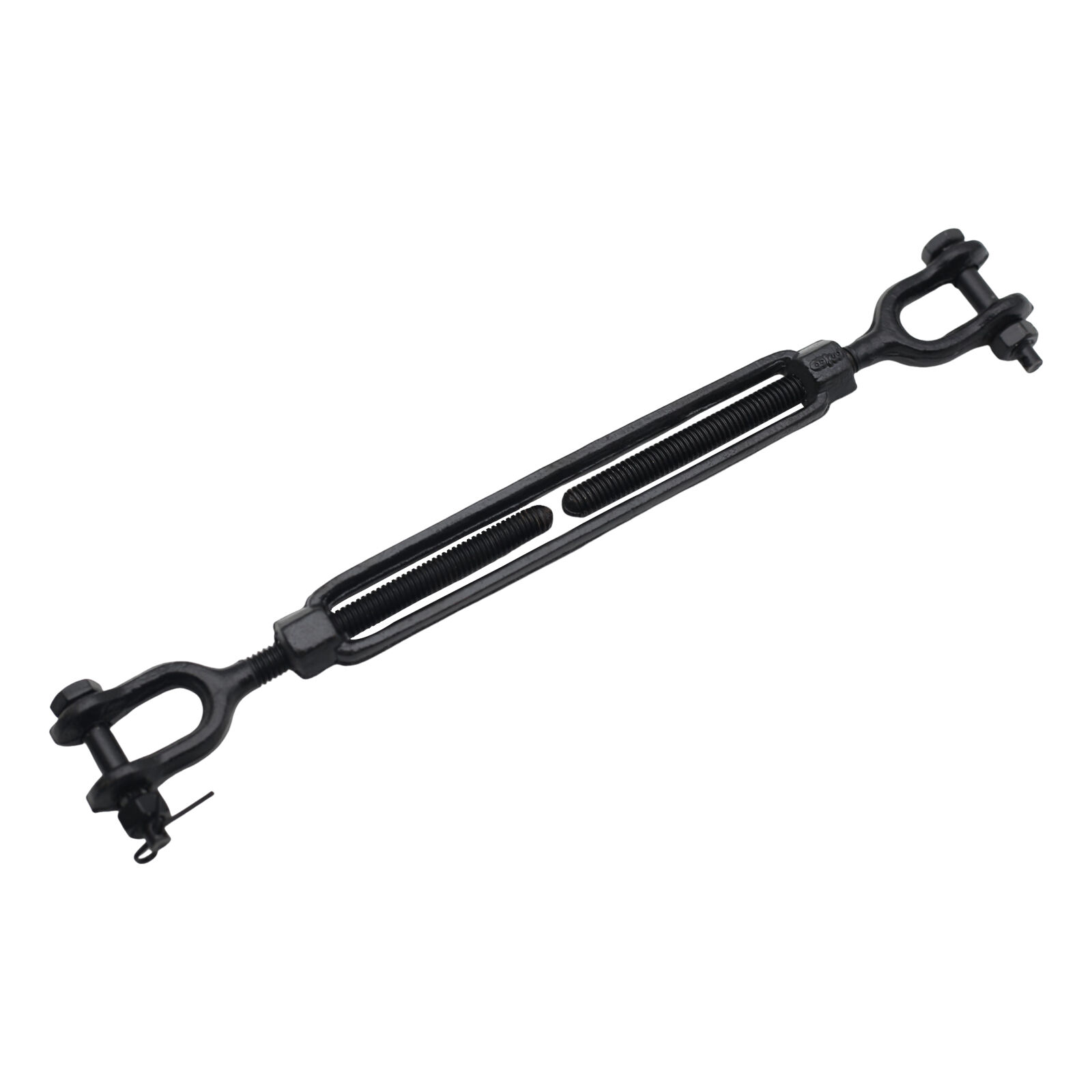
In modern industrial operations, lifting hardware serves as the backbone of material handling and construction activities across countless sectors. From manufacturing facilities to construction sites, professionals rely on specialized lifting hardware to safely move heavy loads, complete complex installations, and maintain operational efficiency. The selection and proper implementation of quality lifting hardware directly impacts workplace safety, project timelines, and overall operational success.
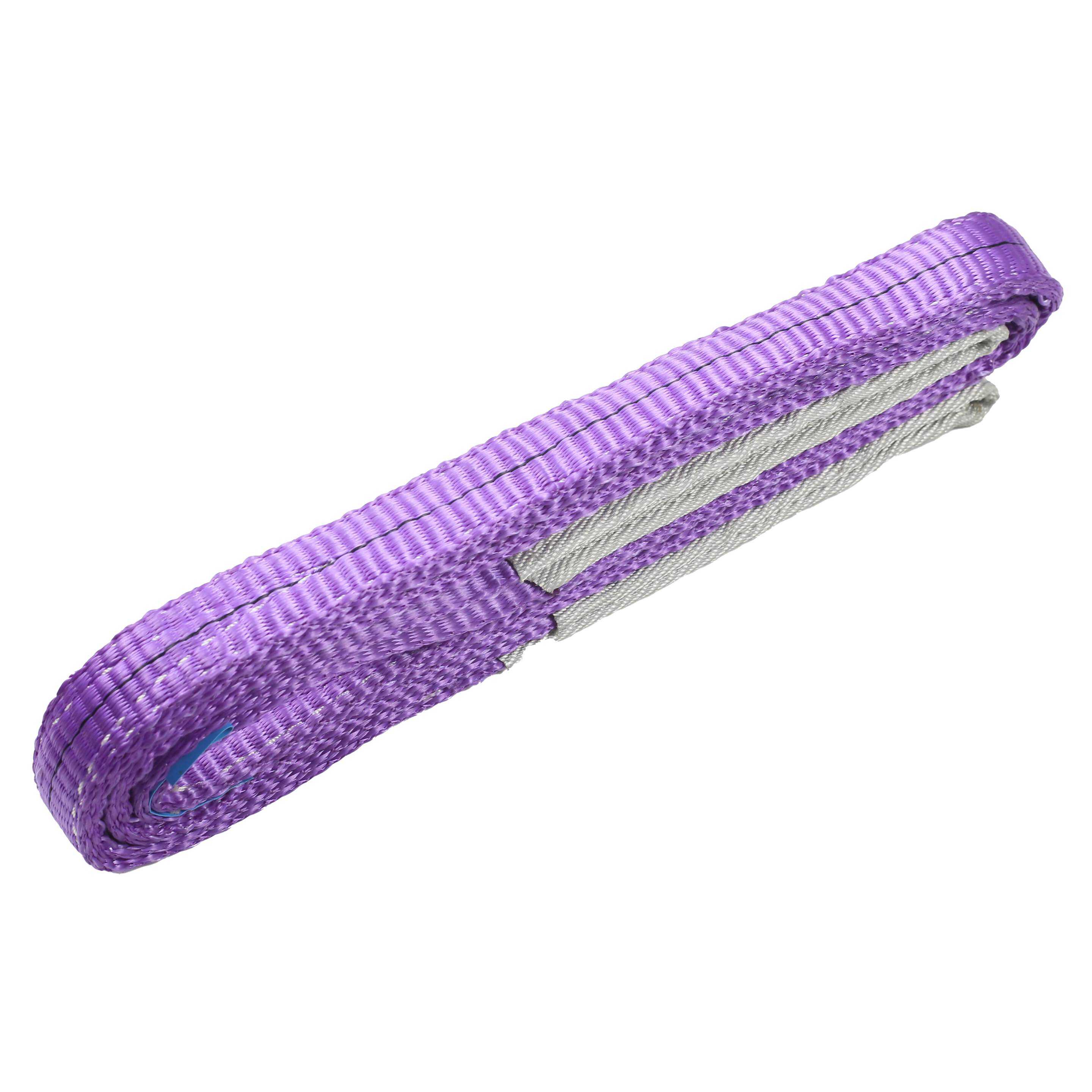
Understanding the fundamental principles behind lifting hardware applications enables businesses to make informed decisions about equipment procurement and deployment. The complexity of modern industrial environments demands lifting solutions that can withstand extreme conditions while providing consistent performance. Whether dealing with delicate precision components or massive structural elements, the right lifting hardware configuration ensures tasks are completed safely and efficiently.
Critical Safety Standards and Compliance Requirements
Industry Certification and Testing Protocols
Professional lifting hardware must undergo rigorous testing procedures to meet established industry standards such as OSHA, ANSI, and international equivalents. These certification processes evaluate load capacity, material integrity, and operational reliability under various stress conditions. Manufacturers subject their lifting hardware to extensive quality assurance protocols that simulate real-world applications and extreme operating environments.
The certification process involves multiple stages of testing, including tensile strength evaluations, fatigue resistance assessments, and environmental exposure trials. Quality lifting hardware receives detailed documentation that specifies working load limits, safety factors, and recommended inspection intervals. This comprehensive approach ensures that end users can trust their equipment to perform reliably in critical applications.
Regulatory Compliance Across Industries
Different industrial sectors maintain specific regulatory requirements for lifting hardware selection and deployment. Construction projects often require compliance with local building codes and federal safety regulations that dictate minimum safety factors and inspection frequencies. Manufacturing environments may have additional requirements based on the types of materials being handled and the potential consequences of equipment failure.
Maritime and offshore industries impose even stricter standards due to the harsh operating conditions and potential environmental impact of accidents. Lifting hardware used in these applications must demonstrate resistance to corrosion, extreme temperatures, and dynamic loading conditions. Regular compliance audits ensure that organizations maintain proper documentation and follow established safety protocols.
Material Composition and Engineering Specifications
High-Strength Steel Alloy Applications
Modern lifting hardware incorporates advanced metallurgy to achieve optimal strength-to-weight ratios while maintaining cost effectiveness. High-grade steel alloys provide exceptional tensile strength and fatigue resistance, making them ideal for heavy-duty industrial applications. The careful selection of alloying elements allows manufacturers to tailor material properties to specific performance requirements.
Heat treatment processes further enhance the mechanical properties of lifting hardware components, creating uniform grain structures that resist crack propagation and stress concentration. Advanced manufacturing techniques such as precision forging and controlled cooling ensure consistent quality across production runs. These metallurgical considerations directly impact the service life and reliability of lifting hardware in demanding applications.
Specialized Coatings and Surface Treatments
Surface protection systems play a crucial role in extending the operational life of lifting hardware exposed to corrosive environments. Galvanized coatings provide excellent protection against atmospheric corrosion, while specialized polymer coatings offer enhanced chemical resistance. The selection of appropriate surface treatments depends on the specific environmental conditions and expected service duration.
Advanced coating technologies include powder coating systems that create durable, uniform finishes with excellent impact resistance. Some lifting hardware applications require food-grade or pharmaceutical-compliant surface treatments that maintain cleanliness standards while providing necessary protection. Regular maintenance of these protective systems ensures continued performance and prevents premature degradation.
Load Distribution and Engineering Principles
Dynamic Force Calculations
Proper engineering analysis of lifting hardware applications requires understanding the complex force interactions that occur during material handling operations. Dynamic loading conditions create stress patterns that differ significantly from static load calculations, necessitating careful consideration of acceleration forces, impact loads, and vibrational effects. Professional engineers utilize sophisticated modeling software to predict these complex stress distributions.
The geometry of lifting hardware configurations significantly influences load distribution patterns and overall system performance. Angular loading conditions can create stress concentrations that exceed design limits, while proper rigging techniques help distribute forces evenly across multiple attachment points. Understanding these engineering principles enables operators to maximize the effectiveness of their lifting hardware while maintaining safety margins.
Safety Factor Considerations
Industrial lifting hardware incorporates substantial safety factors to account for uncertainties in loading conditions, material properties, and operational variables. Typical safety factors range from 3:1 to 8:1, depending on the application and regulatory requirements. These margins provide protection against unexpected overloading, material degradation, and human error during operations.
The determination of appropriate safety factors involves careful analysis of failure modes, consequence severity, and operational reliability requirements. Critical applications may require higher safety factors to account for the potential impact of equipment failure on personnel safety and facility operations. Regular inspection and maintenance protocols help ensure that lifting hardware continues to meet design safety factors throughout its service life.
Application-Specific Design Considerations
Construction Industry Requirements
Construction applications demand lifting hardware that can handle diverse materials ranging from prefabricated steel components to delicate architectural elements. The temporary nature of many construction installations requires equipment that can be easily repositioned and reconfigured as project requirements change. Durability becomes critical as lifting hardware may be exposed to weather conditions, construction debris, and intensive daily use.
Modular lifting hardware systems offer flexibility for construction applications, allowing operators to combine components to create custom configurations for specific tasks. Quick-connect mechanisms reduce setup time while maintaining secure connections under load. The ability to visually inspect critical components ensures that potential problems can be identified before they compromise safety or productivity.
Manufacturing and Assembly Applications
Manufacturing environments require lifting hardware solutions that integrate seamlessly with automated systems and precision assembly processes. Repeatability becomes essential as the same lifting operations may be performed thousands of times with minimal variation. The lifting hardware must accommodate tight tolerances while providing smooth, controlled movement of components.
Ergonomic considerations become important in manufacturing applications where workers interact directly with lifting hardware throughout their shifts. Lightweight designs reduce operator fatigue while maintaining necessary strength characteristics. Anti-vibration features help protect sensitive electronic components during material handling operations within manufacturing facilities.
Maintenance and Inspection Protocols
Preventive Maintenance Strategies
Effective maintenance programs for lifting hardware begin with comprehensive documentation of installation dates, load history, and environmental exposure conditions. Regular cleaning removes contaminants that could accelerate corrosion or interfere with mechanical components. Lubrication schedules ensure that moving parts operate smoothly and resist wear under normal operating conditions.
Visual inspection protocols train personnel to identify early signs of wear, damage, or deterioration that could compromise lifting hardware performance. Detailed inspection checklists ensure consistent evaluation procedures across different operators and shift schedules. Documentation of inspection results creates historical records that help predict maintenance needs and optimize replacement schedules.
Advanced Inspection Technologies
Modern inspection techniques for lifting hardware include non-destructive testing methods such as magnetic particle inspection, ultrasonic testing, and dye penetrant examination. These advanced methods can detect internal flaws or stress concentrations that may not be visible during routine visual inspections. Specialized equipment allows technicians to evaluate the structural integrity of lifting hardware without removing it from service.
Digital inspection technologies enable real-time monitoring of lifting hardware performance through embedded sensors and data logging systems. These smart systems can track load cycles, detect overload conditions, and provide early warning of potential failures. Integration with facility management systems allows for automated scheduling of inspections and maintenance activities based on actual usage patterns.
Economic Impact and Cost Considerations
Total Cost of Ownership Analysis
Evaluating lifting hardware investments requires consideration of factors beyond initial purchase price, including installation costs, training requirements, and long-term maintenance expenses. High-quality lifting hardware typically provides lower total cost of ownership through extended service life, reduced maintenance requirements, and improved operational efficiency. The cost of downtime due to equipment failure often exceeds the premium paid for superior lifting hardware.
Energy efficiency considerations become important for powered lifting hardware systems, as operational costs accumulate over the equipment lifetime. Modern electric and hydraulic systems offer improved efficiency compared to older technologies, reducing both operating costs and environmental impact. Investment in energy-efficient lifting hardware can qualify for utility rebates and tax incentives in many jurisdictions.
Risk Management and Insurance Implications
Insurance providers recognize the relationship between lifting hardware quality and accident frequency, often offering reduced premiums for facilities that maintain comprehensive safety programs and high-quality equipment. Documented compliance with industry standards and regular inspection protocols demonstrates commitment to safety that insurers value when assessing risk exposure.
The financial impact of lifting hardware failures extends beyond direct replacement costs to include potential liability claims, regulatory fines, and business interruption losses. Investing in proven lifting hardware solutions with established track records helps minimize these risks while protecting company reputation and stakeholder confidence. Professional risk assessments can identify potential vulnerabilities and guide equipment selection decisions.
Future Trends and Technological Developments
Smart Technology Integration
The integration of Internet of Things sensors and wireless communication technologies is transforming lifting hardware from passive tools to intelligent systems capable of self-monitoring and predictive maintenance. These smart lifting hardware solutions can transmit real-time data about load conditions, usage patterns, and equipment status to centralized monitoring systems.
Artificial intelligence algorithms analyze operational data to optimize lifting hardware performance and predict maintenance needs before failures occur. Machine learning systems can identify usage patterns that may lead to premature wear or suggest operational improvements that extend equipment life. This technological evolution promises to significantly improve the reliability and efficiency of lifting hardware applications.
Advanced Materials and Manufacturing
Research into advanced composite materials and additive manufacturing techniques is opening new possibilities for lifting hardware design and production. Carbon fiber reinforced polymers offer exceptional strength-to-weight ratios that could revolutionize portable lifting hardware applications. Three-dimensional printing technologies enable rapid prototyping and custom manufacturing of specialized lifting hardware components.
Nanotechnology applications in surface treatments and material engineering promise to enhance the durability and performance characteristics of lifting hardware. Self-healing coatings that automatically repair minor damage could extend service intervals and reduce maintenance requirements. These emerging technologies will likely reshape the lifting hardware industry over the coming decades.
FAQ
What factors should be considered when selecting lifting hardware for a specific application?
The selection of appropriate lifting hardware depends on several critical factors including the maximum load weight, environmental conditions, frequency of use, and applicable safety regulations. Consider the geometry of the loads being handled, available attachment points, and required safety factors for your industry. Environmental factors such as temperature extremes, chemical exposure, and outdoor weather conditions influence material selection and surface treatment requirements.
How often should lifting hardware be inspected and what are the key inspection points?
Lifting hardware inspection frequency depends on usage intensity and regulatory requirements, but generally ranges from daily visual checks for frequently used equipment to annual detailed inspections for occasional-use items. Key inspection points include attachment hardware for wear or deformation, load-bearing surfaces for cracks or excessive wear, and protective coatings for damage or deterioration. Documentation of all inspections is essential for compliance and helps establish maintenance patterns.
What are the most common causes of lifting hardware failure and how can they be prevented?
Common lifting hardware failures result from overloading beyond design capacity, improper rigging techniques that create stress concentrations, and inadequate maintenance leading to corrosion or wear. Prevention strategies include proper operator training on load limits and rigging techniques, regular inspection and maintenance protocols, and selection of appropriate equipment for specific applications. Environmental protection through proper storage and surface treatments also helps prevent premature degradation.
How do safety factors in lifting hardware design protect against unexpected loading conditions?
Safety factors in lifting hardware design provide a margin of protection by ensuring that the equipment can handle loads significantly higher than the rated working load limit. These factors account for uncertainties in material properties, manufacturing variations, and dynamic loading conditions that occur during actual operations. Typical safety factors range from 3:1 to 8:1, meaning the breaking strength is three to eight times higher than the working load limit, depending on the application and regulatory requirements.
Table of Contents
- Critical Safety Standards and Compliance Requirements
- Material Composition and Engineering Specifications
- Load Distribution and Engineering Principles
- Application-Specific Design Considerations
- Maintenance and Inspection Protocols
- Economic Impact and Cost Considerations
- Future Trends and Technological Developments
-
FAQ
- What factors should be considered when selecting lifting hardware for a specific application?
- How often should lifting hardware be inspected and what are the key inspection points?
- What are the most common causes of lifting hardware failure and how can they be prevented?
- How do safety factors in lifting hardware design protect against unexpected loading conditions?