 EN
EN

Selecting the appropriate round sling for industrial lifting operations requires careful consideration of multiple factors that directly impact safety and performance. A round sling represents a critical component in material handling systems, offering exceptional versatility and strength when properly matched to specific application requirements. Understanding the fundamental principles of round sling selection ensures optimal load capacity utilization while maintaining rigorous safety standards in demanding work environments.
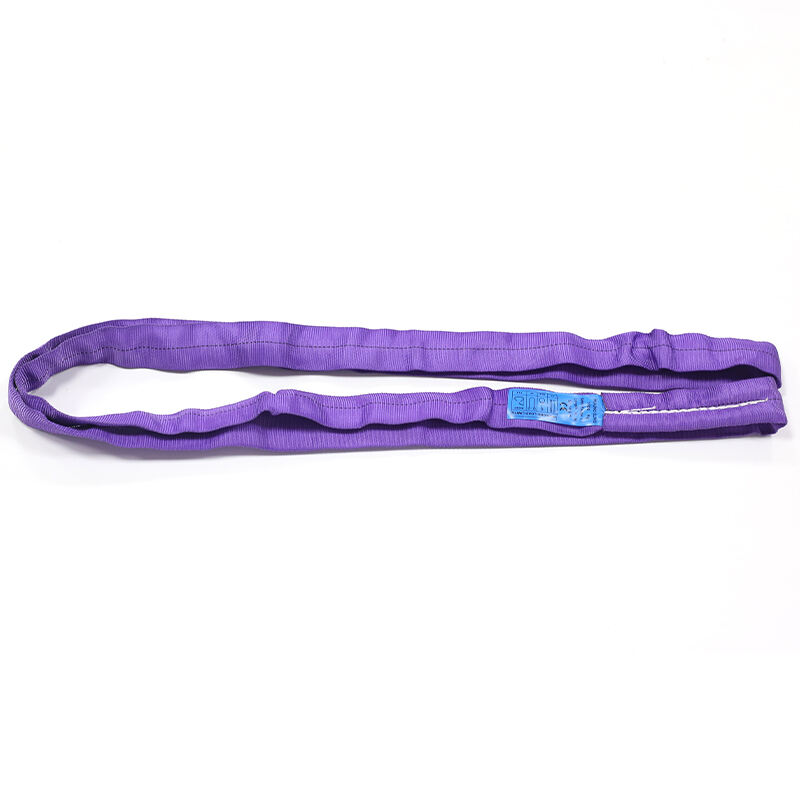
Professional riggers and industrial operators must evaluate numerous technical specifications before implementing any round sling solution in their lifting procedures. The selection process involves analyzing load weights, environmental conditions, and operational constraints that influence the overall effectiveness of the lifting system. Proper round sling selection directly correlates with enhanced workplace safety, reduced equipment downtime, and improved operational efficiency across various industrial applications.
Understanding Round Sling Load Capacity Fundamentals
Basic Load Rating Principles
Every round sling manufactured for commercial use carries specific load capacity ratings that define safe working limits under controlled conditions. These ratings establish the maximum weight that a round sling can safely handle when used in vertical lifting configurations with proper rigging techniques. Understanding these fundamental capacity principles enables operators to make informed decisions about appropriate sling selection for specific lifting tasks.
Load capacity specifications typically include working load limits, breaking strength values, and safety factor calculations that provide comprehensive performance parameters. The working load limit represents the maximum recommended load for normal lifting operations, while breaking strength indicates the theoretical failure point under extreme conditions. Safety factors, usually ranging from 5:1 to 7:1, provide additional protection margins that account for dynamic loading, environmental factors, and material degradation over time.
Environmental conditions significantly influence the actual load capacity of any round sling system during practical applications. Temperature extremes, chemical exposure, and ultraviolet radiation can reduce the effective strength of synthetic materials commonly used in modern round sling construction. Operators must account for these environmental factors when calculating safe working loads for specific industrial environments.
Material Composition Impact
The material composition of a round sling directly determines its load-bearing characteristics, durability, and suitability for specific applications. Polyester round slings offer excellent resistance to stretching and provide consistent performance in most industrial environments. Nylon alternatives deliver superior shock absorption capabilities but exhibit greater sensitivity to moisture and chemical exposure than polyester options.
High-performance synthetic fibers used in premium round sling construction provide enhanced strength-to-weight ratios compared to traditional materials. These advanced materials maintain their load capacity characteristics across wider temperature ranges and demonstrate improved resistance to abrasion and cutting forces. The selection of appropriate material composition ensures optimal performance throughout the expected service life of the round sling system.
Wire rope core options in some round sling designs provide additional protection against crushing forces and sharp edge damage. These hybrid constructions combine the flexibility of synthetic materials with the edge protection characteristics of steel components. Understanding material composition benefits enables operators to select round sling solutions that best match their specific operational requirements.
Critical Factors Affecting Round Sling Performance
Load Distribution Analysis
Proper load distribution represents a fundamental requirement for maximizing the effective capacity of any round sling installation. Uneven load distribution can create stress concentrations that significantly reduce the safe working capacity of the entire lifting system. Analyzing load distribution patterns helps identify potential problem areas before they compromise lifting operations or create safety hazards.
Multiple leg configurations require careful attention to load sharing characteristics to ensure that each round sling component carries its proportional share of the total load. Unequal leg lengths, asymmetrical load geometry, and improper rigging angles can create situations where individual slings experience loads exceeding their rated capacity. Proper planning and execution of load distribution strategies prevent these potentially dangerous conditions.
Dynamic loading effects during lifting operations can create temporary load increases that exceed static calculations. Sudden starts, stops, and directional changes generate additional forces that must be considered in capacity planning. Understanding dynamic loading principles enables operators to implement appropriate safety margins and operational procedures that maintain safe working conditions throughout the lifting process.
Environmental Considerations
Operating environments present various challenges that directly impact round sling performance and longevity. Chemical exposure can degrade synthetic materials, reducing load capacity and creating potential failure points that may not be immediately visible during routine inspections. Identifying potential chemical hazards in the work environment enables proactive material selection and protection strategies.
Temperature extremes affect material properties in ways that directly influence load capacity ratings. High temperatures can reduce the strength of synthetic fibers, while extremely low temperatures may increase brittleness and reduce flexibility. Understanding temperature effects enables operators to implement appropriate derating factors and operational modifications that maintain safe working conditions.
Ultraviolet exposure from direct sunlight or artificial sources can gradually weaken synthetic materials used in round sling construction. Prolonged exposure to UV radiation creates surface degradation that may progress to structural weakening over time. Implementing appropriate storage and handling procedures helps preserve material integrity and maintain rated load capacities throughout the service life of the equipment.
Inspection and Maintenance Requirements
Regular Inspection Protocols
Systematic inspection procedures ensure that round sling equipment maintains its rated capacity throughout its operational life. Visual inspections should examine the entire surface area for signs of wear, cutting, abrasion, or other damage that could compromise structural integrity. Regular inspection schedules help identify developing problems before they create safety hazards or equipment failures.
Documentation of inspection results provides valuable historical data that helps track equipment condition and predict maintenance requirements. Detailed inspection records enable operators to identify patterns of wear or damage that may indicate improper usage or environmental factors affecting equipment performance. Maintaining comprehensive inspection documentation supports regulatory compliance and demonstrates commitment to workplace safety.
Qualified inspection personnel must understand the specific requirements and criteria for evaluating round sling condition. Training programs should cover recognition of various damage types, measurement techniques, and decision-making processes for determining continued serviceability. Properly trained inspection personnel provide essential expertise for maintaining safe and reliable lifting operations.
Maintenance Best Practices
Proper storage conditions significantly extend the service life and maintain the load capacity of round sling equipment. Storage areas should protect equipment from direct sunlight, extreme temperatures, chemical exposure, and physical damage from other equipment or materials. Implementing appropriate storage procedures helps preserve material properties and maintain equipment reliability.
Cleaning procedures remove contaminants that could degrade round sling materials or interfere with proper inspection procedures. Appropriate cleaning methods depend on the specific materials and construction of the round sling, as well as the types of contaminants encountered in the work environment. Regular cleaning schedules help maintain equipment condition and support effective inspection procedures.
Replacement criteria establish clear guidelines for removing round sling equipment from service before safety margins become compromised. These criteria should address various types of damage, wear patterns, and age-related degradation that affect load capacity. Implementing consistent replacement standards helps maintain safe working conditions and prevents equipment failures.
Application-Specific Selection Guidelines
Industrial Manufacturing Applications
Manufacturing environments present unique challenges that influence round sling selection criteria. Production machinery installation and maintenance operations often require lifting equipment that can operate in confined spaces with limited clearance. The compact design and flexibility of round sling systems make them ideal for these applications when properly selected for the specific load requirements.
Assembly line operations frequently involve repetitive lifting tasks that require durable equipment capable of maintaining performance through numerous load cycles. Round sling selection for these applications must consider fatigue resistance, abrasion resistance, and ease of handling to support efficient production processes. Proper material selection and capacity planning ensure reliable performance in demanding manufacturing environments.
Quality control requirements in manufacturing environments often mandate detailed documentation and traceability for all lifting equipment. Round sling selection should consider available certification, testing documentation, and compliance with relevant industry standards. Meeting these requirements supports quality management systems and regulatory compliance objectives.
Construction and Infrastructure Projects
Construction sites present challenging environments that demand robust round sling solutions capable of handling diverse load types and working conditions. Precast concrete elements, structural steel components, and heavy machinery require lifting equipment that can safely handle varying load geometries and weight distributions. Proper round sling selection ensures safe and efficient material handling throughout construction projects.
Weather exposure represents a significant consideration for construction applications where round sling equipment may experience extended outdoor exposure. Rain, snow, ice, and temperature variations can affect material properties and handling characteristics. Selecting appropriate materials and implementing protective measures help maintain equipment performance in adverse weather conditions.
Project scheduling constraints often require round sling equipment to perform reliably with minimal maintenance downtime. Selecting durable materials and appropriate capacity margins helps ensure that lifting operations can proceed according to schedule without equipment-related delays. Proper planning and equipment selection support project efficiency and cost control objectives.
Safety Standards and Regulatory Compliance
Industry Standards Overview
Regulatory compliance requirements establish minimum safety standards for round sling selection and use in various industrial applications. These standards address material specifications, testing procedures, marking requirements, and inspection criteria that ensure consistent safety performance. Understanding applicable standards enables operators to select compliant equipment and implement appropriate safety procedures.
International standards organizations provide comprehensive guidelines for round sling design, manufacturing, and testing that support global trade and safety objectives. These standards establish common technical requirements and testing procedures that facilitate equipment selection and ensure consistent performance characteristics. Compliance with recognized standards demonstrates commitment to safety and quality in lifting operations.
Industry-specific regulations may impose additional requirements beyond general lifting equipment standards. These specialized requirements address unique hazards or operating conditions encountered in specific industries such as construction, manufacturing, or oil and gas operations. Understanding industry-specific requirements ensures complete regulatory compliance and appropriate risk management.
Risk Management Strategies
Comprehensive risk assessment procedures identify potential hazards associated with round sling selection and use in specific applications. These assessments should consider load characteristics, environmental conditions, operational procedures, and personnel training requirements. Implementing systematic risk assessment procedures supports informed decision-making and effective hazard control strategies.
Safety factor implementation provides additional protection margins that account for uncertainties in load calculations, material properties, and operational conditions. Appropriate safety factors depend on the specific application, environmental conditions, and level of operational control available. Understanding safety factor principles enables operators to implement appropriate protection levels for their specific circumstances.
Emergency response planning addresses potential equipment failures or accidents involving round sling systems. These plans should include procedures for immediate response, personnel evacuation, equipment isolation, and incident investigation. Comprehensive emergency planning helps minimize the consequences of equipment failures and supports continuous safety improvement efforts.
FAQ
What factors determine the maximum load capacity of a round sling
The maximum load capacity of a round sling depends on several critical factors including material composition, construction quality, environmental conditions, and rigging configuration. The manufacturer assigns working load limits based on standardized testing procedures that evaluate breaking strength under controlled conditions. However, actual capacity may be reduced by environmental factors such as temperature extremes, chemical exposure, or abrasive conditions. The rigging angle also significantly affects capacity, with vertical lifts providing maximum capacity and angled configurations requiring derating calculations. Proper inspection and maintenance history directly influence whether a round sling maintains its rated capacity throughout its service life.
How do environmental conditions affect round sling performance
Environmental conditions can significantly impact round sling performance and load capacity through various mechanisms. Temperature extremes affect material properties, with high temperatures potentially reducing synthetic fiber strength and low temperatures increasing brittleness. Chemical exposure can cause material degradation that reduces load capacity and creates potential failure points. Ultraviolet radiation from sunlight or artificial sources gradually weakens synthetic materials through surface degradation. Moisture, oil, and other contaminants can affect material properties and inspection visibility. Understanding these environmental effects enables operators to implement appropriate protection measures, derating factors, and replacement schedules that maintain safe working conditions.
What inspection criteria should be used to evaluate round sling condition
Round sling inspection should follow systematic procedures that examine all critical components for signs of damage or degradation. Visual inspection should cover the entire surface area looking for cuts, abrasion, broken or pulled fibers, knots, excessive wear, and discoloration that may indicate heat or chemical damage. The protective cover should be checked for integrity and proper attachment to the load-bearing core. Any signs of core exposure, cover separation, or localized thinning require immediate evaluation. Inspection should also verify proper identification tags and markings remain legible and attached. Documentation of inspection results supports equipment tracking and replacement planning decisions.
How should round slings be stored to maintain their load capacity
Proper storage conditions are essential for maintaining round sling load capacity and extending service life. Storage areas should protect equipment from direct sunlight, extreme temperatures, and chemical exposure that could degrade materials. Round slings should be stored in clean, dry locations with adequate ventilation to prevent moisture accumulation and mold growth. Equipment should be properly supported to prevent kinking, crushing, or other physical damage during storage. Storage systems should facilitate easy inspection and inventory management while protecting identification tags and documentation. Regular rotation of stored inventory helps ensure that older equipment receives priority use and inspection attention.