
 EN
EN
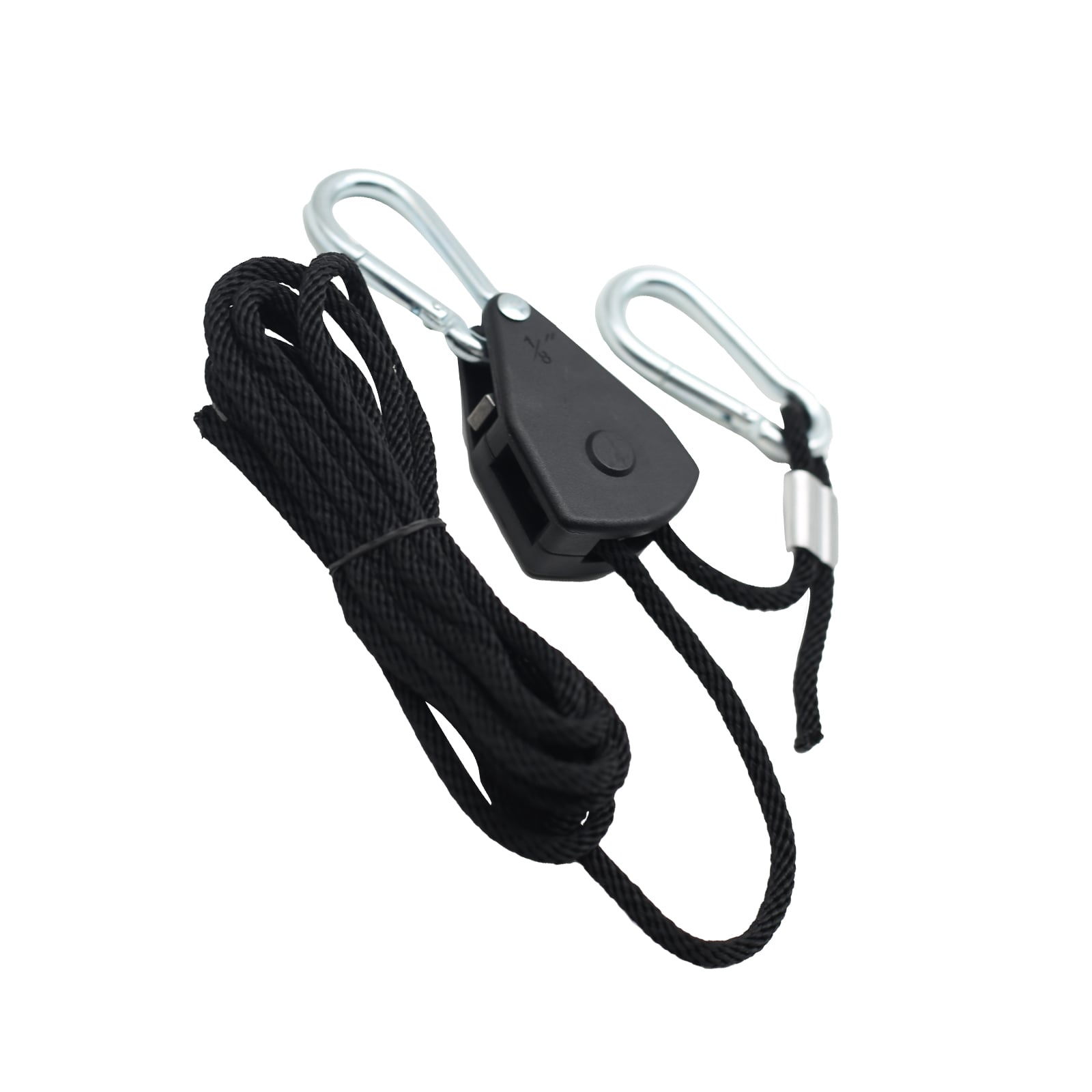
Every hauler who has wrestled with tangled knots on a job site knows that a good tie down rope system should work for you, not against you. Knot-free methods are changing the way professionals and weekend haulers secure cargo, cutting setup time dramatically while improving load stability. Whether you are moving equipment on a flatbed or loading motorcycles onto a trailer, understanding how to use a tie down rope without traditional knots can make every trip faster and far less frustrating.
The core promise of knot-free tie down rope techniques is simple: faster release and consistent tension without the guesswork that knots introduce. A poorly tied knot can loosen under vibration, while an overtightened knot can damage rope fibers and reduce the working load limit of your tie down rope over time. Knot-free approaches rely on purpose-built hardware and smart routing methods that eliminate both problems, giving you repeatable results every time you load up.
Why Knot-Free Methods Improve Tie Down Rope Performance
The Mechanical Advantage of Hardware Over Knots
When you tie a knot in a tie down rope, you immediately reduce its rated strength at the knot point. Industry guidance consistently shows that common knots can reduce rope strength by a significant margin because fibers compress unevenly under load. By contrast, using D-ring anchors, cam buckles, or ratchet-style tensioners with your tie down rope distributes load across a broader contact area. This means your tie down rope retains more of its rated working load capacity throughout the entire securing process.
Hardware-based systems also allow you to release a tie down rope in seconds. On a busy job site, that speed adds up across dozens of loads per week. A tie down rope with a cam buckle can be threaded, tensioned, and released without any knot-tying skill, making it accessible to new team members while maintaining consistent safety standards. The tie down rope does the mechanical work, and you stay in control of the tension level at all times.
Vibration Resistance and Load Stability
Road vibration is one of the most underestimated threats to cargo security. A tie down rope secured with a standard knot will experience micro-movements during transit that can cause the knot to creep and loosen. Hardware-anchored tie down rope systems, by contrast, hold their set tension through vibration because the locking mechanism does not rely on friction between rope fibers. This is especially important when hauling heavy or irregularly shaped loads where shifting can be dangerous.
Practical Tie Down Rope Setup Tips for Trailers
Choosing the Right Attachment Points
The effectiveness of any knot-free tie down rope method depends heavily on the anchor points you choose. D-rings welded or bolted to a trailer frame are the preferred anchor for a tie down rope because they offer a defined, rated attachment point. Always inspect D-ring anchors before threading your tie down rope through them. Look for deformation, surface rust at stress points, or loose mounting hardware. A compromised anchor will fail before a quality tie down rope does, so the anchor is just as critical as the rope itself.
Routing your tie down rope at angles that create opposing tension vectors is the most effective way to prevent load shift. For example, on a flatbed trailer, crossing two tie down rope runs diagonally over a load creates both downward and lateral resistance. This technique, often called an 'X-pattern' or cross-tie method, is widely used in professional hauling because it controls movement in multiple directions simultaneously without requiring any knots in the tie down rope.
Maintaining Consistent Tension Across Multiple Tie Down Ropes
When using multiple tie down rope sections on a single load, consistent tension across all points is essential. If one tie down rope is significantly tighter than the others, the load may pivot or tilt during transit. Start by hand-tightening each tie down rope to a similar feel before using any mechanical tensioner. Then apply final tension evenly, working from one end of the load to the other. This systematic approach prevents uneven pressure that could damage delicate cargo surfaces or concentrate stress at one anchor point.
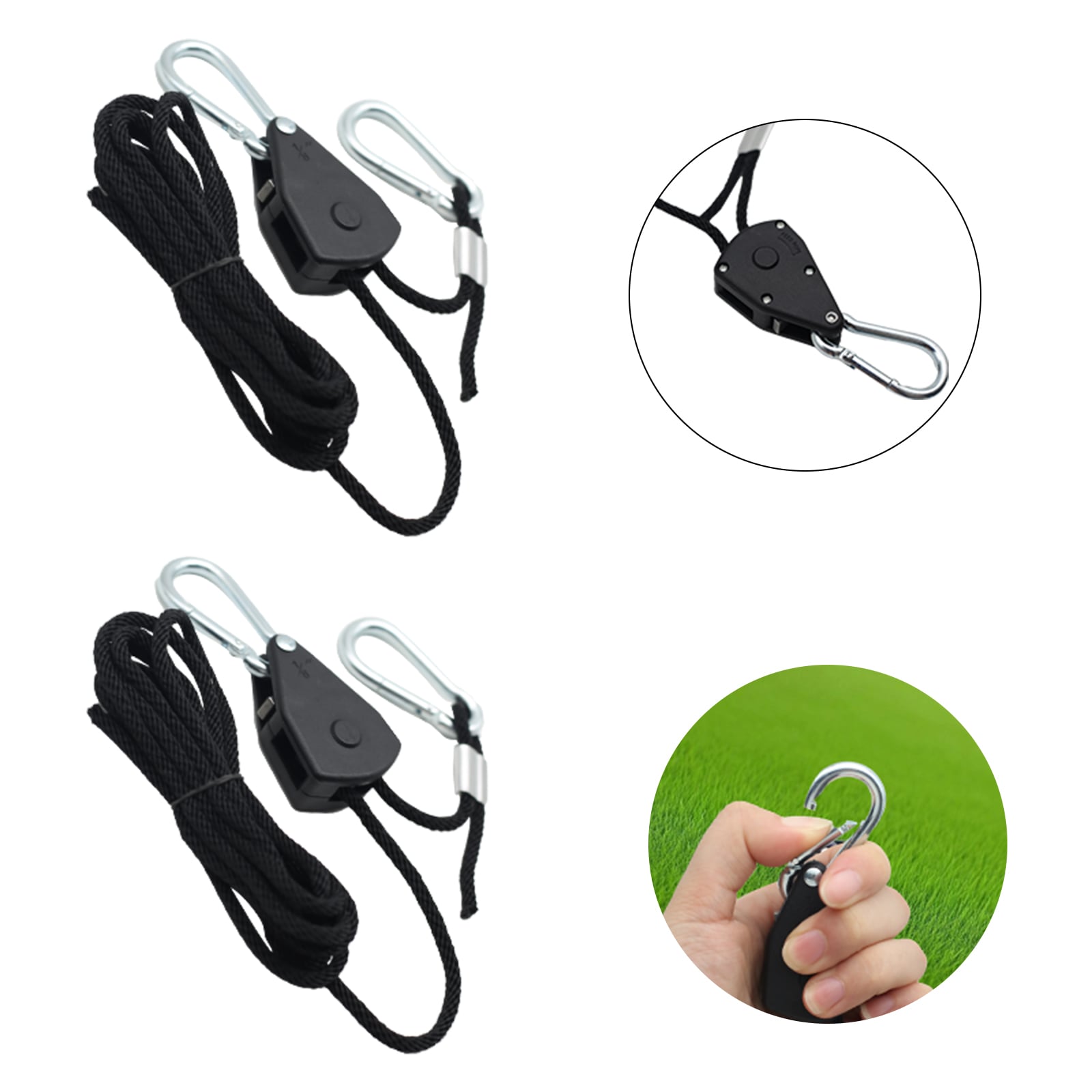
Check each tie down rope again after your first few miles of travel. It is normal for load materials to settle slightly, which can reduce rope tension. A quick roadside check and re-tension of each tie down rope ensures the load remains secure for the full journey. Building this habit into your workflow takes only minutes and can prevent costly cargo damage or road hazards.
Extending the Life of Your Tie Down Rope
Inspection and Storage Best Practices
A tie down rope is a safety-critical tool, and its condition directly affects how well it performs in knot-free applications. Inspect your tie down rope before each use. Look for fraying at the ends, abrasion damage along the body, and stiffness or discoloration that may indicate UV degradation or chemical exposure. A tie down rope showing any of these signs should be retired from load-securing use immediately, regardless of how many knot-free cycles it has remaining.
When storing a tie down rope, avoid coiling it tightly or leaving it in direct sunlight for extended periods. UV radiation breaks down synthetic rope fibers over time, reducing the working strength of your tie down rope even if it looks intact on the surface. Loose coiling or using a storage bag extends the practical life of each tie down rope and keeps the fibers flexible for consistent performance. Clean your tie down rope periodically with mild soap and water to remove grit and road chemicals that accelerate wear.
When to Replace a Tie Down Rope
Knowing when a tie down rope has reached the end of its service life is just as important as proper technique. As a general guideline, any tie down rope that has been involved in a load failure event, even if it appears undamaged, should be replaced. Internal fiber damage from sudden shock loading is not always visible from the outside. Similarly, a tie down rope that consistently feels stiffer or shows reduced elasticity compared to a new rope of the same type may have lost enough integrity to warrant replacement. Investing in a fresh tie down rope is far less costly than the consequences of a mid-transit failure.
FAQ
Can any tie down rope be used with knot-free hardware systems?
Most modern tie down rope products are compatible with cam buckles, D-ring anchors, and ratchet tensioners as long as the rope diameter fits the hardware channel. Always confirm that the tie down rope diameter and working load rating match the hardware specifications before combining them in a load-securing setup.
How many tie down rope sections do I need for a standard trailer load?
The number of tie down rope sections required depends on the weight, size, and shape of your cargo. As a practical starting point, use at least one tie down rope per anchor point and aim for a combined working load rating that exceeds your total cargo weight. Consult transport safety guidelines relevant to your region for specific requirements.
Does a knot-free tie down rope setup work for off-road or rough terrain hauling?
Yes. Knot-free tie down rope systems using quality hardware are actually better suited to rough terrain than traditional knot-based methods. Hardware tensioners maintain consistent tension through vibration and impact, whereas knots may loosen more rapidly under the aggressive movement patterns typical of off-road hauling conditions. Ensure your tie down rope and all hardware components are rated for the load and the conditions you expect to encounter.
