
 EN
EN
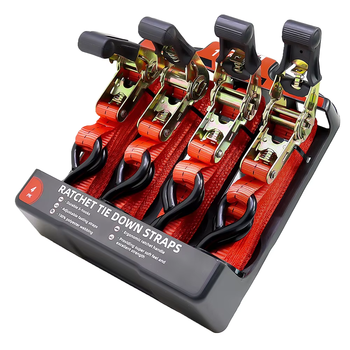
Knowing when to replace your tie down straps is one of the most important safety habits any hauler can develop. Tie down straps are the front line of cargo protection on every trip, whether you are moving vehicles, equipment, lumber, or freight. Yet many people continue using tie down straps that are long past their safe service life, simply because the damage is not always obvious at first glance. A proactive DIY inspection routine can prevent dangerous load shifts, costly accidents, and legal liability on the road.
Tie down straps are subject to constant mechanical stress, UV exposure, moisture, and abrasion. Even high-quality tie down straps have a finite lifespan. The five warning signs outlined in this guide will help you make a confident, informed decision about whether your tie down straps are still fit for use or need to be replaced before your next haul. Taking ten minutes before every trip to inspect your tie down straps can make the difference between a safe delivery and a serious roadside incident.
Webbing Damage That Compromises Tie Down Straps
Cuts, Fraying, and Abrasion on the Strap Webbing
The webbing is the core structural element of all tie down straps, and any visible damage to it is an immediate red flag. Run your fingers along the full length of your tie down straps and look carefully for cuts, nicks, or slices. Even a small cut across the weave of tie down straps can reduce their working load limit by a significant margin. Frayed edges are another common sign of wear, particularly on tie down straps that have been dragged across rough metal surfaces or sharp cargo edges.
Abrasion is equally serious. When tie down straps repeatedly rub against a trailer frame, wheel hub, or unpadded cargo corner, the fibers thin out and weaken. You may notice a fuzzy or 'worn through' texture on affected areas of your tie down straps. If the webbing shows thinning, discoloration from heat friction, or visible fiber separation, those tie down straps should be removed from service immediately. Replacing tie down straps at this stage is far less costly than dealing with a dropped load.
UV Degradation and Color Fading in Tie Down Straps
Prolonged UV exposure causes the polyester fibers in tie down straps to break down at a molecular level. Faded or bleached coloring on tie down straps is not just cosmetic. It signals that the polymer structure has degraded, which directly affects the tensile strength of the tie down straps. Stiff, brittle webbing that cracks or does not flex smoothly when folded is another indicator of UV damage. Tie down straps stored outdoors or used in high-sun environments are especially vulnerable to this form of deterioration.
Hardware Failures on Tie Down Straps
Bent, Cracked, or Corroded Hooks and Buckles
The metal hardware on tie down straps — including hooks, J-hooks, flat hooks, and ratchet mechanisms — must be in perfect working condition to hold a load safely. Inspect the hooks on your tie down straps for any bending, cracking, or deformation. A bent hook means the hardware has already been overloaded at some point, and it cannot be trusted to hold rated capacity again. Tie down straps with bent hooks should be replaced, not straightened and reused.
Corrosion is another major hardware issue for tie down straps, especially in coastal environments or on flatbeds exposed to road salt. Surface rust may seem minor, but heavy rust pitting on tie down straps weakens the metal and makes hooks brittle. Test each hook for smooth movement. If the hook on your tie down straps feels stiff, grinds, or shows rust flaking inside the mechanism, those tie down straps have reached the end of their service life.
Ratchet Mechanism Problems in Tie Down Straps
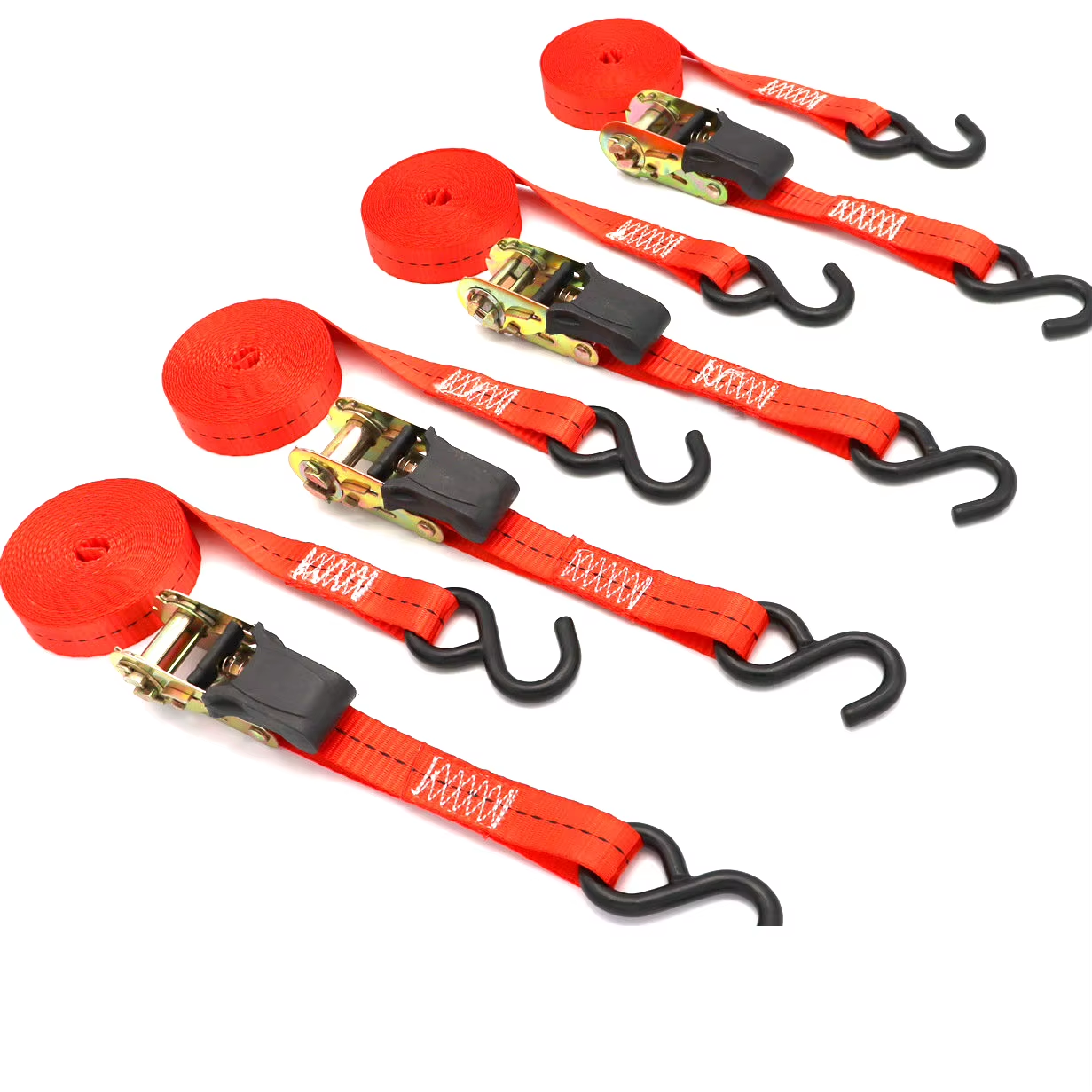
Ratchet-style tie down straps rely on a precise pawl-and-gear mechanism to maintain tension. If your tie down straps release tension unexpectedly, fail to ratchet smoothly, or click without engaging properly, the ratchet mechanism is compromised. Operating tie down straps with a faulty ratchet is dangerous because the load can loosen during transit without any warning. A ratchet that skips teeth or requires excessive force to operate is signaling that the tie down straps need replacement, not just lubrication.
Load Capacity and Label Concerns on Tie Down Straps
Missing or Unreadable Working Load Limit Labels
Every set of compliant tie down straps must display a working load limit label. This label tells the operator exactly how much tension the tie down straps are rated to apply and the maximum load they can secure. Over time, these labels on tie down straps can wear off, fade beyond legibility, or become detached. Without a readable label, you have no reliable way to confirm whether your tie down straps are appropriate for the load at hand. Regulations in most jurisdictions require that tie down straps in commercial use carry a legible working load limit tag. If the label is missing, retire those tie down straps.
Previous Overloading Indicators on Tie Down Straps
Tie down straps that have been overloaded may not always show dramatic external damage, but the internal fiber structure is permanently stressed. Signs of past overloading in tie down straps include elongated or distorted webbing that does not return to its original flat shape, unusual creasing across the strap width, and permanent impressions or grooves in the webbing near the hardware attachment points. If your tie down straps have these characteristics, their rated capacity can no longer be trusted. Replacing tie down straps after a known overload event is not optional — it is a safety necessity.
FAQ
How often should I inspect my tie down straps?
You should inspect your tie down straps before every use. A quick visual and tactile check of the webbing, hardware, and labels on your tie down straps takes only a few minutes and is the most effective way to catch damage before it becomes a hazard. For tie down straps used in heavy commercial applications, a more thorough documented inspection is recommended after every major haul.
Can I repair damaged tie down straps instead of replacing them?
No. Damaged tie down straps should never be repaired and put back into service. Splicing, stitching, or patching the webbing on tie down straps does not restore their original rated strength. Similarly, straightening bent hooks or repainting corroded hardware on tie down straps does not make them safe again. Once tie down straps show structural damage, the only correct action is replacement with a properly rated set.
What is the typical service life of tie down straps?
The service life of tie down straps varies depending on usage frequency, load conditions, storage practices, and environmental exposure. As a general guideline, tie down straps used in regular commercial hauling should be evaluated for replacement every one to two years. However, any tie down straps showing the warning signs described in this guide should be replaced immediately, regardless of their age. Always prioritize the physical condition of your tie down straps over calendar-based replacement alone.
