
 EN
EN
Transporting a kayak without a roof rack can feel like a challenge, but the right set of tie down straps makes the process straightforward and safe. Many paddlers assume a dedicated roof rack system is mandatory, yet skilled kayakers regularly haul their boats using only reliable tie down straps, foam blocks, and a solid understanding of load-securing fundamentals. When used correctly, tie down straps deliver the tension control and stability needed to protect both your kayak and other road users.
This guide walks through exactly how to use tie down straps to secure a kayak on a vehicle that has no roof rack. You will learn which type of tie down straps to select, how to position foam blocks as a substitute support system, how to route and tension your tie down straps correctly, and how to verify that everything stays secure on the road. Whether you drive a sedan, an SUV, or a truck, the principles of using tie down straps for rackless kayak transport remain consistent and achievable for any driver willing to follow the correct steps.
Choosing the Right Tie Down Straps for Kayak Transport
Strap Type and Load Rating
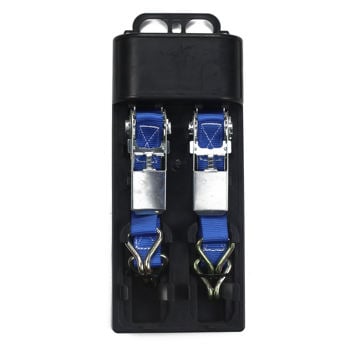
Not every set of tie down straps is built for the same job. For kayak transport without a roof rack, cam buckle tie down straps are the most recommended choice because they apply controlled, even tension without the risk of over-tightening that comes with ratchet-style tie down straps. Ratchet tie down straps are powerful, but that power can crush or warp a kayak hull if the user cranks too much tension. Cam buckle tie down straps let you apply firm, consistent pressure while protecting the boat's structure. Look for tie down straps rated to handle at least 500 pounds of working load capacity, which comfortably exceeds the weight of most recreational kayaks.
Strap Length and Material
Tie down straps used for rackless kayak setups should be at least 12 feet long so they can loop completely over the kayak and reach anchor points on both sides of the vehicle. Polyester webbing is the preferred material for tie down straps in outdoor applications because it resists UV degradation, absorbs minimal moisture, and maintains consistent tensile strength even after repeated use in wet conditions. Avoid tie down straps made from polypropylene if you regularly paddle in saltwater environments, as that material degrades faster with sun and salt exposure. Always inspect your tie down straps before each trip for fraying, cuts, or weakened buckles.
Preparing Your Vehicle and Kayak for Rackless Transport
Setting Up Foam Blocks as a Support Base
Without a roof rack, foam blocks serve as the critical interface between your kayak and your vehicle's roof. Position two foam blocks on the roof, spaced roughly at the front and rear thirds of the kayak's length. These blocks protect the roof's paint and create a stable cradle shape that helps the kayak resist side-to-side movement before your tie down straps are even applied. Many paddlers use purpose-designed kayak foam blocks that have a slight concave shape to grip the hull, but dense camping foam cut to size works effectively as well. The foam blocks stay in place because the tie down straps hold the entire assembly together under tension.
Positioning the Kayak Correctly
Place the kayak hull-side down on the foam blocks so the cockpit faces upward. Center the kayak left-to-right on the vehicle roof so an equal overhang exists on both sides if any overhang is present. Front-to-rear positioning matters too: the kayak should extend no more than the legally permitted overhang distance beyond the rear bumper, and the front should not obstruct the driver's vision or encroach over the windshield. A well-centered kayak distributes weight evenly across the tie down straps and reduces the leverage forces that could shift the load during highway driving. Taking a minute to position the kayak precisely before applying tie down straps saves considerable hassle later.
Routing and Tensioning Tie Down Straps Correctly
The Main Over-Kayak Straps
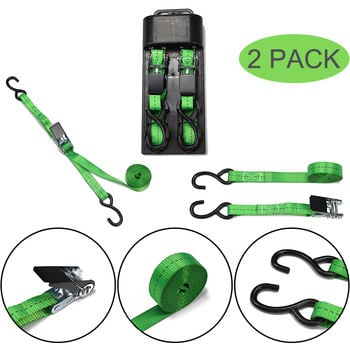
Run two tie down straps over the kayak, one near the front foam block and one near the rear foam block. Open the vehicle doors to route each strap through the interior of the car and secure the ends to the door frame sill or to purpose-built anchor loops if your vehicle has them. Do not hook tie down straps to external trim pieces, spoilers, or bumper edges, as these attachment points are not designed to bear the lateral and vertical loads that tie down straps generate at highway speeds. Once routed, apply tension to each set of tie down straps evenly. The kayak should feel firm and resist any rocking when you push down on it by hand. Check that the buckles on your tie down straps are resting on the side of the kayak rather than on the roof of the car.
Bow and Stern Safety Lines
In addition to the main over-kayak tie down straps, always attach bow and stern safety lines. These are separate tie down straps or ropes that run from the front tip of the kayak down to the front tow hook or bumper bracket and from the rear tip down to the rear anchor point. Bow and stern lines prevent the kayak from pitching forward under emergency braking or lifting at the rear when accelerating. Without these secondary tie down straps, even perfectly tensioned main straps may allow dangerous kayak movement. Use the same quality of tie down straps for bow and stern lines as you use for the main body straps to ensure a consistent and reliable securing system across the entire load.
FAQ
Can tie down straps damage a kayak hull during transport?
Tie down straps can damage a kayak hull if over-tightened or if hard buckles press directly onto the plastic surface. Using foam blocks under the kayak and applying only firm but not extreme tension through cam buckle tie down straps prevents hull deformation. Always ensure the buckle hardware of your tie down straps rests against padding or sits on the side of the boat rather than the flat hull surface.
How many tie down straps do I need to transport a kayak without a roof rack?
A minimum of four tie down straps is recommended for rackless kayak transport: two main over-kayak tie down straps and two bow or stern safety tie down straps. Using four tie down straps distributes the securing load across multiple contact points and provides redundancy if one strap loosens during a long drive. More tie down straps are not harmful as long as each one is properly tensioned without crushing the hull.
How often should I check my tie down straps during a trip?
Stop and inspect your tie down straps every 30 to 60 minutes on a long trip, especially after the first 15 minutes of driving when initial settling of the load occurs. Highway vibrations and wind pressure can cause tie down straps to loosen gradually. A quick roadside check to re-tension any slack in your tie down straps takes less than two minutes and is the single most effective way to ensure safe kayak transport for the entire journey.
