 EN
EN
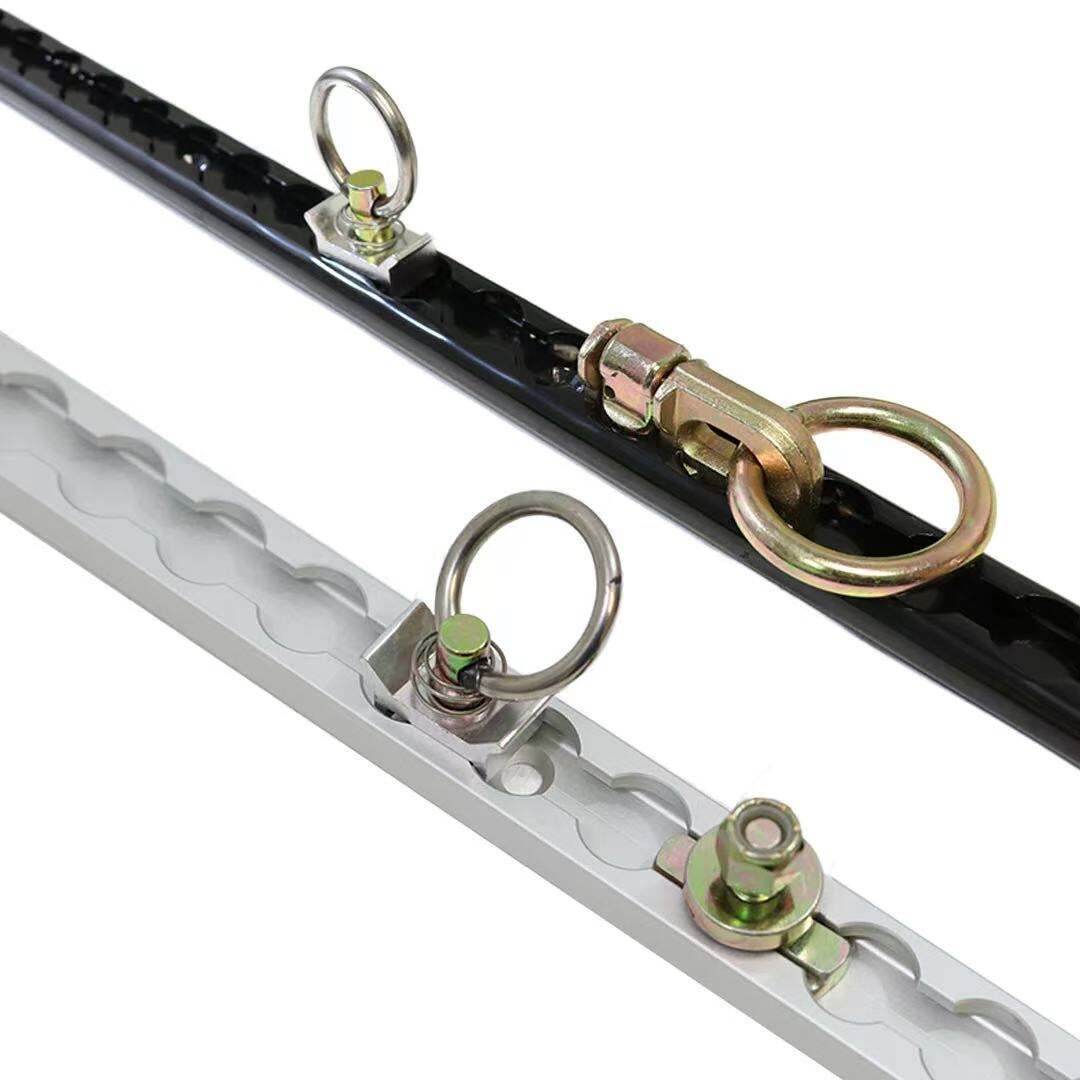
The transportation industry has continuously evolved to meet the growing demands for safer, more efficient cargo handling solutions. Among the most significant innovations in this space are L-track systems, which have revolutionized how goods are secured during transit. These specialized mounting systems offer unparalleled versatility and reliability, making them indispensable for various transportation applications. Whether you're dealing with commercial shipping, emergency services, or recreational vehicle outfitting, L-track systems provide the foundation for secure and flexible cargo management that adapts to diverse operational requirements.
Understanding L-Track System Architecture and Design
Structural Components and Engineering Principles
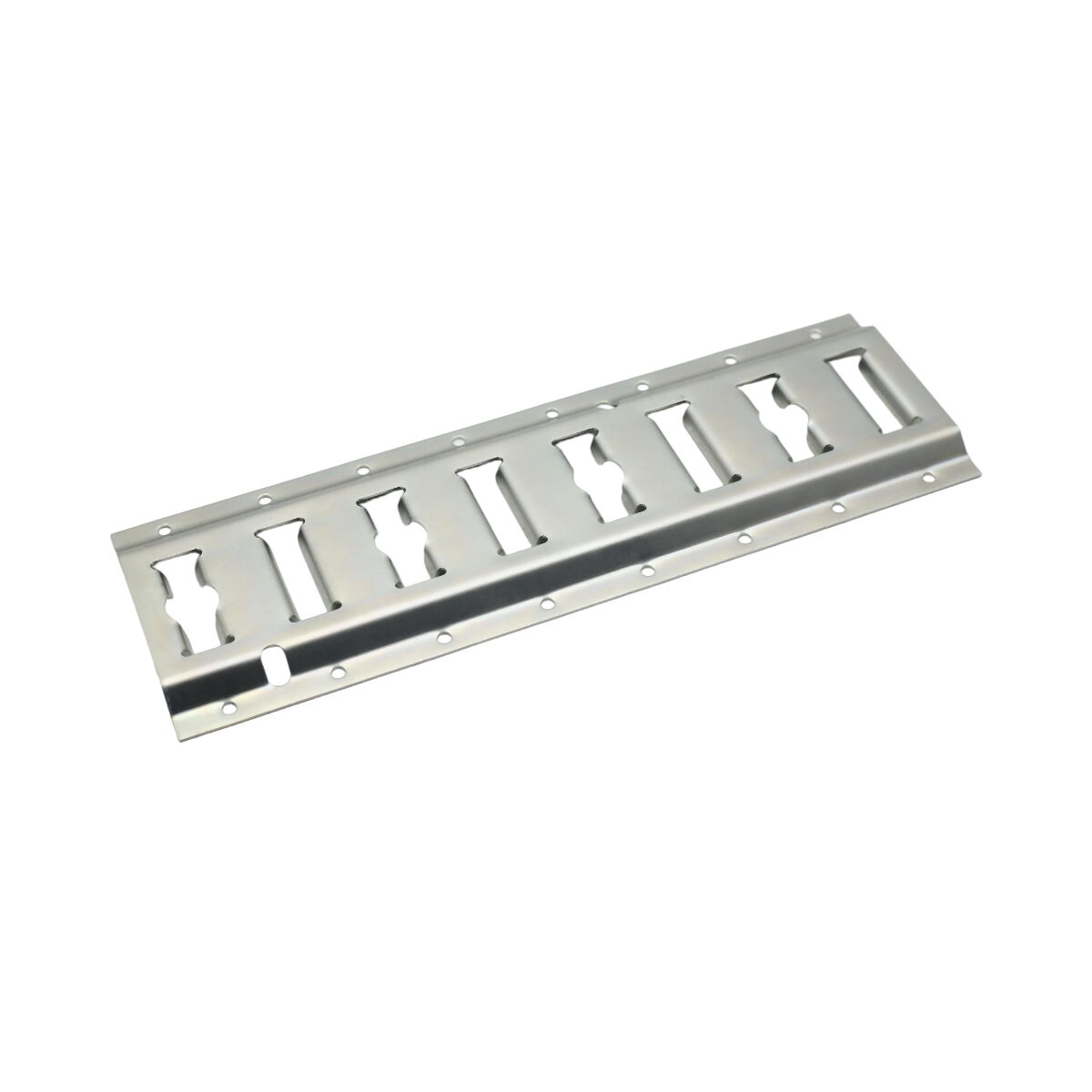
L-track systems derive their name from their distinctive L-shaped cross-sectional profile, which provides exceptional strength and mounting versatility. The design incorporates precision-engineered aluminum or steel construction that creates multiple anchor points along the track length. This innovative profile allows for horizontal and vertical mounting configurations, enabling users to secure equipment and cargo at virtually any position along the track. The engineering behind L-track systems focuses on distributing load forces evenly across the mounting surface, reducing stress concentrations and enhancing overall system durability.
The modular nature of L-track systems allows for customizable installations that can be tailored to specific vehicle dimensions and operational requirements. Each track section features standardized mounting holes and connection points that facilitate seamless integration with existing vehicle structures. The precision manufacturing process ensures consistent tolerances and compatibility between different system components, making expansion and modification straightforward. Advanced surface treatments and protective coatings further enhance the longevity and performance of L-track systems in challenging transportation environments.
Material Selection and Quality Standards
The choice of materials in L-track systems directly impacts their performance, durability, and suitability for different transportation applications. High-grade aluminum alloys are commonly used for their excellent strength-to-weight ratio, corrosion resistance, and ease of fabrication. These materials undergo rigorous testing to ensure they meet or exceed industry standards for load-bearing capacity and environmental resistance. Steel variants are available for applications requiring maximum strength, particularly in heavy-duty commercial and industrial transportation scenarios.
Quality control measures throughout the manufacturing process ensure that each L-track system component meets strict dimensional and performance criteria. Surface treatments such as anodizing, powder coating, or galvanizing provide additional protection against corrosion and wear, extending the operational life of the system. The material selection process also considers factors such as thermal expansion, chemical compatibility, and maintenance requirements to ensure optimal performance across diverse operating conditions.
Versatility and Adaptability in Transportation Applications
Multi-Purpose Mounting Solutions
One of the most compelling advantages of L-track systems lies in their exceptional versatility for mounting diverse equipment and accessories. Unlike traditional fixed mounting points, L-track systems provide continuous adjustment possibilities along the entire track length. This flexibility allows users to reconfigure their setups quickly and efficiently based on changing cargo requirements or operational needs. Emergency services, commercial transport operators, and recreational vehicle owners all benefit from this adaptability, as they can optimize their vehicle layouts for maximum efficiency and functionality.
The universal compatibility of L-track systems with various mounting hardware and accessories creates endless configuration possibilities. Standard tie-down points, brackets, shelving systems, and specialized equipment mounts can all be integrated seamlessly into the track system. This modularity eliminates the need for permanent modifications to vehicle structures, preserving resale value while providing maximum operational flexibility. The ability to quickly relocate or remove mounted components makes L-track systems particularly valuable for multi-purpose vehicles that serve different functions throughout their operational lifecycle.
Scalability and System Expansion
L-track systems offer exceptional scalability, allowing users to start with basic configurations and expand their systems as requirements grow or change. The modular design philosophy means that additional track sections, mounting hardware, and accessories can be integrated seamlessly into existing installations. This scalability is particularly beneficial for growing businesses or organizations that need to adapt their transportation capabilities over time without completely redesigning their vehicle layouts.
The standardized connection methods used in L-track systems ensure compatibility between different manufacturers and product lines, providing users with extensive options for system enhancement and customization. This interoperability reduces procurement complexity and allows organizations to source components from multiple suppliers while maintaining system integrity. The ability to expand and modify L-track installations also supports evolving operational requirements, making these systems a cost-effective long-term investment for transportation applications.
Enhanced Safety and Security Features
Superior Load Distribution and Stability
Safety considerations are paramount in transportation applications, and L-track systems deliver exceptional performance in this critical area. The continuous mounting surface provided by L-track systems distributes loads more evenly than traditional discrete mounting points, reducing stress concentrations and improving overall system reliability. This enhanced load distribution minimizes the risk of component failure and provides more predictable performance under varying load conditions. The ability to position tie-down points precisely where needed ensures optimal load securement geometry, further enhancing transportation safety.
The robust construction of L-track systems provides reliable anchor points that can withstand significant forces during normal operation and emergency situations. The track profile itself serves as a structural element that can contribute to overall vehicle rigidity and stability. Advanced engineering analysis and testing ensure that L-track systems meet or exceed relevant safety standards and regulatory requirements for transportation applications. This compliance provides peace of mind for operators and helps ensure regulatory compliance across different jurisdictions and applications.
Secure Cargo Management Capabilities
Effective cargo securement is essential for safe transportation, and L-track systems provide superior capabilities in this area. The continuous track design allows for optimal placement of tie-down points and securing hardware, enabling users to create custom securement patterns that match their specific cargo characteristics. This flexibility is particularly valuable when transporting irregularly shaped items or mixed loads that require different securing strategies. The ability to adjust and optimize securement points helps prevent cargo shift and damage during transit.
The precision-engineered connection points in L-track systems provide secure attachment for various tie-down hardware, including straps, chains, and specialized securing devices. The consistent engagement between mounting hardware and track ensures reliable performance under dynamic loading conditions typical of transportation environments. Quick-release mechanisms and tool-free adjustments available with many L-track accessories enable rapid reconfiguration while maintaining security standards. This combination of security and convenience makes L-track systems ideal for time-sensitive transportation operations.
Installation Efficiency and Maintenance Benefits
Streamlined Installation Processes
The installation of L-track systems has been optimized for efficiency and ease of implementation across various vehicle types and applications. Pre-engineered mounting solutions and detailed installation guides reduce the complexity and time required for system deployment. The modular design allows for phased installations, enabling operators to implement L-track systems gradually without significant operational disruption. This approach is particularly beneficial for fleet operations where minimizing vehicle downtime is crucial for maintaining operational efficiency.
Professional installation services and comprehensive technical support ensure that L-track systems are properly integrated into vehicle structures for optimal performance and safety. The availability of vehicle-specific mounting kits and accessories simplifies the selection process and reduces installation complexity. Quality installation practices, combined with the inherent reliability of L-track systems, result in long-term performance that justifies the initial investment. The standardized nature of L-track installations also facilitates quality control and consistency across multiple vehicles or installations.
Minimal Maintenance Requirements
L-track systems are designed for minimal maintenance requirements, reducing long-term operational costs and maximizing system availability. The robust materials and protective coatings used in L-track construction resist corrosion, wear, and environmental degradation, extending service life and reducing replacement frequency. Regular inspection and basic cleaning are typically sufficient to maintain optimal system performance, making L-track systems cost-effective over their operational lifetime.
The accessibility of L-track systems facilitates routine maintenance activities and component replacement when necessary. Modular design principles mean that individual components can be serviced or replaced without affecting the entire system, minimizing maintenance costs and downtime. Preventive maintenance procedures are straightforward and can often be performed by in-house personnel with basic training, reducing dependence on specialized service providers. This maintenance efficiency contributes to the overall value proposition of L-track systems in transportation applications.
Cost-Effectiveness and Return on Investment
Economic Advantages in Fleet Operations
The economic benefits of L-track systems extend far beyond their initial purchase price, delivering substantial value through improved operational efficiency and reduced long-term costs. Fleet operators consistently report significant savings in vehicle modification expenses, as L-track systems eliminate the need for custom fabrication and permanent alterations to vehicle structures. The ability to reconfigure vehicle layouts quickly and efficiently reduces downtime and increases asset utilization, directly impacting operational profitability. These systems also preserve vehicle resale value by avoiding irreversible modifications that could limit future market appeal.
The standardization provided by L-track systems reduces training requirements and operational complexity across fleet operations. Personnel can quickly become proficient with the system, reducing the learning curve associated with different vehicle configurations. This standardization also simplifies procurement processes and reduces inventory requirements for spare parts and accessories. The versatility of L-track systems means that a single vehicle configuration can handle multiple operational roles, maximizing fleet flexibility and reducing the total number of specialized vehicles required.
Long-Term Value and Performance
The durability and longevity of L-track systems contribute significantly to their overall value proposition in transportation applications. High-quality materials and precision manufacturing result in systems that maintain their performance characteristics over extended operational periods, reducing replacement costs and minimizing operational disruption. The modular design allows for selective component replacement as needed, avoiding the expense of complete system replacement and extending overall service life.
Investment in L-track systems often pays for itself through improved operational efficiency, reduced cargo damage, and enhanced safety performance. The ability to optimize cargo securement and vehicle utilization leads to measurable improvements in transportation economics. Insurance benefits may also be realized through enhanced safety performance and reduced claim frequency. The comprehensive value delivered by L-track systems makes them a sound investment for organizations seeking to optimize their transportation operations while maintaining high safety and performance standards.
Industry-Specific Applications and Use Cases
Emergency Services and Public Safety
Emergency services organizations have embraced L-track systems for their exceptional flexibility and reliability in critical operational environments. Fire departments, emergency medical services, and law enforcement agencies rely on these systems to securely mount essential equipment while maintaining the ability to reconfigure layouts as operational requirements evolve. The rapid deployment capabilities of L-track systems are particularly valuable in emergency response scenarios where equipment accessibility and secure mounting are paramount for effective operations.
The robust construction and reliable performance of L-track systems make them ideal for the demanding conditions faced by emergency services vehicles. These systems must perform flawlessly under extreme conditions, including high-speed operation, severe weather, and intense operational stress. L-track systems have proven their reliability in these challenging environments, providing the secure mounting foundation necessary for life-saving equipment and ensuring that critical resources remain accessible when needed most. The ability to quickly reconfigure equipment layouts also supports operational flexibility in dynamic emergency response situations.
Commercial Transportation and Logistics
The commercial transportation industry has recognized L-track systems as essential tools for optimizing cargo handling efficiency and ensuring secure transportation of diverse goods. Delivery services, freight carriers, and specialized transport operations benefit from the flexibility and reliability provided by these systems. The ability to quickly reconfigure cargo securement points and mounting arrangements enables operators to handle mixed loads efficiently while maintaining high safety standards throughout the transportation process.
L-track systems support the growing trend toward multi-modal transportation by providing standardized mounting solutions that work across different vehicle types and operational scenarios. This standardization reduces training requirements and simplifies operational procedures for personnel who work with multiple vehicle configurations. The enhanced cargo securement capabilities of L-track systems also help reduce damage claims and improve customer satisfaction by ensuring that goods arrive in optimal condition. These operational benefits translate directly into improved profitability and competitive advantage for commercial transportation operators.
FAQ
What load capacities can L-track systems handle safely
L-track systems are engineered to handle substantial load capacities, with most standard systems rated for working loads ranging from 500 to 2,000 pounds per linear foot, depending on the specific track profile and mounting configuration. Heavy-duty variants can accommodate even higher loads, with some systems certified for working loads exceeding 3,000 pounds per foot. The actual load capacity depends on factors such as track material, mounting method, load distribution, and safety factors required for the specific application. Professional engineering analysis should be conducted for critical or high-load applications to ensure proper system selection and installation.
How do L-track systems compare to traditional tie-down methods in terms of installation time
L-track systems typically reduce installation time by 60-80% compared to traditional discrete tie-down point installation methods. While initial track installation requires careful planning and precision mounting, the continuous nature of the system eliminates the need for individual anchor point installation throughout the vehicle. Once the track is installed, mounting accessories and tie-down points can be positioned and repositioned in minutes without tools or vehicle modifications. This efficiency is particularly beneficial for fleet operations where minimizing vehicle downtime is crucial for maintaining operational schedules and profitability.
What maintenance procedures are required to keep L-track systems functioning optimally
L-track systems require minimal maintenance, typically consisting of regular visual inspections, periodic cleaning, and occasional lubrication of moving components. Monthly inspections should check for track damage, loose mounting hardware, and proper operation of adjustable components. Cleaning involves removing debris from track channels and wiping down surfaces with appropriate cleaning solutions. Annual detailed inspections should include checking mounting bolt torque and examining track integrity under load conditions. Most maintenance activities can be performed by in-house personnel with basic mechanical skills, reducing long-term operational costs.
Are L-track systems compatible with existing vehicle mounting hardware and accessories
Modern L-track systems utilize standardized dimensions and connection methods that ensure broad compatibility with existing mounting hardware and accessories from multiple manufacturers. The industry has converged on common track profiles and connection standards that facilitate interoperability between different product lines. However, it is important to verify compatibility specifications when mixing components from different manufacturers or when integrating legacy hardware. Most L-track system suppliers provide compatibility guides and adapter hardware to facilitate integration with existing equipment, ensuring that investments in current hardware can be preserved during system upgrades.
Table of Contents
- Understanding L-Track System Architecture and Design
- Versatility and Adaptability in Transportation Applications
- Enhanced Safety and Security Features
- Installation Efficiency and Maintenance Benefits
- Cost-Effectiveness and Return on Investment
- Industry-Specific Applications and Use Cases
-
FAQ
- What load capacities can L-track systems handle safely
- How do L-track systems compare to traditional tie-down methods in terms of installation time
- What maintenance procedures are required to keep L-track systems functioning optimally
- Are L-track systems compatible with existing vehicle mounting hardware and accessories