 EN
EN
Industrial operations across manufacturing, construction, and maintenance sectors rely heavily on specialized lifting equipment to ensure safe and efficient workflows. Among the most crucial tools in these environments are jacks, which provide reliable mechanical advantage for lifting, supporting, and positioning heavy loads with precision. These versatile devices have become indispensable components in modern industrial applications, offering engineers and technicians the ability to handle substantial weights while maintaining strict safety protocols. The evolution of jacks technology has transformed how industrial facilities approach heavy lifting tasks, making previously challenging operations more manageable and cost-effective.
Types of Industrial Jacks and Their Applications
Hydraulic Jacks in Heavy Manufacturing
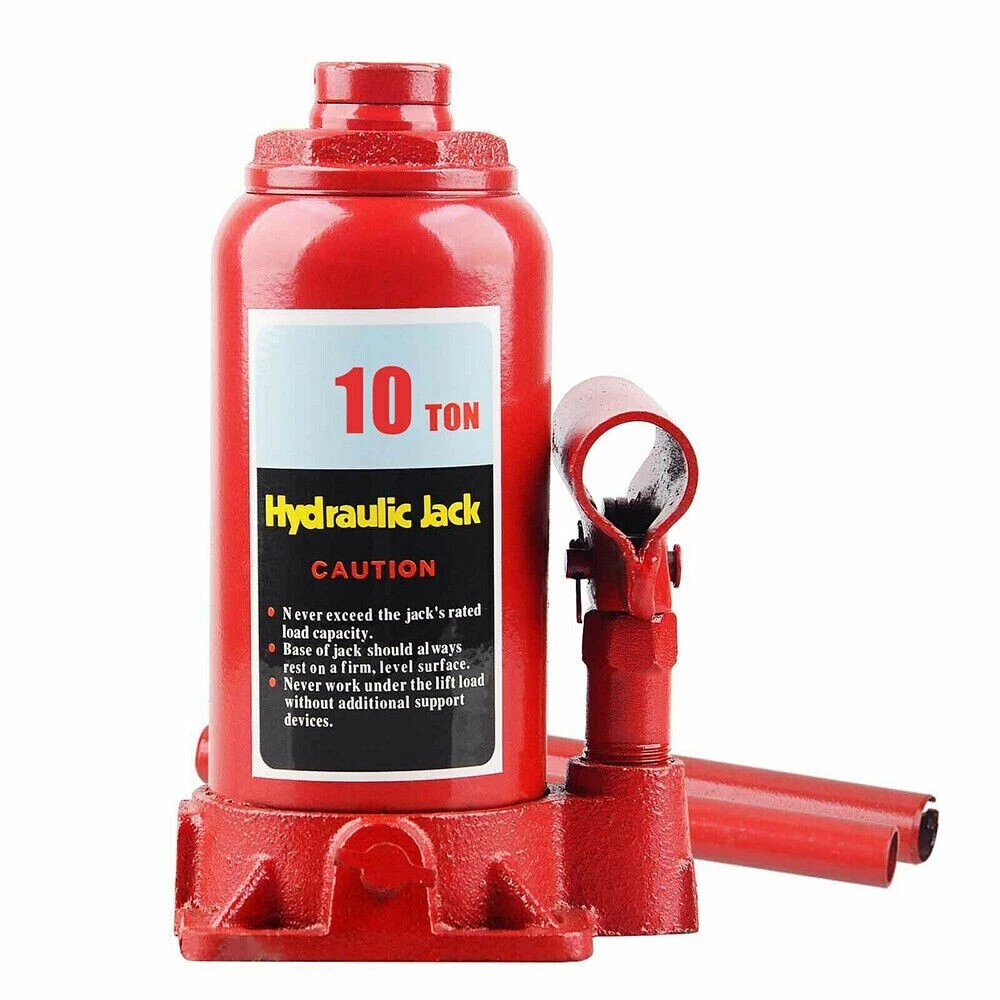
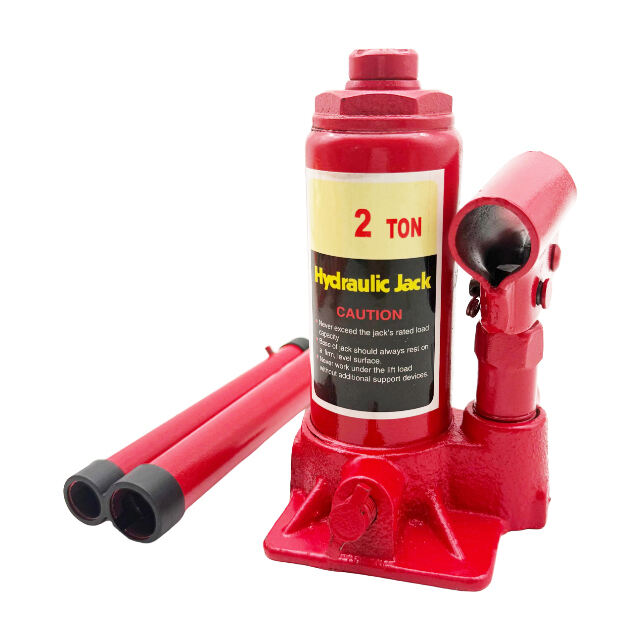
Hydraulic jacks represent the backbone of industrial lifting operations, utilizing fluid pressure principles to generate tremendous lifting force with minimal operator effort. These powerful devices excel in manufacturing environments where consistent, controlled lifting is essential for assembly line operations and machinery maintenance. The hydraulic mechanism allows operators to achieve precise positioning while handling loads that would be impossible to move manually, making these jacks particularly valuable in automotive manufacturing and heavy equipment production facilities.
The reliability of hydraulic jacks stems from their robust construction and proven mechanical principles, which ensure consistent performance even under demanding industrial conditions. Manufacturing facilities often integrate multiple hydraulic jacks into custom lifting systems, creating coordinated solutions for handling oversized components and assemblies. This versatility has made hydraulic jacks the preferred choice for production environments where downtime costs can reach thousands of dollars per hour.
Mechanical Screw Jacks for Precision Applications
Mechanical screw jacks offer unparalleled precision and holding power, making them ideal for applications requiring exact positioning and long-term load support. These devices convert rotational motion into linear movement through threaded mechanisms, providing exceptional control over lifting speed and final positioning. Industrial facilities utilize mechanical jacks for tasks such as equipment alignment, structural adjustments, and maintaining precise clearances during assembly processes.
The self-locking nature of screw jacks eliminates the need for additional holding mechanisms, as the threaded design prevents unwanted movement once the desired position is achieved. This characteristic makes them particularly valuable in maintenance applications where equipment must remain elevated for extended periods while technicians perform repairs or inspections. The durability and low maintenance requirements of mechanical jacks contribute significantly to their widespread adoption in industrial settings.
Safety Considerations for Industrial Jack Operations
Load Capacity and Weight Distribution
Proper load assessment represents the foundation of safe jack operation in industrial environments, requiring careful consideration of both static and dynamic forces that may affect lifting operations. Industrial jacks must be selected based on their rated capacity, with safety factors typically requiring devices capable of handling at least 150% of the intended load weight. Understanding weight distribution becomes critical when using multiple jacks simultaneously, as uneven loading can lead to equipment failure and dangerous working conditions.
Professional installation teams conduct thorough load analysis before implementing jack systems, ensuring that ground conditions can support the concentrated forces generated during lifting operations. The importance of proper weight distribution extends beyond the immediate lifting point, as surrounding structures and foundations must also withstand the transferred loads. Regular inspection and testing protocols help maintain the integrity of jack systems throughout their operational lifespan.
Operator Training and Certification Programs
Comprehensive operator training programs ensure that industrial personnel understand the capabilities and limitations of different jack types, reducing the risk of accidents and equipment damage. These programs typically cover proper positioning techniques, load calculation methods, and emergency procedures for various lifting scenarios. Certified operators learn to identify potential hazards before beginning lifting operations, including unstable ground conditions, overhead obstructions, and environmental factors that could affect safety.
Regular recertification requirements keep operators current with evolving safety standards and new jack technologies, maintaining high safety standards across industrial operations. Training programs often include hands-on experience with different jack types, allowing operators to develop practical skills while working under supervision. The investment in proper training pays significant dividends through reduced accident rates and improved operational efficiency.
Maintenance and Longevity of Industrial Jacks
Preventive Maintenance Protocols
Systematic preventive maintenance programs maximize the operational lifespan of industrial jacks while ensuring consistent performance and safety reliability. These protocols typically include regular inspection schedules, lubrication requirements, and component replacement intervals based on usage patterns and environmental conditions. Hydraulic jacks require particular attention to fluid levels and seal integrity, as contamination or leakage can compromise lifting capacity and create safety hazards.
Documentation of maintenance activities provides valuable data for predicting component wear patterns and optimizing replacement schedules, ultimately reducing unexpected downtime and repair costs. Professional maintenance teams utilize specialized tools and testing equipment to evaluate jack performance, identifying potential issues before they result in equipment failure. The proactive approach to maintenance significantly extends equipment lifespan while maintaining the high reliability standards required in industrial applications.
Environmental Protection and Storage
Proper storage and environmental protection measures preserve jack functionality and prevent premature deterioration in challenging industrial environments. Exposure to moisture, chemical vapors, and extreme temperatures can accelerate component wear and reduce operational reliability. Covered storage areas with climate control help maintain optimal conditions for jack preservation, while regular cleaning removes contaminants that could interfere with mechanical operation.
Corrosion protection treatments and protective coatings extend the service life of jacks exposed to harsh industrial conditions, particularly in chemical processing and marine environments. Specialized storage racks and handling equipment prevent damage during transport and positioning, ensuring that jacks remain in optimal condition between uses. The investment in proper storage and protection systems typically pays for itself through extended equipment lifespan and reduced replacement costs.
Integration with Modern Industrial Systems
Automation and Remote Control Capabilities
Modern industrial jacks increasingly incorporate automation features and remote control capabilities, allowing operators to manage lifting operations from safe distances while maintaining precise control over positioning and load handling. These advanced systems integrate with facility-wide automation networks, enabling coordinated lifting operations and real-time monitoring of equipment status. Automated jacks can execute preprogrammed lifting sequences, reducing operator workload and improving consistency in repetitive operations.
Remote monitoring capabilities provide valuable operational data, including load measurements, position feedback, and maintenance alerts that help optimize performance and prevent unexpected failures. Integration with industrial control systems allows jacks to participate in complex manufacturing processes, automatically adjusting positions based on production requirements and quality control parameters. The evolution toward smart jack systems represents a significant advancement in industrial lifting technology.
Quality Control and Precision Manufacturing
Precision manufacturing applications rely on jacks to maintain exact tolerances and positioning requirements throughout production processes, where even minor variations can result in product defects and quality issues. High-precision jacks equipped with position feedback systems enable manufacturers to achieve repeatable positioning accuracy measured in fractions of millimeters. These capabilities prove essential in industries such as aerospace, medical device manufacturing, and precision machining operations.
Quality control protocols incorporate jack positioning data into overall process monitoring systems, creating comprehensive records of manufacturing conditions and component handling procedures. Advanced jacks systems can automatically compensate for thermal expansion, load settling, and other factors that might affect positioning accuracy over time. This level of precision control has become increasingly important as manufacturing tolerances continue to tighten across various industries.
Cost-Benefit Analysis of Industrial Jack Systems
Initial Investment vs Long-Term Savings
The financial justification for industrial jack systems extends beyond initial purchase costs to encompass long-term operational savings, improved safety records, and enhanced productivity metrics. High-quality jacks systems typically demonstrate return on investment through reduced labor requirements, decreased downtime, and improved operational efficiency. The ability to handle heavy loads safely with minimal personnel reduces both labor costs and insurance liabilities associated with manual lifting operations.
Energy efficiency considerations also favor modern jack systems, which consume significantly less power than alternative lifting methods while providing superior control and positioning accuracy. The durability of well-maintained jacks systems often results in decades of reliable service, spreading initial investment costs across extended operational periods. Comprehensive cost analysis should include factors such as maintenance requirements, operator training costs, and potential productivity improvements when evaluating different jack options.
Productivity Enhancement and Operational Efficiency
Industrial jacks contribute significantly to operational efficiency by enabling faster setup times, more precise positioning, and reduced manual handling requirements in manufacturing and maintenance operations. The speed and accuracy of modern jack systems allow production facilities to achieve higher throughput rates while maintaining quality standards. Automated positioning capabilities eliminate the trial-and-error approach often required with manual lifting methods, reducing setup time and improving overall productivity.
The versatility of jacks systems allows facilities to adapt quickly to changing production requirements, accommodating different product sizes and configurations without major equipment modifications. This flexibility proves particularly valuable in job shop environments and custom manufacturing operations where product variety is high. The ability to quickly reconfigure lifting arrangements using standardized jack components reduces changeover time and increases overall equipment utilization rates.
FAQ
What factors should be considered when selecting jacks for industrial applications?
Selecting appropriate jacks for industrial applications requires careful evaluation of load capacity requirements, environmental conditions, positioning accuracy needs, and integration requirements with existing equipment. The maximum load weight should be determined including safety factors, while considering both static loads and any dynamic forces that may occur during operation. Environmental factors such as temperature extremes, chemical exposure, and moisture levels influence material selection and protective coating requirements.
How often should industrial jacks undergo maintenance and inspection?
Industrial jacks should undergo daily visual inspections for obvious damage or leakage, with more comprehensive maintenance performed according to manufacturer specifications and usage intensity. Hydraulic jacks typically require fluid level checks and seal inspections monthly, while mechanical jacks need lubrication and thread inspection on similar schedules. Annual professional inspections and testing ensure continued safe operation and compliance with safety regulations.
What are the primary safety hazards associated with industrial jack operations?
The primary safety hazards include equipment failure due to overloading, unstable positioning leading to load shifting, and operator injury from improper handling procedures. Insufficient ground support can cause jacks to sink or tip, while overhead obstructions may interfere with lifting operations. Proper training, adherence to load limits, and use of appropriate safety equipment significantly reduce these risks in industrial environments.
Can jacks be used in combination for lifting extremely heavy loads?
Multiple jacks can be synchronized for lifting extremely heavy loads, but this requires careful engineering analysis and specialized control systems to ensure even load distribution and coordinated movement. Professional installation teams must calculate individual jack loadings and provide control systems that prevent uneven lifting or load shifting. Proper communication systems and emergency procedures become critical when operating multiple jacks simultaneously for safety and equipment protection.
Table of Contents
- Types of Industrial Jacks and Their Applications
- Safety Considerations for Industrial Jack Operations
- Maintenance and Longevity of Industrial Jacks
- Integration with Modern Industrial Systems
- Cost-Benefit Analysis of Industrial Jack Systems
-
FAQ
- What factors should be considered when selecting jacks for industrial applications?
- How often should industrial jacks undergo maintenance and inspection?
- What are the primary safety hazards associated with industrial jack operations?
- Can jacks be used in combination for lifting extremely heavy loads?