 EN
EN
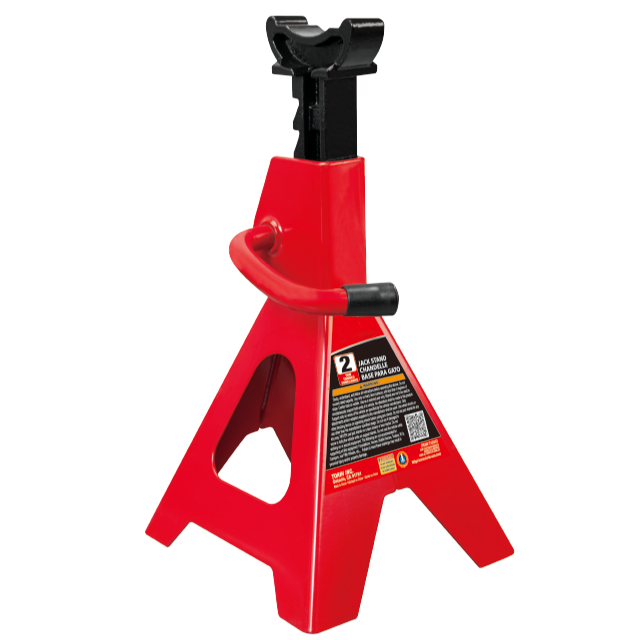
Maintenance operations across industries require reliable lifting equipment that ensures both safety and efficiency. Professional mechanics, construction workers, and maintenance teams rely heavily on specialized lifting tools to access hard-to-reach areas and perform critical repairs. Among the most versatile and essential pieces of equipment are jacks, which provide the necessary support and elevation for countless maintenance tasks. These mechanical devices have revolutionized how professionals approach vehicle servicing, heavy machinery maintenance, and structural repair work.
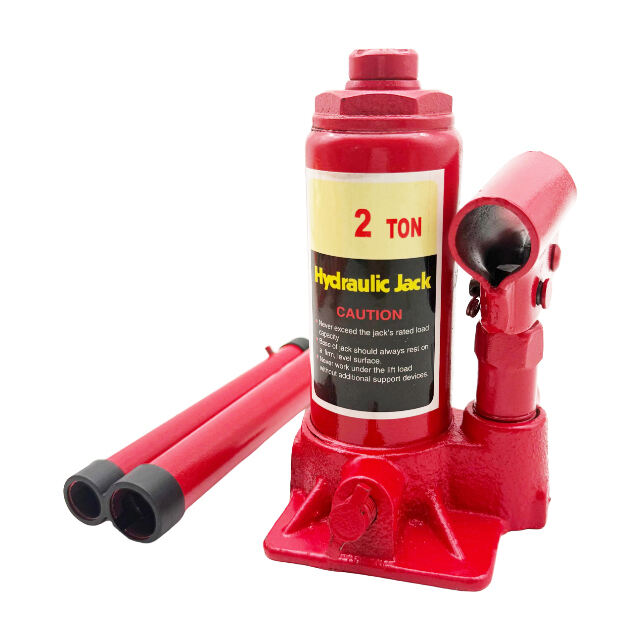
The implementation of quality jacks in maintenance workflows delivers significant operational advantages that extend beyond basic lifting capabilities. Modern hydraulic and mechanical jacks offer precision control, enhanced load capacity, and improved safety features that make them indispensable for professional maintenance environments. Understanding these benefits helps organizations make informed decisions about their equipment investments and optimize their maintenance procedures for maximum productivity and safety compliance.
Enhanced Safety Standards in Maintenance Operations
Structural Stability and Load Distribution
Quality jacks provide exceptional structural stability that significantly reduces the risk of accidents during maintenance procedures. The engineered base design and reinforced lifting mechanisms ensure proper load distribution across the contact surface, preventing dangerous shifting or collapse scenarios. Professional-grade jacks incorporate safety valves and locking mechanisms that maintain secure positioning even under maximum load conditions, creating a stable work environment for technicians.
The wide base configuration of modern jacks distributes weight evenly across the supporting surface, minimizing ground pressure and preventing sinking or tilting issues. This stability factor becomes particularly crucial when working with heavy vehicles or machinery that requires extended maintenance periods. Advanced hydraulic jacks feature multiple safety redundancies, including pressure relief systems and mechanical locks that engage automatically to prevent catastrophic failure during operation.
Operator Protection and Risk Mitigation
Professional maintenance jacks incorporate numerous safety features designed to protect operators from potential hazards. Built-in overload protection prevents excessive lifting beyond rated capacity, while controlled descent mechanisms ensure smooth and predictable lowering operations. These safety systems work together to create multiple layers of protection that significantly reduce the likelihood of workplace injuries and equipment damage.
The ergonomic design of modern jacks minimizes physical strain on operators by reducing the force required for lifting operations. Hydraulic pump handles are positioned to optimize leverage while maintaining comfortable working positions, reducing the risk of repetitive strain injuries. Additionally, clear capacity markings and operational indicators help prevent misuse and ensure that jacks are operated within safe parameters for each specific application.
Operational Efficiency and Time Savings
Rapid Deployment and Setup
Modern jacks are engineered for quick deployment, allowing maintenance teams to begin work immediately without lengthy setup procedures. Portable designs with integrated carrying handles enable easy transportation between work locations, while simplified operating mechanisms reduce the time required to achieve proper positioning. This rapid setup capability translates directly into increased productivity and reduced labor costs for maintenance operations.
The standardized operation procedures across different jack models streamline training requirements and reduce the learning curve for new operators. Quick-connect fittings and intuitive control systems enable experienced technicians to operate various jack types efficiently, maximizing equipment utilization across different maintenance scenarios. This operational consistency helps maintain workflow continuity even when switching between different lifting requirements during complex maintenance projects.
Precision Control and Positioning
Professional jacks offer precise height adjustment capabilities that enable accurate positioning for detailed maintenance work. Fine control mechanisms allow operators to achieve exact lifting heights required for specific procedures, eliminating the need for additional blocking or adjustment equipment. This precision capability is particularly valuable when working with sensitive components that require exact alignment during installation or removal processes.
The controlled lifting and lowering speeds provided by quality jacks enable careful handling of delicate components and prevent damage from sudden movements. Variable speed control allows operators to match lifting rates to the specific requirements of each maintenance task, ensuring optimal results while maintaining safety standards. This level of control significantly reduces the risk of component damage and improves overall maintenance quality.
Versatility and Application Range
Multi-Purpose Functionality
Quality jacks demonstrate remarkable versatility across diverse maintenance applications, from automotive service to heavy industrial equipment repair. The same jack that lifts a passenger vehicle can often be adapted for use with light machinery, construction equipment, or specialized maintenance tasks. This multi-purpose functionality reduces the need for multiple specialized lifting devices, streamlining equipment inventories and reducing capital investment requirements.
Different jack configurations, including bottle jacks, floor jacks, and scissor jacks, provide solutions for various space constraints and lifting requirements. Compact bottle jacks excel in confined spaces where larger equipment cannot fit, while floor jacks offer superior stability for extended maintenance procedures. This variety ensures that maintenance teams have appropriate lifting solutions for virtually any encountered scenario, improving overall operational flexibility.
Adaptability to Different Environments
Modern jacks are designed to function effectively across various environmental conditions, from indoor workshops to outdoor construction sites. Weather-resistant finishes and sealed hydraulic systems protect against corrosion and contamination, ensuring reliable operation in challenging conditions. Temperature-stable hydraulic fluids maintain consistent performance across wide temperature ranges, making jacks suitable for year-round outdoor use.
The robust construction of professional-grade jacks enables operation on uneven surfaces and in dusty or dirty environments commonly encountered in maintenance work. Non-slip base pads provide secure footing on various surface types, while debris-resistant mechanisms continue operating even when exposed to dirt and contaminants. This environmental adaptability ensures that jacks remain functional tools regardless of working conditions, supporting maintenance operations in any setting.
Cost-Effectiveness and Return on Investment
Long-Term Durability and Reliability
Professional maintenance jacks represent a significant long-term investment that delivers substantial returns through extended service life and consistent reliability. High-quality construction materials and precision manufacturing processes ensure that jacks maintain their performance characteristics over many years of regular use. The robust design of commercial-grade jacks withstands the demanding conditions of professional maintenance environments, reducing replacement costs and maintaining operational continuity.
Regular maintenance requirements for quality jacks are minimal, consisting primarily of periodic inspection and hydraulic fluid replacement. This low maintenance overhead contributes to favorable total cost of ownership calculations, making professional jacks an economically attractive investment for maintenance operations. The reliability factor also reduces downtime associated with equipment failure, ensuring that maintenance schedules can be maintained without disruption from lifting equipment problems.
Improved Maintenance Quality and Reduced Rework
The precision and stability provided by quality jacks directly contribute to improved maintenance quality by enabling more accurate and thorough work. Stable lifting platforms allow technicians to focus on the maintenance task rather than compensating for unstable or inadequate support equipment. This improved working environment leads to better maintenance outcomes and reduced likelihood of rework or warranty claims.
Professional jacks enable access to previously difficult-to-reach areas, allowing for more comprehensive maintenance procedures that extend equipment life and reduce failure rates. The ability to maintain proper working positions throughout extended maintenance procedures reduces technician fatigue and improves work quality. These factors combine to deliver measurable improvements in maintenance effectiveness and equipment reliability, justifying the investment in quality lifting equipment.
Technology Integration and Modern Features
Advanced Hydraulic Systems
Contemporary jacks incorporate sophisticated hydraulic systems that provide superior performance and reliability compared to traditional mechanical alternatives. Advanced pump designs require less operator effort while delivering faster lifting speeds and more precise control. Multi-stage hydraulic cylinders enable compact storage dimensions while maintaining high lifting capacities, optimizing the balance between portability and performance.
Precision-engineered hydraulic components ensure consistent performance over extended service intervals, with advanced sealing systems preventing fluid leakage and contamination. Temperature-compensated hydraulic systems maintain consistent operation across varying environmental conditions, ensuring reliable performance in both hot and cold working environments. These technological advances make modern jacks significantly more capable and reliable than earlier generations of lifting equipment.
Safety Enhancement Technologies
Modern jacks integrate advanced safety technologies that provide additional protection beyond traditional mechanical safeguards. Electronic load monitoring systems can detect overload conditions and automatically prevent unsafe operation, while integrated position sensors provide accurate height feedback to operators. These technological enhancements work seamlessly with traditional safety features to create comprehensive protection systems.
Smart diagnostic capabilities in advanced jacks can monitor system health and alert operators to potential maintenance needs before failures occur. Predictive maintenance features help optimize service schedules and prevent unexpected downtime, while automated safety checks ensure that jacks are operating within safe parameters. These technological innovations represent the future direction of professional lifting equipment, combining traditional reliability with modern convenience and safety features.
Industry-Specific Benefits and Applications
Automotive Service Excellence
In automotive service environments, jacks provide essential capabilities for routine maintenance, repair procedures, and diagnostic work. The ability to quickly and safely elevate vehicles enables efficient access to undercarriage components, suspension systems, and drivetrain elements. Professional automotive jacks are specifically designed to accommodate the lifting points and weight distribution characteristics of modern vehicles, ensuring safe and effective service procedures.
Specialized automotive jacks offer features tailored to specific vehicle types, including low-profile designs for sports cars and heavy-duty configurations for commercial vehicles. Quick-lift capabilities enable rapid vehicle positioning for time-sensitive service work, while precision height control facilitates accurate alignment and installation procedures. These specialized features make jacks indispensable tools for maintaining service quality and efficiency in professional automotive environments.
Industrial Equipment Maintenance
Heavy industrial maintenance applications benefit significantly from the robust capabilities of professional-grade jacks. Large hydraulic jacks can handle substantial loads associated with industrial machinery, enabling maintenance access that would otherwise require complex rigging or crane operations. The portability advantage of jacks allows maintenance to be performed in locations where permanent lifting equipment is not available or practical.
Industrial maintenance jacks are engineered to withstand the harsh conditions commonly found in manufacturing environments, including exposure to chemicals, extreme temperatures, and heavy contamination. Specialized configurations provide solutions for unique industrial lifting requirements, such as low-clearance situations or operations requiring precise load positioning. These capabilities make jacks valuable assets for maintaining operational equipment and minimizing production downtime.
FAQ
What safety considerations should guide jack selection for maintenance operations
Safety considerations for jack selection include load capacity rating, stability features, and operational safety mechanisms. Choose jacks with load ratings significantly higher than expected requirements to provide adequate safety margins, and ensure that stability features like wide bases and locking mechanisms are appropriate for intended applications. Verify that safety features such as overload protection and controlled descent systems meet workplace safety standards and regulatory requirements.
How do different jack types compare for specific maintenance applications
Different jack types offer distinct advantages for specific applications, with bottle jacks excelling in confined spaces due to their compact design, while floor jacks provide superior stability for extended maintenance work. Scissor jacks offer excellent stability and precision control for delicate positioning tasks, whereas hydraulic jacks deliver high lifting capacity with minimal operator effort. Consider space constraints, load requirements, and operational frequency when selecting the most appropriate jack type for specific maintenance scenarios.
What maintenance practices extend jack service life and ensure reliable operation
Regular maintenance practices that extend jack service life include periodic inspection of hydraulic seals, proper storage in clean environments, and routine replacement of hydraulic fluids according to manufacturer schedules. Keep lifting surfaces clean and properly lubricated, inspect safety mechanisms regularly, and ensure that operating procedures follow manufacturer guidelines. Proper maintenance significantly extends equipment life while maintaining safety standards and operational reliability.
How does jack quality impact overall maintenance operation costs
Jack quality directly impacts maintenance operation costs through reliability, durability, and operational efficiency factors. High-quality jacks require less frequent replacement and repair, reducing long-term equipment costs while minimizing downtime associated with equipment failures. Quality jacks also enable faster and more precise maintenance work, improving labor efficiency and reducing overall project completion times, which translates to measurable cost savings in maintenance operations.
Table of Contents
- Enhanced Safety Standards in Maintenance Operations
- Operational Efficiency and Time Savings
- Versatility and Application Range
- Cost-Effectiveness and Return on Investment
- Technology Integration and Modern Features
- Industry-Specific Benefits and Applications
-
FAQ
- What safety considerations should guide jack selection for maintenance operations
- How do different jack types compare for specific maintenance applications
- What maintenance practices extend jack service life and ensure reliable operation
- How does jack quality impact overall maintenance operation costs